Table of Contents >> Show >> Hide
- How These “Tested by Experts” Picks Were Chosen
- The 10 Best Joint Supplements of 2025
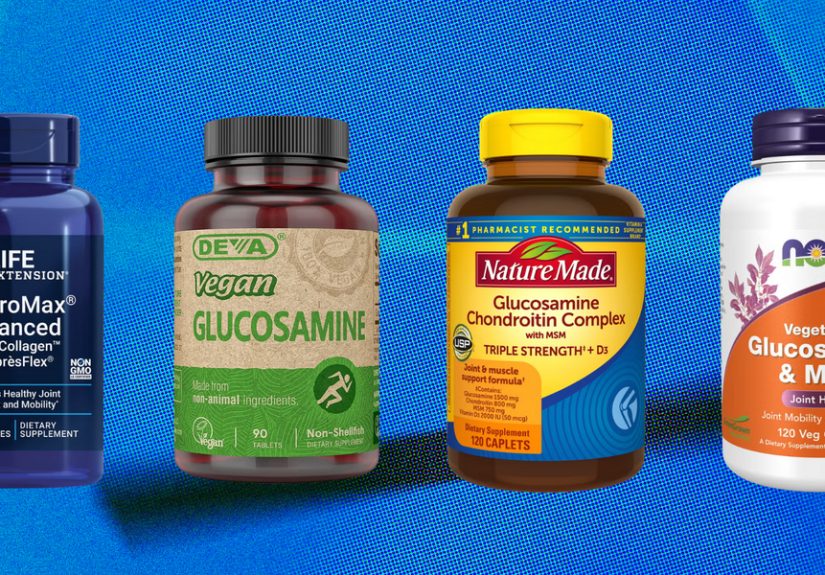
- 1) Nature Made Glucosamine Chondroitin Complex with MSM Best Overall
- 2) Deva Vegan Glucosamine Best Glucosamine (Vegan-Friendly)
- 3) NOW Vegetarian Glucosamine & MSM Best Glucosamine + MSM Pair
- 4) Life Extension ArthroMax Advanced Best with Collagen
- 5) Osteo Bi-Flex Joint Health, Triple Strength Best with Boswellia
- 6) Gaia Herbs Turmeric Supreme Joint Health Best Turmeric/Curcumin Blend
- 7) Thorne Joint Support Nutrients Best for Mobility
- 8) Nordic Naturals Ultimate Omega Best Omega-3
- 9) Kirkland Signature Extra Strength Vitamin D3 2000 IU Best Vitamin D
- 10) Voltaren Joint Comfort and Movement Supplement Best Botanical Support
- Do Joint Supplements Actually Work?
- Ingredient Cheat Sheet: What the Evidence Says
- How to Choose a Joint Supplement That Isn’t Just Expensive Glitter
- Safety Notes (Seriously, Read This Part)
- FAQ
- Real-World Experiences: What People Notice When Trying Joint Supplements (Extra )
- Conclusion
Your joints are basically the hinges that let you live your lifewalk the dog, shoot hoops, climb stairs, carry groceries, and do that very athletic move known as “getting up from the couch.” When those hinges start squeaking (stiffness), grinding (discomfort), or throwing tantrums (flare-ups), it’s natural to wonder if a joint supplement can help.
The short version: some supplements have decent evidence for easing joint discomfort in certain people, especially for osteoarthritis-type aches and inflammation. The long version: supplements are not miracle cartilage printers, results vary wildly, and quality matters a lot. This guide pulls together expert-reviewed 2025 “best of” testing-style methodologies (label vetting, ingredient standards, and third-party certifications) plus the science on what actually seems to move the needle for joint comfort and mobility.
Quick note if you’re under 18 (or shopping for someone who is): don’t start supplements on your own. Talk with a clinician first, because dosing, safety, and interactions can be different for teens, athletes, and anyone taking medications.
How These “Tested by Experts” Picks Were Chosen
“Tested” doesn’t always mean a lab strapped someone to a treadmill and measured knee squeaks in real time (science, call me). In reputable expert roundups, testing usually means:
- Ingredient reality checks: clinically studied forms and meaningful doses (not pixie-dust sprinkles).
- Quality signals: third-party verification (USP, NSF, ConsumerLab, published COAs) and transparent manufacturing standards.
- Safety filters: allergy notes (shellfish), medication interactions (blood thinners), and sensible upper limits.
- Use-case matching: mobility support, inflammation support, omega-3 support, vitamin D correction, and botanical blends.
The 10 products below reflect what expert reviewers and registered dietitians highlighted in 2025 joint-supplement evaluations, combined with what medical organizations and evidence summaries say about the most common joint-support ingredients.
The 10 Best Joint Supplements of 2025
Consider this list a “starting shortlist,” not a commandment. The best choice depends on your goal (everyday stiffness vs. post-workout soreness vs. osteoarthritis discomfort), your diet, allergies, and any medications you take.
1) Nature Made Glucosamine Chondroitin Complex with MSM Best Overall
Why it made the list: A classic “big three” formula (glucosamine + chondroitin + MSM) with a strong quality reputation and a third-party verification signal.
Best for: people who want a comprehensive, mainstream joint-support combo and prefer a widely available brand.
What to know: Many people try this style of supplement for osteoarthritis-related knee stiffness. Evidence is mixed overall, but some people report noticeable comfort improvements after consistent daily use for several weeks.
2) Deva Vegan Glucosamine Best Glucosamine (Vegan-Friendly)
Why it made the list: Glucosamine is often sourced from shellfish. This one uses a vegan sourceuseful for plant-based shoppers and for anyone avoiding shellfish.
Best for: vegan/vegetarian users or those with shellfish allergies who still want a straightforward glucosamine-only option.
What to know: Glucosamine studies frequently use around 1,500 mg/day. A product that clearly hits that dose (instead of hiding behind a “proprietary blend”) makes comparison easier.
3) NOW Vegetarian Glucosamine & MSM Best Glucosamine + MSM Pair
Why it made the list: A focused two-ingredient approach for people who want glucosamine support plus MSM without a longer ingredient list.
Best for: shoppers who like simpler formulas and want flexibility to add other supports (like omega-3s) separately if needed.
What to know: MSM is commonly included for joint comfort and inflammation support, though research is smaller than for turmeric/curcumin or some osteoarthritis interventions. Some users prefer this “cleaner” approach over a kitchen-sink blend.
4) Life Extension ArthroMax Advanced Best with Collagen
Why it made the list: Combines joint staples with an additional angle: undenatured type II collagen (a form often marketed for joint support) plus supportive ingredients like Boswellia.
Best for: people who want a more “advanced” multi-ingredient approach and are okay with capsules that may be on the larger side.
What to know: Collagen research for joints is promising in some areas, but it’s not a guarantee. Think “possible support for comfort and function,” not “new cartilage installed by Tuesday.”
5) Osteo Bi-Flex Joint Health, Triple Strength Best with Boswellia
Why it made the list: Includes Boswellia serrata (often used for inflammation support) alongside glucosamine, chondroitin, MSM, and vitamin D3.
Best for: people who like a robust, widely used formula and want botanicals plus the classic joint ingredients.
What to know: Boswellia is one of the better-known herbal options for joint comfort. If you’ve tried glucosamine/chondroitin alone and felt “meh,” this is the kind of formula people often try next.
6) Gaia Herbs Turmeric Supreme Joint Health Best Turmeric/Curcumin Blend
Why it made the list: Turmeric’s active compounds (curcuminoids) are popular for inflammation support, and formulas that include absorption helpers (like black pepper extract) can be more practical.
Best for: people whose joint discomfort seems inflammation-driven (stiffness after inactivity, occasional flare-ups) and who tolerate botanicals well.
What to know: Turmeric supplements can interact with medications (especially blood thinners). If you take any meds, ask a clinician before using high-dose curcumin products.
7) Thorne Joint Support Nutrients Best for Mobility
Why it made the list: A broad joint-mobility complex that combines glucosamine, MSM, curcumin, Boswellia, and additional supportive ingredients often used in inflammation/mobility formulas.
Best for: active people who want a comprehensive “mobility stack” and care a lot about manufacturing standards and brand reputation.
What to know: This kind of formula is best evaluated by how you feel over time (think 4–8 weeks), not after two days when you’re still mad at yesterday’s leg day.
8) Nordic Naturals Ultimate Omega Best Omega-3
Why it made the list: Omega-3s (EPA/DHA) are widely used for overall inflammation support and are commonly discussed in the context of rheumatoid arthritis and general joint stiffness.
Best for: people whose clinician has recommended fish oil, those who don’t eat fatty fish regularly, and anyone looking for joint support that also benefits heart health.
What to know: Fish oil can affect bleeding risk at higher doses, especially if combined with anticoagulants. Always check compatibility if you’re on meds.
9) Kirkland Signature Extra Strength Vitamin D3 2000 IU Best Vitamin D
Why it made the list: Vitamin D isn’t a “joint supplement” in the classic sense, but low vitamin D status is common and can overlap with musculoskeletal discomfort.
Best for: people with confirmed low vitamin D (based on bloodwork) or those whose clinician recommends supplementation.
What to know: Don’t megadose vitamin D without guidancemore isn’t always better, and it’s absolutely possible to overdo it.
10) Voltaren Joint Comfort and Movement Supplement Best Botanical Support
Why it made the list: A streamlined turmeric + Boswellia combo from a brand widely associated with topical joint-pain products, paired with a recognized third-party certification signal.
Best for: people who want botanical inflammation support in an easy once-daily routine and value strong quality oversight.
What to know: Botanical blends can be helpful for some, but they can also interact with medications. If you’re taking anything regularly, ask first.
Do Joint Supplements Actually Work?
Sometimesand often modestly. Many of the best-studied joint ingredients support comfort by helping manage inflammation or supporting cartilage-related pathways. But joint pain isn’t one thing. Osteoarthritis, rheumatoid arthritis, overuse injuries, tendon issues, and general stiffness can feel similar, while needing totally different solutions.
A realistic expectation: the best supplements may help reduce discomfort, improve function a bit, or make movement feel easier. They usually won’t “erase” joint problems, and they won’t replace proven basics like strength training, healthy body weight management, physical therapy, and an anti-inflammatory diet.
Ingredient Cheat Sheet: What the Evidence Says
Glucosamine + Chondroitin
These are building blocks found in cartilage. Research on osteoarthritis is mixed: some people feel meaningful relief, others feel nothing at all (which makes your wallet the only thing that gets lighter). If you try them, consistency mattersmany protocols evaluate effects after several weeks.
- Common use-case: knee osteoarthritis symptoms (pain, stiffness, function).
- Quality tip: look for clear labeling of form (e.g., glucosamine sulfate vs. HCl) and dose transparency.
- Safety tip: shellfish-derived glucosamine is common; consider vegan sources if needed.
Curcumin (Turmeric Extract)
Curcumin is the main active compound associated with turmeric’s anti-inflammatory reputation. Some analyses suggest benefits for osteoarthritis pain and function, and some comparisons show it may perform similarly to certain pain relievers in specific studiesthough results vary.
- Common use-case: inflammation-driven discomfort, stiffness, flare-ups.
- Absorption matters: products that include piperine (black pepper extract) or other bioavailability tech can be more effective.
- Interaction alert: can affect bleeding risk and may interact with several medications.
MSM (Methylsulfonylmethane)
MSM is often included in joint formulas for comfort and inflammation support. The evidence base is smaller than for some other ingredients, but it appears in many reputable blends and is generally considered tolerable at common doses.
Boswellia serrata
Boswellia (sometimes marketed as Indian frankincense) is used traditionally and in modern supplements for inflammation support. Some studies suggest it may help with osteoarthritis discomfort and joint function, especially as part of a well-formulated extract.
Omega-3s (Fish Oil: EPA/DHA)
Omega-3s can support inflammation pathways and are commonly used as an add-on for rheumatoid arthritis support and general inflammation management. They’re not a direct cartilage supplement, but they can be part of a joint-comfort strategyespecially when diet is low in fatty fish.
Vitamin D
Vitamin D supports bone health and muscle function. If you’re deficient, supplementation can make you feel better overalland sometimes that includes musculoskeletal comfort. The key is to supplement based on need, ideally confirmed by bloodwork.
How to Choose a Joint Supplement That Isn’t Just Expensive Glitter
1) Prioritize third-party verification
Supplements are regulated differently than medications. That means you should look for reputable third-party testing and certification signals (think: USP verification, NSF certification, ConsumerLab testing, or transparent Certificates of Analysis).
2) Match the supplement to your “why”
- Osteoarthritis-style stiffness: glucosamine/chondroitin (trial), MSM, curcumin, Boswellia.
- Inflammation support: curcumin, omega-3s, Boswellia (and diet/lifestyle fundamentals).
- Mobility and recovery: comprehensive blends may be useful if you tolerate multi-ingredient formulas.
- Deficiency correction: vitamin D if labs show low levels.
3) Avoid “proprietary blend” mysteries
If a label doesn’t tell you how much of each ingredient is included, it’s hard to evaluate whether it matches studied doses. Transparency is a green flag.
4) Give it an honest trial window
Many joint supplements aren’t “take one and feel it in an hour” products. People often evaluate results over 4–8 weeks, tracking pain, stiffness, and function. If nothing changes after a fair trial (and a clinician agrees it’s safe), it may not be your supplement.
Safety Notes (Seriously, Read This Part)
- Medication interactions: turmeric/curcumin and fish oil can affect bleeding risk; always confirm safety if you take medications.
- Allergies: many glucosamine products are shellfish-derived; choose vegan sources if needed.
- Medical conditions: pregnancy, upcoming surgery, liver issues, gallbladder issues, or clotting disorders require extra caution.
- Teens/young athletes: talk to a clinician before starting supplements; dosing and safety are not “one-size-fits-all.”
FAQ
How long does it take for joint supplements to work?
Many people assess changes over several weeks. Some botanicals may feel faster for certain users, while glucosamine/chondroitin-style supplements are often evaluated over 4–8 weeks.
Can supplements rebuild cartilage?
Most supplements are aimed at comfort, inflammation support, and functionnot cartilage reconstruction. If you’re dealing with significant pain, swelling, locking, or instability, you need a clinical evaluation.
Should I take multiple joint supplements at the same time?
More ingredients can mean more interactions and more side effects. If you want to experiment, do it one change at a time (with clinician guidance), so you can actually tell what helped.
Real-World Experiences: What People Notice When Trying Joint Supplements (Extra )
Let’s talk about what “trying a joint supplement” actually looks like in real lifebecause it’s rarely a dramatic movie montage where someone pops a capsule and immediately starts sprinting up a mountain in slow motion. Most people’s experience is much more… human.
First, there’s the hope phase. You buy a bottle, read the label like it’s a treasure map, and promise yourself you’ll be consistent. Then day three arrives and you realize the serving size is four capsules, and suddenly you’re negotiating with yourself like, “Okay, two now and two later. I am a responsible adult. I can do hard things.”
Next comes the patience phase. A lot of users report that the first week feels the samebecause it often is the same. For supplements like glucosamine/chondroitin or collagen-based formulas, people frequently describe changes as gradual: less stiffness getting out of bed, a slightly easier time walking longer distances, or fewer “reminder twinges” when they stand up after sitting too long. Not fireworksmore like the dimmer switch slowly turning up.
With turmeric/curcumin and Boswellia blends, some people describe a different pattern: they don’t necessarily feel “stronger,” but they feel less cranky in the joints. Think fewer flare-ups after a long day, or less discomfort after chores, travel, or workouts. That said, a common experience is also stomach sensitivityespecially if the supplement is taken without food. Many users end up shifting timing (with breakfast instead of on an empty stomach) because their joints aren’t the only things that can complain.
Omega-3 fish oil experiences are famously split into two categories: (1) “I feel a little less stiff, and my skin looks better,” and (2) “I burped and now I taste the ocean.” High-quality products often reduce the fishy aftertaste issue, and some people switch to liquid forms, take it with meals, or store it in the fridge to improve tolerability.
One of the most consistent real-world stories is that the supplement works best when it’s part of a stack of boring-but-effective habits: regular low-impact movement, strength training (especially hips and legs for knee support), mobility work, sleep, hydration, and a diet that doesn’t treat vegetables like optional background characters. People who combine supplements with physical therapy or a structured exercise plan often report bigger functional improvements than people who rely on pills alone.
Finally, there’s the decision phase. After 4–8 weeks, most people land in one of three camps: “This helps, I’m keeping it,” “This does nothing, goodbye,” or “This helps a bit, but I’m going to simplify and only keep what’s worth it.” That last camp is underrated. Joint supplements can be useful, but the best long-term plan is the one you can actually afford, tolerate, and stick withwithout turning your kitchen cabinet into a supplement museum.
Conclusion
The best joint supplements of 2025 share three traits: smart ingredient choices, transparent dosing, and credible quality signals. If you want a classic joint combo, glucosamine/chondroitin/MSM formulas are the mainstream starting point. If inflammation feels like your main issue, turmeric/curcumin and Boswellia blends may be worth discussing with a clinician. Omega-3s and vitamin D can be great “supporting actors,” especially when diet or lab work points to a gap.
The winning move: pick one goal, choose one high-quality product, give it a fair trial, and track how you feelwhile keeping lifestyle basics (movement, strength, nutrition, sleep) in the driver’s seat. Supplements can help, but they work best as assistants, not as the entire plan.