Table of Contents >> Show >> Hide
- Why Hardware Deserves the “House Jewelry” Label
- The 5-Minute Checklist Before You Buy Anything Shiny
- 10 Favorites That Wear Like Jewelry (And Work Like Tools)
- 1) Solid Brass Cabinet Pulls with a Clean Profile
- 2) Knurled Door Knobs or Levers
- 3) Statement Entry Handlesets (Because First Impressions Have a Doorknob)
- 4) Ball-Bearing Hinges for Heavy Doors
- 5) Unlacquered (Living) Brass Accents
- 6) Hand-Forged or Hammered Pulls
- 7) Cup Pulls for Drawers (The Vintage Workhorse)
- 8) Oversized House Numbers and a Door Knocker with Personality
- 9) Metal Switch Plates (Yes, Really)
- 10) Door Stops That Look Intentional (And Save Your Walls)
- How to Mix Finishes Without Making Your Home Look Confused
- Installation Tips That Save Your Sanity
- of Real-World Experience: Lessons From the Hardware Aisle
- Conclusion
If your house were getting ready for a big night out, paint would be the outfit… and architectural hardware would be the jewelry.
It’s the sparkle you touch a hundred times a day: the “hello” of a front-door lever, the little wink of a cabinet pull, the satisfying
click that makes you feel like you have your life togethereven if your junk drawer says otherwise.
This article is a love letter to the small metal details that quietly shout, “Someone cared here.” We’ll treat door hardware, cabinet hardware,
hinges, latches, and all those overlooked bits like the design accessories they really arethen I’ll share 10 favorites that consistently deliver
style, durability, and the kind of tactile joy you don’t get from scrolling.
Why Hardware Deserves the “House Jewelry” Label
Jewelry does three things: it looks good, it lasts, and it makes you feel something. Great architectural hardware checks the same boxes.
It adds contrast and character (a warm brass pull on a painted cabinet is basically eyeliner for your kitchen). It handles real-world wear
(busy hands, wet towels, grocery-bag elbows). And it creates a daily sensory moment: the weight, the texture, the sound, the way it fits your grip.
The best part? Hardware is one of the rare upgrades where “small change” can deliver “wow, this looks expensive.” You can keep the cabinets,
keep the doors, keep the layoutand still get that fresh, intentional feel just by changing the pieces you touch.
The 5-Minute Checklist Before You Buy Anything Shiny
1) Start with function, not finish
Decide what each door needs to do: keyed entry for exterior doors, privacy for bathrooms/bedrooms, passage for closets and hallways, and
dummy hardware where you want the look without a latch. If you buy pretty hardware with the wrong function, you’ll end up with the decorative
equivalent of a watch that can’t tell time.
2) Measure like you mean it
Door prep matters: know your door thickness, bore hole size, and backset (commonly 2-3/8″ or 2-3/4″). For cabinets, note hole spacing for pulls
and whether you’re reusing existing holes or starting fresh. “Close enough” is how you end up with a handle that sits crooked forever like a
tiny personal insult.
3) Pick a “dominant metal” and let accents do the flirting
Mixed metals can look intentional and richwhen you limit the palette. Choose one primary finish (the lead singer), then one or two supporting
finishes (the backup vocals). Too many metals and your room starts to look like it’s wearing every necklace it owns at once.
4) Expect the finish to live a real life
High-touch areas (front doors, frequently used drawers) benefit from durable coatings and thoughtful textures that hide fingerprints and micro-scratches.
“Living” finishes that patina over time can be gorgeousif you like the idea of your hardware aging like leather boots instead of staying
perfectly polished forever.
5) Buy one sample first
Hardware looks different in your lighting, against your paint, next to your counters. One sample can save you from ordering 30 pulls that look
“warm brass” online and “mustard regret” in person.
10 Favorites That Wear Like Jewelry (And Work Like Tools)
-
1) Solid Brass Cabinet Pulls with a Clean Profile
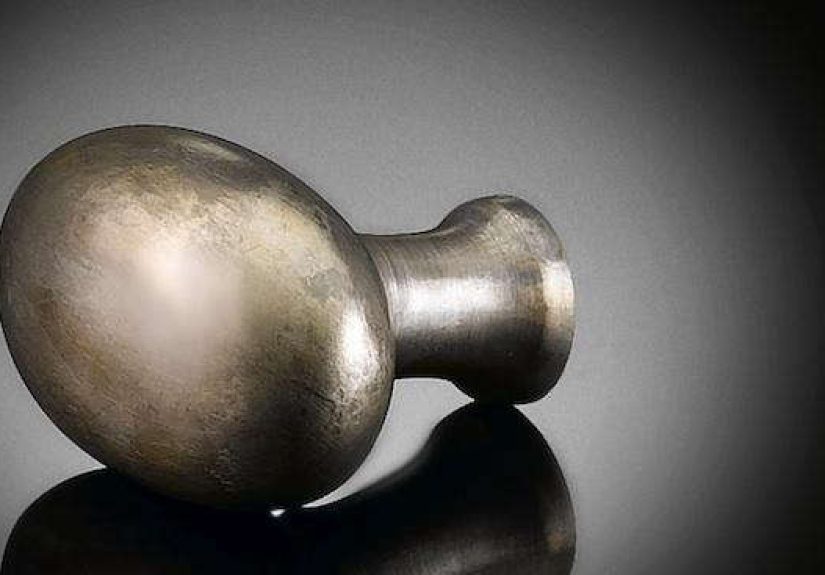
If you want instant “custom kitchen” energy, start here. Solid brass has visual warmth that flatters nearly every cabinet colorfrom crisp white to
moody green to natural oak. Look for a simple bar pull or softly rounded “capsule” shape so the metal can be the star without feeling fussy.Pro move: use a sizing rule of thumb (many designers like pulls about one-third the drawer width or one-third the door height). It creates balance
and makes cabinets feel intentionally designed rather than randomly accessorized. -
2) Knurled Door Knobs or Levers
Knurling is texturetiny grooves that give grip and catch light. In jewelry terms, it’s the equivalent of a faceted gemstone: subtle sparkle with
serious practicality. Knurled hardware feels modern, industrial, and unexpectedly luxe, especially in satin brass, matte black, or brushed nickel.Bonus: texture hides fingerprints. Your future self, standing in the hallway with a cleaning cloth, will feel seen.
-
3) Statement Entry Handlesets (Because First Impressions Have a Doorknob)
Your front door hardware is your home’s handshake. A substantial handlesetespecially one with a comfortable grip and a clean escutcheon plate
can make even a basic door feel high-end. Choose a shape that matches your architecture: streamlined for modern, arched details for traditional,
or a simple classic profile for transitional homes.Practical note: prioritize security and durability ratings for exterior hardware. The prettiest lock isn’t charming if it’s also basically a suggestion.
-
4) Ball-Bearing Hinges for Heavy Doors
Hinges aren’t glamorous… until your door squeaks, drags, or swings like it’s haunted. Ball-bearing hinges are a quiet upgrade that makes heavy
or solid-core doors move smoothly and reliably. It’s the “tailoring” of hardware: mostly invisible, completely transformative.If you’re upgrading interior doors or installing thicker/heavier doors, hinge quality matters as much as the handle you stare at.
-
5) Unlacquered (Living) Brass Accents
Unlacquered brass is for people who appreciate patinathe way metal darkens and softens with time. Think of it as hardware with a memory.
It looks especially good in historic homes, warm minimal interiors, and spaces that lean organic (wood, stone, linen).The secret is commitment: living finishes look best when you allow them to age naturally instead of fighting the process with constant polishing.
-
6) Hand-Forged or Hammered Pulls
If your space needs soul, hand-forged hardware is the shortcut. The slight irregularities are the pointthey catch light differently and feel
human in a world of perfect factory symmetry. These pieces shine on pantry doors, built-ins, mudroom storage, and anywhere you want a subtle
artisan vibe.Pair with simple cabinetry so the texture reads as intentional, not busy.
-
7) Cup Pulls for Drawers (The Vintage Workhorse)
Cup pulls bring classic charm and ergonomic comfort, especially for kitchens. They’re easy to grab, they look great in rows, and they add that
“this house has stories” feeling even in a brand-new build. They’re particularly strong on Shaker-style cabinetry and in farmhouse, traditional,
or transitional spaces.Use them on drawers, then pair with simple knobs on doors to keep things cohesive.
-
8) Oversized House Numbers and a Door Knocker with Personality
Curb appeal lives in details. High-contrast, easy-to-read house numbers look polished and help visitors (and delivery drivers) find you without
doing a slow-motion confused crawl past your house. Add a door knockerclassic ring, modern geometric, or something delightfully sculptural
and suddenly your entry has actual character.The goal is “welcoming,” not “medieval dungeon,” unless that’s your brand. No judgment.
-
9) Metal Switch Plates (Yes, Really)
Plastic switch plates are the sweatpants of interiors: practical, but not exactly aspirational. Swapping them for metal plates in a coordinating
finish is one of the cheapest ways to make a room feel finished. It’s a tiny change that reads as “this place is cared for,” because it fixes an
element most people ignore.Match them loosely to your door hardware or lighting for a pulled-together look.
-
10) Door Stops That Look Intentional (And Save Your Walls)
Door stops are the bouncers of your home: they prevent chaos, quietly. Options range from hinge-pin stops (good for lightweight interior doors),
to baseboard or wall-mounted stops, to floor-mounted styles for heavier doors. Choose the type that fits the door swing and traffic pattern, then
pick a finish that blends with nearby hardware.The best door stop is the one you never think aboutbecause it prevented damage without announcing itself.
How to Mix Finishes Without Making Your Home Look Confused
Mixing metals is less about rules and more about rhythm. Keep two or three finishes in the same space. Repeat each finish at least twice so it feels
intentional. And think in undertones: warm metals (brass, gold) pair beautifully with other warm-leaning finishes, while cooler metals (chrome,
polished nickel) feel crisp and modern. Matte black is the universal translatorit plays well with almost everything.
A simple formula that works: choose one dominant finish (most door hardware), one secondary finish (lighting or plumbing), and one accent finish
(cabinet pulls or small décor). That gives you depth without the “sample board exploded” effect.
Installation Tips That Save Your Sanity
Use a template for cabinet hardware
Consistent placement is what makes new hardware look professional. A simple jig/template (store-bought or DIY) prevents that slow spiral into measuring,
re-measuring, and whispering “why am I like this?” at 11:48 p.m.
Don’t ignore door handing
Some levers are reversible; some aren’t. Verify handing before you order, especially for exterior doors or specialty trim. Getting it wrong is a rite
of passage you can skip.
Upgrade screws when needed
Heavy pulls and big handles deserve sturdy fasteners. If you’re installing on solid doors or thick drawer fronts, use the right length and type of
screws so hardware feels tight and confidentnot wobbly and apologetic.
of Real-World Experience: Lessons From the Hardware Aisle
I used to think hardware was the fun little “last step.” You knowlike sprinkles. Then I renovated a kitchen and learned that hardware is not sprinkles.
Hardware is the part you touch every single day, which means it can either quietly delight you… or slowly drive you into a low-grade rage.
My first mistake was buying pulls solely because they looked great online. In the product photos, they were “warm satin brass.” In my kitchen lighting,
they were “aggressively yellow.” I installed two as a test, stared at them for 24 hours like they’d personally betrayed me, then ordered samples from
a different finish family. Lesson: light changes everything. Samples save marriages.
Next came the sizing experiment. I tried smaller pulls because I wanted a minimalist look. Minimalist, yesalso slightly underfed. The drawers felt
like they were wearing tiny earrings when they needed statement hoops. I switched to longer pulls and suddenly the whole kitchen looked calmer, more
proportional, and weirdly more expensive. It wasn’t about being flashy; it was about balance.
Then there was the Great Matte Black Fingerprint Era. Matte black hardware is stunning. It’s also honest. If you have hard water, kids, or the habit
of touching things with “just moisturized” hands, matte black will document your life like a very dedicated historian. I didn’t abandon itI just
moved matte black to lower-touch areas and used a more forgiving finish (brushed nickel) on the most-used drawers. Design is compromise, but make it
strategic.
On doors, the biggest surprise was how much hinges affect the “feel” of a home. I upgraded interior doors to heavier solid-core slabs for sound control,
then kept standard hinges. The doors worked… but they didn’t glide. They sort of announced themselves. Once I swapped to better hinges suited for
heavier doors, the doors closed more smoothly, sounded better, and stopped feeling like they were slightly annoyed at being part of my house.
And finally: switch plates. I laughed at the idea until I changed a few. Suddenly, the walls looked cleaner and the room felt finished, like putting
on shoes that match your outfit. It’s the kind of detail no one compliments directly, yet everyone subconsciously reads as quality.
So yesarchitectural hardware is house jewelry. But the best jewelry isn’t just pretty. It fits, it lasts, and it makes your everyday life feel a
little more intentional. And if it also hides fingerprints? That’s not just jewelry. That’s self-care.