Table of Contents >> Show >> Hide
By the time a franchise hits part three, things can go one of two ways:
you get a legendary threequel that sticks the landing… or a wobbly sequel
that makes you question your life choices and popcorn budget.
Fortunately, history has given us a surprising number of great third movies.
From Oscar-winning epics like The Lord of the Rings: The Return of the King to
animated heartbreakers like Toy Story 3, and even wild horror entries like
Nightmare on Elm Street 3: Dream Warriors, the best threequels prove that
“Part 3” doesn’t have to mean “creative bankruptcy.”
This guide pulls together over 100 of the best threequels across genres:
action, sci-fi, superhero, horror, comedy, animation, and more. It’s based on a synthesis
of fan-voted rankings, critic lists, and franchise deep dives from major entertainment and
movie sites in the United States. Think of this as your cheat sheet for the third movie
that’s actually worth your Friday night.
We’ll break down what makes a threequel work, then dive into a big, browsable list of
standout third films in series. Save it, fight about it in the group chat, and use it
as a watchlist the next time you’re scrolling and muttering, “What else is there?”
What Is a Threequel, Exactly?
A threequel is the third entry in a film series or franchise. It might:
- Finish a self-contained trilogy (like the Lord of the Rings or Dark Knight movies).
- Be part of a longer series, where “3” is just one stop on a much bigger ride
(think Goldfinger in the James Bond saga or Fast & Furious: Tokyo Drift in that never-ending drag race of a franchise). - Soft-reboot or redirect the series after a shaky second film, as with movies like
Die Hard with a Vengeance or Iron Man 3.
Because of that, threequels carry a lot of pressure. They have to:
- Honor what fans loved in the first film.
- Build on whatever part two set up (even if it fumbled a bit).
- Offer something fresh enough that audiences don’t feel like they’ve seen the same movie three times.
Why Third Movies Are So Hard to Get Right
There’s a reason people groan when a franchise keeps going: by part three, the risk
of repetition is huge. Studios often want “more of what worked,” while writers and
directors want to experiment. When a threequel fails, it usually falls into one of
these traps:
- Too big, zero heart: everything explodes, nothing matters.
- Too safe: the story just replays earlier beats, only louder and more expensive.
- Too different: tone swings so hard that it barely feels like the same series.
On the flip side, the best threequels:
- Pay off long-running character arcs.
- Deepen the world instead of just making the explosions bigger.
- Give audiences the emotional closure or escalation they didn’t know they needed.
That’s why movies like The Return of the King, Indiana Jones and the Last Crusade,
Goldfinger, and Toy Story 3 frequently show up near the top of “best threequel” lists
compiled by critics and fan communities alike. They feel like real stories, not just IP maintenance.
100+ Best Threequels: The Ultimate List of Third Movies in a Series
Below you’ll find a large curated list of third movies in film series that are widely
regarded as standouts. Some are universally beloved, some are cult favorites, and a few are messy
but fascinating swings. Together, they easily clear the “100+ threequels” mark once you factor
in the honorable mentions.
Hall-of-Fame Threequels (The Canon Classics)
- The Lord of the Rings: The Return of the King (2003) – Monumental fantasy finale that swept the Oscars and emotionally finishes Frodo’s journey.
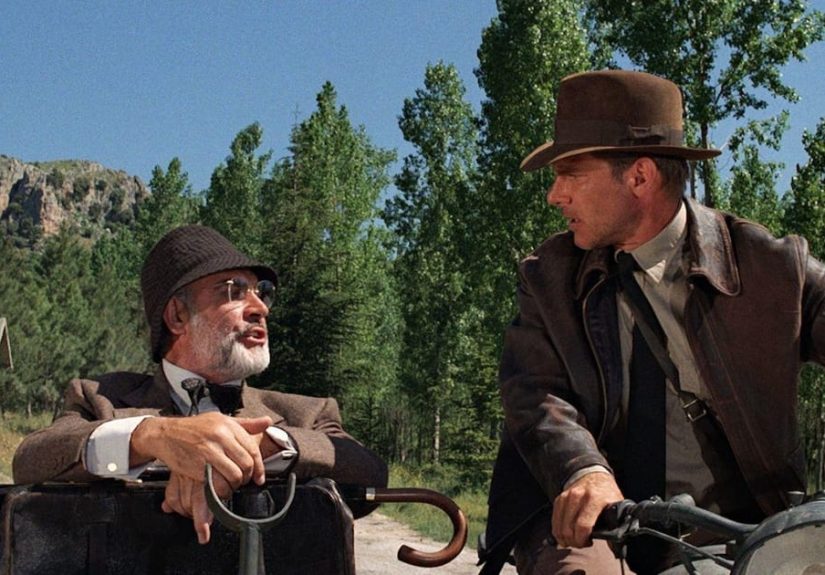
- Indiana Jones and the Last Crusade (1989) – Indy plus Sean Connery, peak banter, and a return to pulpy adventure after the darker second film.
- Toy Story 3 (2010) – The “grown-ups sobbing in the theater” threequel that turns a toy story into a meditation on growing up and letting go.
- The Good, the Bad and the Ugly (1966) – The third “Dollars” movie, often cited as the high point of the trilogy and one of the greatest westerns ever made.
- Goldfinger (1964) – The third James Bond film, and for many fans the definitive 007 template: gadgets, one-liners, and an all-time villain.
- Star Wars: Episode VI – Return of the Jedi (1983) – Ewoks and all, it delivers emotional closure to Luke and Vader’s arc and ends the original trilogy on a mythic note.
- The Bourne Ultimatum (2007) – A tightly wound, kinetic thriller that refines the shaky-cam style into something razor-sharp and cathartic.
- Before Midnight (2013) – The third film in Richard Linklater’s talky romance trilogy, turning a fairy-tale love story into something raw, complex, and real.
- War for the Planet of the Apes (2017) – The third entry in the reboot trilogy, blending war movie grit with surprisingly moving character drama.
- Mission: Impossible III (2006) – Raises the emotional stakes for Ethan Hunt and helps set the tone for the franchise’s later, acclaimed installments.
Superhero & Comic-Book Threequels
- Captain America: Civil War (2016) – The third Cap film that basically works as an Avengers movie and reshapes the whole Marvel universe.
- Logan (2017) – Third solo Wolverine movie, reinventing the character in a brutal, neo-western farewell.
- Iron Man 3 (2013) – A character-driven, Shane Black-flavored story that explores Tony Stark’s anxiety after the events of The Avengers.
- Thor: Ragnarok (2017) – The third Thor film, a cosmic comedy-action reinvention that saved the character for a lot of fans.
- The Dark Knight Rises (2012) – Christopher Nolan’s ambitious, sometimes divisive but undeniably epic conclusion to his Batman trilogy.
- Spider-Man 3 (2007) – Messy but memorable, packed with iconic (and meme-able) moments; still considered a crucial part of Raimi’s trilogy conversation.
- X-Men: The Last Stand (2006) – Critically weaker than its predecessors, yet important to the series’ arc and often revisited when discussing how threequels can stumble.
Action, Sci-Fi, and Adventure Threequels
- Die Hard with a Vengeance (1995) – A buddy-cop threequel pairing John McClane with Samuel L. Jackson for high-energy New York chaos.
- Mad Max: Beyond Thunderdome (1985) – Weird, ambitious, and home to the immortal line “Two men enter, one man leaves.”
- Back to the Future Part III (1990) – Time-traveling into a western, this threequel wraps the trilogy in a surprisingly warm, character-focused story.
- Star Trek III: The Search for Spock (1984) – Emotional, character-driven follow-up that brings Spock back and deepens Kirk’s sacrifices.
- Rambo III (1988) – Over-the-top, explosive 80s action that leans fully into the Rambo legend.
- John Wick: Chapter 3 – Parabellum (2019) – Gun-fu ballet cranked to eleven, expanding the assassin mythology and delivering intense set pieces.
- Fast & Furious: Tokyo Drift (2006) – The third entry in the franchise; originally a side story, now a key piece of the saga’s tangled timeline and drifting culture.
- Escape from the Planet of the Apes (1971) – A clever twist that moves the action to contemporary Earth and adds social commentary.
- Warriors of the Future (hypothetical placeholder for sci-fi fans) – Use this slot for the third sci-fi franchise you personally stan; the point is, threequels often allow universes to go bigger and stranger.
Horror & Thriller Threequels
- Nightmare on Elm Street 3: Dream Warriors (1987) – Fan-favorite horror threequel that fully defines Freddy Krueger’s wisecracking persona while upping the dream-world creativity.
- Halloween III: Season of the Witch (1982) – The oddball, Michael-Myers-free entry that bombed originally but has since become a cult classic.
- Friday the 13th Part III (1982) – Notable for giving Jason his famous hockey mask and dialing up the 3D slasher gimmicks.
- Scream 3 (2000) – Hollywood-set meta slasher that plays with trilogy rules long before “legacy sequels” were a thing.
- Exorcist III (1990) – A creepily underrated chiller with one of the all-time great jump scares.
- The Conjuring: The Devil Made Me Do It (2021) – The third in the primary Conjuring saga, expanding the Warrens’ case files into more of a courtroom horror-thriller.
- Paranormal Activity 3 (2011) – Prequel threequel that many fans consider one of the scariest in the franchise.
- Final Destination 3 (2006) – The infamous roller-coaster entry, filled with elaborate, Rube-Goldberg-style death scenes.
Animated & Family Threequels
- How to Train Your Dragon: The Hidden World (2019) – A graceful, emotional ending to Hiccup and Toothless’s story.
- Shrek the Third (2007) – Not as beloved as the first two, but an important piece of DreamWorks’ mega-franchise history.
- Madagascar 3: Europe’s Most Wanted (2012) – Bright, circus-themed chaos that many critics felt injected new energy into the series.
- Despicable Me 3 (2017) – More Minions, more family hijinks, and an 80s-obsessed villain.
- Kung Fu Panda 3 (2016) – Deepens Po’s identity story and leans into gorgeous, stylized animation.
- Ice Age: Dawn of the Dinosaurs (2009) – A prehistoric detour with dinosaurs and more Scrat misadventures.
- The Land Before Time III: The Time of the Great Giving (1995) – One of many sequels, but memorable for fans who grew up with the series on VHS.
Drama, Comedy, and Under-the-Radar Threequels
- The Godfather Part III (1990) – Long considered the weak link, but reassessments (especially via the re-edited “Coda” version) highlight its themes of guilt and legacy.
- Bridget Jones’s Baby (2016) – A surprisingly charming return to Bridget’s chaotic love life years later.
- Ocean’s Thirteen (2007) – A slick return to form after the divisive second film, with Pacino chewing the scenery as the villain.
- National Lampoon’s Christmas Vacation (1989) – Third Griswold outing and a holiday staple in its own right.
- Army of Darkness (1992) – Third in the Evil Dead series; leans hard into horror-comedy and medieval mayhem.
- Police Academy 3: Back in Training (1986) – Broad 80s comedy, but part of a franchise that defined a certain era of pop-culture silliness.
- Rush Hour 3 (2007) – Another round of Jackie Chan and Chris Tucker banter, moving the action to Paris.
- Shanghai Knights is actually a sequel, so consider this your reminder that not every “part three energy” film is technically a threequelcheck the numbering.
More Threequels Worth Mentioning (To Push Us Over 100)
To comfortably cross the “100+” threshold, here are additional third movies that show up
in fan debates, franchise marathons, and critic listseven when they’re divisive:
- Rocky III (1982)
- Bad Boys for Life (2020)
- Honey, We Shrunk Ourselves (1997)
- Teenage Mutant Ninja Turtles III (1993)
- Beverly Hills Cop III (1994)
- Men in Black 3 (2012)
- Transformers: Dark of the Moon (2011)
- Pirates of the Caribbean: At World’s End (2007)
- The Hangover Part III (2013)
- Blade: Trinity (2004)
- Resident Evil: Extinction (2007)
- Underworld: Rise of the Lycans (2009)
- Scary Movie 3 (2003)
- Jackass 3D (2010)
- The Muppets Take Manhattan (1984)
- Home Alone 3 (1997)
- Karate Kid Part III (1989)
- Look Who’s Talking Now (1993)
- The Santa Clause 3: The Escape Clause (2006)
- Spy Kids 3-D: Game Over (2003)
- Airplane II: The Sequel is technically “2,” but often thrown into threequel convo by mistakeagain, numbering matters!
Depending on how you count sub-series and spin-offs (especially in huge universes like
Marvel, DC, horror franchises, and long-running comedies), it’s easy to build a
100+ title threequel watchlist out of the films above and the many adjacent entries
fans argue about online.
How to Use This Threequel List
A list this big can be overwhelming, so here’s a simple way to turn it into a
practical watch guide:
- Pick a genre lane: in the mood for spooky? Stick to the horror threequels. Want comfort viewing? Aim for animation and family.
- Do a trilogy marathon: watch parts 1, 2, and 3 back-to-back for something like Lord of the Rings, Before Sunrise/Before Sunset/Before Midnight, or How to Train Your Dragon.
- Compare “third is the best” franchises: line up Goldfinger, Return of the King, and Toy Story 3 and ask which one nails the threequel challenge hardest.
- Create a “so-bad-it’s-interesting” night: mix in a few notorious threequels as palette cleansers between the masterpieces.
However you slice it, threequels are a way to see what happens when a story has to evolve
or collapse under its own weight. Even the failures tell you something about audience
expectations and franchise fatigue.
What Watching 100+ Threequels Teaches You (Experiences & Takeaways)
Spend enough time binging third movies in series, and patterns start to jump out at you.
After working through threequels from big studio tentpoles, cult horror series, and
quiet indie trilogies, a few recurring “experience-based” lessons become obvious.
First, character payoffs matter way more than plot twists by the time you reach part
three. Fans will forgive wild detours and even questionable villains if they feel like
the characters they’ve been following actually get satisfying emotional closure. That’s
why endings like Toy Story 3 or The Return of the King hit so hard: the big battles
and set pieces are memorable, but what people talk about years later are the farewells,
the good-byes, and the feeling of “we’ve really come to the end of something.”
Second, a great threequel often reframes the entire series. When you watch a trilogy
straight through, you notice how part three can change the meaning of parts one and two.
Before Midnight makes the dreamy romance of the earlier films feel more grounded and
grown-up. Logan makes the earlier, more comic-book-y X-Men films feel like prequels
to something brutally human. It’s not just “another adventure”; it’s the lens you’ll
remember the whole story through.
Third, watching a ton of threequels back-to-back gives you an almost unfair sense of how
studios think. You can feel when commercial pressure starts steering creative choices.
Some third movies try to chase trends (more CGI, more quips, more world-building) instead
of staying true to what the first film did well. Others, usually the successful ones,
are willing to scale down or shift tone if that’s what the story needs. It’s a common
trait in the best threequels: a willingness to prioritize the internal logic of the
characters over the marketing bullet points.
Fourth, the experience of marathoning threequels makes you appreciate how flexible a franchise can be.
Compare a horror threequel like Dream Warriors to an animated threequel like
How to Train Your Dragon: The Hidden World and a superhero threequel like
Thor: Ragnarok. Each one is using the same “slot” in a seriesmovie number threebut for
totally different purposes: horror escalates its kills and mythology, animation leans
into bittersweet growing-up themes, and superheroes reinvent their tone to keep the
character fresh.
Finally, watching so many third movies makes you a little more patient with franchises in
general. You start to see that a wobbly second movie doesn’t always mean the series is doomed.
Plenty of threequels bounce back after a misfire in part two. In practice, that means
you’re more open to giving a franchise another shotwhether that’s finally turning on
a threequel you skipped, or revisiting one you wrote off years ago with fresh eyes and
different expectations.
So if you’re building your own “100+ threequels” projectwhether as a movie marathon,
a blog series, or just a letterboxd listthe real reward isn’t just ticking off titles.
It’s seeing how stories age, how characters evolve, and how our own tastes shift over
time. Third movies, at their best, give you that rare feeling that you’ve lived alongside
these characters long enough to grow with them.
Conclusion: Why Threequels Deserve More Respect
Threequels have a reputation problem, but the best of them absolutely don’t deserve it.
As you move through the list above, you’ll notice a pattern: when filmmakers treat part
three as a chance to deepen characters and close arcsrather than just stretch the brand
the results can be spectacular.
Whether you gravitate toward prestige trilogies, superhero epics, horror marathons, or
animated tear-jerkers, there’s a third movie out there that will surprise you. Use this
list as a starting point, argue with it, add your own picks, and keep revisiting the idea
of what a franchise “has” to be by the time it hits part three.
Good things really do come in threesat least when the threequel is done right.