Table of Contents >> Show >> Hide
Vitamin K2 is one of those nutrients that somehow manages to be both important and wildly under-discussed. It does not get the celebrity treatment of vitamin D, the cool-kid reputation of magnesium, or the wellness-world hype machine that follows protein powder around like a loyal golden retriever. But vitamin K2 deserves a seat at the grown-up table.
This fat-soluble vitamin is part of the vitamin K family, and it shows up mostly in fermented foods and certain animal-based foods. While vitamin K1 is found mainly in leafy greens, vitamin K2 tends to be the version people stumble across when they start reading about bone health, calcium metabolism, and nutrient-dense traditional foods. In plain English: K2 helps activate proteins your body uses for normal blood clotting and healthy bones, and it works best as part of an overall balanced diet.
The tricky part? Many foods high in vitamin K2 are not exactly the poster children for a “light and breezy” meal plan. Some are rich, salty, funky, fermented, or gloriously weird. Looking at you, natto. Still, there are smarter and more practical ways to add vitamin K2 foods to your plate without turning dinner into a nutrition experiment gone rogue.
Below are 11 foods high in vitamin K2, plus what makes each one worth knowing about, how to enjoy it, and which options make the most sense if you want more nutrition and fewer dietary plot twists.
What Is Vitamin K2, Exactly?
Vitamin K2 belongs to a group of compounds called menaquinones. You may see forms like MK-4 and MK-7 mentioned in health articles, labels, and supplement bottles that seem a little too proud of themselves. The short version is simple: vitamin K2 is found mostly in fermented foods and some animal foods, while vitamin K1 is found mostly in plants, especially leafy greens.
That difference matters because most people automatically think “spinach” when they hear vitamin K. Spinach is great, but it is mostly a K1 story. If you are specifically looking for foods high in vitamin K2, you need to look in a different direction: fermented soy, aged cheeses, egg yolks, meats, and a few old-school foods your grandparents might have eaten without ever once saying the phrase “nutrient optimization.”
There is also no separate official daily target for K2 alone in the way people often expect. Guidance is generally given for total vitamin K intake, which is one reason the conversation around K2 can feel fuzzy. Even so, learning where vitamin K2 naturally appears in food can help you build a more varied diet without relying on trendy shortcuts.
11 Foods High in Vitamin K2
1. Natto
Natto is the undisputed heavyweight champion of vitamin K2 foods. This traditional Japanese dish is made from fermented soybeans and is famous for being rich in MK-7, one of the best-known forms of K2. It has a sticky texture, a strong smell, and a reputation for dividing dinner tables into two camps: “surprisingly good” and “absolutely not.”
If you can get past the texture, natto is a nutritional overachiever. It also provides protein, fiber, and other useful nutrients. Serve it over rice, stir it into grain bowls, or pair it with mustard and scallions. Natto is not subtle, but neither is a brass band, and both can be excellent in the right setting.
2. Gouda Cheese
Gouda is one of the more approachable vitamin K2 foods because it is easy to find, easy to eat, and easy to love. Aged cheeses like Gouda tend to contain more K2 than fresh cheeses, thanks in part to fermentation. That makes Gouda a practical choice for people who want more K2 without diving headfirst into unfamiliar foods.
It is also rich in calcium and protein, though it can be high in saturated fat and sodium, so portion size still matters. A few slices on a sandwich, shaved over roasted vegetables, or paired with fruit and whole-grain crackers can go a long way.
3. Blue Cheese
Blue cheese brings vitamin K2 to the party along with a flavor that walks into the room wearing a velvet cape. It is bold, tangy, and unapologetically intense. Nutritionally, it offers K2 and calcium, but it is also one of those foods best enjoyed in sensible portions.
You do not need half a wheel of blue cheese to benefit from it. Crumble a little onto a salad, melt a small amount into a sauce, or pair it with pears or apples for a balanced snack that tastes like you accidentally became sophisticated.
4. Egg Yolks
Egg yolks are one of the most practical sources of vitamin K2 for everyday eaters. They also provide choline, fat, and other nutrients, which is why eggs remain a staple in so many kitchens. If you have been living on sad, dry egg whites because you once read a scary headline in 2014, this is your sign to reconsider the yolk.
Boiled eggs, omelets, frittatas, and breakfast burritos all make it easy to include egg yolks in a balanced diet. For many people, eggs are one of the simplest ways to get a modest amount of K2 on a regular basis.
5. Chicken Liver
Chicken liver is not trendy, but it is nutrient-dense. It contains vitamin K2 along with iron, B vitamins, and protein. If your reaction to the word “liver” is emotional, that is understandable. Organ meats are not everyone’s comfort food. Still, for people who enjoy them, they can be a powerful addition to the diet.
Chicken liver pâté, sautéed liver with onions, or a small serving blended into a richer dish can make it more approachable. This is very much a “small amount goes a long way” food, both nutritionally and flavor-wise.
6. Chicken Breast
Chicken breast may not sound glamorous, but it is one of the more useful K2 foods for people who want a leaner, more familiar option. Compared with some richer sources of K2, chicken breast fits easily into a heart-conscious meal plan and does not arrive carrying a suitcase full of sodium.
Grilled chicken, shredded chicken in soups, roasted chicken over salads, or sliced chicken in wraps all work well. It is not the most concentrated source on this list, but it wins big points for convenience and versatility.
7. Sauerkraut
Sauerkraut is fermented cabbage, and fermentation is where the K2 magic enters the picture. It is tangy, crunchy, and delightfully old-school. Good sauerkraut can brighten heavy dishes, add depth to grain bowls, and make sandwiches far less boring.
As a bonus, fermented foods can bring beneficial bacteria to the table, though the amount depends on how the product is made and whether it has been heated. Choose versions that are refrigerated and minimally processed when possible, and watch sodium if that is a concern for you.
8. Kefir
Kefir is a fermented dairy drink that looks humble but does plenty of nutritional heavy lifting. It contains vitamin K2 in some varieties, along with protein, calcium, and probiotics. Think of it as yogurt’s more drinkable cousin who somehow has better social skills.
You can drink kefir plain, blend it into smoothies, stir it into overnight oats, or use it in dressings and marinades. For people who enjoy cultured dairy, kefir is one of the easiest K2-friendly foods to work into a normal routine.
9. Butter
Butter does contain vitamin K2, but let’s keep our feet on the floor here. Butter is still butter. It is rich and delicious, but it is not a free pass to butter your toast like you are auditioning for a holiday baking special.
Used occasionally, butter can contribute a little K2, especially in meals that already make sense nutritionally. But it is better thought of as a supporting actor, not the lead. If you are trying to increase K2 intake, there are stronger choices on this list.
10. Salami
Salami offers vitamin K2, but it also comes with a lot of sodium and saturated fat. So yes, it makes the list, but it does not get a gold star for overall balance. This is a “rarely and strategically” kind of food, not an invitation to build your identity around charcuterie.
If you enjoy salami, use a small amount for flavor rather than a large amount for volume. A few slices on a snack board with fruit, nuts, and whole-grain crackers is a smarter move than stacking half a pound into a sandwich the size of a throw pillow.
11. Ground Beef
Ground beef can provide some vitamin K2, especially compared with plant foods that are mostly K1-based. But like salami and butter, it is a food that benefits from perspective. The goal is not to turn every nutrient conversation into a reason to eat more red meat.
When you do use ground beef, choosing leaner versions and moderate portions is the better move. Think chili with beans, stuffed peppers, or a blended burger that combines meat with mushrooms or lentils. That way, you can keep the flavor while dialing up the overall nutrition.
Which Vitamin K2 Foods Are the Smartest Choices?
If you want more vitamin K2 without loading up on sodium and saturated fat, the most practical choices are usually natto, kefir, sauerkraut, eggs, chicken breast, and moderate portions of certain cheeses like Gouda. These foods tend to offer a better balance between K2 content and overall nutrition.
On the other hand, foods like salami, butter, and high-fat processed meats may contain K2, but they are not the stars of a health-forward eating pattern. It is a bit like getting invited to a beautiful garden and spending the whole time admiring the parking lot. Technically you are still at the destination, but you are missing the point.
The best strategy is to mix and match sensible K2 foods inside a balanced diet that also includes leafy greens, beans, fruit, whole grains, and enough protein. Vitamin K2 is important, but it is not a solo act. It works best when your overall diet stops behaving like a hostage negotiation.
Tips for Adding More Vitamin K2 to Your Diet
- Add a boiled egg to lunch instead of relying on ultra-processed snacks.
- Use a small amount of aged cheese for flavor instead of a giant pile for drama.
- Try kefir in smoothies if you do not love plain fermented dairy.
- Serve sauerkraut with roasted potatoes, grilled chicken, or sandwiches.
- Experiment with natto once before deciding it is not for you. It may surprise you. Or haunt you. But at least you will know.
Because vitamin K is fat-soluble, pairing these foods with a meal that includes some fat can help with absorption. That does not mean drowning everything in oil. It simply means eating them as part of a normal meal instead of treating nutrients like isolated math problems.
A Quick Word of Caution
If you take warfarin or another vitamin K-sensitive anticoagulant, do not suddenly overhaul your diet in the name of wellness. The issue is usually not that vitamin K foods are “bad.” The issue is consistency. Big swings in vitamin K intake can interfere with how some medications work. If that applies to you, talk with your healthcare provider before making major changes.
Also remember that a food being “high in vitamin K2” does not automatically make it healthy in unlimited amounts. Your body likes balance. Your taste buds may lobby for more blue cheese and salami, but your long-term health may prefer a more diplomatic arrangement.
Real-World Experiences With Vitamin K2 Foods
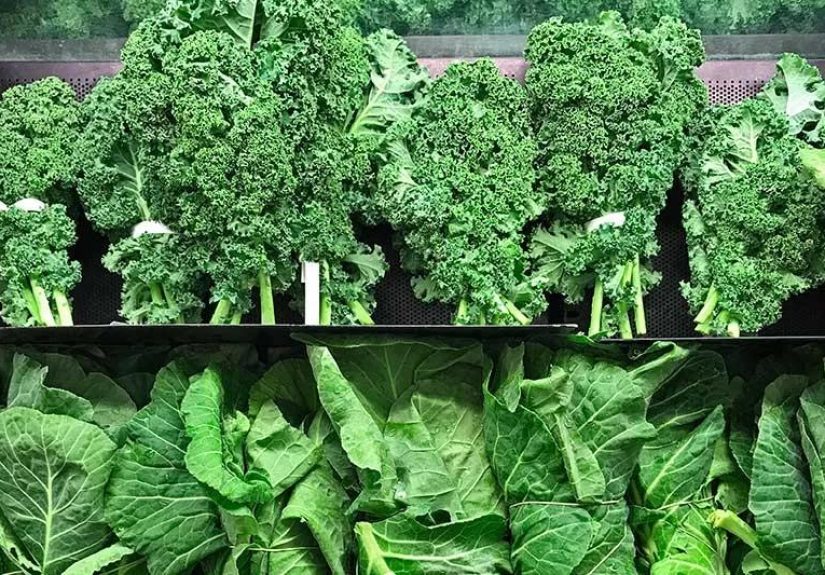
One of the most common experiences people have with vitamin K2 foods is realizing that the list looks very different from the foods they expected. Many assume the answer will be spinach, kale, or broccoli. Those are excellent vitamin K foods, but they mainly deliver K1, not K2. That surprise often sends people into a mild nutrition identity crisis. “You mean I memorized the leafy greens section for nothing?” Not for nothing, but for a different branch of the family tree.
Another real-life pattern is that people tend to find one K2 food they genuinely enjoy and then build from there. Someone who will never touch natto might happily eat eggs several times a week. Another person may discover kefir in a smoothie and suddenly feel like the kind of person who owns a very organized refrigerator. Others realize that small amounts of aged cheese can make healthy meals feel more satisfying, which makes consistency easier.
Natto, in particular, produces strong reactions. Some first-timers are surprised by the sticky strings and assertive smell, while others end up loving the savory, fermented flavor once they stop expecting it to behave like regular soybeans. That seems to be the big lesson with many vitamin K2 foods: expectations matter. If you approach natto like a normal side dish, you may panic. If you approach it like a traditional fermented specialty with a distinct texture, the experience becomes more interesting and less alarming.
People also often notice that the most realistic vitamin K2 habits are the boring ones, not the dramatic ones. Adding an egg to breakfast, using kefir in a smoothie, or keeping sauerkraut in the fridge is more sustainable than buying six niche products and pretending you are about to reinvent your life by Tuesday. In practice, dietary change tends to work best when it feels ordinary. The humble routines win.
There is also a learning curve around balance. Many vitamin K2 foods are rich, salty, or both, so people quickly discover that “contains K2” is not the same as “eat endlessly.” A charcuterie board can have some K2-rich foods on it, yes, but that does not transform it into a wellness retreat. The better experience usually comes from combining K2 foods with produce, whole grains, legumes, and lean proteins, rather than chasing one nutrient like it owes you money.
Finally, people who take medications that interact with vitamin K often describe the experience as less about avoidance and more about steadiness. Instead of fearing every food with K in its name, they learn to keep intake consistent and communicate with their healthcare team. That mindset is far more helpful than trying to eat “perfectly.” Nutrition rarely rewards panic. It usually rewards patience, patterns, and meals that make sense in the real world.
Final Thoughts
If you are looking for foods high in vitamin K2, the best places to start are fermented soy, fermented dairy, certain cheeses, eggs, and some meats. Natto is the standout, but you do not have to become a natto evangelist overnight to improve your diet. Everyday options like eggs, kefir, chicken, sauerkraut, and moderate portions of Gouda can make vitamin K2 much more accessible.
The biggest takeaway is simple: vitamin K2 matters, but context matters too. Choose foods that fit your overall eating pattern, not just your latest nutrient obsession. Your healthiest diet is usually the one you can actually live with, enjoy, and repeat without needing a motivational speech before lunch.