Table of Contents >> Show >> Hide
Rice has earned permanent residency in kitchens everywhere for one simple reason: it shows up, behaves itself, and plays nicely with almost every meal. Stir-fries? Sure. Burrito bowls? Absolutely. Curry night? Rice is basically already at the table. But if you want more fiber, more protein, more vegetables, or just a side dish that doesn’t feel like the same old fluffy white encore, it may be time to branch out.
That does not mean rice is “bad.” Far from it. Rice can fit into a healthy eating pattern, especially when portions make sense and the rest of the plate includes protein, vegetables, and healthy fats. Still, many rice substitutes bring something different to the party. Some are whole grains with more fiber and nutrients than refined white rice. Some are legumes that boost protein and help you stay full longer. Others are vegetable-based swaps that lighten up a meal without leaving you hungry and offended.
Below are 11 healthy rice substitutes that can work for different goals, whether you want a lower-carb option, a gluten-free grain, a meal-prep-friendly base, or simply a way to stop eating the same thing every Tuesday and pretending it is “variety.”
Why Swap Rice in the First Place?
The smartest reason to swap rice is not food fear. It is food strategy. Whole grains generally offer more fiber and nutrients than refined grains, while vegetables and legumes can help build a more balanced plate. If you are trying to improve fullness, support steadier energy, eat more plants, or add variety to your meals, changing your grain base is an easy win.
Different substitutes solve different problems. Quinoa and lentils bring protein. Cauliflower rice and riced broccoli lower the calorie load while adding vegetables. Barley, bulgur, and farro give you that pleasantly chewy, hearty grain experience that makes lunch feel like an actual meal instead of an edible shrug. The best substitute depends on what you are cooking and what your body needs.
11 Healthy Rice Substitutes to Try
1. Quinoa
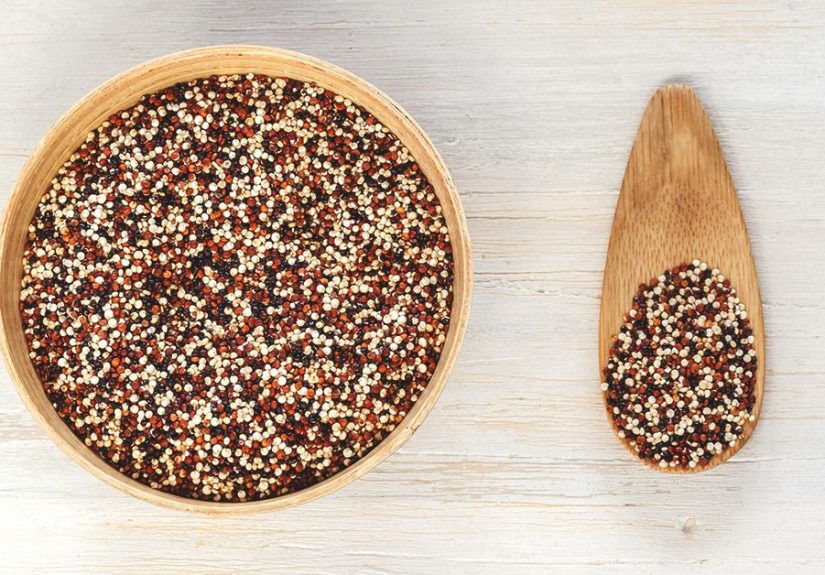
Quinoa is the overachiever of the grain bowl world. Technically a seed but commonly used like a grain, it is a strong pick if you want a rice substitute with more protein and fiber. It also cooks fairly quickly and has a light, slightly nutty flavor that works with everything from roasted vegetables to grilled chicken to taco bowls.
One reason quinoa stands out is that it is a complete protein, which is rare in plant foods. It is also naturally gluten-free, making it a useful option for people who avoid wheat, barley, and rye. Use it when you want a fluffy base that feels familiar but more substantial than white rice.
2. Cauliflower Rice
Cauliflower rice is what happens when a vegetable puts on a grain costume and totally pulls it off. It is made by grating or processing cauliflower into rice-sized pieces, then lightly cooking it until tender. The result is not a perfect rice clone, but it is a fantastic low-carb, veggie-packed stand-in.
Cauliflower rice works especially well in stir-fries, burrito bowls, fried “rice,” and anywhere bold sauces do the heavy lifting. It is also a smart choice when you want to add volume to a meal without piling on extra starch. For the best texture, cook it briefly and avoid oversteaming it into a sad, soggy cloud.
3. Farro
Farro is hearty, chewy, and deeply satisfying. If rice feels too soft and quinoa feels too delicate, farro may be your sweet spot. This ancient wheat grain has a pleasantly nutty flavor and holds its texture beautifully, so it is excellent in grain bowls, soups, and meal-prep salads.
Farro is a particularly good choice when you want a rice substitute that feels filling and substantial. It pairs well with mushrooms, roasted squash, leafy greens, lemony dressings, and grilled salmon. Just note that farro contains gluten, so it is not appropriate for gluten-free diets.
4. Barley
Barley deserves more love than it gets. It is chewy, mild, budget-friendly, and incredibly versatile. It works well in soups, pilafs, stuffed peppers, and warm grain salads. If you like the idea of rice but want something with more texture and fiber, barley is worth a regular spot on your grocery list.
Pearled barley is more common and cooks faster, while hulled barley is less processed and usually takes longer. Either way, barley brings a comforting, sturdy quality to meals and can make a simple vegetable-and-protein dinner feel much more complete. Like farro and bulgur, though, it contains gluten.
5. Bulgur
Bulgur is one of the easiest whole-grain swaps if you are short on time. Because it is partially cooked before packaging, it often cooks faster than rice and can even be softened with hot water in some recipes. That makes it ideal for weeknights when everyone is hungry and patience has left the building.
Bulgur has a mild, slightly nutty flavor and is famous in dishes like tabbouleh, but it also works beautifully as a base for bowls, stuffed vegetables, and Mediterranean-style meals. It is especially useful when you want a whole grain that is simple, affordable, and not trying to become your entire personality.
6. Lentils
Lentils are not grain-shaped, but they absolutely deserve a spot on this list. They are one of the most practical rice substitutes because they add protein, fiber, and serious staying power. If your usual rice-based meal leaves you raiding the pantry an hour later, lentils can help fix that.
Brown and green lentils hold their shape well, making them great for bowls and side dishes. Red lentils break down more easily, so they are better for soups and stews. Lentils pair especially well with curry, roasted vegetables, tomato-based sauces, and hearty salads. They also bring an earthy flavor that makes simple meals taste more grounded and satisfying.
7. Millet
Millet is a naturally gluten-free grain with a mild, slightly sweet flavor. It can be fluffy like rice or creamier like porridge depending on how you cook it. That flexibility makes it a useful pantry backup when you want something gentle in flavor and easy to pair with different cuisines.
Millet is great with sautéed vegetables, beans, baked tofu, or grilled shrimp. If you toast it briefly before simmering, the flavor becomes nuttier and more interesting. For people who want a grain alternative beyond quinoa but still need something gluten-free, millet is a strong contender.
8. Riced Broccoli
Riced broccoli is cauliflower rice’s greener, slightly bolder cousin. It is made the same way, but it brings a bit more texture and a more assertive vegetable flavor. That can be a good thing if you actually want your rice substitute to taste like a real vegetable and not a polite blank canvas.
This swap works best in savory dishes with garlic, ginger, sesame, soy sauce, chili crisp, or lemon. It is a great way to increase vegetable intake without forcing yourself to chew through another giant salad. For people who get bored with cauliflower rice, broccoli rice keeps the concept fresh.
9. Buckwheat Groats
Despite the name, buckwheat is not wheat. It is naturally gluten-free and has a rich, earthy flavor that makes it feel more robust than white rice. Cooked buckwheat groats, also called kasha in some forms, are tender with a little bite and work beautifully in savory bowls and side dishes.
Buckwheat is a smart choice when you want a warm, comforting base with more personality than standard rice. It pairs well with mushrooms, caramelized onions, roasted root vegetables, eggs, and simple vinaigrettes. It is not as neutral as rice, but that is exactly why some people end up loving it.
10. Wild Rice
Wild rice is not actually rice in the botanical sense, but in the kitchen it behaves like a wonderfully dramatic cousin. It is chewy, nutty, and deeply flavorful, which means it can carry a meal instead of disappearing into the background. It is especially good in soups, holiday side dishes, and mixed grain bowls.
Because wild rice has such a distinctive texture, many people like combining it with other grains or vegetables. Mix it with mushrooms and herbs for a hearty side, or toss it into a salad with apples, pecans, and goat cheese if you want lunch to feel suspiciously elegant.
11. Chickpea Rice or Chickpeas
Chickpea-based rice alternatives have become more common, and regular chickpeas themselves can also stand in for rice in bowls and salads. Either way, this swap brings more protein and fiber than white rice and can make vegetarian meals much more filling.
Chickpea rice works well when you still want a rice-like shape. Whole chickpeas are better when you want texture and bite. They are excellent in curry bowls, Mediterranean plates, grain salads, and taco-inspired meals. If your goal is fullness and blood sugar-friendly balance, chickpea-based options are a smart move.
How to Choose the Best Rice Substitute for Your Goal
If you want more protein, start with quinoa, lentils, or chickpeas. If you want more vegetables and fewer calories, go with cauliflower rice or riced broccoli. If you want a whole-grain swap with a satisfying chew, pick farro, barley, bulgur, millet, or wild rice. If you need gluten-free options, quinoa, millet, buckwheat, cauliflower rice, broccoli rice, lentils, chickpeas, and wild rice are usually safe choices, while farro, barley, and bulgur are not.
Also, think about the dish. A curry can support lentils, quinoa, or cauliflower rice. A cold lunch salad loves farro, bulgur, or wild rice. A stir-fry works beautifully with cauliflower or broccoli rice. A grain bowl is happy with almost all of them. The most “healthy” substitute is usually the one that fits the meal well enough that you actually want to eat it again.
What to Keep in Mind Before Making the Swap
Healthy does not mean unlimited. Portion size still matters, especially with calorie-dense grains and legumes. It also helps to ease into higher-fiber foods if your usual diet is low in fiber. Going from white rice every night to a mountain of lentils and barley can be a digestive adventure you did not schedule.
Finally, do not turn dinner into a moral test. Some nights call for wild rice and roasted vegetables. Some nights call for plain white rice because life is loud and the stir-fry is already on fire. Balance beats perfection. The goal is to add more smart options, not declare war on your pantry.
Real-Life Experiences With Healthy Rice Substitutes
In real kitchens, switching from rice is usually less dramatic than people expect. The biggest surprise for many is that the right substitute depends less on nutrition headlines and more on what kind of eater you are. People who love a soft, neutral base often warm up quickly to quinoa or millet because those options still behave a lot like rice. People who want a more filling meal tend to notice that farro, barley, and lentils keep them satisfied longer, especially at lunch. That “I am hungry again at 3 p.m.” feeling often fades when a meal includes more fiber, protein, or both.
Vegetable swaps create a different kind of experience. Cauliflower rice and riced broccoli can be genuinely helpful, but only when expectations are realistic. Most people who hate them were promised they would taste “just like rice,” which is a little like telling someone a raincoat feels just like a tuxedo. The better approach is to treat them as their own thing: a light, fast-cooking vegetable base that works especially well under saucy dishes, taco bowls, and stir-fries. Once people stop expecting a clone, they often enjoy them much more.
Meal prep is another place where these substitutes change the experience of eating. Quinoa, farro, barley, lentils, and wild rice hold up well in the refrigerator, which makes weekday lunches easier and less boring. A bowl built on one of those ingredients tends to stay interesting because the textures remain pleasant, even after a night in the fridge. White rice can do this too, of course, but sturdier grains often feel more satisfying in cold or reheated meals.
Flavor is also part of the learning curve. Rice is famously neutral. Buckwheat, wild rice, barley, and farro are not. They bring personality. For some people, that is the whole appeal. For others, it takes a meal or two to adjust. The trick is to match the substitute to the cuisine. Wild rice shines with herbs, mushrooms, and roasted vegetables. Bulgur fits beautifully in Mediterranean meals. Lentils love curry spices, tomatoes, garlic, and lemon. When the pairing makes sense, the substitute feels intentional instead of random.
Many home cooks also discover that the best strategy is not replacing rice all the time, but rotating it. Maybe one night is jasmine rice, the next is quinoa, then cauliflower rice in a burrito bowl, and farro in a lunch salad. That rhythm tends to feel sustainable. It improves variety, expands nutrient intake, and keeps meals from getting stale without turning dinner into a nutrition seminar. And honestly, that may be the best experience of all: eating healthier without feeling like you are being punished by your side dish.
Conclusion
The best healthy rice substitute is not the trendiest one on social media or the one hiding in the fanciest bag on the top grocery shelf. It is the one that fits your goals, tastes good with the meal you are making, and helps you build a plate with more balance. Quinoa, lentils, barley, bulgur, farro, millet, buckwheat, wild rice, chickpeas, cauliflower rice, and broccoli rice all bring something useful to the table. Try a few, mix and match, and let your meals get a little more interesting. Your dinner routine has had a good run, but it does not need to be a one-rice show forever.