Table of Contents >> Show >> Hide
- Before We Start: Why Tiny Laundry Choices Matter
- 1) Overloading the Washer (a.k.a. “One More Hoodie Syndrome”)
- 2) Using Too Much Detergent (More Soap ≠ More Clean)
- 3) Ignoring Care Labels (Those Tiny Tags Are Basically Legal Documents)
- 4) Washing Everything in Hot Water (Heat Is Not a Personality Trait)
- 5) Skipping the Sort (Color Bleeding Is Not a Fun Surprise)
- 6) Leaving Zippers Open, Buttons Unfastened, and Clothes Right-Side-Out
- 7) Throwing Delicates in with Everything Else (The Spin Cycle Is Not Gentle Parenting)
- 8) Pouring Bleach (or “Power Products”) Directly on Fabric
- 9) Tossing Stained Clothes in the Dryer Before the Stain Is Gone
- 10) Over-Drying (or Drying Everything on High Heat Like It’s a Challenge)
- 11) Using Fabric Softener on the Wrong Items (Soft Isn’t Always Better)
- A Simple “Do This, Not That” Laundry Cheat Sheet
- Conclusion: Keep Your Clothes Looking New Without Doing Anything Extra Fancy
- Real-Life Laundry Experiences: The Lessons People Learn the Hard Way (500+ Words)
Laundry looks harmless. It’s just soap, water, and the gentle hum of a machine doing your chores for you.
But laundry is also the place where perfectly good clothes go to get faded, stretched, pilled, shrunk, or
mysteriously “textured” (aka damaged) without a single dramatic moment.
The good news: most clothing casualties aren’t caused by “bad fabric” or “cheap brands.” They’re caused by a
handful of repeat-offender laundry mistakesusually made while multitasking, half-asleep, or confidently guessing.
Below are 11 common missteps laundry pros warn about, plus the simple fixes that keep your clothes looking newer,
longer (and keep your washer from smelling like a swamp creature’s gym bag).
Before We Start: Why Tiny Laundry Choices Matter
Fabric is basically a tiny engineered structure: threads twisted into yarns, yarns knitted or woven into cloth,
and cloth finished to feel soft, stretchy, crisp, or drapey. Heat, friction, harsh chemicals, and leftover residue
can weaken those fibers over time. That’s how a favorite tee goes from “buttery soft” to “paper towel chic,” and
why your black jeans eventually look like they’ve been through an existential crisis.
Think of this article as a “clothes preservation plan.” Your closet will thank you. Your wallet will also thank you.
Your dryer lint filter? It’s just happy to be acknowledged.
1) Overloading the Washer (a.k.a. “One More Hoodie Syndrome”)
Stuffing the drum to the brim doesn’t save timeit trades time for disappointment. Clothes need room to move so
detergent and water can circulate, rinse, and release soil. When the load is jam-packed, dirt and detergent can
get trapped in folds, and fabrics rub harder against each other, increasing wear.
Do this instead
- Fill the washer loosely, not tightly. You should still be able to see space at the top of the drum.
- Wash bulky items (towels, hoodies, blankets) in smaller loads so they can actually rinse and spin properly.
- If your machine thumps like it’s auditioning for a drumline, the load is likely unbalancedredistribute it.
Example: A load packed with denim, sweatshirts, and towels can grind seams and trap detergent, leaving
clothes stiff or streaky. Split it into two loads and everything comes out cleanerand calmer.
2) Using Too Much Detergent (More Soap ≠ More Clean)
This is the #1 “I swear I’m helping” mistake. Modern detergents are concentrated; extra detergent can leave a film
that attracts dirt, dulls colors, and traps odors. It can also make fabrics feel stiff and cause build-up inside
the washer. If you’re chasing that “fresh laundry” smell by pouring like you’re seasoning a soup, your clothes may
be getting the opposite of fresh.
Do this instead
- Follow the detergent label and your washer manualespecially for high-efficiency machines.
- If you have soft water, you usually need even less detergent (soft water makes suds more easily).
- If clothes feel filmy or towels stop absorbing, cut detergent back and run an extra rinse occasionally.
Pro tip: If your detergent cap has measurement lines, use them. If it doesn’t, consider that a clue:
“Eyeballing it” is how detergent becomes a lifestyle.
3) Ignoring Care Labels (Those Tiny Tags Are Basically Legal Documents)
Care labels aren’t decorative. They tell you the safest water temperature, drying method, and whether the fabric
can handle bleach, heat, or agitation. Ignoring them is how sweaters shrink into crop tops and “dry clean only”
becomes “dry cry only.”
Do this instead
- Check the label the first time you wash a new itemespecially anything wool, silk, linen, or stretchy.
- Take a quick phone photo of confusing symbols so you don’t have to re-learn laundry hieroglyphics every time.
- When in doubt, use cold water and a gentle cycle, then air-dry.
4) Washing Everything in Hot Water (Heat Is Not a Personality Trait)
Hot water can be useful for heavily soiled whites, bedding, and certain stainsbut it’s not automatically better.
Heat can fade dyes, shrink cotton, weaken elastic, and make some stains set more firmly. For many everyday loads,
cold or warm water is gentler and still effective with today’s detergents.
Do this instead
- Cold: darks, brights, activewear, delicates, and anything you don’t want to fade.
- Warm: everyday clothes, sheets, and moderately soiled loads.
- Hot: whites, heavily soiled items, and sanitizing situations (when fabric allows).
Example: Washing a dark graphic tee in hot water can turn “jet black” into “sad charcoal” faster than
you can say “Why does this look vintage now?”
5) Skipping the Sort (Color Bleeding Is Not a Fun Surprise)
Sorting isn’t about perfectionit’s about protecting your fabrics. Dyes can transfer, heavy items can abrade lighter
ones, and lint-producing fabrics can cling to everything like a needy friend. Even basic sorting reduces wear and keeps
colors crisp.
Do this instead
- At minimum: separate whites, darks, and brights.
- Also separate by texture: wash towels and fleece away from items that attract lint.
- Wash rough items (jeans, garments with zippers) away from delicate knits and lightweight tops.
Shortcut: Use two hampers: “lights” and “darks.” It’s the lazy genius approach to sorting.
6) Leaving Zippers Open, Buttons Unfastened, and Clothes Right-Side-Out
Hardware is basically tiny sandpaper. Open zippers can snag knits, hooks can catch lace, and heavy friction on the
outside of garments can fade prints and cause pilling. Turning items inside out reduces surface abrasion and protects
details like graphics, embroidery, and dark dyes.
Do this instead
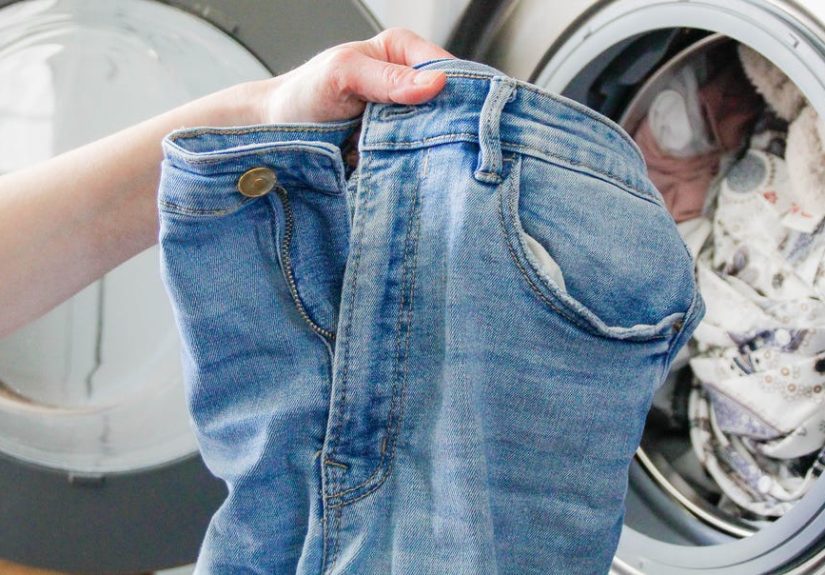
- Zip zippers, fasten hooks, and button buttons (especially on jeans and jackets).
- Turn darks, printed tees, and embellished items inside out.
- Use a mesh bag for anything with straps, delicate lace, or “snag me, I dare you” details.
Example: A hoodie zipper can shred a lightweight tee in one wash cycle. It’s not personal. It’s physics.
7) Throwing Delicates in with Everything Else (The Spin Cycle Is Not Gentle Parenting)
Delicates don’t just mean lingerie. Fine knits, lace, bras, silky blouses, and anything with straps or fragile seams
can stretch, tangle, or snag in a regular load. Agitation is great for towels; it’s chaos for lace.
Do this instead
- Use a mesh laundry bag for delicates, bras, and small items with straps.
- Choose a gentle or delicate cycle with cold water when the fabric calls for it.
- Air-dry when possibleheat can warp elastic and change shape.
8) Pouring Bleach (or “Power Products”) Directly on Fabric
Bleach can be useful, but it’s also extremely good at ruining clothes when used incorrectly. Pouring bleach directly
onto fabric can cause instant discoloration or weaken fibers. And mixing bleach with the wrong products can create
dangerous fumes. Your laundry room should not double as a chemistry lab.
Do this instead
- Dilute bleach properly and add it to the water (or the designated dispenser) before clothes go in.
- Only use chlorine bleach on fabrics and colors that can handle itmany items cannot.
- Never mix bleach with ammonia, vinegar, or other cleaners.
Example: One careless bleach splash can turn a white tee into a polka-dot “art project.”
If that’s your aesthetic, congratulations. If not, slow down.
9) Tossing Stained Clothes in the Dryer Before the Stain Is Gone
Heat sets many stains, making them far harder to remove. If a stain is still visible after washing, the dryer can
lock it in like it signed a lease. This is especially common with grease, makeup, grass, and mystery stains of unknown
origin (the most powerful kind).
Do this instead
- Check stained areas before dryinggood lighting helps.
- If the stain remains, re-treat and rewash. Air-dry while you troubleshoot.
- For “unknown stains,” start with cold water and a gentle stain remover approach first.
Reality check: The dryer doesn’t remove stains. It just makes them permanent.
10) Over-Drying (or Drying Everything on High Heat Like It’s a Challenge)
Over-drying can shrink cotton, damage elastic, fade colors, and contribute to pilling and premature wear. High heat is
especially rough on activewear, stretchy jeans, bras, and anything “performance” that relies on special fibers and finishes.
If your clothes come out feeling like toast, it might be time to adjust.
Do this instead
- Use lower heat for most loads and reserve high heat for sturdy items like towels (when needed).
- Pull clothes out while slightly damp and finish air-drying to reduce shrink and wrinkles.
- Separate lightweight items from heavy ones so small tees don’t get baked while towels finish drying.
Example: Leggings that fit perfectly today can become “why are you so tight now?” tomorrow if dried on high heat repeatedly.
11) Using Fabric Softener on the Wrong Items (Soft Isn’t Always Better)
Fabric softener can leave a coating that reduces absorbency and affects performance fabrics. Towels can become less
thirsty (tragic), microfiber can lose effectiveness, and athletic wear can trap odors. Softener can also build up on dryer
lint screens over time, slowing airflow and making drying less efficient.
Do this instead
- Skip softener for towels, microfiber, and many performance/athletic fabrics.
- If you want softness, try dryer balls or occasional white vinegar in the rinse (when fabric and washer allow).
- If you’ve used dryer sheets for a long time, wash the lint screen periodically with warm, soapy water to remove residue.
Quick test: If towels stop absorbing water and start smearing it around like a reluctant squeegee, softener build-up is a prime suspect.
A Simple “Do This, Not That” Laundry Cheat Sheet
- Not: Stuffing the washer to the ceiling. Instead: Give clothes room to move.
- Not: Doubling detergent “just in case.” Instead: Use the recommended amount (often less).
- Not: Hot water for everything. Instead: Match temp to fabric and soil level.
- Not: Drying stains into permanence. Instead: Re-treat before heat.
- Not: Softener on everything. Instead: Use it selectively (or skip it).
Conclusion: Keep Your Clothes Looking New Without Doing Anything Extra Fancy
Great laundry isn’t about buying the most expensive detergent or mastering a secret handshake. It’s about reducing
friction, controlling heat, using the right amount of product, and letting fabrics live the life their care labels
intended. If you fix just two habitsstop overloading and stop overdosing detergentyou’ll likely notice
cleaner clothes, fewer odors, softer towels (the naturally soft kind), and a longer lifespan for the items you actually like wearing.
And if you do everything perfectly and still ruin something… congratulations, you’re officially human. Laundry is
relentless. But now you’re at least armed.
Real-Life Laundry Experiences: The Lessons People Learn the Hard Way (500+ Words)
Laundry advice is everywhere, but the best teacher is often one very specific disaster. Not because anyone loves a
laundry failno one wants to mourn a favorite sweaterbut because those “never again” moments stick.
The “Why Are My Towels Repelling Water?” Era
Plenty of households go through a phase where towels look fluffy but behave like they’re hydrophobic. You step out of
the shower, grab a towel, and instead of absorbing water, it sort of pushes it around like a polite broom.
That’s usually when people discover that fabric softener and dryer sheets can leave a coating that reduces absorbency.
The fix tends to be simple: stop using softener on towels, wash them separately, and let them recover their dignity over
a few cycles. Some people switch to dryer balls and never look back. Others keep softener for certain cotton clothing and
treat towels like the working-class heroes they are.
The “One Giant Load to Save Time” Myth
Another common story: someone lets laundry pile up, then decides to conquer it in one heroic mega-load. The washer is
packed, the door barely closes, and the cycle ends with clothes still smelling weirdly “not clean.” Sometimes there’s
detergent residue. Sometimes the load is unbalanced and the spin is half-hearted. The result is a second washwhich
defeats the whole time-saving plan in the first place.
The lesson most people take away is surprisingly freeing: smaller loads are faster overall because they actually rinse,
spin, and dry properly. It’s the difference between “laundry as a marathon” and “laundry as a series of short, winnable
missions.”
The Mystery Stain That Became a Permanent Roommate
Many people have experienced this exact sequence: stain appears, item gets washed, stain is “probably gone,” item goes
into the dryer, and thenunder the bright light of dayit’s still there. Forever. Heat can set a stain, and that’s why
laundry pros always tell you to check before drying. Once someone has “baked in” a stain, they typically become
intensely vigilant: they inspect collars, underarms, and knees like a detective, then air-dry anything suspicious.
The funny part is how quickly this changes habits. After one permanent stain incident, people suddenly become the kind
of person who owns a stain remover stick and isn’t afraid to use it.
The Great Shrinkage Incident
Shrinkage stories are practically a laundry genre. A “warm wash and high heat dry” routine might work for sturdy
basics, but it can turn cotton knits smaller, warp elastics, and ruin the fit of clothes that were perfect yesterday.
After one dramatic shrink event, people often adopt a new strategy: cold water for most loads and lower dryer heat
for anything they actually care about.
What These Experiences Have in Common
The pattern is always the same: the most damaging laundry mistakes are the ones that feel efficient in the moment.
More detergent feels thorough. Bigger loads feel productive. Higher heat feels decisive. But the long-term result is
duller colors, rougher fabric, stubborn odors, and clothes that retire early.
If you want your wardrobe to last, the “real-life” approach is also the simplest: treat clothes gently, use less
detergent than you think, and don’t let heat do more work than it needs to. Your future selfstanding in front of a
closet full of still-nice clotheswill be genuinely grateful.