Table of Contents >> Show >> Hide
- 1) Treat Your Garden Like Real Estate: Map Sun, Wind, and Water First
- 2) Build One Raised Bed and Use a Grid (Square-Foot Style)
- 3) Go Container-Heavy (But Match Pot Size to Plant Ambition)
- 4) Grow Up: Trellises, Cages, and Vertical Frames
- 5) Use Succession Planting Like a “Second Harvest” Button
- 6) Interplant Fast Crops Between Slow Crops
- 7) Choose Compact, Dwarf, or “Patio” Varieties on Purpose
- 8) Prioritize High-Yield, High-Turnover Crops
- 9) Mix Edibles into Ornamental Beds (and Use Edges Like Bonus Space)
- 10) Extend the Season with Small-Scale Protection
- 11) Upgrade Watering: Drip Irrigation + Mulch = Less Work, More Harvest
- Quick “Max Harvest” Layout Ideas for Tiny Spaces
- Conclusion: Small Garden, Big Harvest Energy
- Extra: Real-World Small-Garden Experiences (The Stuff People Learn the Hard Way)
A small vegetable garden can be wildly productivelike “I only planted three things and now my neighbors avoid eye contact”
productive. The trick isn’t magic fertilizer or whispering affirmations to your tomatoes (though honestly, it can’t hurt).
It’s design: using space efficiently, planting with intention, and keeping your garden working in shifts instead of taking long breaks.
Below are 11 small vegetable garden ideas that help you squeeze more food out of limited square footagewhether you’ve got a patio,
a narrow side yard, a tiny raised bed, or a “garden” that’s really just a few pots that you swear are a lifestyle choice.
1) Treat Your Garden Like Real Estate: Map Sun, Wind, and Water First
In small spaces, every plant has to “earn its rent.” Before you buy seeds, spend a day noticing where the sunlight actually lands.
Morning sun and afternoon shade are different vibes. Windy corners dry out containers fast. And if your hose hookup is on the opposite
side of the house, your garden will mysteriously become less appealing in July. (Science.)
How to use this idea
- Put tall crops on the north side of a bed so they don’t shade the rest.
- Use the sunniest spot for fruiting crops like tomatoes, peppers, cucumbers, and eggplant.
- Reserve partial shade for greens (lettuce, spinach, arugula) so they bolt less in heat.
This one changeplanting for your microclimate instead of wishful thinkingcan noticeably boost harvest in a tiny garden.
2) Build One Raised Bed and Use a Grid (Square-Foot Style)
A raised bed is the small-garden power move: better drainage, easier soil improvement, fewer weeds, and a defined space that’s simple
to intensively plant. Add a grid (string or thin wood slats) and you’ve got a built-in spacing system that helps prevent the classic
beginner mistake: either planting too far apart (wasted space) or too close (plants competing like siblings in a back seat).
Small-space example: a 4′ x 4′ raised bed
Divide it into sixteen 1′ squares. Now you can mix crops without turning the bed into chaos:
- North edge: trellis with 2 squares of pole beans or cucumbers
- Middle: basil + compact peppers
- South edge: fast greens (leaf lettuce, spinach) and radishes
The grid makes crop rotation and succession planting easier toowhen one square finishes, it immediately gets “reassigned.”
3) Go Container-Heavy (But Match Pot Size to Plant Ambition)
Containers are perfect for balconies, patios, driveways, and renters who can’t dig up a yard. But “container gardening” isn’t one
thingit’s a spectrum that ranges from “cute herb pot” to “this tomato needs its own zip code.”
Container rules that actually matter
- Use pots with drainage holes. (Plants cannot swim their way to a better yield.)
- Choose the right size: bigger pots dry out slower and support larger root systems.
- Use potting mix (not heavy garden soil) for better aeration and drainage.
Smart container picks for small gardens
- 5-gallon+ containers: tomatoes, peppers, eggplant (usually one plant per pot)
- 1–3 gallon containers: leafy greens, herbs, radishes, green onions
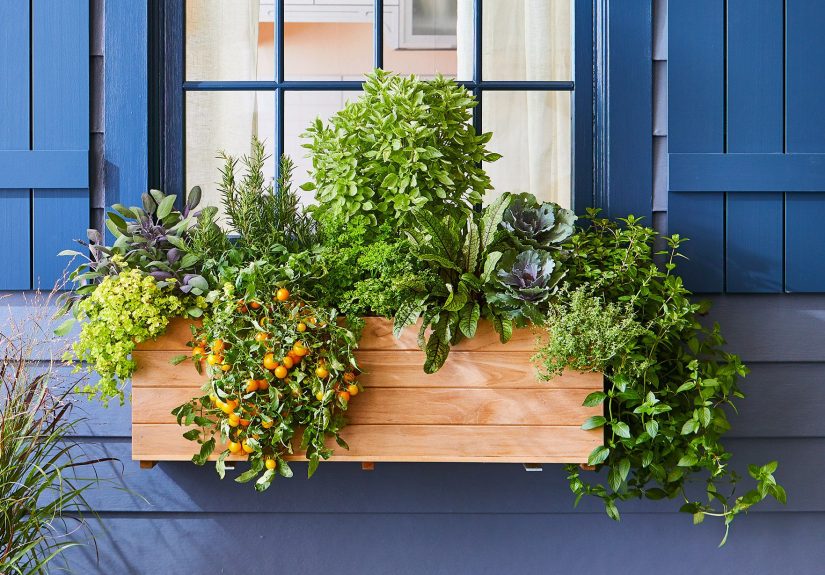
- Window boxes: lettuce mixes, arugula, baby kale, shallow-rooted herbs
Containers also let you “move the garden” to chase sunlightan underrated advantage when nearby trees or buildings throw shade.
4) Grow Up: Trellises, Cages, and Vertical Frames
If you want more food without more land, vertical gardening is your best friend. Vining crops that sprawl across the ground can be
trained upward, turning empty air into productive growing space. As a bonus, fruit often stays cleaner and can be easier to harvest.
Great candidates for vertical growing
- Cucumbers (vining types)
- Pole beans and many peas
- Small-fruited squash trained carefully (with support)
- Indeterminate tomatoes on sturdy cages or stakes
Small-space setup tip
Put trellises on the north side of beds and place shade-tolerant crops nearby. This avoids accidental shading of sun-lovers
while making the most of the micro-shade the trellis creates.
5) Use Succession Planting Like a “Second Harvest” Button
Succession planting means you don’t plant everything once and then watch half your bed sit empty later. You stagger plantings or
replace finished crops with new oneskeeping your limited space productive for more of the season.
Two easy succession strategies
- Stagger sowing: plant small amounts every 7–14 days for a steady harvest (especially greens and radishes).
- Follow-on planting: when one crop finishes, replant the space immediately with another crop suited to the season.
Example succession plan (simple but effective)
- Early spring: spinach + radishes
- Late spring: bush beans
- Late summer: more greens (or fast beets) for fall harvest
A small garden becomes dramatically more productive when you stop thinking in “plants” and start thinking in “calendar slots.”
6) Interplant Fast Crops Between Slow Crops
Interplanting is the art of letting two crops share the same space without fighting like roommates. You pair a slow-growing crop
(that needs time to size up) with a fast crop (that’s harvested before the slow one needs the room).
Interplanting combos that work well
- Carrots + radishes: radishes come out early while carrots keep developing.
- Broccoli + lettuce: lettuce can grow in cooler, moister conditions while broccoli gets established.
- Onions + lettuce: vertical onion leaves take little horizontal space.
In a small bed, interplanting reduces bare soil, which can also lower weeds and improve soil moisture retention.
7) Choose Compact, Dwarf, or “Patio” Varieties on Purpose
Many vegetables come in space-saving forms: bush beans instead of pole beans, patio tomatoes instead of sprawling monsters, compact
zucchini varieties bred for containers, and dwarf herbs that behave better in tight quarters.
What to look for on seed packets and plant labels
- “Bush” (beans, cucumbers, squash): typically takes less space
- “Determinate” (tomatoes): more compact growth habit
- “Patio,” “dwarf,” “compact,” or “container-friendly”: usually bred for small spaces
A tiny garden thrives when every plant is selected for the conditions you actually havenot the conditions you wish you had.
8) Prioritize High-Yield, High-Turnover Crops
If your goal is maximum harvest, focus on crops that either produce a lot per square foot or can be harvested repeatedly.
Big-space crops can still be grownjust be strategic.
High-return choices for small gardens
- Leafy greens: “cut-and-come-again” harvesting can stretch one planting for weeks.
- Herbs: basil, parsley, cilantro (bonus: expensive at the store, easy to justify growing).
- Cherry tomatoes: often high-yield on a trellis or cage.
- Peppers: long harvest window, great container crop.
- Green onions: quick, space-efficient, and forgiving.
Be careful with “space hogs”
Watermelon, pumpkins, and big winter squash can dominate small beds. If you love them, grow one plant vertically with strong
support, or dedicate a single large container and accept the tradeoff.
9) Mix Edibles into Ornamental Beds (and Use Edges Like Bonus Space)
Not every vegetable needs its own dedicated plot. Many edibles look good enough to live among flowers and shrubsespecially herbs,
leafy greens, and compact peppers. Edges are prime real estate in small gardens: borders can hold lettuces, scallions, or herbs without
stealing core bed space.
Easy ways to blend edibles into landscaping
- Plant basil and parsley as “green filler” plants near flowers.
- Use rainbow chard as a colorful ornamental-edible combo.
- Edge a walkway bed with lettuce mixes in spring and fall.
If your space is limited, your garden design should be flexible enough to let vegetables show up wherever they fit.
10) Extend the Season with Small-Scale Protection
In a small garden, season extension is basically a yield multiplier. A simple frost cloth, cloche, or low tunnel can protect plants
from cold snaps, help seedlings establish earlier, and keep fall crops going longer.
Low-effort season extension options
- Floating row cover: lightweight fabric draped over plants (often supported by hoops).
- Cloches: individual covers for small plants (great for early greens).
- Mini hoop tunnel: hoops + plastic or frost cloth over a bed.
Season extension pairs beautifully with succession planting: you can start earlier, replant midseason, and still finish strong in fall.
11) Upgrade Watering: Drip Irrigation + Mulch = Less Work, More Harvest
Small gardens fail for boring reasonslike inconsistent wateringmore often than for dramatic reasonslike a tomato conspiracy.
Drip irrigation (even a simple DIY setup) delivers water right to the soil, minimizing waste and keeping foliage drier, which can reduce
some disease pressure. Add mulch to slow evaporation, protect soil structure, and keep weeds down.
Watering tactics that boost yield
- Water deeply, not constantly: roots grow where conditions are favorable, and consistent soil moisture helps.
- Mulch after plants are established: straw, shredded leaves, or compost can work well.
- Group thirsty plants together: containers with tomatoes and peppers may need more frequent watering than in-ground beds.
Quick “Max Harvest” Layout Ideas for Tiny Spaces
A) Balcony or patio (6–10 containers)
- 1 large pot: cherry tomato + basil companion pot (basil around the edges)
- 2 medium pots: peppers (one plant each)
- 2 shallow planters: lettuce mix + arugula (succession sow every 2–3 weeks)
- 1 tall pot + trellis: cucumbers (vining type)
- Herb box: parsley, chives, cilantro (rotate cilantro as heat rises)
B) One 4′ x 8′ raised bed (high yield without feeling crowded)
- North side trellis: pole beans or cucumbers
- Center: 2–3 peppers + basil + a compact tomato
- South side: staggered greens + radishes; later replace with bush beans
C) Narrow side yard bed (2′ x 10′)
- Vertical: peas in spring, cucumbers in summer
- Edges: green onions and lettuces
- Middle: peppers or compact eggplant
Conclusion: Small Garden, Big Harvest Energy
The best small vegetable garden ideas all share a theme: make your space work smarter. Build upward with trellises, keep plants rotating
with succession planting, use interplanting to reduce wasted soil, choose compact varieties, and make watering easier than your excuses.
Start with one or two upgrades (vertical growing and succession planting are high-impact), then add the rest as you gain confidence.
Your harvest doesn’t need a huge yardjust a solid plan and a willingness to learn what your garden is trying to tell you.
(Sometimes it’s “more sun.” Sometimes it’s “stop forgetting to water.”)
Extra: Real-World Small-Garden Experiences (The Stuff People Learn the Hard Way)
When gardeners talk about getting big harvests from small spaces, they usually don’t mean they found a secret seed vault guarded by
cheerful gnomes. They mean they made small, practical changesand then watched those changes stack up. Here are a few “real life”
lessons that come up again and again for tiny gardens, especially patio and raised-bed setups.
First, many small-space gardeners discover that watering is the make-or-break habit. In a large in-ground garden,
plants sometimes survive uneven care because the soil holds moisture longer. Containers and raised beds don’t always offer that forgiveness.
On a hot, breezy day, a pot can go from “fine” to “crispy” faster than you can say “I’ll do it after work.” The fix isn’t hovering with
a watering can 24/7it’s building a system: grouping containers by water needs, mulching the surface, and using drip lines or soaker hoses
where possible. Even a simple routine (check moisture every morning for two minutes) can prevent the stress cycles that reduce flowering
and fruit set.
Second, people often underestimate how much vertical support changes the whole garden. The first time you trellis cucumbers
or pole beans in a small bed, it feels like you unlocked a cheat code. You get more usable space at ground level, harvest becomes easier,
and you can actually see developing fruit instead of playing hide-and-seek in a jungle. The most common “oops” here is choosing a trellis
that’s too flimsy. Vines get heavy. Wind happens. A sturdy frame (and early training) saves you from the sad midseason lean of defeat.
Third, there’s the classic lesson of spacing confidence. Beginners often plant too sparsely because it looks neat, or too
tightly because they want “maximum yield.” Intensive spacing worksbut only if you support it with soil fertility and consistent moisture.
When spacing is tight, nutrients and water get used up faster, and plants can’t compensate for stress as easily. Gardeners who succeed
in small spaces usually do one of two things: they enrich soil with compost regularly, or they use a steady, light feeding schedule for
containers and raised beds. They also learn to thin seedlings ruthlessly. You’re not being mean to baby plants; you’re negotiating for
the harvest you want.
Fourth, small gardens teach the art of timing. Succession planting sounds fancy until you realize it’s basically just
“replant when you harvest.” Gardeners who maximize yield often keep a short list of quick crops ready to goradishes, lettuce, arugula,
bush beans, green onionsso empty squares don’t stay empty. They also learn to start some replacements as seedlings while the current crop
is finishing. That way, the transition is fast: harvest, add compost, transplant, water, done. This habit turns a single raised bed into
a season-long production line rather than a one-time event.
Finally, many small-space gardeners learn that perfect is the enemy of productive. Your first attempt may be messy:
lettuce bolting early, a tomato that hogs the bed, an herb that thrives so aggressively it starts paying rent. But those “mistakes” are
actually valuable data. A tiny garden is easy to adjust. You can move containers, switch varieties, add a trellis, or change your planting
schedule without tearing up an acre. Over time, the best small gardens become personal systemscustomized to the sunlight you have, the
foods you actually cook, and the amount of time you realistically want to spend. And that’s the real secret to maximizing harvest:
building a garden you’ll keep showing up for.