Table of Contents >> Show >> Hide
- What “Low Fat” Actually Means (and Why It Can Be Confusing)
- Low Fat vs. “Low Taste”: The Strategy That Works
- 13 Low Fat Foods That Are Good For Your Health
- 1) Leafy Greens (Spinach, Romaine, Kale, Collards)
- 2) Broccoli (and Other Cruciferous Veggies)
- 3) Tomatoes
- 4) Mushrooms
- 5) Sweet Potatoes
- 6) Oats (Oatmeal and Old-Fashioned Oats)
- 7) Brown Rice (and Other Whole Grains Like Barley)
- 8) Beans (Black Beans, Kidney Beans, Pinto Beans, Chickpeas)
- 9) Lentils
- 10) Egg Whites
- 11) White Fish (Cod, Tilapia, Pollock, Haddock)
- 12) Skinless Chicken Breast (or Turkey Breast)
- 13) Plain Nonfat Greek Yogurt
- How to Eat Low Fat Without Feeling Like You’re “On a Diet”
- Common Low Fat Mistakes (So You Don’t Step on the Same Rake Twice)
- Experiences People Commonly Have When They Add More Low Fat Foods (About )
- Conclusion
“Low fat” sounds like the nutrition equivalent of a halo. But in real life, it’s more like a hat: it can be helpful,
it can be silly, and it definitely doesn’t guarantee the outfit makes sense.
Here’s the deal: fat is an essential nutrient, and your body needs it. The goal isn’t to live a fat-free existence
(that would be… bland, and not in the charming way). The goal is usually to limit saturated and trans fats,
keep portions sensible, and build meals around nutrient-dense, mostly whole foods.
What “Low Fat” Actually Means (and Why It Can Be Confusing)
In the U.S., a food labeled “low fat” generally means it contains a small amount of fat per serving,
while “fat-free” means it contains a tiny, nearly negligible amount. That’s useful for label-reading,
but it doesn’t automatically mean the food is “healthy.” A cookie can be low fat and still be a cookie
(delicious, yes; a multivitamin, no).
A smarter approach: focus on naturally low fat foodsfruits, vegetables, legumes, lean proteins,
and certain dairy optionsbecause they bring vitamins, minerals, protein, and fiber along for the ride.
Low Fat vs. “Low Taste”: The Strategy That Works
The best low fat eating plans don’t feel like punishment. They rely on two big ideas:
- Volume + fiber: Many low fat foods are high in water and fiber, which helps you feel satisfied.
- Lean protein: Pairing low fat foods with protein helps keep meals filling and steady.
And one more important note: while lowering saturated fat can support heart health, it’s not the same thing as avoiding all fat.
In many cases, unsaturated fats (like olive oil, nuts, seeds, and fatty fish) are the fats you actually want more of.
Think “choose better fats,” not “fear all fats.”
13 Low Fat Foods That Are Good For Your Health
These foods are naturally low in fat (or commonly available in low fat versions) and bring real nutrition:
fiber, protein, vitamins, minerals, antioxidants, and other good stuff your body actually uses.
1) Leafy Greens (Spinach, Romaine, Kale, Collards)
Leafy greens are basically nature’s “add-on pack” for nutrition: low in fat, high in vitamins and minerals,
and easy to toss into almost anything. Add them to omelets (egg whites work great), soups, wraps, or smoothies.
If salads feel boring, try crunchy romaine with salsa, beans, and a squeeze of limeinstant flavor upgrade.
2) Broccoli (and Other Cruciferous Veggies)
Broccoli, cauliflower, Brussels sprouts, and cabbage are low fat foods that bring fiber and lots of micronutrients.
Roast them with garlic, pepper, and lemon juice for big flavor without needing much oil. Bonus: they make your plate look
impressive, like you have your life togethereven if you’re eating them in sweatpants.
3) Tomatoes
Tomatoes are naturally low in fat and packed with flavor. Fresh, canned, or cookedtomatoes can power sauces, soups,
and salsas. Want a low fat snack that doesn’t feel like diet food? Slice tomatoes, add salt, pepper, and a splash of vinegar.
It’s simple, bright, and strangely satisfying.
4) Mushrooms
Mushrooms are low in fat and high in “meaty vibes,” making them perfect for stretching lean meals.
Sauté them in a nonstick pan with broth, garlic, and herbs instead of lots of oil. They work in stir-fries, tacos,
pasta sauces, and omeletsbasically wherever you want savory flavor without extra fat.
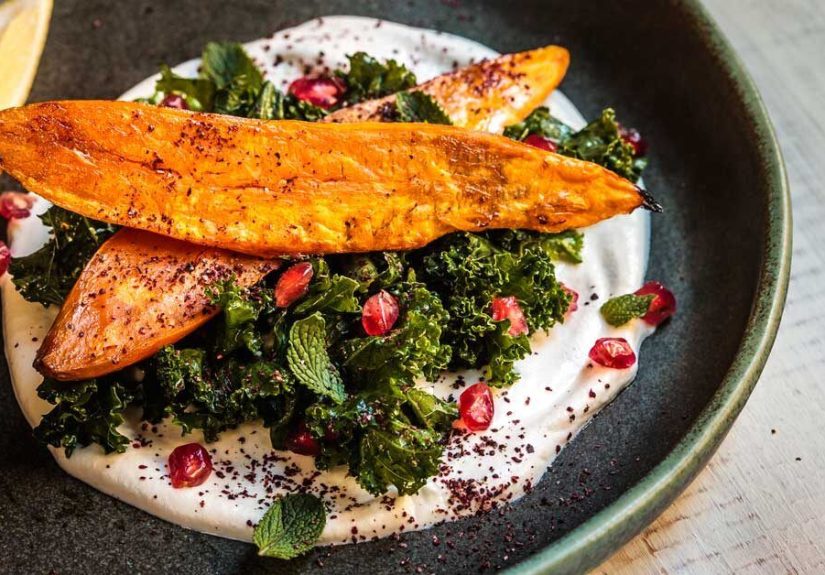
5) Sweet Potatoes
Sweet potatoes are naturally low fat, rich in nutrients, and versatile enough to show up at breakfast or dinner.
Bake one, split it open, and top with cinnamon and plain yogurt for a sweet-lean vibeor go savory with black beans,
salsa, and chopped greens. The key is what you add on top (butter can turn “low fat” into “oops” fast).
6) Oats (Oatmeal and Old-Fashioned Oats)
Oats are a low fat staple that pulls its weightespecially for fiber. Oatmeal can be a quick breakfast that actually sticks.
Make it with water or low fat milk, then add fruit for sweetness. If you want extra staying power, stir in nonfat Greek yogurt
or egg whites while it cooks (yes, reallyit makes it creamy and boosts protein).
7) Brown Rice (and Other Whole Grains Like Barley)
Whole grains are typically low in fat and useful for building balanced meals. Brown rice and barley add fiber and texture,
helping low fat meals feel hearty instead of “sad.” Pair them with roasted veggies and lean protein. Tip: season with herbs,
citrus, salsa, or low fat yogurt-based sauces to keep things flavorful without heavy fats.
8) Beans (Black Beans, Kidney Beans, Pinto Beans, Chickpeas)
Beans are low in fat, high in fiber, and full of plant proteinbasically the overachievers of the pantry.
Use them in chili, burrito bowls, salads, or mashed into a quick spread. If you’re using canned beans,
rinse them to reduce sodium. Beans also make low fat meals more satisfying because fiber + protein is a powerful combo.
9) Lentils
Lentils are another low fat, high-protein, high-fiber food that cooks quickly (especially red lentils).
They’re perfect for soups, stews, and curry-style dishes. For an easy weeknight idea: simmer lentils with canned tomatoes,
garlic, cumin, and broth, then serve over brown rice with spinach stirred in at the end.
10) Egg Whites
Egg whites are a classic low fat protein option. They’re easy to scramble, fold into veggie omelets, or mix into oats
for a protein boost. If you’re someone who likes eggs but wants lower fat meals more often, try mixing whole eggs
with extra whitesso you keep flavor while dialing back the fat.
11) White Fish (Cod, Tilapia, Pollock, Haddock)
Many white fish are naturally low in fat and high in protein, which makes them great for light-but-filling meals.
Bake with lemon, paprika, and garlic; or flake into tacos with cabbage slaw and salsa.
The “healthiness” depends a lot on the cooking methodbaked and grilled tend to keep things low fat,
deep-fried tends to change the whole story.
12) Skinless Chicken Breast (or Turkey Breast)
Skinless poultry breast is a reliable lean protein: low fat, versatile, and easy to season.
Grill it, bake it, shred it into soups, or toss it into stir-fries with lots of vegetables.
The trick is to avoid turning it into “dry chicken sadness”marinate with citrus, vinegar, yogurt, or spices,
and don’t overcook it.
13) Plain Nonfat Greek Yogurt
Nonfat Greek yogurt offers protein and a creamy texture with very little fat. Use it as a base for smoothies,
mix it with fruit and oats, or swap it in for sour cream in dips and tacos. Choose plain to avoid added sugar surprises,
then sweeten naturally with berries, cinnamon, or a drizzle of honey if needed.
How to Eat Low Fat Without Feeling Like You’re “On a Diet”
If you want low fat foods to actually work for your life (and not just your grocery cart), build meals like this:
- Start with volume: vegetables or fruit
- Add protein: beans, lentils, egg whites, fish, chicken, yogurt
- Add smart carbs: oats, brown rice, sweet potatoes
- Use big flavor: salsa, citrus, vinegar, mustard, herbs, spices
And remember: you don’t have to remove all fats. In fact, including modest amounts of healthier fats can make meals more satisfying
and help you stick with the plan. The goal is often lower saturated fat, not “no fat forever.”
Common Low Fat Mistakes (So You Don’t Step on the Same Rake Twice)
-
Assuming “low fat” means “healthy”: Some low fat packaged foods make up for it with added sugar or extra sodium.
Always check the label and ingredients. - Skipping protein: A plate of “just carbs” can leave you hungry fast. Pair grains and produce with lean protein.
- Overdoing portion sizes: Low fat doesn’t mean unlimited. (Even healthy foods can add up.)
-
Going too extreme: Your body needs fat for normal function. If you’re still growing, training hard, or have medical needs,
talk with a trusted clinician or registered dietitian before making big changes.
Experiences People Commonly Have When They Add More Low Fat Foods (About )
When people try a “low fat diet,” their first experience is often emotional, not nutritional: they worry it’s going to taste like cardboard
and regret. The good news is that most of the frustration comes from how they do itnot the concept itself.
When low fat eating is built around whole foods (instead of swapping everything for “fat-free” packaged versions),
the experience tends to be surprisingly normal… sometimes even better.
One common experience is feeling like meals are bigger. That’s because many low fat foodsvegetables, fruits, beans,
lentilshave plenty of volume. A burrito bowl built from brown rice, black beans, tomatoes, sautéed mushrooms, and greens can look like
a mountain of food. People often say it feels more satisfying than a smaller, higher-fat meal that disappears in three bites.
(Your stomach appreciates the drama: it likes a full cast, not a cameo.)
Another experience is discovering that flavor doesn’t require a bath in oil. At first, people often remove fat and forget
to replace it with anything. That’s how you end up with sad chicken and steamed broccoli that tastes like air.
But once they start using lemon juice, vinegar, garlic, smoked paprika, chili flakes, salsa, and herbs, food gets exciting again.
Many realize the “missing ingredient” wasn’t fatit was seasoning and technique.
People also notice that pairing low fat foods with protein and fiber changes the whole hunger situation.
A snack like fruit alone may feel like it vanishes instantly, but fruit plus nonfat Greek yogurt feels steadier.
Oatmeal made with berries is good; oatmeal plus egg whites or yogurt becomes a breakfast that actually lasts.
Beans and lentils, in particular, are often described as “quietly powerful” because they keep meals filling without feeling heavy.
A very practical experience: grocery shopping gets simpler. When someone focuses on naturally low fat foods,
they spend more time in the produce aisle and less time negotiating with neon-colored snack boxes.
They start collecting “default meals” that work on busy dayslike lentil soup, chicken-and-veggie bowls, yogurt with fruit,
baked sweet potatoes with beans, and fish tacos with cabbage and salsa. Routine becomes the secret weapon.
Finally, a lot of people realize that they don’t want zero fatthey want better fats in better amounts.
After a few weeks, many settle into a balanced rhythm: lean proteins and high-fiber foods most of the time,
plus small amounts of healthy fats for satisfaction and enjoyment. That’s usually the point where the approach becomes sustainable:
not a strict rulebook, but a set of choices that feels doable in real life.
Conclusion
Low fat foods can be great for your health when they’re part of a balanced eating patternespecially when you choose
whole, nutrient-dense options like fruits, vegetables, beans, lentils, whole grains, lean proteins, and low fat dairy.
The win isn’t “no fat,” it’s less saturated fat, more fiber and protein, and meals that still taste good.
Start small: pick two or three foods from the list this week, build one satisfying meal around them, and let consistency do the heavy lifting.