Table of Contents >> Show >> Hide
- How to Make Orange Flavor Actually Show Up (Not Just Whisper)
- 14 Orange Desserts Worth Zesting For
- 1) Whole Orange Almond Cake (The “Yes, the Whole Orange” Cake)
- 2) Blood Orange Olive Oil Cake (Moist, Bold, and a Little Fancy)
- 3) Orange Yogurt Cake (No Mixer, No Drama)
- 4) Orange Drizzle Loaf (The Glaze Does the Heavy Lifting)
- 5) Creamsicle No-Bake Cheesecake (Orange + Vanilla = Instant Nostalgia)
- 6) Frozen Orange Creamsicle Pie (Sliceable, Scoopable Joy)
- 7) Orange Curd Tart (Bright, Silky, and Slightly Show-Offy)
- 8) Caramelized Orange Cheesecake (The “Stained Glass” Topper)
- 9) Chewy Chocolate-Orange Cookies (A Classic Pairing That Never Gets Old)
- 10) Orange Ricotta Cookies (Soft, Pillowy, and Glaze-Ready)
- 11) Cranberry-Orange Bundt Cake (Holiday Energy, Any Month)
- 12) Orange Poppy Seed Bars (Bright, Buttery, and Snackable)
- 13) Marmalade Pound Cake (When a Jar Does Half the Work)
- 14) Fancy Caramelized Oranges (The Easiest Dessert That Looks Like a Restaurant Plate)
- Picking the Right Orange for the Job
- Common Orange Dessert Mistakes (And How to Avoid Them)
- Orange Dessert Experiences: What Citrus Season Feels Like (500+ Words)
- Conclusion
Citrus season is basically winter’s way of apologizing for being… winter. The days are shorter, the air is colder,
and thenboomyour kitchen fills with the smell of fresh orange zest and suddenly you’re a person who owns a
Microplane and has opinions about it.
Oranges bring more than sweetness. They bring brightness, aroma, and that tiny, pleasant bitterness that keeps
desserts from tasting like pure sugar wearing a costume. In other words: orange desserts are the edible version
of turning on a lamp when it’s gloomy outside.
How to Make Orange Flavor Actually Show Up (Not Just Whisper)
“Orange-flavored” desserts sometimes taste like someone waved an orange across the room and called it a day.
Here’s how to get bold citrus flavor without dumping in artificial extracts or repeating the same one-note taste.
- Use zest for aroma: Zest carries fragrant oils that make orange flavor feel “fresh.”
- Use juice for tang: Juice adds acidity and brightness, but can dilute batter if you overdo it.
- Use segments for texture: Fresh orange pieces add juicy pops (great in cakes and tarts).
- Balance sweetness: A pinch of salt, vanilla, or warm spices (cardamom/cinnamon) helps citrus shine.
- Mind the white pith: It’s bitter. A little is fine; a lot makes your dessert taste like regret.
14 Orange Desserts Worth Zesting For
Below are 14 different ways to celebrate orangesbaked, chilled, swirled, folded, and occasionally stacked like a
tiny dessert architecture project you’ll absolutely take a photo of.
1) Whole Orange Almond Cake (The “Yes, the Whole Orange” Cake)
Whole-orange cakes are magic tricks in cake form: you use thin-skinned oranges (often mandarins or tangerines),
blend them up, and end up with a tender, fragrant cake that tastes like sunshine and Sunday afternoon at the same time.
Almond flour keeps it moist and slightly plush, and it’s naturally gluten-free (as long as your other ingredients are).
Make it yours: Dust with powdered sugar, spoon on orange marmalade, or add whipped cream for a soft,
creamy contrast.
2) Blood Orange Olive Oil Cake (Moist, Bold, and a Little Fancy)
Olive oil cakes are beloved for their tender crumb and subtle fruitinessthen blood orange shows up with dramatic color
and a sweet-tart edge. The vibe is “effortlessly elegant,” even if you made it while wearing sweatpants and listening to
a playlist called “Cozy Baking Hours.”
Pro tip: Brush the warm cake with fresh orange syrup (juice + sugar simmered briefly). It soaks in and
amplifies citrus flavor without turning the crumb soggy.
3) Orange Yogurt Cake (No Mixer, No Drama)
This style of cake is a weeknight hero: stir, bake, inhale the smell, pretend you’re saving it for later, fail,
repeat. Yogurt adds tenderness and a gentle tang. Orange zest lifts everything, while a little juice adds the
“yes, this is definitely orange” confirmation your taste buds deserve.
Make it yours: Top with sweetened orange segments or a quick glaze made from powdered sugar and juice.
4) Orange Drizzle Loaf (The Glaze Does the Heavy Lifting)
A good orange loaf is simple comfort food. The secret is the drizzle: a concentrated orange glaze that seeps into the
top layer and forms a shiny, slightly crackly finish. The cake itself stays softly sweet, and the glaze brings the zing.
Pro move: Poke tiny holes in the warm loaf with a skewer, then spoon glaze slowly so it sinks in.
It’s basically a spa day for cake.
5) Creamsicle No-Bake Cheesecake (Orange + Vanilla = Instant Nostalgia)
Creamsicle flavor is the dessert equivalent of a warm blanket: sweet orange plus mellow vanilla. A no-bake cheesecake
version gives you that creamy, dreamy bite without turning on the oven. A crumb crust (graham crackers or vanilla wafers)
makes it feel like a real event.
Flavor boost: Use orange zest in the filling, not just juice. Zest is where the “fresh orange” lives.
6) Frozen Orange Creamsicle Pie (Sliceable, Scoopable Joy)
This one is perfect when you want a dessert that looks impressive but requires more freezing than fussing. The filling
leans creamy, with orange flavor that’s bright but not harsh. Once frozen, it slices cleanly and eats like a dreamy
hybrid of ice cream and mousse.
Serving tip: Let it sit on the counter for a few minutes before slicing for the best texture.
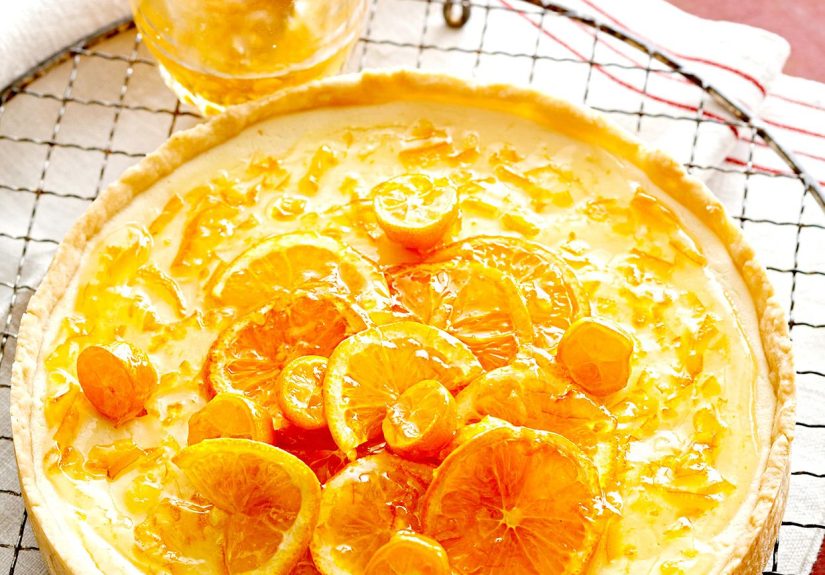
7) Orange Curd Tart (Bright, Silky, and Slightly Show-Offy)
Orange curd is what happens when citrus decides to be luxurious. It’s smooth, glossy, and intensesweet, tart, and
deeply aromatic when you include plenty of zest. Pour it into a crisp tart shell and you’ve got a dessert that looks
bakery-level with surprisingly straightforward steps.
Make it yours: Top with fresh orange segments, toasted pistachios, or a thin layer of whipped cream.
8) Caramelized Orange Cheesecake (The “Stained Glass” Topper)
Cheesecake loves citrusorange cuts through richness like a tiny, delicious reset button. A caramelized orange topping
adds sweetness and an eye-catching finish. The result tastes creamy and bright at once, and it’s the kind of dessert
that makes people say, “Wait… YOU made this?”
Texture tip: Chill thoroughly before slicing so the filling sets cleanly and the topping stays pretty.
9) Chewy Chocolate-Orange Cookies (A Classic Pairing That Never Gets Old)
Chocolate and orange are a power couple. Orange zest in the dough perfumes every bite, while cocoa gives a deep, slightly
bitter backbone that keeps the sweetness in check. The best versions taste orange-y all the way throughnot just on the
surfacethanks to a smart mix of zest and a little juice.
Make it yours: Add mini chocolate chips, or finish with flaky salt for a fancy “cookie shop” vibe.
10) Orange Ricotta Cookies (Soft, Pillowy, and Glaze-Ready)
Ricotta cookies are tender and cakey in the best waylike a cookie that went to therapy and learned how to be soft.
Orange zest and a bit of vanilla turn them into bright little bites that beg for a thin glaze.
Quick glaze: Powdered sugar + orange juice + zest. Dip, drizzle, or do both if you’re feeling bold.
11) Cranberry-Orange Bundt Cake (Holiday Energy, Any Month)
Cranberry and orange are like best friends who bring out the best in each other: cranberry is tart and punchy, orange is
fragrant and sweet. In a Bundt cake, the combo feels festive without needing permission from a calendar.
Make it yours: Add a cinnamon swirl, or finish with an orange glaze that runs into the cake’s ridges
like delicious icing lava.
12) Orange Poppy Seed Bars (Bright, Buttery, and Snackable)
Bars are underrated, and orange bars deserve a comeback tour. Poppy seeds add a gentle crunch and a slightly nutty taste,
while orange zest does its aromatic thing. The texture lands between blondie and cakesoft, sturdy, and perfect for
sharing (or not).
Best part: They travel well, which makes them ideal for potlucks, picnics, and bribing friends.
13) Marmalade Pound Cake (When a Jar Does Half the Work)
If you have orange marmalade, you’re already most of the way to a citrus-forward cake. Marmalade brings sweetness,
orange peel flavor, and a pleasantly bitter edge. Stir it into batter, brush it on top, or bothbecause orange lovers
don’t do subtle.
Serving idea: Toast a slice and top with a little yogurt or whipped cream. Suddenly it’s “brunch.”
14) Fancy Caramelized Oranges (The Easiest Dessert That Looks Like a Restaurant Plate)
Sometimes the best orange dessert is… an orange that got dressed up. Gently caramelize orange slices with sugar until
glossy, then serve with vanilla ice cream, yogurt, or a scoop of sorbet. It’s simple, elegant, and ridiculously good.
Plus, it proves you can be “fancy” without owning a blowtorch.
Flavor twist: Add a pinch of cinnamon or a tiny splash of vanilla for warmth.
Picking the Right Orange for the Job
Not every orange behaves the same way in desserts. If you want to level up your citrus season baking, match the variety
to the dessert style.
- Navel oranges: Great for zest and fresh eating; reliable all-purpose choice.
- Valencia oranges: Often juicierexcellent for glazes, syrups, and curds.
- Cara Cara: Sweeter, floral, and pretty; great for segments and simple desserts.
- Blood oranges: Gorgeous color and berry-like notes; perfect for showstopper cakes and bars.
- Mandarins/tangerines: Thin-skinned and aromatic; ideal for whole-orange cakes and quick bakes.
Common Orange Dessert Mistakes (And How to Avoid Them)
Over-zesting
Zest is amazing, but if you grate too deep into the pith, bitterness sneaks in. Use light pressure and stop once the
orange color is gone.
Using too much juice in batter
Juice adds flavor, but it’s also liquid. If you add a lot, you can end up with a dense or gummy crumb. Concentrate flavor
with zest, then use juice more strategically (glazes, syrups, curds).
Skipping salt
Salt doesn’t make desserts saltyit makes them taste like themselves, but better. Citrus especially benefits from a tiny
pinch of salt to sharpen flavor.
Orange Dessert Experiences: What Citrus Season Feels Like (500+ Words)
There’s a specific moment that happens every citrus season, and it’s not the moment you buy the orangesit’s the moment
you open them. You twist one in your hands, break the peel, and the air changes. It’s like someone opened a
window in your kitchen. The scent doesn’t just smell “orange.” It smells clean, bright, almost electric, like the world
decided to be optimistic for five seconds.
Orange desserts tend to start with tiny habits. You tell yourself you’ll “just make a quick loaf,” and then you’re
zesting in slow circles because it’s oddly satisfying to watch the peel turn into confetti. You learn the difference
between a fine zest that disappears into batter and thicker shreds that show up in every bite. You start saving zest in
a little bowl like it’s edible glitter. (It kind of is.)
The first time you make a creamsicle-style dessert, the nostalgia hits hard. Orange plus vanilla tastes like the
childhood version of “dessert”simple, friendly, and impossible to be in a bad mood around. It’s the flavor combo that
convinces even non-bakers to try making something because the payoff is huge: a cool, creamy bite that feels like a
reward for existing.
Cakes are where citrus season feels like a ritual. An olive oil cake is the “effortless cool” cousin: it doesn’t need
perfect frosting or layers; it just needs a glaze and a plate. Yogurt cakes are the cozy onesstir, pour, bake, done.
They’re the kind of dessert you slice while it’s still slightly warm because you “need to check the texture,” which is
totally a real reason and not an excuse.
Orange curd is its own little emotional journey. It looks intimidating until you realize it’s basically a controlled
transformation: eggs and sugar go from runny to velvety, and suddenly your spoon comes out coated in glossy citrus
goodness. The first time you spread orange curd into a tart shell, you feel like you unlocked a new skill level. The
second time, you start making “extra” because it mysteriously disappears from the fridge.
Cookies are where orange flavor becomes playful. Chocolate-orange cookies smell like a holiday movie montage, even if
it’s just a regular Tuesday. Ricotta cookies feel like soft little clouds that want to be glazed. And there’s something
deeply satisfying about watching a simple orange glaze set into a shiny finish. It’s the edible equivalent of putting a
clean sheet on your bed: small effort, huge happiness.
The funniest part of citrus season is how it changes your standards. You start noticing the difference between “sweet”
and “bright.” You begin craving desserts that taste like fruit instead of pure sugar. You learn that orange peel is
powerful, that a pinch of salt matters, and that glaze is sometimes the whole personality of a cake. You also learn that
if you bring a cranberry-orange Bundt to a gathering, people will cut “tiny slices” and then return for bigger ones,
because citrus makes dessert feel lighter even when it’s definitely still dessert.
And maybe that’s the real charm: orange desserts don’t just taste goodthey taste hopeful. They remind you that even in
the coldest, grayest months, there’s a fruit out there that basically comes with its own spotlight.
Conclusion
Orange desserts are the perfect citrus season tradition because they’re versatile: you can go simple (drizzle loaf,
caramelized oranges) or full celebration mode (curd tart, cheesecake, Bundt cake). The key is using oranges in smart
layerszest for aroma, juice for brightness, and segments or marmalade for texture and depth.
Pick one dessert that matches your mood, grab a few good oranges, and let your kitchen smell like the best possible
version of winter. If nothing else, you’ll end up with a sweet payoff and the lingering scent of citrus happiness.