Table of Contents >> Show >> Hide
- Why Gray Still Works in Bedrooms
- 15 Best Gray Bedroom Color Schemes and Design Ideas
- 1. Soft Gray and Crisp White
- 2. Warm Greige and Ivory
- 3. Charcoal Gray and Blush Pink
- 4. Gray and Navy Blue
- 5. Gray and Sage Green
- 6. Gray and Black for Modern Contrast
- 7. Gray and Natural Wood
- 8. Gray and Brass
- 9. Gray and Lavender
- 10. Gray and Terracotta
- 11. Gray and Butter Yellow
- 12. Gray and Denim Blue
- 13. Gray and Emerald Green
- 14. Gray and Red Accents
- 15. Layered Monochrome Gray
- Design Tips to Make Any Gray Bedroom Look Better
- Conclusion
- Real-Life Experience: What It’s Actually Like to Live With a Gray Bedroom
- SEO Tags
Gray bedrooms have been around long enough to earn two very different reputations. In one camp, gray is calm, polished, and timeless. In the other, it is the color of every rental apartment that forgot to have a personality. The truth sits somewhere in the middle, usually next to a good lamp and a decent throw blanket. Gray can absolutely create a beautiful bedroom, but only when you use it with intention.
The best gray bedroom ideas are not about turning your room into a fog bank. They are about understanding undertones, mixing materials, and choosing companion colors that make gray feel fresh rather than flat. A soft warm gray can feel cocooning and elegant. A cool blue-gray can feel airy and serene. A deep charcoal can transform a basic bedroom into something that looks like a boutique hotel that charges too much for sparkling water.
Below are 15 of the best gray bedroom color schemes and design ideas, plus practical advice on how to make each one work in real life. Whether your style is modern, farmhouse, traditional, minimalist, or somewhere between “Pinterest board” and “I just want it to look put together,” there is a gray palette here with your name on it.
Why Gray Still Works in Bedrooms
Gray remains one of the most flexible bedroom colors because it can lean warm or cool, light or dramatic, classic or contemporary. That flexibility is exactly why people love it and exactly why it sometimes goes sideways. Pick the wrong undertone and your peaceful retreat can suddenly look chilly, dingy, or unintentionally purple by sunset.
Before choosing a gray bedroom color scheme, pay attention to three things: natural light, undertones, and texture. North-facing rooms often make cool grays look cooler, while sunnier rooms can handle deeper or more dramatic shades. Warm grays and greiges usually pair beautifully with wood, brass, blush, and creamy whites. Cool grays tend to look best with navy, sage, black, lavender, and crisp white trim. And if you use gray from wall to bedding to rug, you need texture like linen, velvet, boucle, wood grain, woven shades, or matte metal. Otherwise, the room can feel visually sleepy, and not in the relaxing way.
15 Best Gray Bedroom Color Schemes and Design Ideas
1. Soft Gray and Crisp White
This is the classic gray bedroom pairing for a reason. Soft gray walls with white trim, white bedding, and white curtains create a look that feels clean, bright, and restful. It works especially well in smaller bedrooms because the contrast is gentle, not jarring, and the room still feels open.
To keep the palette from feeling too sharp, bring in subtle texture through quilted bedding, a woven rug, or upholstered headboards. This color scheme is perfect for anyone who wants a timeless bedroom that will not feel dated in a year. Think of it as the white T-shirt and jeans of bedroom design: simple, reliable, and much better when the fit is right.
2. Warm Greige and Ivory
If cool gray makes you nervous, greige is your friend. A warm gray-beige blend softens the look of gray and adds comfort without losing that tailored neutral vibe. Pair it with ivory bedding, oat-colored curtains, and pale wood furniture for a room that feels welcoming from the second you walk in.
This scheme is especially good if you want gray without the old “millennial gray” chill. It looks elevated, but it still feels human. Add a bench in nubby fabric, creamy ceramic lamps, and a soft beige rug to make the space feel layered and lived in.
3. Charcoal Gray and Blush Pink
Charcoal and blush are proof that opposites can get along beautifully. The dark gray creates depth and drama, while blush keeps the room from feeling heavy. This pairing is sophisticated rather than sugary, especially when the pink is muted and dusty instead of bubblegum.
Use charcoal on one accent wall or across all four walls if the room gets decent light. Then add blush through pillows, artwork, a throw, or an upholstered bench. Brass sconces or gold-framed art look especially good here, adding warmth and a little glamour without trying too hard.
4. Gray and Navy Blue
Gray and navy make a bedroom feel tailored, grounded, and quietly luxurious. It is one of the best gray bedroom color schemes for people who like traditional design, coastal style, or modern masculine spaces. A pale or mid-tone gray on the walls gives navy room to shine in the bedding, drapery, or accent chair.
For a softer look, choose a blue-gray wall color that bridges the two shades. For more contrast, go with light gray walls and deep navy accents. Finish the room with white sheets and warm wood nightstands so the palette does not veer into “private school uniform,” unless that is somehow the goal.
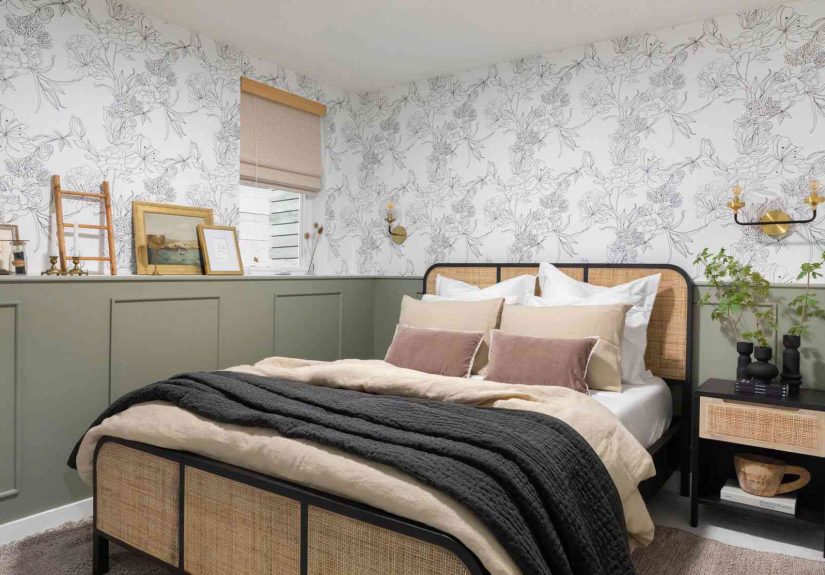
5. Gray and Sage Green
This combination is calm in the way a spa is calm, minus the cucumber water. Gray and sage green feel organic, restorative, and easy on the eyes. It works beautifully in bedrooms where you want a quiet, nature-inspired mood without committing to a full green room.
Use a soft gray as the main wall color and layer sage through pillows, throws, botanical art, or painted furniture. Gray-greens also work well if you want one paint color that splits the difference. Add linen curtains, natural oak, and maybe one leafy plant that you promise to water more often than the last one.
6. Gray and Black for Modern Contrast
If your style leans modern, gray and black create a sharp, upscale look. The trick is balance. Let gray do most of the heavy lifting on the walls or bedding, then use black in smaller doses through lighting, frames, bed frames, or hardware.
This bedroom color scheme looks best when you include plenty of softness elsewhere. White bedding, a textured rug, and warm wood or leather accents will keep the room from feeling severe. The result is sleek and intentional, like a luxury hotel suite, but hopefully with fewer mysterious thermostats.
7. Gray and Natural Wood
One of the easiest ways to make a gray bedroom feel warm is to pair it with wood. Light oak, walnut, weathered finishes, and even reclaimed wood bring texture and visual warmth that gray alone cannot provide. This scheme works with farmhouse, Scandinavian, rustic, and transitional styles.
Start with gray walls or gray bedding, then bring in wood through bed frames, dressers, floating shelves, or ceiling beams. If you want the room to feel especially cozy, choose a warm gray rather than a cold steel gray. Wood is the design equivalent of adding soup on a rainy day. Suddenly everything makes sense.
8. Gray and Brass
Gray and brass are an underrated power couple. Gray provides the restraint, while brass adds glow and polish. In a bedroom, this can look incredibly elegant without being flashy. A medium gray wall color paired with brass sconces, drawer pulls, curtain rods, or pendant lights instantly lifts the space.
This is also a great strategy if your room feels flat. Metallic accents reflect light, which helps gray feel dimensional. Keep the rest of the room simple with white bedding, velvet pillows, or warm neutral curtains. It is amazing what one handsome brass lamp can do for a room that previously looked like it had given up.
9. Gray and Lavender
Lavender is the quiet overachiever of bedroom colors. Paired with gray, it feels soft, restful, and slightly luxe. A smoky gray wall with lavender bedding or a lavender-gray upholstered headboard can make the room feel polished and serene rather than overly sweet.
This palette works especially well when you want something a little different from the usual gray-and-white formula. Add mirrored or glass accents for a lighter touch, or use matte black details if you want more contrast. The effect is elegant, gentle, and surprisingly grown-up.
10. Gray and Terracotta
If you love gray but want a bedroom with more warmth and personality, terracotta is a smart choice. Warm clay tones wake gray up in the best possible way. The contrast feels earthy, current, and relaxed, especially when layered with cream, rust, and natural fibers.
Use gray as the backdrop and terracotta in pillows, ceramics, art, or a throw blanket. This is a particularly strong option for people who think gray can feel cold. Terracotta solves that problem fast. It is like inviting your neutral bedroom to spend more time outdoors.
11. Gray and Butter Yellow
Gray and yellow can be cheerful without becoming loud, especially when the yellow is soft and buttery rather than bright school-bus yellow. This pairing adds energy to a gray bedroom while keeping the overall feel restful enough for sleep.
Try pale gray walls with yellow accents in pillows, lampshades, artwork, or a patterned bench. Warm gray works best here because the undertones feel naturally compatible. If the room already has lots of natural light, this color scheme can feel especially sunny and uplifting.
12. Gray and Denim Blue
Denim blue has a relaxed, casual feel that pairs beautifully with gray. It is less formal than navy and less expected than pale sky blue. Together, these colors create a bedroom that feels easy, familiar, and effortlessly put together.
Choose a medium gray for the walls and layer denim-like blues in bedding, cushions, and art. Add white sheets and a striped or woven rug for a slightly coastal, lived-in look. This is an ideal palette for guest rooms, teenage bedrooms, or any bedroom that should feel comfortable rather than precious.
13. Gray and Emerald Green
For a moodier bedroom, pair gray with emerald or deep jewel-toned green. Gray keeps the green grounded, while emerald adds richness and drama. This scheme can feel glamorous, vintage, or contemporary depending on the furniture and finishes you choose.
Use dark green in velvet pillows, drapes, or an accent chair, then add gray through walls, bedding, or rugs. Brass accents look fantastic here, as do dark woods and white bedding for contrast. It is bold, but still restful, which is not easy to pull off.
14. Gray and Red Accents
Gray and red are not the most common bedroom pairing, which is exactly why they can look so striking. The trick is restraint. Gray should be the main note, and red should act like punctuation. A little goes a long way.
Think charcoal walls with a rust-red lumbar pillow, burgundy artwork, or a deep red upholstered stool at the foot of the bed. Red brings energy and warmth to a neutral room, and gray keeps that energy under control. This scheme works well for anyone who wants a bedroom that feels sophisticated with just a bit of edge.
15. Layered Monochrome Gray
A monochrome gray bedroom can be stunning when it is done with range and texture. The biggest mistake is using one flat gray everywhere and hoping the room will magically develop personality overnight. It will not. You need a mix of light, medium, and dark gray tones, and you need materials that catch light differently.
Pair pale gray walls with a charcoal headboard, silver-gray bedding, a smoky rug, and accents in glass, boucle, linen, or brushed metal. You can even leave the ceiling and trim white to give the eye a reference point. Done right, monochrome gray feels layered, cocooning, and deeply intentional.
Design Tips to Make Any Gray Bedroom Look Better
No matter which gray bedroom color scheme you choose, a few design decisions make a huge difference. First, test paint on multiple walls before committing. Gray is famous for shape-shifting throughout the day, and not always in a flattering way. Second, respect undertones. Warm gray with icy blue accents can feel off, while cool gray with sage, navy, or crisp white usually sings. Third, use contrast. Even the softest gray room benefits from something lighter, darker, warmer, shinier, rougher, or softer nearby.
If your gray bedroom feels dull, the solution is rarely “more gray.” It is usually better lighting, richer texture, warmer wood, cleaner whites, or a stronger accent color. That is the difference between a room that looks styled and a room that looks like a cloud gave up halfway through decorating.
Conclusion
The best gray bedroom ideas are not about following one rigid formula. They are about choosing the version of gray that suits the mood you want and then building around it with colors, finishes, and textures that make the room feel complete. Gray can be bright and airy, dark and dramatic, warm and cozy, or crisp and modern. That range is exactly why it remains such a strong bedroom color.
If you want the safest path, pair gray with white, ivory, wood, or navy. If you want more personality, explore blush, sage, terracotta, lavender, or emerald. And if you want a gray bedroom that actually looks designed, remember the golden rule: undertones matter, texture matters, and one lonely gray wall color cannot do all the work by itself.
Real-Life Experience: What It’s Actually Like to Live With a Gray Bedroom
People often choose gray bedrooms because they look beautiful in photos, but the real test happens on an ordinary Tuesday night when laundry is on the chair, the lamp is too bright, and you are wondering why the room suddenly looks colder than it did at noon. Living with gray teaches you quickly that this color is less about the paint chip and more about everything around it.
In many real homes, the first surprise is how much lighting changes the mood. A soft gray that looked airy in the store can turn slightly blue in a north-facing room. A warm gray that seemed subtle can read almost beige by evening. This is why gray bedrooms reward patience. The people who love theirs most are usually the ones who tested the color, watched it in morning and evening light, and made peace with the fact that gray is a little dramatic. Not diva-level dramatic, but definitely “different personality before coffee” dramatic.
Another common experience is realizing that gray needs company. On its own, gray can look polished, but it rarely feels finished without texture. Homeowners often find that once they add linen bedding, a wool throw, woven baskets, wood nightstands, or a velvet pillow, the whole room suddenly clicks. The gray did not change, but the room finally developed contrast and warmth. That is often the turning point from “nice enough” to “I actually love this space.”
Many people also discover that gray is one of the easiest colors to update over time. A gray bedroom can feel coastal with blue accents one year, earthy with terracotta and rust the next, and more elegant later with black, ivory, and brass. You do not need to repaint the entire room every time your taste evolves. That kind of flexibility is a big reason gray has stayed popular even as design trends have shifted toward warmer and more natural interiors.
There is also a practical side to gray that people appreciate after living with it. It tends to hide everyday dust better than stark white, it works with many furniture finishes, and it provides a calm backdrop for art, patterned bedding, or statement lighting. In real bedrooms, that versatility matters more than trend forecasts. A color that can handle changing seasons, changing decor, and changing moods is doing real work.
Of course, not every gray bedroom success story starts smoothly. Some people begin with a cool gray that feels too cold, then fix it with cream bedding, warmer bulbs, and natural wood. Others start too dark and solve the problem with lighter drapes, a pale rug, and better layering. The good news is that gray is usually forgiving. It may complain a little through bad lighting or awkward undertones, but it often responds well when you give it balance.
That is probably the most honest takeaway from real-world gray bedroom design: gray is not boring, but it is not automatic either. It performs best when you treat it like a backdrop with personality, not just a safe default. When you get the mix right, a gray bedroom feels calm, flexible, stylish, and surprisingly personal. And when you do not, the room politely informs you by looking like a waiting area with pillows. Thankfully, that is fixable.