Table of Contents >> Show >> Hide
- 1. Red Maple (Acer rubrum)
- 2. Sugar Maple (Acer saccharum)
- 3. Japanese Maple (Acer palmatum)
- 4. Silver Maple (Acer saccharinum)
- 5. Autumn Blaze Maple (Acer × freemanii)
- 6. Norway Maple (Acer platanoides)
- 7. Crimson King Maple (Acer platanoides 'Crimson King')
- 8. Autumn Flame Maple (Acer × freemanii 'Autumn Flame')
- 9. Japanese Bloodgood Maple (Acer palmatum 'Bloodgood')
- 10. Moonfire Maple (Acer truncatum)
- 11. Red Sunset Maple (Acer rubrum 'Red Sunset')
- 12. Flamingo Maple (Acer platanoides 'Flamingo')
- 13. Legacy Maple (Acer rubrum 'Legacy')
- 14. Amur Maple (Acer ginnala)
- 15. Shantung Maple (Acer truncatum)
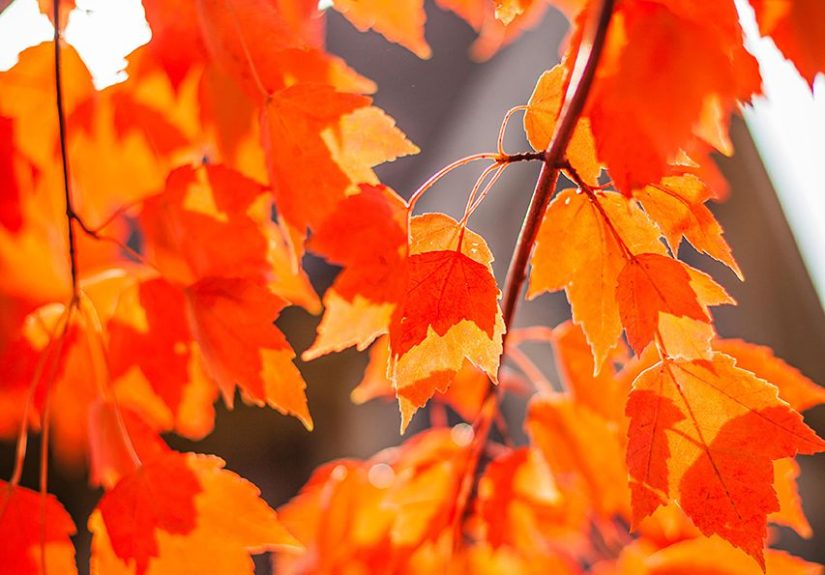
When autumn arrives, few things are more mesmerizing than the vibrant colors of maple trees. From fiery reds to golden yellows, these stunning trees make a bold statement in any landscape. Whether you’re looking to add a splash of color to your garden or trying to find the perfect tree for fall foliage, there are plenty of maple species to consider. In this article, we’ll explore 15 types of maple trees that are known for their vibrant colors, perfect for creating a visually striking landscape.
1. Red Maple (Acer rubrum)
As one of the most well-known maples in North America, the red maple is a favorite for its brilliant red foliage in the fall. This tree is also known for its adaptability, thriving in a variety of climates and soils. Its leaves turn a vibrant scarlet or crimson, creating a dramatic display against the autumn sky.
2. Sugar Maple (Acer saccharum)
Famous for its syrup, the sugar maple also shines in the fall with golden-yellow to orange-red leaves. It’s a slow-growing tree, but its stunning color and large, broad leaves make it worth the wait. Sugar maples are perfect for larger properties and have a strong presence throughout the year.
3. Japanese Maple (Acer palmatum)
Japanese maples are small, ornamental trees that come in many varieties, each offering unique color displays. Their foliage can range from deep reds to bright oranges, and some varieties even have purple or burgundy hues. These trees are perfect for small gardens or as accent pieces in larger landscapes.
4. Silver Maple (Acer saccharinum)
The silver maple is known for its silver-white undersides of the leaves, which give it a unique two-tone look in the fall. Its foliage turns yellow or light orange, making it a bright addition to any yard. Silver maples grow quickly and can reach impressive heights.
5. Autumn Blaze Maple (Acer × freemanii)
A hybrid between the red maple and silver maple, the Autumn Blaze maple offers vibrant red foliage in the fall. Its bright color contrasts beautifully with the green leaves in the summer, making it a popular choice for those looking to add a burst of color to their landscape.
6. Norway Maple (Acer platanoides)
The Norway maple is a hardy tree that features large, broad leaves that turn a striking yellow in the fall. Known for its fast growth, this tree is ideal for larger spaces where it can be allowed to spread out. Its color is consistent year after year, providing reliable beauty every autumn.
7. Crimson King Maple (Acer platanoides ‘Crimson King’)
If you’re looking for a deep purple hue, the Crimson King maple delivers just that. Its leaves emerge a rich purple color that deepens throughout the summer and remains vibrant into the fall. It’s an excellent choice for urban landscapes, as it’s both attractive and resilient.
8. Autumn Flame Maple (Acer × freemanii ‘Autumn Flame’)
The Autumn Flame maple is another hybrid known for its early, brilliant red fall colors. This tree provides a spectacular display, with its leaves turning a fiery red-orange hue. It’s a smaller variety, making it ideal for those looking to plant in smaller spaces.
9. Japanese Bloodgood Maple (Acer palmatum ‘Bloodgood’)
Similar to the regular Japanese maple, the Bloodgood variety stands out with its deeper, richer red foliage. This tree is perfect for adding a touch of elegance and drama to any garden, especially in the fall when its color intensifies.
10. Moonfire Maple (Acer truncatum)
The Moonfire maple is known for its dark purple leaves that turn a brilliant red in the fall. Its striking color makes it an eye-catching addition to any garden, and it thrives in both urban and suburban landscapes. Its compact size makes it a good choice for smaller yards.
11. Red Sunset Maple (Acer rubrum ‘Red Sunset’)
The Red Sunset maple is a standout in the autumn landscape. Its leaves turn from green to a rich red, lasting longer than many other red maples. This tree is a great choice for those looking to add long-lasting fall color to their yard.
12. Flamingo Maple (Acer platanoides ‘Flamingo’)
The Flamingo maple offers beautiful pink-tinged foliage in the spring that turns to yellow and orange hues in the fall. This tree is perfect for adding some soft, pastel tones to your landscape before transitioning to brighter autumn shades.
13. Legacy Maple (Acer rubrum ‘Legacy’)
The Legacy maple is known for its deep red fall foliage, which becomes a fiery crimson. This tree is well-suited for both residential and commercial landscapes, offering consistent color and attractive form throughout the year.
14. Amur Maple (Acer ginnala)
The Amur maple is a small, hardy tree that offers a stunning mix of red and orange foliage in the fall. Its smaller size makes it perfect for smaller gardens or as a specimen tree that provides excellent color during the autumn months.
15. Shantung Maple (Acer truncatum)
The Shantung maple offers a unique look with its rounded canopy and deep green leaves, which transform into vibrant yellow and red shades in the fall. This tree is often used as an ornamental tree and thrives in urban areas due to its tolerance to pollution.
Experience and Tips for Growing Maple Trees
As with any tree, planting maples requires some careful consideration. Different species of maple trees thrive in different climates, and understanding their needs is key to successful growth. Here are some experiences and tips for growing these beautiful trees:
- Soil Type: Maples generally prefer well-drained, slightly acidic soil. Some species, like the red maple, can tolerate a range of soil conditions, while others, like the sugar maple, prefer more specific types of soil.
- Sunlight: Most maple trees thrive in full sun, but some species, such as the Japanese maple, do well in partial shade. Understanding your tree’s sunlight needs will ensure it gets the right amount of exposure for optimal color.
- Watering: Regular watering is essential during the growing season, especially for young maples. However, be cautious of overwatering, as this can lead to root rot, especially in poorly-drained soils.
- Pruning: Pruning your maple tree during the late winter or early spring helps remove dead or diseased wood and encourages healthy growth. Be sure not to over-prune, as this can affect the tree’s structure and overall health.
- Autumn Color: The intensity of a maple’s fall color can depend on the weather during the growing season. Cool nights and sunny days typically lead to the most vibrant foliage displays, so keep an eye on weather patterns for the best show of color!
Conclusion
Maple trees are an excellent choice for anyone looking to add a burst of color to their landscape. With so many different varieties to choose from, there is a perfect maple tree for every garden, whether you’re seeking fiery reds, golden yellows, or rich purples. By understanding the unique characteristics of each species and providing the proper care, you can enjoy beautiful, vibrant foliage year after year.