Table of Contents >> Show >> Hide
- How to Get Succulents to Bloom (Without Begging)
- Quick Index: 19 Blooming Succulents
- 19 Flowering Succulents to Grow for Their Stunning Blooms
- 1) Kalanchoe blossfeldiana (Flaming Katy)
- 2) Thanksgiving/Christmas Cactus (Schlumbergera)
- 3) Easter Cactus (Hatiora gaertneri)
- 4) Echeveria (Echeveria spp.)
- 5) Jade Plant (Crassula ovata)
- 6) Hens & Chicks (Sempervivum tectorum)
- 7) Living Stones (Lithops)
- 8) Aloe Vera (Aloe vera)
- 9) Gasteria (Gasteria gracilis and relatives)
- 10) Desert Rose (Adenium obesum)
- 11) Crown of Thorns (Euphorbia milii)
- 12) String of Pearls (Curio rowleyanus)
- 13) Starfish Flower (Stapelia gigantea and friends)
- 14) Queen of the Night (Epiphyllum oxypetalum)
- 15) Dragon Fruit (Selenicereus undatus)
- 16) Easter Lily Cactus (Echinopsis oxygona)
- 17) Pincushion Cactus (Mammillaria spp.)
- 18) Chin Cactus (Gymnocalycium spp.)
- 19) Hardy Ice Plant (Delosperma cooperi)
- Bloom Troubleshooting: Why Isn’t My Succulent Flowering?
- Conclusion
- Real-World Growing Experiences (The Stuff You Only Learn After You’ve Panic-Googled at Midnight)
Succulents have a reputation for being the strong, silent type: they sit there, look sculptural, and quietly judge your thirst-based decisions. Then one dayoften when you least deserve itthey flower. And not in a shy “one-petal, don’t look at me” way. We’re talking neon daisies, holiday fireworks, and night-blooming perfume bombs that open like a magic trick.
If you’re hunting for flowering succulents (aka succulents that bloom) that bring real color to your windowsill, patio, or xeriscape, this list is your cheat code. Below are 19 of the best blooming succulentssome easy, some dramatic, all worth it.
How to Get Succulents to Bloom (Without Begging)
1) Light is the “yes” button
Most succulent flowers only happen with bright light. Indoors, that usually means a sunny south- or west-facing window (or a grow light that isn’t just a decorative lamp pretending to be helpful). Outdoors, think full sun or bright shade depending on species.
2) Water like a desertthen like a calendar
The classic rule is “soak and dry”: water thoroughly, then let soil dry out. But blooming often depends on seasonal rhythm: some plants need a cool, drier rest; others need consistent moisture during active growth.
3) Temperature and day length can be the secret handshake
A few famous indoor flowering succulents (hello, holiday cacti and kalanchoe) set buds only after weeks of long nights. Translation: if your plant is in a room with lights on until midnight, it may be too “stimulated” to bloom. Plants are delicate like that.
4) Fertilizer: helpful, not a personality
Light feeding during the growing season can improve flowering, but heavy fertilizer often produces lush leaves and fewer blooms. If your succulent is huge and green but refuses to flower, it may be living its best “leaffluencer” life instead.
5) Drainage is non-negotiable
A gritty cactus/succulent mix, a pot with drainage holes, and “no swamp vibes” are the baseline. Root stress from soggy soil is a fast track to “why is it squishy?”
Quick Index: 19 Blooming Succulents
- Kalanchoe (Flaming Katy)
- Thanksgiving/Christmas Cactus (Schlumbergera)
- Easter Cactus (Hatiora)
- Echeveria
- Jade Plant (Crassula ovata)
- Hens & Chicks (Sempervivum)
- Living Stones (Lithops)
- Aloe Vera
- Gasteria (Ox Tongue)
- Desert Rose (Adenium)
- Crown of Thorns (Euphorbia milii)
- String of Pearls (Curio rowleyanus)
- Starfish Flower (Stapelia)
- Queen of the Night (Epiphyllum oxypetalum)
- Dragon Fruit (Selenicereus)
- Easter Lily Cactus (Echinopsis)
- Pincushion Cactus (Mammillaria)
- Chin Cactus (Gymnocalycium)
- Hardy Ice Plant (Delosperma)
19 Flowering Succulents to Grow for Their Stunning Blooms
1) Kalanchoe blossfeldiana (Flaming Katy)
If you want reliable color indoors, kalanchoe is basically the overachiever of succulents that bloomclusters of bright flowers that can last for weeks. The trick to reblooming is “short days”: give it long, uninterrupted nights for several weeks (no midnight kitchen light drama), plus bright days and moderate temps. Let the soil dry between waterings.
2) Thanksgiving/Christmas Cactus (Schlumbergera)
Not a desert cactusmore like a rainforest cactus with holiday ambitions. Blooms come in pinks, reds, whites, and oranges. To set buds, provide bright daytime light and long nights (think ~13 hours of darkness) with cooler temps for weeks. Once buds form, keep conditions steadyheat spikes and light interruptions can cause bud drop.
3) Easter Cactus (Hatiora gaertneri)
Similar vibe to holiday cactus, but it blooms in spring when everyone else is still shaking off winter. Flowers are starry and showy, often in reds, pinks, and corals. It typically needs a longer run-up to bloom than Thanksgiving/Christmas cactus: cool nights, shorter days, and a calmer watering routine before buds appear.
4) Echeveria (Echeveria spp.)
Echeverias are rosette succulents that send up bloom stalks like they’re launching tiny fireworksoften yellow, orange, pink, or coral bell-shaped flowers. Strong light is key. Outdoors, acclimate gradually to full sun. Indoors, rotate the pot so the rosette doesn’t lean like it’s trying to eavesdrop on your neighbors.
5) Jade Plant (Crassula ovata)
Jade can flower with small starry blooms (often white to pale pink), but it’s a “mature plant with great light” kind of deal. Bright sun, a slightly cooler/drier winter rest, and restraint with water can improve your odds. The payoff is subtle, classy, and unexpectedly charminglike your plant put on a tux.
6) Hens & Chicks (Sempervivum tectorum)
Cold-hardy and tough, sempervivum makes offsets (“chicks”) around the mother rosette (“hen”). When it finally flowers, it sends up a thick stalk with starry bloomsand then the mother rosette is done (monocarpic). Don’t panic: the chicks keep going, like a plant soap opera with a surprisingly hopeful plot.
7) Living Stones (Lithops)
Lithops look like pebbles because nature loves pranks. Then they produce daisy-like flowersoften white or yellowusually in fall. Water timing matters more than pep talks: many growers stop watering during summer dormancy and resume in late summer/early fall as the plant gears up for growth and flowering. Too much water at the wrong time invites rot.
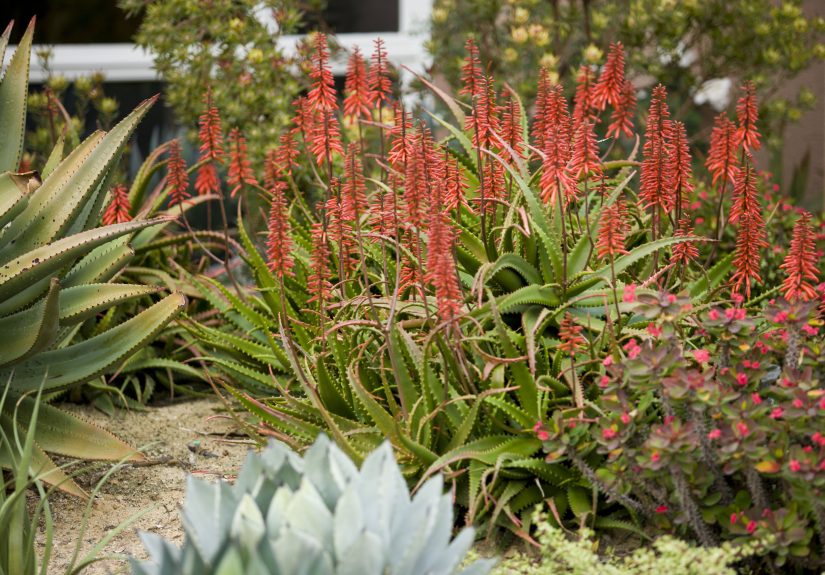
8) Aloe Vera (Aloe vera)
Aloe vera can bloom with tubular flowers on tall spikes (yellow to orange tones are common), but it usually needs to be mature and in strong light. Let soil dry between waterings and reduce watering in cooler months. If your indoor aloe flowers, feel free to bragpolitely, but definitely brag.
9) Gasteria (Gasteria gracilis and relatives)
Gasteria is a friendly houseplant succulent that tolerates brighter shade better than many sun worshipers. The blooms are dangly, tubular, and bi-coloredoften appearing in winter to spring on long stems. Keep it in a gritty mix, water sparingly, and don’t let it sit in wet soil.
10) Desert Rose (Adenium obesum)
The name doesn’t lie: this plant is all about thick caudex trunks and trumpet-shaped flowers in pinks, reds, and whites. For best flowering, give it lots of sun and warmth, plus excellent drainage. Water during active growth, then ease off when it slows down. Overwatering is the quickest way to turn “desert rose” into “sad rose.”
11) Crown of Thorns (Euphorbia milii)
This one blooms for a long season with colorful bracts (reds, pinks, yellows) around tiny true flowersoften from late winter into fall indoors with good light. It likes sun and well-drained soil, and it’s drought tolerant once established. Handle with care: it’s spiny, and the milky sap can irritate skin.
12) String of Pearls (Curio rowleyanus)
The beads get the attention, but the flowers are a sweet bonus: small, white, and often described as cinnamon-scented. Bright light (not scorching), airy soil, and careful watering help. Many growers see blooms after a cooler, drier winter rest. It’s the botanical version of “I needed a nap, and now I’m ready to perform.”
13) Starfish Flower (Stapelia gigantea and friends)
Stapelia produces huge star-shaped flowers that look like alien couture. They’re spectacularand famously…fragrant (in a “flies find it irresistible” way). Give it bright light, warm temps, and very fast-draining soil. Water lightly and let it dry, especially outside active growth. This plant is not for people who want their home to smell like vanilla cupcakes.
14) Queen of the Night (Epiphyllum oxypetalum)
A night-blooming cactus with enormous white, fragrant flowers that open after dark and fade by morning. It typically blooms late spring into early summer (houseplants can be less predictable). Provide bright, indirect light, a chunky well-drained mix, and more regular moisture during active growththen back off a bit in cooler seasons.
15) Dragon Fruit (Selenicereus undatus)
Yes, the fruit comes from a cactus, and yes, it flowers like it’s auditioning for a perfume ad: big, nocturnal blooms that may last only one night. It needs warmth, sun, and support (it’s a climber). With enough light and the right conditions, you can get flowersand potentially fruiton a patio or bright indoor setup.
16) Easter Lily Cactus (Echinopsis oxygona)
If you like big, dramatic, sometimes sweet-scented night blooms, Echinopsis delivers. Flowers can open in the evening and fade by midday, especially in heat. Give it very bright light and a drier winter rest to encourage spring/summer flowering. Mature plants can bloom heavily when happy, like they’re showing offand they are.
17) Pincushion Cactus (Mammillaria spp.)
Mammillarias often make a “halo” ring of small flowers around the crown, which is wildly cute for something covered in spines. Provide strong light and a gritty mix. Many species bloom better after a cooler, drier winter. Bonus: some produce colorful little fruits that look like tiny ornaments.
18) Chin Cactus (Gymnocalycium spp.)
Compact, ribbed cacti with satiny flowers in white, pink, or pale tones. They do well in containers and reward steady care: bright light, careful watering, and excellent drainage. If you’ve ever wanted a plant that looks like a tiny armored tank and then unexpectedly produces a delicate bloomcongrats, this is your moment.
19) Hardy Ice Plant (Delosperma cooperi)
A sun-loving ground cover with masses of daisy-like flowers (often vivid pink-purple) that can bloom for a long stretch in summer into fall. It thrives in hot, dry sites with sharp drainage. Great for rock gardens, slopes, and anyone who wants maximum bloom with minimum fussaka the dream.
Bloom Troubleshooting: Why Isn’t My Succulent Flowering?
- Not enough light: The most common reason. Move it brighter or add a real grow light.
- No seasonal cue: Some need cool nights or long darkness periods (holiday cactus, kalanchoe).
- Too much water or fertilizer: Leafy growth can come at the expense of blooms.
- It’s too young: Aloe, jade, and some cacti often need maturity before flowering.
- Root issues: Soggy soil, poor drainage, or a pot with no holes can stop blooming fast.
Conclusion
The best part about flowering succulents is that they don’t just “bloom”they surprise you. Give them bright light, gritty soil, and a little seasonal rhythm, and you’ll get everything from holiday bouquets to midnight flowers that feel like a secret. Pick a couple from this list, match them to your space, and let your succulents do what they do best: thrive on “mostly ignored, occasionally admired.”
Real-World Growing Experiences (The Stuff You Only Learn After You’ve Panic-Googled at Midnight)
Here’s what many gardeners discover once they start chasing blooms from succulents: flowering is less about “perfect care” and more about consistent, season-appropriate care. The plants on this list don’t want constant attentionthey want the right pattern. And if you give them that pattern, they tend to bloom on a schedule that feels almost smug.
One of the most common experiences is the “light upgrade miracle.” A succulent that sits politely green for a year will suddenly produce buds after moving just two feet closer to a bright window. This is especially noticeable with echeveria and many cacti: in low light they stretch; in strong light they tighten up, color up, and start building the energy reserves needed for flowers. The funny part is how quickly the plant seems to respond once the lighting is rightlike it was waiting for you to figure it out.
Another classic moment: learning that some bloom triggers feel weirdly strict. Holiday cacti and kalanchoe can be the biggest “rules lawyers” in a plant collection. Gardeners often report that buds form beautifully…until a single night of room light interrupts the long-darkness requirement, and the plant drops buds like it’s canceling plans. It’s not being dramatic; it’s following its biology. The workaround is simple but annoying: pick a dark room, a closet schedule, or cover the plant reliably.
With lithops, the experience tends to be the opposite: success comes from doing less. Many people new to living stones water them like normal succulents and then wonder why the plant looks “too full” or starts failing. Growers eventually learn to respect dormancyespecially the dry periodsbecause lithops is built around a seasonal cycle. When you finally see that fissure widen before flowering, it feels like the plant is sending you a tiny, silent text message: “Okay, now.”
Night bloomers create their own stories. Epiphyllum and dragon fruit often bloom at inconvenient hours, which means gardeners end up setting alarms like they’re catching a lunar eclipse. People describe stepping out with a flashlight at 10:30 p.m. to find a massive flower unfurling, fragrant and surreal, and thinking, “This is the most magical thing I’ve ever seen from a plant I mostly forget to water.” If you want a bloom that feels like an event, night-blooming succulents deliver.
And then there’s the “unexpected victory” category: a jade plant blooming after years, an aloe sending up a spike, or a crown of thorns flowering nonstop once it finally gets enough sun. These wins teach a useful lesson: blooming is often the result of stability. Not fussing. Not repotting every five minutes. Not experimenting with five fertilizers at once. Just bright light, sharp drainage, and a watering routine that makes sense for the season.
If you’re aiming for more flowers, the most practical “experience-based” takeaway is this: track your conditions. Notice winter temperatures near the window. Notice how long lights stay on in the room. Notice how long the pot stays damp after watering. Once you spot the mismatch (too dim, too wet, too warm at night, too much late-night light), fixing it is usually simpleand your succulents often respond with buds as a thank-you note.