Table of Contents >> Show >> Hide
- Before the list: how teeth get damaged (in plain English)
- The 19 habits that wreck your teeth (and what to do instead)
- 1) Brushing like you’re scrubbing a cast-iron pan
- 2) Skipping bedtime brushing (the “I’ll do it in the morning” lie)
- 3) Treating floss like an optional software update
- 4) Snacking all day (especially on carbs)
- 5) Sipping sugary drinks over hours (soda, sweet tea, flavored coffee, juice)
- 6) Living on acidic drinks (sports drinks, energy drinks, citrus drinks, kombucha)
- 7) Brushing immediately after something acidic
- 8) Chewing ice (aka “my teeth are not a blender”)
- 9) Nail biting
- 10) Chewing on pens, hoodie strings, or random objects
- 11) Using teeth as tools (opening packages, ripping tags, holding hairpins)
- 12) Teeth grinding or clenching (bruxism)
- 13) Chewing gum nonstop (especially sugary gum)
- 14) Making hard candy your emotional support snack
- 15) Smoking or using smokeless tobacco
- 16) Vaping (especially frequent, daily use)
- 17) Chronic dry mouth (dehydration, mouth breathing, some medications)
- 18) Ignoring acid reflux/GERD (your teeth notice, even if you don’t)
- 19) Oral piercings (and playing with the jewelry)
- A quick “save-your-smile” plan you can start today
- Real-world experiences: what these habits look like in everyday life (and how people turn it around)
- Conclusion
Your teeth are tough… but they’re not invincible. Most dental problems don’t start with a dramatic “CRACK!” moment.
They usually begin with tiny, everyday habits that quietly wear down enamel, feed cavity-causing bacteria, inflame gums,
or stress the jaw until something finally complains (often at 2 a.m., because teeth love drama).
The good news: a “wrecked teeth” habit is usually just a “replaceable routine.” Below are 19 common behaviors that can
damage teeth over timeplus realistic, non-robotic fixes you can actually stick with.
Before the list: how teeth get damaged (in plain English)
Most tooth trouble comes down to a few repeat offenders:
acid (softens enamel), sugar + starch (feeds bacteria that make more acid),
plaque (sticky biofilm that irritates gums), and force (cracks, chips, and wear from grinding or chewing hard stuff).
Your job isn’t to be perfectit’s to stop giving those offenders unlimited VIP access.
The 19 habits that wreck your teeth (and what to do instead)
1) Brushing like you’re scrubbing a cast-iron pan
Overbrushing (especially with a hard brush or heavy pressure) can wear enamel near the gumline and contribute to gum recession.
Translation: sensitivity, not sparkle.
Do this instead: Use a soft-bristled brush, gentle pressure, and small circles. If you go electric, let the brush do the work
your hand doesn’t need to audition for a power tool commercial.
2) Skipping bedtime brushing (the “I’ll do it in the morning” lie)
Nighttime is when saliva flow tends to drop, and saliva helps protect teeth. Leaving food + plaque on teeth overnight is basically hosting a buffet
for bacteria while your mouth’s defenses are half-asleep.
Do this instead: Brush for two minutes before bed with fluoride toothpaste. If you can only be great once a day, be great at night.
3) Treating floss like an optional software update
A toothbrush can’t fully clean between teeth. That’s where plaque and food debris like to camp out, which can increase cavity risk and gum irritation.
Do this instead: Floss once daily, or use interdental brushes/water flossers if floss makes you feel personally attacked.
The “best” method is the one you’ll actually do.
4) Snacking all day (especially on carbs)
The issue isn’t only what you eatit’s how often. Frequent snacking gives bacteria repeated fuel, producing acids that attack enamel
again and again.
Do this instead: Keep most eating to meals. If you snack, choose tooth-friendlier options (cheese, nuts, crunchy veggies),
and drink water afterward.
5) Sipping sugary drinks over hours (soda, sweet tea, flavored coffee, juice)
“I only had one drink” can still mean 100 tiny sips, and each sip is another acid attack. Sugary beverages are a classic cavity setupespecially when
they’re slowly sipped instead of finished.
Do this instead: If you’re having something sweet, drink it with a meal, don’t nurse it all afternoon, and follow with water.
Better yet, make water your default “all-day beverage.”
6) Living on acidic drinks (sports drinks, energy drinks, citrus drinks, kombucha)
Acid can soften enamel and contribute to erosive wear. Even “healthy-sounding” drinks can be enamel-troublemakers if they’re acidic and frequent.
Do this instead: Limit acidic drinks, use a straw when possible, and rinse with water after. Consider them “sometimes” drinks,
not “refill forever” drinks.
7) Brushing immediately after something acidic
After acidic foods/drinks (or acid exposure from reflux), enamel can be softened. Scrubbing right away can increase wearlike sanding wood while it’s still damp.
Do this instead: Rinse with water first and wait about 30 minutes before brushing. If your mouth feels gross, water is your safe reset button.
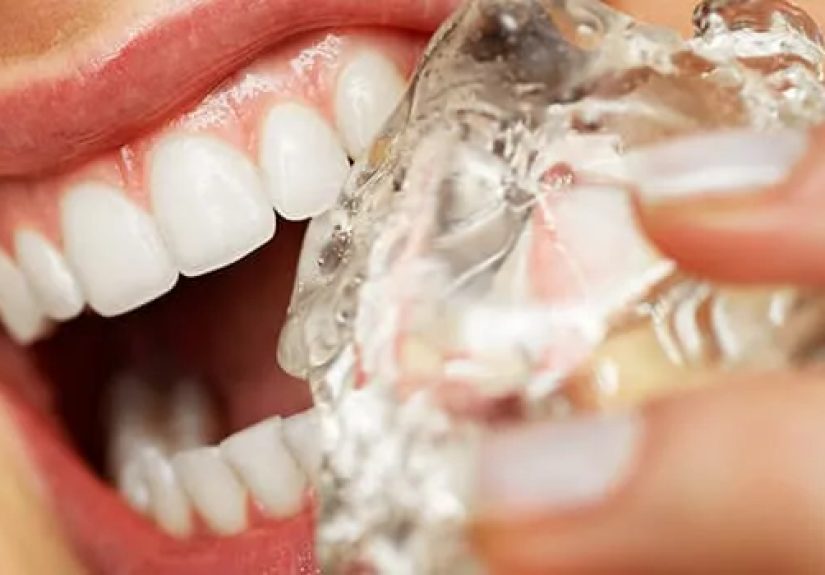
8) Chewing ice (aka “my teeth are not a blender”)
Ice is hard enough to chip enamel, crack teeth, and damage fillings or crowns. And it’s sneakyone enthusiastic crunch can be all it takes.
Do this instead: Let ice melt, switch to chilled water, or chew sugar-free gum. If you crave ice constantly, consider mentioning it to a clinician
since persistent ice chewing can sometimes be linked to iron deficiency.
9) Nail biting
Nail biting can chip edges of teeth, wear enamel, and stress the jaw. Plus, it introduces germs from hands to mouth. It’s multitaskingjust not in a good way.
Do this instead: Trim nails short, use a bitter nail coating if helpful, and swap the habit with a fidget or gum (sugar-free).
10) Chewing on pens, hoodie strings, or random objects
If it’s not food, your teeth didn’t sign up for it. Object-chewing can cause micro-cracks, chips, and uneven wearespecially on front teeth.
Do this instead: Keep a stress ball nearby, chew sugar-free gum, or use a purpose-made chew tool if you truly need that oral “busy” feeling.
11) Using teeth as tools (opening packages, ripping tags, holding hairpins)
Teeth are for chewing food. Using them to open stuff is a fast track to cracked enamel, chipped edges, and “why is this so expensive?” dental visits.
Do this instead: Keep scissors or a box cutter handy. Your teeth are not Swiss Army knives.
12) Teeth grinding or clenching (bruxism)
Grinding can wear down teeth, cause cracks, create sensitivity, and trigger jaw pain or headaches. Many people do it during sleep and have no idea
until their dentist points out the evidence.
Do this instead: Ask a dentist about a night guard if you grind. During the day, practice “lips together, teeth apart” as a quick reset,
and try stress-lowering routines before sleep.
13) Chewing gum nonstop (especially sugary gum)
Sugar feeds bacteria. Constant chewing can also irritate the jaw in some peopleparticularly if you’re already clenching or dealing with TMJ symptoms.
Do this instead: Choose sugar-free gum (xylitol is commonly used) and keep it occasionalthink “after meals,” not “all day like a cow.”
14) Making hard candy your emotional support snack
Hard candy is a double hit: prolonged sugar exposure and a higher chance of chipping a tooth if you crunch. Sticky candies are even worse because they cling.
Do this instead: If you want something sweet, have it with a meal and drink water after. If you need mouth comfort, try sugar-free lozenges
or gumwithout turning your teeth into a sugar slow-cooker.
15) Smoking or using smokeless tobacco
Tobacco use is strongly linked with gum disease and tooth loss. It can also complicate healing and increase risks for serious oral health problems.
Do this instead: If you use tobacco, quitting is one of the biggest upgrades you can give your mouth. If quitting feels huge, start with support:
dental offices and primary care clinics can help connect you to evidence-based options.
16) Vaping (especially frequent, daily use)
The research is still developing, but dental experts warn vaping may raise the risk of issues like dry mouth, gum irritation, and possibly more cavities in some users.
“Less harmful than smoking” does not mean “harmless to teeth.”
Do this instead: If you vape, don’t ignore mouth dryness, bleeding gums, or rising sensitivity. Hydrate, keep excellent oral hygiene,
and consider stoppingyour gums would like a break from the chemistry experiment.
17) Chronic dry mouth (dehydration, mouth breathing, some medications)
Saliva protects teeth by helping wash away food and neutralize acids. When your mouth stays dry, the risk of decay and infections can rise.
Do this instead: Sip water regularly, chew sugar-free gum, and talk with a clinician if dry mouth is persistent (especially if it started after a new medication).
Address nasal congestion and mouth breathing when possible.
18) Ignoring acid reflux/GERD (your teeth notice, even if you don’t)
Stomach acid can erode enameloften on the inner surfaces of teeth. Sometimes dental erosion is one of the early clues that reflux is a recurring issue.
Do this instead: If you suspect reflux, talk to a healthcare professional. For teeth: rinse with water after episodes, wait before brushing,
and let your dentist know so they can watch for erosion patterns.
19) Oral piercings (and playing with the jewelry)
Oral piercings can be associated with chipped teeth, gum recession, and soft-tissue injuriesespecially when jewelry repeatedly knocks against teeth or gums.
Do this instead: If you have oral jewelry, avoid clicking or biting it, keep it clean, and get regular dental checkups. If you notice gum recession,
cracks, or soreness, don’t waitthose problems rarely fix themselves.
A quick “save-your-smile” plan you can start today
- Brush twice daily (especially before bed) for two minutes with fluoride toothpaste.
- Clean between teeth daily (floss, interdental brushes, or water flosser).
- Reduce frequency of sugar and acidic drinksfinish them, don’t sip for hours.
- Use protection (mouthguard for sports; night guard if you grind).
- Hydrate and address persistent dry mouth or reflux with professional guidance.
If you’re dealing with bleeding gums, persistent sensitivity, cracks, jaw pain, or a tooth that hurts when you bitebook a dental visit.
Small issues are cheaper, easier, and far less dramatic than big ones.
Real-world experiences: what these habits look like in everyday life (and how people turn it around)
In real life, “bad habits” don’t show up wearing a villain cape. They show up as routines that feel normaluntil they don’t.
One of the most common patterns is the all-day sipper: someone who carries a sweet coffee, soda, or juice around like a sidekick.
It starts innocently (“I’m just staying hydrated!”), but the mouth gets repeated sugar-and-acid exposure for hours. People are often surprised that
a single drink can cause more trouble when it’s slowly sipped than when it’s finished with a meal. The fix that sticks is usually simple:
water becomes the default “carry-around” drink, and sweet/acidic drinks become “have it, enjoy it, done.”
Another frequent story is the stress grinder. School pressure, work deadlines, family stuffstress doesn’t always stay in your head.
For many people it travels straight to the jaw. They wake up with headaches, jaw soreness, or teeth that feel “tired,” and they assume it’s just life.
Dentists often spot the wear patterns first. What helps isn’t one magical trickit’s a combo: a night guard to protect teeth,
a calmer wind-down routine, and daytime awareness (checking whether your teeth are clenched when you’re concentrating).
The big “aha” moment for a lot of people is realizing their jaw has a default settingand they can change it.
Then there’s the DIY herothe person who wants whiter teeth yesterday and tries every internet hack: extra whitening strips,
abrasive powders, aggressive brushing. The result can be sensitivity, irritated gums, and enamel wear that makes teeth look more yellow over time
(because thinning enamel reveals darker dentin underneath). The people who get the best long-term results usually switch to a slower, safer plan:
dentist-guided whitening if needed, gentle brushing, and consistency over intensity. Teeth respond well to patience. They respond poorly to panic.
Finally, a lot of people don’t realize how often dry mouth is the hidden driver. Maybe they breathe through their mouth at night,
live on caffeine, take medications that reduce saliva, or just don’t drink enough water. They end up with bad breath, more plaque buildup,
and a higher risk of decayespecially along the gumline. The turning point is typically when they connect the dots:
saliva isn’t just “spit,” it’s protection. Once people add hydration, sugar-free gum, and address nighttime mouth breathing,
their mouth often feels better fastand their dental checkups start looking a lot less “surprise!”
The overall theme in these experiences is encouraging: most people don’t need a perfect routinethey need a repeatable one.
Pick two changes you can keep (like bedtime brushing and fewer sugary sips), lock them in for a month, and build from there.
Teeth are a long game, but the momentum starts now.