Table of Contents >> Show >> Hide
- What Makes a Kitchen Feel “Cottage” (Without Doing Too Much)
- 20 Cottage Kitchen Ideas That Add Cozy Style
- 1) Paint Cabinets a “Soft Storybook” Color
- 2) Add Beadboard (Even a Little Goes a Long Way)
- 3) Swap in a Farmhouse (Apron-Front) Sink
- 4) Use Open Shelving to Show Off “Everyday Pretty”
- 5) Choose Warm Wood Countertops (or a Butcher Block Moment)
- 6) Mix Metals Like You Mean It
- 7) Install Classic Tile with Personality
- 8) Add a Plate Rack or Display Ledge
- 9) Bring in a Freestanding Furniture Piece
- 10) Try a Cozy Banquette or Breakfast Nook
- 11) Layer in Cottage Textiles
- 12) Replace Harsh Lighting with Vintage-Inspired Fixtures
- 13) Put Hooks to Work (and Make Them Cute)
- 14) Add a Small “Coffee or Tea Station”
- 15) Choose Hardware with Vintage Character
- 16) Embrace Glass-Front Cabinets or Open-Top Uppers
- 17) Add Natural Elements (Fresh Herbs Count)
- 18) Create a “Collected” Wall Moment
- 19) Soften the Room with a Rug (Yes, Really)
- 20) Balance Old and New for “Fresh Cottage” Style
- Common Cottage Kitchen Mistakes (and How to Avoid Them)
- A Quick Cottage Kitchen Game Plan (Spend vs. Save)
- Real-World “Experience” Notes: What People Learn After Going Cottage
- Conclusion
A cottage kitchen is basically a warm hug with a backsplash. It’s the kind of space that makes you want to
bake something you’ll “accidentally” eat while it cools, invite friends over for coffee, and pretend you’re
not judging your own junk drawer.
The best part? Cottage style isn’t about perfectionit’s about comfort, character, and a few charming details
that make your kitchen feel lived-in (in the good way). Below are 20 cottage kitchen ideas that add cozy style
without turning your home into a themed set for “Historic Bread Enthusiasts: The Musical.”
What Makes a Kitchen Feel “Cottage” (Without Doing Too Much)
Cottage kitchens usually share a few signature moves: soft, welcoming colors; warm wood; a mix of old and new;
open storage that shows off everyday pretties; and textures that feel humanlike beadboard, woven baskets, and
slightly imperfect ceramics.
- Cozy color: creamy whites, warm neutrals, dusty blues, sage greens
- Friendly materials: wood, tile, iron, linen, rattan, stone, vintage brass
- “Collected” charm: thrifted pieces, heirlooms, flea market finds, handmade touches
- Practical prettiness: open shelving, hooks, plate racks, pantry jars, baskets
If your kitchen can handle both a weeknight scramble and a Sunday simmer, you’re already halfway to cottage.
Now let’s add the cozy style.
20 Cottage Kitchen Ideas That Add Cozy Style
1) Paint Cabinets a “Soft Storybook” Color
Cottage kitchens love gentle huesthink warm cream, misty blue, or sage green. Painted cabinets instantly
soften hard lines and make the space feel calm and welcoming. Try a muted color on lowers and a lighter tone
up top to keep things airy (and to hide the fact that you own 47 mugs).
2) Add Beadboard (Even a Little Goes a Long Way)
Beadboard brings texture that screams “cozy cottage” in a polite indoor voice. Use it as a backsplash, on an
island, or as a wainscoting wrap. Seal it well if it’s near water or heat, and keep clearances in mind near a
range for safety and easy cleaning.
3) Swap in a Farmhouse (Apron-Front) Sink
An apron-front sink is cottage charm with a practical backbone. It feels classic, works hard, and looks great
against both vintage and updated finishes. If replacing the sink is a big project, mimic the vibe with a deep
single-bowl sink and an old-school bridge or gooseneck faucet.
4) Use Open Shelving to Show Off “Everyday Pretty”
Open shelves are a cottage kitchen signature because they make the kitchen feel relaxed and lived-in.
Keep it curated: stack plates, line up glasses, and sprinkle in a few ceramics or cookbooks. The rule is
“useful, not cluttered”like your best friend who tells you the truth but brings snacks.
5) Choose Warm Wood Countertops (or a Butcher Block Moment)
Butcher block adds instant warmth and that “I might own a rolling pin” energy. Try it on an island, a coffee
bar, or one run of counter to balance stone or quartz. Bonus: it plays nicely with vintage décor and makes
white kitchens feel less sterile.
6) Mix Metals Like You Mean It
Cottage style isn’t matchy-matchy; it’s collected. Pair brushed brass hardware with an aged iron light, or
mix polished nickel with antique bronze accents. The trick is repetition: use each metal at least twice so it
looks intentional, not accidental.
7) Install Classic Tile with Personality
White subway tile is timeless, but cottage kitchens also adore handmade-look ceramic, scalloped edges,
soft-colored zellige-style tile, or simple patterned squares. If you want maximum charm with minimum chaos,
keep the pattern subtle and let grout color do some of the design work.
8) Add a Plate Rack or Display Ledge
A plate rack is cottage kitchen décor that earns its keep. Mount one on a wall, build it into a cabinet
section, or use a slim ledge to display a few favorite pieces. Choose plates that share a color family so the
display reads “collected,” not “yard sale roulette.”
9) Bring in a Freestanding Furniture Piece
Cottage kitchens often look less “built-in showroom” and more “welcoming home” because they use furniture:
a vintage hutch, a pantry cabinet, or a small sideboard for linens and serving pieces. It adds character and
breaks up long runs of cabinetry.
10) Try a Cozy Banquette or Breakfast Nook
Banquette seating gives you that tucked-in café feelingperfect for quick breakfasts, homework, or chatting
while something simmers. Add a cushion in durable fabric and a couple of throw pillows. Suddenly your kitchen
has a “stay awhile” corner.
11) Layer in Cottage Textiles
Linen café curtains, gingham, soft florals, and simple stripes bring cottage warmth fast. Start small:
a runner rug, a Roman shade, or tea towels that don’t look like they were printed at an office supply store.
Textiles are the cheapest way to add soul.
12) Replace Harsh Lighting with Vintage-Inspired Fixtures
Cottage kitchens shine (literally) with pendants, schoolhouse lights, lantern-style fixtures, or a small
chandelier over a table. Aim for warm bulbs and layered lighting: overhead + under-cabinet + a lamp on a
counter (yes, a lamp in a kitchen is a thing, and it’s charming).
13) Put Hooks to Work (and Make Them Cute)
Peg rails and simple wall hooks are cottage classics: hang mugs, utensils, baskets, or a pretty apron.
It’s functional storage that doubles as décor. Keep it tidy by limiting colors or sticking to a small set of
“display items” you actually use.
14) Add a Small “Coffee or Tea Station”
Cottage kitchens feel hospitable, and a beverage corner helps. Use a tray, a few jars, stacked cups, and a
little art or a framed botanical print. It creates a cozy ritual zone that makes mornings feel less like a
sprint and more like a gentle jog (with caffeine).
15) Choose Hardware with Vintage Character
Swap builder-basic pulls for bin pulls, ceramic knobs, or aged brass. Hardware is jewelry for your kitchen:
tiny detail, big impact. If your cabinets are staying, this is one of the fastest upgrades that still feels
“designer.”
16) Embrace Glass-Front Cabinets or Open-Top Uppers
Glass-front doors lighten the room and make your kitchen feel more relaxed. Use them for neatly stacked
dishes, pretty jars, or a small collection. If glass-front feels too exposed, try reeded glass or keep the
interior consistent with a few repeating shapes.
17) Add Natural Elements (Fresh Herbs Count)
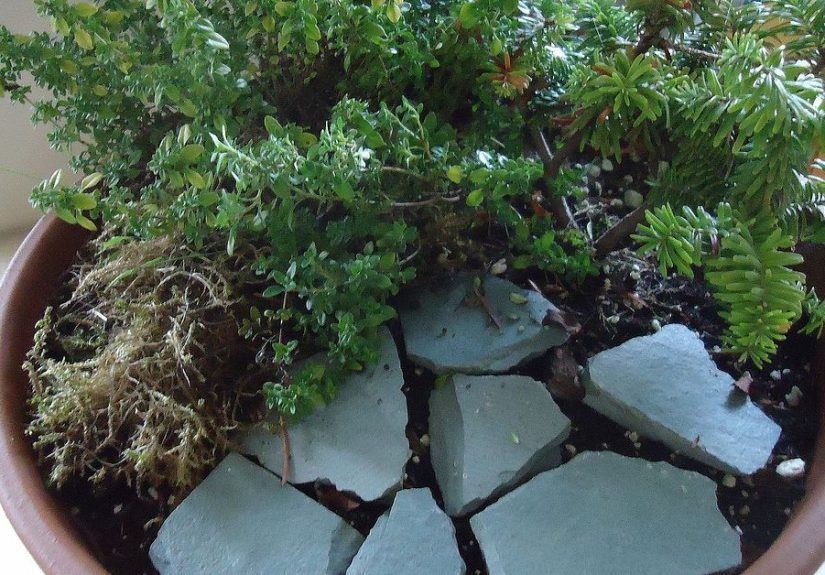
Cottage style loves naturewood boards, woven baskets, stoneware, and greenery. A small herb pot by the
window does double duty: it looks charming and makes you feel like the kind of person who always has basil
(even if you absolutely do not).
18) Create a “Collected” Wall Moment
Try a small gallery of vintage food prints, botanical art, or framed recipes. Or hang a few cutting boards,
copper pans, or a set of vintage plates. Keep it cohesive with a shared color palette or frame style so it
feels intentional.
19) Soften the Room with a Rug (Yes, Really)
A washable rug adds color, pattern, and warmth underfootespecially in kitchens with lots of hard surfaces.
Look for low-pile, easy-clean options and place it where you stand most (sink, stove, or prep zone). Cozy
shouldn’t mean slippery.
20) Balance Old and New for “Fresh Cottage” Style
Cottage kitchens don’t have to be outdated. Pair a vintage piece with modern counters, or mix traditional
cabinet doors with a sleek range. The goal is charm plus function: a space that feels timeless, not trapped
in a decade.
Common Cottage Kitchen Mistakes (and How to Avoid Them)
-
Too much clutter: Cottage is collected, not chaotic. Give décor breathing room and keep
countertops mostly functional. -
Everything “rustic” at once: A little weathered wood goes far. Mix in smoother finishes so
the room doesn’t feel heavy. -
Ignoring lighting: Warm layers of light matter more than people thinkespecially in a cozy
style. -
Open shelves with no plan: Choose a small set of items to display and store the rest behind
doors (your future self will thank you).
A Quick Cottage Kitchen Game Plan (Spend vs. Save)
If you want the most cottage impact per dollar, start with paint, hardware, lighting, and textiles. Save big
replacements (like counters and sinks) for when you’re ready to renovate.
- Spend (if you can): lighting, faucet, sink, durable flooring
- Save (and still win): paint, hardware, shelves, curtains, rugs, décor
Real-World “Experience” Notes: What People Learn After Going Cottage
When homeowners share their cottage kitchen before-and-afters, a few patterns show up again and againand they
aren’t just about style. They’re about how the kitchen feels to live in every day.
First, most people realize that cozy is a systems problem, not just a color choice. You can
paint cabinets the prettiest cream in the world, but if the counters are overflowing and there’s no home for
the toaster, it won’t feel calming. That’s why cottage kitchens tend to lean on “visible but organized”
storage: hooks, baskets, trays, and shelves that keep essentials handy without looking messy. The biggest win?
Creating one or two “landing zones” (like a coffee station or baking shelf) so daily routines feel smoother.
Second, people often discover that texture does the heavy lifting. In a lot of updates, the
most-loved additions aren’t the expensive onesthey’re the tactile ones: beadboard, a warm wood countertop,
woven shades, a soft runner, a thrifted hutch with a little patina. Those details add comfort even when the
layout stays exactly the same. It’s a reminder that cottage style is less about dramatic “after” photos and
more about that steady, cozy vibe you notice at 7 a.m. in socks.
Third, there’s a very specific lesson people mention after installing open shelving:
display what you use, and use what you display. The happiest shelf stories are simplestacked
plates, everyday glasses, a few jars, and maybe a small piece of art. The “I regret this” stories usually come
from trying to style shelves like a museum exhibit (or putting random items up there because the cabinet was
full). The fix is easy: keep a consistent color family, limit décor to a few pieces, and treat shelves as
working storage with a little charm on top.
Another recurring experience: mixing old and new feels more authentic than committing to one era.
People love pairing a modern range with vintage-inspired knobs, or a sleek counter with a freestanding pantry.
That mix keeps the kitchen from feeling like a movie set. It also makes upgrades easier over timebecause you
can swap one element (like lighting) without “breaking” the whole look.
Finally, many homeowners say the most surprising benefit is that a cottage kitchen
encourages connection. A banquette invites someone to sit and chat. Warm lighting keeps the
room from feeling like a fluorescent work zone. A few personal objectshandwritten recipes, a favorite mug
collection, a plant on the windowsillmake the space feel friendly. It’s not about perfection; it’s about
making a kitchen where people naturally gather. And honestly, that’s the coziest design goal there is.