Table of Contents >> Show >> Hide
- Why Vintage Spring Landscapes Work Like Magic
- What’s Inside the Remodelaholic Collection
- How to Print Vintage Landscape Art So It Looks Expensive
- Framing Tips: Make It Look Like a Curated Collection
- Easy Decorating Ideas Using the 20 Printables
- Want More? Reputable Places to Find Vintage Landscape Images
- Common Mistakes (and How to Avoid Them)
- Mini Project Examples: Put the Printables to Work
- Experience Section: What It Feels Like to Style Vintage Spring Printables
- Conclusion
Spring has a funny way of making your home feel… judgmental. One day your living room is cozy “winter chic,”
and the next day it’s giving “hibernation bunker with throw pillows.” The good news: you don’t need a full
makeover to make your space feel lighter and more alive. A few well-chosen vintage spring landscape printables
can do the heavy liftingwithout heavy spending.
That’s why the “20 Free Vintage Spring Landscape Printable Images” collection from Remodelaholic is such a
gem: it’s essentially a mini springtime art gallery you can download, print, and frame. Think cottages,
blossoms, streams, butterflies, birds, and soft countryside colorsaka the visual equivalent of cracking a
window open and letting the good mood in.
Why Vintage Spring Landscapes Work Like Magic
Vintage landscapes have a built-in “soft focus” charm. The colors tend to be calmer, the details feel
storybook-ish, and the scenes are timelessso they blend with farmhouse, traditional, cottagecore, and even
modern interiors (yes, modernbecause contrast is a design superpower).
- They feel seasonal without screaming “SEASONAL!” (No offense to aggressively festive signs.)
- They’re versatile: gallery walls, mantels, shelves, entry tables, even kitchens and bathrooms.
- They’re budget-friendly: the “upgrade” is mostly ink and paper.
- They add narrative: a cottage path, a gate by a lake, a stream in springyour wall starts telling stories.
What’s Inside the Remodelaholic Collection
Remodelaholic’s set is curated around classic spring themesso you can mix and match without things feeling
random. The collection includes multiple pieces that naturally “pair up” or form trios, which is a huge win
if you like symmetrical styling or want an instant gallery-wall moment.
1) Cottagecore Before Cottagecore Was Cool
Several images feature cottages and countryside scenesthe kind that make you want to bake bread from scratch
and then immediately remember you don’t actually like baking. These prints look especially good in
entryways, breakfast nooks, or anywhere you want “warm welcome” energy.
2) Blossoms, Roses, and “Spring is Here” Florals
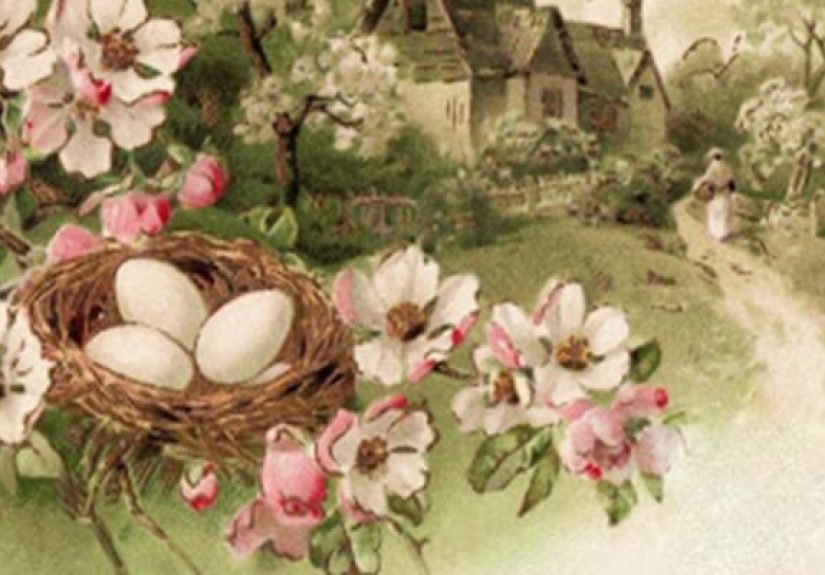
Blossoms show up throughout the setpink blooms, spring flowers, and garden touches that bring color without
needing a weekly flower budget. If your home is mostly neutral, these prints add that little pop that says,
“Yes, I do have a personality, thank you for asking.”
3) Butterflies, Birds, and Small Details That Feel Alive
The collection includes charming nature accentslike butterflies and birdsthat make the landscapes feel
animated and cheerful. These tend to work beautifully in smaller frames (5×7 or 8×10) on shelves, desks,
or bedside tables.
4) Streams, Sunsets, Windmills, and Scenic “Breathing Room”
Not every print is cottage-and-flowers; there are also broader scenic momentsstreams, sunsets, and classic
countryside compositions. These are the ones to go bigger with (11×14 or even 16×20) because they create
calm, open space visuallylike adding a window where there isn’t one.
How to Print Vintage Landscape Art So It Looks Expensive
Free art can absolutely look “high-end,” but it helps to treat printing like a tiny craft project instead of
hitting “Print” and hoping for the best. Here’s the approach that consistently produces frame-worthy results.
Step 1: Pick the Right Size (and Don’t Stretch the Image)
Most vintage printables look great in these common sizes:
- 5×7: perfect for layering on a mantel or shelf
- 8×10: the easiest “thrifted frame” size
- 11×14: great for statement pieces (especially landscapes)
A key rule: avoid stretching an image to fit a frame if it distorts the artwork. Instead, crop gently or add
a white border so it fits cleanly.
Step 2: Choose Paper That Matches the Vibe
Paper choice is the difference between “cute printable” and “wait… where did you buy that?” For vintage
landscapes, these are the usual winners:
- Matte heavyweight paper: soft, classic, minimal glarebest for vintage looks
- Fine art/textured paper: adds an “art print” feel (great for landscapes)
- Satin/luster photo paper: slightly richer color, still not as shiny as glossy
If your room has lots of windows, matte is your best friend. Glossy can reflect light in a way that makes
art harder to enjoyunless your goal is for guests to see themselves and reconsider their life choices.
Step 3: Printer Settings That Actually Matter
- Select the correct paper type in printer settings (matte vs photo paper makes a real difference).
- Choose high quality or best print mode for final copies.
- Print at 100% or “actual size” for predictable framing.
- Do a quick test print on plain paper before using your fancy stock.
Framing Tips: Make It Look Like a Curated Collection
You can frame printables casuallyor you can frame them like you’re about to open a tiny museum gift shop in
your hallway (the dream). Either way, these tips keep your prints looking crisp and cared for.
Use a Mat (Even a Simple One)
Mats make art feel intentional. A white or cream mat also complements the vintage palette and helps unify
different prints in the set. If you’re mixing styles, mats are the peace treaty that gets everyone to agree.
Keep the Print Off the Glass
Prints shouldn’t press directly against glazing. A mat or spacers help prevent sticking and reduce the risk
of damage over timeespecially in humid spaces like bathrooms.
Think About Light Exposure
Even if you use UV-filtering glazing, avoid placing framed paper art in direct sunlight. Consider rotating
prints seasonallyspring landscapes now, summer botanicals later, fall sketches next. It keeps things fresh
and reduces long-term fading.
Easy Decorating Ideas Using the 20 Printables
Remodelaholic highlights how these images can refresh your home fastgallery walls, mantels, spring table
settings, and crafts. Here are practical ways to use them without turning your house into a craft store aisle.
1) The “15-Minute Mantel Swap”
- Pick 2–3 prints (a trio works beautifully with this set).
- Frame them in mismatched thrift frames painted one color (white, black, or soft gold).
- Lean frames instead of hanginginstant change, zero commitment.
- Add one small spring detail: a bud vase, a tiny bird figurine, or a bowl of mossy eggs.
2) Gallery Wall, But Make It Seasonal
If you already have a gallery wall, swap in 2–4 spring landscapes and keep the rest the same. It creates a
seasonal shift without a full redesign. Bonus: you look like someone who “updates their gallery wall,” which
sounds extremely put-together.
3) A Spring Table Setting That Isn’t Fussy
Use smaller prints as place-setting accentseither framed on the table (one at each end) or printed as small
cards. Landscapes look especially charming with neutral linens and simple greenery.
4) Cloche Styling (Tiny Scene, Big Impact)
Place a small print upright under a cloche with a bit of moss, a mini wreath, or a small decorative bird.
It turns a simple printable into a little spring vignette.
5) Crafty Options That Still Feel Classy
If you like hands-on projects, vintage images shine in découpage, journaling, or DIY décor. Just keep one
guideline in mind: let the artwork be the star. A clean, simple finish reads “designer,” while over-embellishing
can read “I got excited in aisle seven.”
Want More? Reputable Places to Find Vintage Landscape Images
Remodelaholic’s list is a great starting point, but once you start printing vintage landscapes, you may find
yourself thinking, “Maybe I need… just one more.” (This is how collections happen.)
Here are reliable placesespecially major U.S. cultural institutionswhere you can find public-domain or
open-access images suitable for personal projects, printing, and creative reuse:
- Library of Congress (Prints & Photographs): huge archive of historic imagery.
- Smithsonian Open Access: millions of images and data released for reuse.
- The Metropolitan Museum of Art (Open Access): public-domain artworks and images available under CC0.
- National Gallery of Art (Free Images & Open Access): thousands of downloadable images for broad use.
- Art Institute of Chicago (Open Access): a large CC0 image collection.
- New York Public Library (Public Domain Collections): high-resolution downloads of out-of-copyright materials.
Common Mistakes (and How to Avoid Them)
Mistake 1: Downloading the Wrong Version
If the image looks fuzzy on screen, it’ll look fuzzier in a frame. Always choose the highest-resolution
available file. If you’re printing larger than 8×10, quality matters even more.
Mistake 2: Over-saturating “Vintage” Colors
It’s tempting to crank up saturation, but vintage landscapes are charming because they’re gentle.
If you edit at all, aim for tiny tweaks: slightly brighter whites, slightly warmer tones, modest contrast.
Mistake 3: Forgetting About Rights and Usage Notes
“Vintage-looking” does not automatically mean “free to use however.” Stick to sources that clearly indicate
public domain or open access, and pay attention to rights statements on each image page.
Mini Project Examples: Put the Printables to Work
Project A: Thrift Frame Glow-Up (Under $15)
- Thrift 2–3 frames in the same size (8×10 is easiest).
- Spray paint them one unified color.
- Print a trio of landscapes that share a theme (cottage set, blossoms set, or butterfly accents).
- Add mats if needed, then hang in a row or lean on a shelf.
Project B: Seasonal “Art Rotation” Binder
Print multiple favorites and store them in a simple portfolio or binder with sheet protectors. Each season,
swap out what’s in your frames. This is the adult version of paper dolls, and yes, it is just as satisfying.
Experience Section: What It Feels Like to Style Vintage Spring Printables
There’s a very specific moment that happens when you start working with vintage spring landscape printables:
you open a file, you see the soft colors and the tiny details, and your brain immediately says, “I could
totally redecorate the whole house today.” Not in a stressful waymore like a cheerful, caffeinated whisper.
And then you realize you don’t need to redo everything. You just need one wall, one shelf, one corner that
gets the “spring treatment.”
A lot of people start with the easiest win: the mantel, the entry table, or that lonely spot above the
console where the décor has been the same since… honestly, we don’t talk about it. You print one landscape
and slip it into a frame you already own. Suddenly the room looks brighter. Not because the paint changed,
or because you bought a new sofa, but because the scene itself changes the moodcottage paths, blossoms,
birds and butterflies, a stream that looks like it’s actually moving. It’s visual freshness.
The next “experience” is learning that paper matters. The first test print on plain copy paper usually looks
fine from five feet awayright up until you hold it closer and notice the colors feel flatter than you want.
Then you try a heavier matte sheet and it’s like the artwork exhaled. The vintage tone suddenly makes sense.
You start noticing the gentle gradients and the softness that makes these landscapes feel calm instead of loud.
And you develop a new skill: casually mentioning “paper weight” as if you were born knowing it.
Framing becomes its own little ritual. You realize mats aren’t just fancy cardboardthey’re the cheat code.
A simple mat can make a printable look like something you picked up at an antique store (the good kind, not
the dusty kind where a chair costs $900 because it’s “charming”). You also start getting picky about glare.
If you’ve ever hung art opposite a window and watched it turn into a mirror all day, you learn quickly:
matte prints + smart placement = sanity.
And then comes the fun part: styling the prints with real life around them. A landscape with blossoms looks
adorable next to a bud vase. A cottage scene looks right at home beside a stack of books or a little woven
basket. A butterfly print can lean in a frame on a shelf and make the whole shelf feel intentional. You
don’t need a lot of accessoriesthese images already have detail. The experience becomes more about editing:
removing clutter so the art can breathe.
One of the most satisfying “I did that” moments is when someone notices the art and assumes you bought it.
That’s when you get to smile and say, “Oh, it’s vintage printable art,” like it’s a normal thing to say,
like you’re the kind of person who definitely has a label maker (even if you don’t). And if you really want
to lean into the joy: keep a small folder of seasonal prints ready to go. When spring hits, you’ll be the
person who swaps art the way other people swap throw blankets. It’s low effort, high impactand honestly,
kind of addictive.
Conclusion
Remodelaholic’s “20 Free Vintage Spring Landscape Printable Images” collection is proof that seasonal décor
doesn’t have to be expensiveor complicatedto feel fresh. With a few thoughtful choices (paper, sizing,
framing, placement), these soft spring scenes can make your home feel lighter, warmer, and ready for the
season. Print one, frame it, and enjoy the strange confidence boost that comes from changing a room’s mood
without changing the room.