Table of Contents >> Show >> Hide
- Why Wood Ceilings Feel So Good (Even Before You Add a Blanket Ladder)
- Before You Commit: A Quick Reality Check
- 20 Wood Ceiling Ideas That Add Rustic Charm
- 1) Reclaimed Barn-Wood Planks for Instant Storytelling
- 2) Wide-Plank Wood Ceilings for a Farmhouse-Forward Look
- 3) Tongue-and-Groove Pine for Classic Cabin Warmth
- 4) Diagonal Tongue-and-Groove When You Want Subtle Drama
- 5) Painted Plank Ceilings That Still Feel Rustic
- 6) Whitewashed Wood for “Beach Cabin Meets Mountain Lodge”
- 7) Exposed Structural Beams (The Honest, No-Makeup Option)
- 8) Faux Beams for Big Charm Without the Big Engineering
- 9) Beam-and-Plank Combo for Peak Rustic Character
- 10) Coffered Wood Ceilings That Feel Rustic-Formal
- 11) Rustic Beadboard Ceilings (Yes, Beadboard Can Be Wood)
- 12) Shiplap Ceilings for Modern Farmhouse Energy
- 13) Mixed-Width Planks for a More Authentic, Less “New Lumber” Look
- 14) Herringbone Wood Ceilings for Rustic with a Side of “Wow”
- 15) Chevron Planks for Bold, Graphic Rustic
- 16) Slatted Wood Ceilings for Modern Rustic Texture
- 17) Rustic Tray Ceilings Wrapped in Wood
- 18) Vaulted Ceilings in Cedar for That “Lodge Vacation” Mood
- 19) Exposed Rafters with Wood Infill for True Cabin Character
- 20) A Wood Porch Ceiling to Make Outdoors Feel Like an Extra Room
- Materials & Finishes: The Rustic Cheat Sheet
- Lighting Tips That Won’t Fight the Wood
- Common Mistakes to Avoid (So Your Ceiling Doesn’t Become a Regret Hobby)
- Real-World Experiences: What Homeowners Learn After Going Wood-Overhead (About )
- Conclusion
If your room feels a little… polite, the ceiling might be the culprit. Most ceilings are basically blank white T-shirts: fine, functional, and rarely the reason anyone says “wow.” A wood ceiling, though? That’s a leather jacket. Instant attitude. Instant warmth. And yesinstant rustic charm, even if the rest of your house isn’t a log cabin with a resident golden retriever named “Sawyer.”
In design-speak, the ceiling is the “fifth wall.” In real-life-speak, it’s the part of your home you forget exists until you’re lying on the couch wondering if you should’ve become an interior designer instead of a person who owns three different tape measures and still can’t find one.
This guide breaks down 20 wood ceiling ideassome classic, some modern-rustic, all cozyplus practical tips on materials, finishes, lighting, and common mistakes to avoid.
Why Wood Ceilings Feel So Good (Even Before You Add a Blanket Ladder)
Wood ceilings work because they add texture and visual weight up top. That balances tall walls, warms up all-white spaces, and makes big rooms feel more “gather ’round” than “airport terminal.” Wood can also soften sound a bit compared to hard drywall, especially when paired with rugs, fabric, and furniture. Most importantly: it looks intentionallike you planned the vibe, not like you bought the vibe on clearance.
Before You Commit: A Quick Reality Check
Rustic charm is wonderful. Sagging, splitting boards are not. Before you pick an idea, keep these practical points in mind:
- Moisture matters: Bathrooms, kitchens, and covered porches can handle wood ceilings, but the wood must be properly sealed and the space ventilated.
- Movement is normal: Wood expands and contracts with seasonal humidity. Planning for movement helps prevent gaps and warping.
- Weight and fastening: Solid wood and thick assemblies can be heavy. Know what you’re fastening into (joists, furring strips, substrate) and when to call a pro.
- Lighting and wiring: Decide on recessed lights, pendants, fans, or speakers before installation so you’re not playing “electrical surprise.”
- Fire safety & codes: Some applications (especially commercial spaces or near fireplaces) may require specific ratings or detailing. When in doubt, verify with local code guidance or a licensed contractor.
20 Wood Ceiling Ideas That Add Rustic Charm
1) Reclaimed Barn-Wood Planks for Instant Storytelling
If you want rustic charm that feels earned, reclaimed wood is the move. The knots, saw marks, and color variation read like historywithout you needing to actually churn butter. Use it in dining rooms, dens, and entryways where texture is the main character.
2) Wide-Plank Wood Ceilings for a Farmhouse-Forward Look
Wide planks feel relaxed and confident. They’re especially good in open-concept kitchens and living rooms because they visually “stretch” the ceiling and make the whole space feel grounded.
3) Tongue-and-Groove Pine for Classic Cabin Warmth
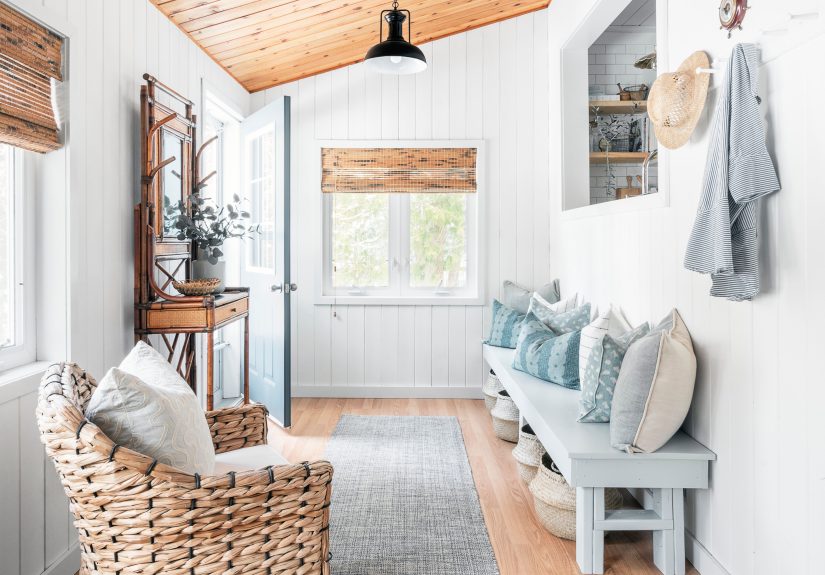
Tongue-and-groove (T&G) boards create a clean, continuous surfaceperfect for rustic spaces that still want polish. Natural pine looks bright and airy; a honey stain makes it feel cozy; a matte clear coat keeps it looking “real,” not plastic.
4) Diagonal Tongue-and-Groove When You Want Subtle Drama
Changing the direction of the boards changes everything. A diagonal layout adds movement and makes a ceiling feel customgreat for smaller rooms where you want impact without cluttering walls.
5) Painted Plank Ceilings That Still Feel Rustic
Rustic doesn’t have to mean dark. A painted plank ceiling (soft white, warm cream, pale greige) keeps the texture while brightening the room. This is especially helpful in low-ceiling spaces where you want charm without cave vibes.
6) Whitewashed Wood for “Beach Cabin Meets Mountain Lodge”
Whitewashing lets the grain show through while toning down yellow/orange undertones. It’s a sweet spot for modern farmhouse, Scandinavian-rustic, and airy lake-house styles.
7) Exposed Structural Beams (The Honest, No-Makeup Option)
If your house already has real beams, congratulationsyou own the design equivalent of good bones and strong eyebrows. Highlight them with a clean ceiling treatment between beams (drywall, planks, or beadboard) and let the structure do the flexing.
8) Faux Beams for Big Charm Without the Big Engineering
No beams? No problem. Faux beams can deliver the same rustic effect with less weight and fewer structural concerns. The key is scale: slightly oversized beams read intentional, while tiny beams can look like decorative noodles.
9) Beam-and-Plank Combo for Peak Rustic Character
One of the most timeless rustic ceiling looks: wood planks running one direction with beams running perpendicular. The layering adds depth and makes even a standard-height room feel more architectural.
10) Coffered Wood Ceilings That Feel Rustic-Formal
Coffered ceilings create a grid of depth overhead. Done in natural wood tones (or a mix of wood and paint), they can feel lodge-like and elevatedperfect for dining rooms, libraries, and living rooms that want “rustic, but make it tailored.”
11) Rustic Beadboard Ceilings (Yes, Beadboard Can Be Wood)
Beadboard is a classic for porches and cottage interiors. In wood, it adds texture with a tighter pattern than planksgreat when you want charm that reads neat, not rough.
12) Shiplap Ceilings for Modern Farmhouse Energy
Shiplap overhead gives you clean lines with a hint of texture. Painted shiplap is popular in kitchens and living rooms; stained shiplap feels moodier and more lodge-adjacent.
13) Mixed-Width Planks for a More Authentic, Less “New Lumber” Look
Mixing plank widths mimics older construction and adds visual richness. This is a great trick when you want reclaimed vibes but you’re using new materials for budget or availability reasons.
14) Herringbone Wood Ceilings for Rustic with a Side of “Wow”
Herringbone patterns bring artisan energy. In rustic interiors, herringbone works best when the wood finish is simplelet the pattern be the star, not the stain.
15) Chevron Planks for Bold, Graphic Rustic
Chevron reads slightly more modern than herringbone. Pair it with warm woods and natural textures (linen, leather, stone) to keep it from feeling too sharp.
16) Slatted Wood Ceilings for Modern Rustic Texture
Wood slats add rhythm, depth, and a high-end looklike a boutique hotel that also serves soup in a bread bowl. This is especially great for dining areas, hallways, or living rooms where you want a design moment overhead.
17) Rustic Tray Ceilings Wrapped in Wood
A tray ceiling already adds dimension. Cladding the tray inset in wood makes it feel like a feature instead of a leftover builder detail. Use a darker stain inside the tray for extra depth, or match it to your floor tones for cohesion.
18) Vaulted Ceilings in Cedar for That “Lodge Vacation” Mood
Cedar is a classic for vaulted ceilings because it feels warm and natural, and it plays well with stone fireplaces and big windows. A clear matte finish keeps cedar from looking too glossy and helps the grain stay front and center.
19) Exposed Rafters with Wood Infill for True Cabin Character
If you have rafters or joists you can expose safely, consider installing wood planks between them. This gives you depth, shadow lines, and a handcrafted feelespecially in lofts, attics, and bonus rooms.
20) A Wood Porch Ceiling to Make Outdoors Feel Like an Extra Room
A stained wood porch ceiling instantly elevates curb appeal and makes the porch feel finishedlike a destination, not a transition zone. Pair it with warm lighting and simple fans for a cozy outdoor hangout that works beyond summer.
Materials & Finishes: The Rustic Cheat Sheet
Choosing the right wood and finish is half the battleand the other half is not changing your mind after you’ve already installed it.
- Pine: Budget-friendly, classic knots, easy to stain or paint. Great for farmhouse and cabin looks.
- Cedar: Warm tone, often used for porches and vaulted ceilings. Looks fantastic with a clear matte sealer.
- Oak or walnut: Richer, more refined. Great for rustic-luxury and modern lodge spaces.
- Reclaimed wood: Maximum character, maximum variation. Best for statement ceilings.
Finish tips: Matte or satin finishes look the most natural. High-gloss can feel “gym floor.” For kitchens, baths, and porches, use an appropriate sealer and ventilation plan so the wood ages gracefully rather than dramatically.
Lighting Tips That Won’t Fight the Wood
Wood ceilings love warm light. If your bulbs are too cool (think “office supply aisle”), the ceiling can look dull or gray. A few reliable approaches:
- Recessed lights: Clean and practicalespecially with planks and beams.
- Statement pendant: Great in dining rooms and kitchens to draw eyes upward.
- Sconces and floor lamps: Layered lighting keeps the ceiling from being the only dramatic element in the room.
- Hidden LED strips: Perfect for tray ceilings or beams where you want a soft glow, not a spotlight interrogation.
Common Mistakes to Avoid (So Your Ceiling Doesn’t Become a Regret Hobby)
- Ignoring wood movement: Seasonal expansion and contraction is realplan gaps and installation methods accordingly.
- Overmatching everything: A ceiling that perfectly matches your floors can look heavy. Often, complementary tones look more designer.
- Choosing planks that are too narrow for big rooms: Thin strips in large spaces can look busy. Wide planks often read calmer.
- Skipping finish planning: Decide early: raw, stained, whitewashed, or painted. Changing later is possible, but it’s not a relaxing weekend project.
- Forgetting vents and access panels: Basements and some ceilings need access. Plan for it so you’re not forced into awkward cutouts later.
Real-World Experiences: What Homeowners Learn After Going Wood-Overhead (About )
In renovation stories, DIY recaps, and contractor “please learn from this” moments, a few wood-ceiling lessons show up again and again. The first is that wood changes the entire room faster than almost anything else. People expect it to be a “nice detail,” but once it’s up, it becomes the visual anchor. A plain living room suddenly looks styled. A white kitchen feels warmer. A basement stops feeling like a holding pen for old treadmills.
The second lesson is about scale. In real homes (not showroom photos), wide planks and bigger beams often look better than homeowners expect. Narrow boards can visually “stripe” the ceiling and make it feel busyespecially if the room is large or the lighting is bright. Many homeowners who start with narrow plank samples end up choosing wider boards after they tape mock layouts to the ceiling and realize their eyes want fewer lines, not more.
Then there’s the finish reality check. Natural wood is gorgeous, but it can skew orange or yellow depending on species and lighting. Homeowners often test stains on scraps, hold them up in morning light, then repeat the process at night, then repeat again after texting three friends and one aunt. The best outcome usually happens when the ceiling doesn’t exactly match the floors, but it talks to themeither by sharing a warm undertone or by intentionally contrasting (like dark beams with lighter floors). That slightly “collected over time” look reads more rustic and less catalog-perfect.
Another common experience: lighting becomes the make-or-break factor. Once wood goes up, any cool-toned bulbs or harsh overhead lighting can flatten the grain and make the ceiling look grayish. Homeowners who swap to warmer bulbs and add layered lighting (pendants, lamps, sconces) almost always report that the wood suddenly looks richerlike it got eight hours of sleep and drank water. Likewise, adding a statement fixture after the ceiling is installed can be the moment the room finally feels finished, not just “improved.”
And yes, wood ceilings come with a practical lesson: prep saves regret. Many DIYers find that pre-finishing boardssanding, staining, sealingbefore installation makes touch-ups easier and helps avoid visible raw edges later. They also learn quickly that wood movement is not a rumor. Small seasonal gaps can happen, and planning for that (plus choosing the right installation approach) keeps “charm” from turning into “why is there a crack where my ceiling used to be one piece?”
The final takeaway is the nicest one: people often say a wood ceiling makes them use the space more. The porch becomes the coffee spot. The basement becomes movie night. The dining room becomes holiday headquarters. Rustic charm isn’t just a lookit’s a mood. And a good wood ceiling sets that mood the second you walk in.
Conclusion
Wood ceilings aren’t just decorationthey’re architecture you can feel. Whether you go full reclaimed-plank lodge, cozy beadboard cottage, or modern slat ceiling with rustic undertones, the right wood treatment can turn an overlooked surface into the reason the room works. Pick a direction, plan the finish, get the lighting right, and let your ceiling do what it’s always wanted to do: steal the show.