Table of Contents >> Show >> Hide
- How to Pick the Right Pasta Shape in 60 Seconds
- Long Strands and Ribbons
- Tubes and Ridged Workhorses
- Twists, Bows, and Sauce Catchers
- Scoops, Shells, and Small Pasta That Works Overtime
- Sheets, Layers, and Stuffed Pasta for “I’m Cooking for People” Nights
- Quick “When to Use What” Cheat Sheet
- of “Yep, That Happened” Pasta Experiences (So Yours Goes Better)
- Conclusion
Pasta looks like a simple pantry stapleuntil you’re staring at 14 half-used boxes and realizing you own three different spiral shapes but somehow
zero “the one you actually need.” The good news: you don’t have to memorize an Italian map to cook pasta well. You just need to know what each
shape is designed to do: cling to silky sauces, trap chunky bits, survive the oven, or turn soup into a real meal.
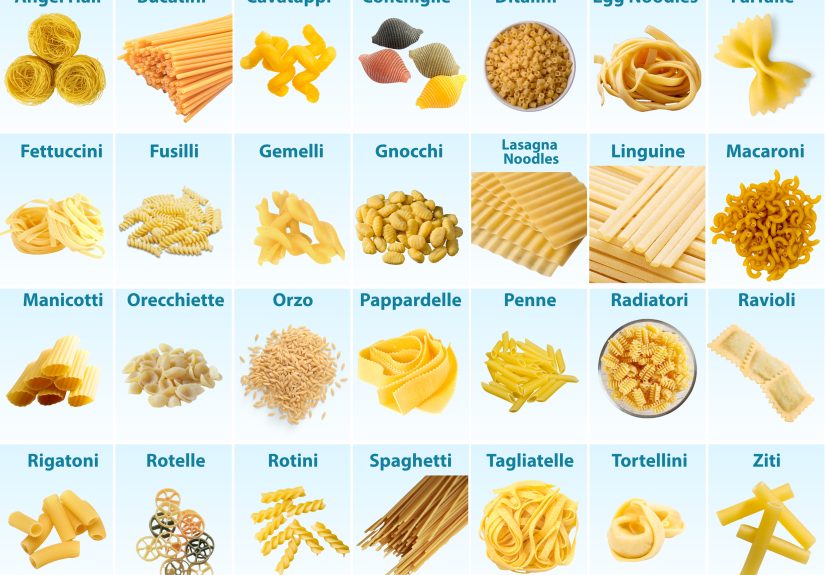
Below is a practical guide to 28 types of pasta you’ll actually find in many American grocery stores (plus what they’re best at). Think of
it like a dating app for noodles: we’re matching shapes with their ideal sauce “personality,” so your dinner stops ghosting you with a sad puddle at the
bottom of the bowl.
How to Pick the Right Pasta Shape in 60 Seconds
-
Silky sauces + long noodles: Olive oil, butter, simple tomato, lemon, and egg/cheese sauces coat strands evenly. Long shapes give you
that classic twirl-and-sigh moment. -
Chunky sauces + tubes, ridges, and scoops: If your sauce has “stuff” (sausage coins, mushrooms, roasted veg, shrimp), pick shapes that
can hold the piecesinside a tube or in a cup-like curve. - Heavy ragù + wide ribbons: Wider noodles stand up to slow-simmered meat sauces and creamy sauces without getting bullied.
- Soups + small pasta: Tiny shapes cook quickly and stay spoon-friendly. Big noodles in soup are just… wet wrestling.
- Bakes + sturdy shapes: For casseroles and baked pasta, choose thicker, ridged shapes that keep their bite after time in the oven.
-
One pro move: Save a ladle of pasta water and finish the pasta in the sauce for better texture and a glossy, cohesive coating.
(It’s basically edible “glue,” but in a charming way.)
Long Strands and Ribbons
1. Spaghetti
The classic long, round strandversatile, dependable, and the reason forks were invented (probably). Best with: marinara, pomodoro,
meatballs, carbonara, cacio e pepe, and garlicky olive-oil sauces. Use it when you want a balanced noodle that holds sauce without
overpowering it.
2. Bucatini
Spaghetti’s cooler cousin: thick strands with a tiny hole running through the center. Best with: bold sauces that can cling and sneak
insideamatriciana, spicy tomato, rich pancetta sauces, or peppery cheese-and-butter sauces. Use it when you want a heartier bite and a
little “sauce surprise” in each strand.
3. Linguine
Flat-ish, narrow ribbons that split the difference between spaghetti and fettuccine. Best with: seafood sauces (clam sauce is a classic),
pesto, and light cream sauces. Use it when you want a strand that carries sauce well but still feels elegant and not too heavy.
4. Fettuccine
Wider flat ribbons with enough surface area to handle richer sauces. Best with: Alfredo, mushroom cream sauces, buttery pan sauces, and
chicken or shrimp in cream-based sauces. Use it when you want a cozy, restaurant-style bowl that feels like it should come with a
linen napkin.
5. Tagliatelle
Similar to fettuccine but traditionally a bit more delicate (often egg-based when fresh). Best with: Bolognese-style ragù, mushroom
ragù, and sauces that cling rather than slide. Use it when you’re making a hearty sauce and want a ribbon that feels “special” without
being fussy.
6. Pappardelle
The wide ribbon with big “I mean business” energy. Best with: robust ragù (short rib, lamb, wild mushroom), rich cream sauces, or
slow-simmered tomato meat sauces. Use it when your sauce is bold and you want the noodle to stand tall instead of disappearing.
7. Angel Hair (Capellini)
Super-thin strands that cook fastblink and they’re done. Best with: very light sauces like olive oil + garlic, lemony butter,
quick fresh tomato, or delicate seafood. Use it when you want a quick dinner and a light feel; skip it for heavy ragù (it’ll get
smothered).
Tubes and Ridged Workhorses
8. Penne
Short tubes cut on the diagonal, often with ridges (rigate) for extra sauce grip. Best with: vodka sauce, arrabbiata,
chunky tomato sauces, and creamy vegetable sauces. Use it when you want a reliable all-purpose pasta that plays well with almost
anything in your fridge.
9. Rigatoni
Large, ridged tubes built for hearty, chunky sauces. Best with: sausage ragù, meat sauces, roasted vegetables, and baked pasta dishes.
Those ridges and wide centers trap sauce and chunks like a delicious little storage unit. Use it when you want every bite to feel
loaded.
10. Ziti
Smooth, straight tubesoften used in casseroles and baked pasta. Best with: baked ziti (obviously), tomato-meat sauces, and ricotta +
mozzarella situations. Use it when you’re feeding a crowd, planning leftovers, or you want the oven to do the heavy lifting.
11. Elbow Macaroni
The small curved tube with serious nostalgia points. Best with: mac and cheese, creamy sauces, tuna casserole, and classic picnic pasta
salads. Use it when the sauce is thick and clingy (cheese sauce, béchamel) or you need a spoon-friendly shape.
12. Cavatappi
Corkscrew tubes that hold sauce inside and out. Best with: creamy cheese sauces, baked pasta, and hearty vegetable sauces.
Use it when you want maximum sauce capture and a fun textureespecially for mac and cheese that feels a little more grown-up.
13. Manicotti
Large tubes designed for stuffing (often ridged). Best with: ricotta-and-spinach fillings, meat-and-cheese fillings, and a blanket of
marinara plus mozzarella. Use it when you want an impressive baked dinner that’s basically edible gift-wrapping.
14. Cannelloni
Another stuffing tubeoften smooth and slightly different in size/texture than manicotti depending on the brand. Best with: rich meat
fillings, spinach-ricotta, and tomato or béchamel-based bakes. Use it when you’re going for a classic Italian-style baked stuffed pasta
that slices neatly.
Twists, Bows, and Sauce Catchers
15. Fusilli
Tight spirals that grab sauce in every groove. Best with: pesto, creamy herb sauces, tomato sauces, and pasta salad (because spirals
hold onto vinaigrette like they mean it). Use it when you want a “sauce in every bite” guarantee.
16. Rotini
Often confused with fusilli; many brands use the names interchangeably. Rotini is usually a springy twist that’s great for both hot and cold dishes.
Best with: meat sauces, creamy sauces, and pasta salads. Use it when you need a dependable, kid-friendly shape that
doesn’t feel boring.
17. Gemelli
“Twins” that look like two strands twisted together (but they’re one piece). Best with: pesto, creamy sauces, light tomato sauces, and
pasta salad with chopped mix-ins. Use it when you want a twisty shape that holds sauce but still feels refined.
18. Farfalle (Bow Ties)
Bow ties with a thicker center and thinner “wings,” which means you get two textures in one bite. Best with: creamy sauces, butter sauces,
veggie-forward sauces, and pasta salads. Use it when you want a playful look and a shape that can handle chunky add-ins without turning
mushy.
19. Campanelle
Little bell- or flower-shaped pasta with ruffled edges. Best with: creamy sauces, sausage and peppers, chunky vegetable sauces, and
anything where you want sauce to pool in the folds. Use it when you want “fancy restaurant pasta” vibes without learning new technique.
20. Radiatori
Short, ridged pieces originally designed to maximize surface area (they look a bit like tiny radiators). Best with: thick cheese sauces,
hearty tomato sauces, and baked pasta. Use it when you want sauce cling for daysand a texture that stays interesting even in leftovers.
Scoops, Shells, and Small Pasta That Works Overtime
21. Orecchiette
“Little ears” with a concave shape that cradles sauce and small bits. Best with: broccoli rabe and sausage, chunky vegetable sauces,
and small meatballs. Use it when you want the pasta to act like a tiny spoonholding sauce, garlic, and grated cheese in one perfect
bite.
22. Conchiglie (Shells)
Shells come in sizes from tiny to jumbo. Best with: creamy sauces, chunky tomato sauces, and pasta salad; jumbo shells are built for
stuffing and baking. Use it when you want sauce and mix-ins to tuck neatly into each shell like they’re getting cozy.
23. Orzo
Rice-shaped pasta that behaves like a cross between pasta and a grain. Best with: soups, lemony chicken dishes, “pasta pilaf,” and
cold salads with herbs and feta. Use it when you want something spoonable, quick-cooking, and great at soaking up broth or dressing.
24. Ditalini
Tiny tube “thimbles” that are soup superstars. Best with: minestrone, pasta e fagioli, and hearty vegetable soups. Use it when
you want each spoonful to have broth, beans/veg, and pasta without needing a knife, fork, and a motivational speech.
25. Acini di Pepe
Little round “peppercorn” pasta often found in pastina-style soups. Best with: Italian wedding soup, chicken broth with herbs, and
simple butter-and-Parmesan comfort bowls. Use it when you want pasta that feels cozy, quick, and kid-friendlyespecially in brothy dishes.
Sheets, Layers, and Stuffed Pasta for “I’m Cooking for People” Nights
26. Lasagna Sheets
Wide sheets made for layering with sauce, cheese, and fillings. Best with: classic meat-and-tomato lasagna, vegetable lasagna, and
white-sauce (béchamel) styles. Use it when you want a dish that slices cleanly, feeds a crowd, and somehow tastes better the next day.
27. Ravioli
Stuffed pasta pillows that can go elegant or weeknight-easy (fresh or frozen). Best with: light butter sauces, sage-brown butter,
simple tomato sauce, or brothy sauces that don’t overpower the filling. Use it when you want “wow” factor with minimal sauce work
the filling is doing a lot of the talking.
28. Tortellini
Small ring-shaped stuffed pastaoften cheese-filled, sometimes meat-filled. Best with: broth (tortellini en brodo), cream sauces,
pesto-cream, and quick tomato cream sauces. Use it when you want a fast, satisfying mealbecause stuffed pasta is basically a shortcut
to “I planned this.”
Quick “When to Use What” Cheat Sheet
- Light, silky sauces: angel hair, spaghetti, linguine
- Creamy sauces: fettuccine, tagliatelle, farfalle, campanelle
- Chunky sauces: rigatoni, penne, orecchiette, shells
- Soups: ditalini, orzo, acini di pepe
- Baked pasta: ziti, rigatoni, cavatappi, manicotti, cannelloni, lasagna
of “Yep, That Happened” Pasta Experiences (So Yours Goes Better)
Most pasta lessons aren’t learned from a chartthey’re learned from a bowl that didn’t quite work. Like the time you make a gorgeous chunky sausage and
pepper sauce, pour it over spaghetti, and realize all the “good stuff” slides to the bottom while the strands sit up top like they’re refusing to get
involved. That’s the moment tubes and scoops start making sense. Rigatoni and penne don’t just hold saucethey trap chunks so every forkful tastes
like the whole dish, not just the “plain noodle portion” and the “sauce puddle portion.”
Then there’s the pesto problem. Pesto looks friendlygreen, herby, wholesomeuntil you toss it with a pasta that doesn’t have grooves. Suddenly it’s a
slippery coat instead of a clingy hug. Spirals like fusilli and rotini are the difference between pesto politely visiting your pasta and pesto moving in and
putting its name on the lease. Same goes for vinaigrette-based pasta salads: spirals and bows keep flavor on the noodle, not just in the bottom of the bowl
next to the sad crouton crumbs.
Baking pasta teaches a different lesson: some shapes are strong enough to survive the oven, and some… are not. A delicate noodle can turn soft and
overcooked after 25 minutes under sauce and cheese, especially if it was boiled too long to begin with. Sturdy shapes (ziti, rigatoni, cavatappi) hold onto
their bite and keep the dish from becoming a uniform “pasta casserole smoothie.” If you’ve ever scooped a baked pasta and watched it collapse into a
single mass, you’ve already met this truth in the wild.
Soup is its own universe. Big noodles in soup look fun on day one, then swell and drink the broth overnight like they’re training for a hydration contest.
Tiny pastasditalini, orzo, acini di pepekeep soups spoon-friendly and cozy, and they’re less likely to turn leftovers into a pot of “where did my broth
go?” If you meal-prep soup, cooking the pasta separately and adding it to each bowl is a genuinely life-improving move.
Finally, there’s the “finish in the sauce” moment, which feels like a restaurant secret but is really just smart timing. When you pull pasta a minute early,
toss it in the sauce, and add a splash of starchy pasta water, the sauce turns glossy and clings like it belongs there. It’s also the easiest way to fix a
sauce that feels too tight (add water) or too thin (simmer a touch longer with pasta water helping it bind). The best part: once you get used to this,
choosing the right pasta shape stops feeling like trivia and starts feeling like control. Delicious, carb-powered control.
Conclusion
The real secret to better pasta isn’t a rare imported box (though those are fun). It’s choosing a shape that fits the job: strands for silky sauces, ribbons
for hearty ragù, ridges and tubes for chunky mix-ins, sturdy shapes for baking, and tiny pasta for soups. Keep a few “roles” stocked in your pantry and
you’ll be able to improvise dinner without sacrificing textureor your mood.
Reporting note: This article was informed by guidance and culinary explainers from major U.S.-based cooking outlets and pasta brands.