Table of Contents >> Show >> Hide
- Before You Start: Know What a Gray Tree Frog Actually Needs
- 1. Recreate a Safe, Vertical Habitat
- 2. Feed a Gray Tree Frog Like a Real Insect Hunter
- 3. Keep Stress Low and Health Standards High
- If the Gray Tree Frog Lives in Your Yard, Care Means Habitat Stewardship
- Common Mistakes to Avoid
- What Caring for a Gray Tree Frog Feels Like in Real Life
- Conclusion
Gray tree frogs are the tiny acrobats of the frog world. One minute they look like a fleck of bark glued to a branch, and the next minute they are launching themselves at a moth like a jungle gymnast with suction-cup toes. They are charming, low-key, and about as interested in being cuddled as a wet bar of soap. In other words, they are wonderful animals to observe, but they need thoughtful care.
If you are caring for a gray tree frog, the first rule is simple: think like a forest. These frogs do best when their world feels vertical, humid, leafy, and calm. They are built for climbing, hunting bugs, hiding in crevices, and resting quietly through the day before waking up at night to patrol their miniature kingdom. The best care routine copies that natural rhythm instead of forcing the frog to live like a tiny green action figure on display 24/7.
This guide breaks gray tree frog care into three clear parts: building the right habitat, feeding the frog the right way, and keeping stress and health problems to a minimum. It also covers what “care” should look like if the frog is a wild visitor in your yard rather than a captive amphibian. Spoiler alert: the best outdoor frog parenting is mostly landscaping and restraint. Sometimes the most loving thing you can do is stop yourself from “helping” too much.
Before You Start: Know What a Gray Tree Frog Actually Needs
Gray tree frogs are arboreal frogs, which means height matters more than floor space. A tall enclosure with branches, bark, plants, and hiding spots makes more sense than a low, wide tank that looks impressive to humans but useless to a tree-dwelling frog. They are also nocturnal, so a frog that sleeps all day is not lazy. It is simply keeping the proper frog schedule.
Another important point: not every gray tree frog should become a pet. In many places, laws about keeping native amphibians vary, and some states restrict or prohibit taking wildlife from the wild. Even where the law allows limited collection, that does not mean it is the best choice for the animal. A legally obtained, captive-kept frog is one thing. Scooping a wild frog off your siding because it looked cute under the porch light is another. Cute is not a permit.
With that out of the way, let’s get into the three care priorities that matter most.
1. Recreate a Safe, Vertical Habitat
Choose height over square footage
A gray tree frog wants to climb, perch, wedge itself into shelter, and feel hidden. That means a tall terrarium is the smarter choice. Fill the space with cork bark, sturdy branches, vines, and broad leaves so the frog can move upward and rest off the ground. If the enclosure looks like a tiny jungle gym crossed with a leafy apartment complex, you are headed in the right direction.
These frogs also appreciate snug resting spots. In the wild, they tuck themselves into cracks, crevices, cavities, and sheltered bark. In captivity, pieces of cork bark, hollow branches, vertical tubes, and dense plant cover help recreate that secure feeling. A frog that has places to hide is usually a calmer frog, and a calmer frog is usually a healthier frog.
Keep the environment moist, not swampy
Gray tree frogs need moisture, but they do not need to live in a soggy disaster zone. The enclosure should feel comfortably humid with good airflow, not like a forgotten salad bag. Light misting, live or frog-safe plants, moisture-retaining substrate, and a shallow dish of clean dechlorinated water usually do more good than constantly drenching everything.
Dechlorinated water is a big deal because amphibian skin is highly absorbent. Tap water straight from the faucet may contain chlorine or chloramine, and frogs are not exactly known for enjoying chemical surprises. Keep the water dish clean, shallow, and easy to access. Replace the water regularly, and do not let the enclosure turn foul. If it smells like anything stronger than damp leaves, something has gone wrong.
Use frog-safe materials and gentle lighting
Skip sharp décor, loose gravel, chemically treated wood, and anything dusty or scented. Frog care is not the place for mystery materials. Safe substrate options are usually soft, natural, and easy to keep clean. Add visual cover with live or artificial plants, but make sure nothing in the enclosure can collapse on the frog or trap it.
A normal day-and-night light cycle helps support the frog’s rhythm, but gray tree frogs do not need to be blasted with intense heat. Keep the tank away from direct sun, heating vents, and dramatic temperature swings. A frog enclosure should not feel like a greenhouse in July or a forgotten garage in January.
In short, the first way to care for a gray tree frog is to build a habitat that respects what the frog is: a small, climbing, moisture-loving, bark-camouflaged night hunter. Not a desk ornament. Not a paperweight with legs.
2. Feed a Gray Tree Frog Like a Real Insect Hunter
Offer a varied live diet
Gray tree frogs are insectivores, and they are happiest when dinner wiggles. A healthy diet usually includes a rotation of appropriately sized live insects such as crickets, small roaches, flies, moths, or other soft-bodied feeder insects. Variety matters. Feeding the same insect over and over is the amphibian version of serving dry cereal for every meal and calling it a balanced menu.
Prey size matters, too. A good rule is to offer insects no wider than the frog’s head. Oversized prey can be stressful, difficult to swallow, or simply ignored. Smaller, manageable food items keep feeding safer and more natural.
Gut-load insects and use supplements wisely
A bug is only as nutritious as what it has eaten. That is why experienced keepers and veterinarians stress gut-loading feeder insects before offering them to frogs. When the feeder insects are properly nourished, the frog gets more than an empty shell with legs. Dusting insects with calcium and a suitable vitamin supplement also helps support bone health and overall nutrition.
This step sounds annoyingly technical until you remember that captive frogs do not have a forest buffet with dozens of prey types available every night. In captivity, you are the buffet manager. If your insects are junk food, your frog is eating junk food by default.
Respect age, appetite, and routine
Young frogs usually need to eat more often than adults. Adults can often do well on a more spaced-out feeding schedule, while juveniles need more frequent meals to support growth. The trick is not to turn feeding into a free-for-all. Offer what the frog can reasonably eat, observe its response, and remove leftover prey that may bother the frog later.
A healthy gray tree frog usually shows alert nighttime behavior, a good feeding response, and steady body condition. A frog that suddenly refuses food for an extended period, loses weight, or seems unusually weak deserves closer attention. Stress, poor enclosure conditions, dehydration, or illness can all show up first at mealtime.
The second way to care for a gray tree frog, then, is to feed it like a real predator: live prey, varied choices, good nutrition, and steady observation. No pellets dumped in a corner. No weird experiments. No “he looked hungry so I gave him ten mealworms and hoped for the best.”
3. Keep Stress Low and Health Standards High
Handle as little as possible
This is where many well-meaning owners get it wrong. A gray tree frog is fun to watch, but it is not a touch-first pet. Amphibian skin is delicate and absorbent, which means frequent handling can stress the frog and expose it to oils, residue, or bacteria from human hands. If you must move the frog for cleaning or medical reasons, do it gently and only when necessary.
The goal is simple: admire without manhandling. Your frog does not need to star in a daily photo shoot or ride around on your shoulder like a pirate parrot. It needs security, moisture, and a low-drama life.
Clean smart, not harsh
Daily maintenance should be boring, and that is a good thing. Replace dirty water, remove waste, pick out uneaten insects, and keep an eye on mold or foul-smelling areas. Periodic deeper cleaning is also important, but harsh chemical residue is a bad idea in an amphibian enclosure. Rinse thoroughly, use frog-safe cleaning practices, and make sure everything is dry and safe before the frog goes back in.
Good hygiene also protects the humans in the house. Amphibians can carry Salmonella even when they look perfectly healthy. That means you should wash your hands after handling the frog, the tank, the water dish, or anything inside the enclosure. Frog care may be magical, but handwashing is still real life.
Watch for subtle warning signs
Frogs do not announce illness with a tiny sign that says, “Please schedule me with an exotic vet.” You have to notice changes. Warning signs can include refusal to eat, weight loss, unusual lethargy at night, skin problems, trouble climbing, prolonged soaking, dehydration, or a body posture that looks weak or abnormal.
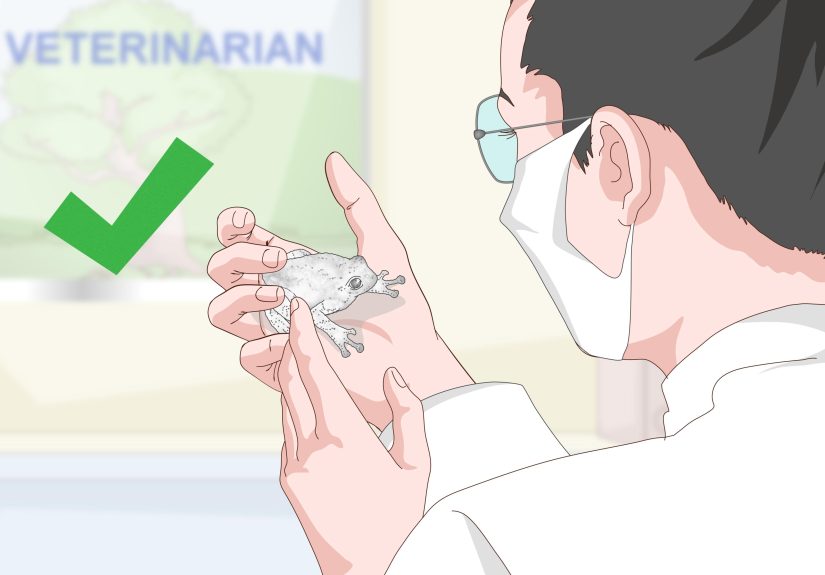
If something seems off, start by checking the basics: water quality, cleanliness, humidity, temperature stability, enclosure setup, and diet. If the frog still seems unwell, contact a veterinarian who sees amphibians or exotic pets. Frogs are very good at hiding problems until they are no longer minor.
The third way to care for a gray tree frog is to make life calm, clean, and predictable. In frog terms, luxury is not gold trim. Luxury is being left alone in a beautifully maintained miniature forest.
If the Gray Tree Frog Lives in Your Yard, Care Means Habitat Stewardship
Sometimes the frog in question is not a pet at all. It is simply a wild gray tree frog that has decided your rain barrel, shrubs, or porch light are worth visiting. In that case, the best care is habitat support, not captivity.
Plant native vegetation, reduce pesticide use, provide cover, and protect access to clean water. Brush piles, shrubs, small patches of leaf litter, and moisture-friendly landscaping all help amphibians. If you have space, a well-designed backyard pond can support frogs and other wildlife. Gray treefrogs also use cavities and sheltered spaces, which is why they sometimes show up in nesting boxes, crevices, and frog tubes placed near vegetation or wet areas.
Outdoor care also means restraint. Do not move frogs to “better” places across town. Do not release captive frogs into the wild. Do not assume every frog sitting on your window deserves to come inside and begin a new life in a tank called Frogbert Manor. Wild frogs usually do best staying wild.
Common Mistakes to Avoid
Keeping the tank too bare
An empty tank stresses an arboreal frog. More climbing structure and visual cover usually help.
Using untreated water
Frogs absorb what touches their skin. Clean, dechlorinated water is safer than casual faucet roulette.
Overhandling
If you want a pet that loves being picked up, a gray tree frog is filing for a transfer.
Feeding only one prey type
Variety supports better nutrition and better long-term health.
Ignoring legal and ethical issues
Not every native frog can be legally collected, and legality is not the same thing as good practice.
What Caring for a Gray Tree Frog Feels Like in Real Life
Caring for a gray tree frog is a quiet kind of experience. It is not like owning a dog that barrels toward the door when you get home or a cat that announces its opinions at 3 a.m. A gray tree frog teaches you to pay attention to the small shifts. At first, the enclosure may look empty most of the day. You glance in and think, “Where did the frog go?” Then, after a minute, you spot a perfect bark-colored lump tucked behind a leaf, and suddenly the whole tank feels alive.
The first real lesson most people learn is patience. Gray tree frogs usually do not perform on command. They hide when they feel like hiding, climb when they feel like climbing, and hunt when the room has finally settled down for the evening. If you are used to pets that reward attention with instant interaction, a tree frog can feel mysterious. But after a while, that mystery becomes part of the charm. You start checking the tank at night instead of during the day. You notice favorite perches. You learn that one branch near the glass is apparently the frog’s version of a recliner.
Feeding time is where the personality comes out. A frog that looked like a sleepy bit of lichen an hour ago can suddenly become startlingly precise. It watches. It waits. Then it launches. The whole thing is so fast that you almost miss it, and yet it never gets old. Even routine care feels rewarding because the frog’s behavior gives you feedback. A good setup leads to confident climbing. A calm environment leads to regular feeding. A stressed frog tells you, in quiet ways, that something needs adjusting.
There is also a surprising amount of housekeeping. Water gets changed. Stray insects need to be removed. Plants need a trim. Humidity has to stay reasonable. The frog, meanwhile, behaves like middle management: observing everything, helping with nothing, and occasionally relocating to the exact spot you wanted to clean. Still, those chores do not usually feel burdensome because they are tied to a visible, living environment. You are not just maintaining a tank. You are maintaining conditions that let a very specialized animal feel safe.
Perhaps the most meaningful part of the experience is how it changes your idea of what good pet care looks like. With a gray tree frog, “love” does not mean constant contact. It means restraint, consistency, and respect. It means understanding that health often looks like normal behavior, a steady appetite, clear eyes, clean skin, and the confidence to perch in the open at night. It means accepting that the frog does not exist to entertain you every minute. Instead, it invites you into its rhythm. Once you settle into that rhythm, gray tree frog care becomes less about ownership and more about stewardship. That is a quieter kind of joy, but it is a real one.
Conclusion
The best way to care for a gray tree frog is to remember what kind of animal it is. It is a climber, a camouflage expert, an insect hunter, and a creature that depends on clean moisture, cover, and calm. If you give it a tall and secure habitat, a varied and nutritious diet, and a low-stress routine with careful hygiene, you are already doing the most important things right.
And if your gray tree frog is a wild backyard visitor, the same rule still applies in spirit: support the habitat instead of controlling the animal. Native plants, clean water, shelter, and a pesticide-free space can do more for a frog than any impulsive rescue mission ever will.
Gray tree frogs are not flashy pets in the usual sense, but that is part of their appeal. They reward observation, patience, and good care. Give them the right environment, and they do what they do best: cling, hide, hunt, and somehow make a branch look more interesting than most reality television.