Table of Contents >> Show >> Hide
- What Are Alfalfa Sprouts, Exactly?
- Way 1: Layer Them into Sandwiches and Wraps
- Way 2: Toss Them into Salads and Grain Bowls
- Way 3: Enjoy Sprouts in Warm Dishes
- Are Alfalfa Sprouts Good for You?
- Safety First: How to Eat Sprouts the Smart Way
- Real-Life Experiences and Tips with Alfalfa Sprouts
- Conclusion
Alfalfa sprouts look delicate and innocent, like tiny green confetti. But don’t be fooled:
these crunchy little threads can bring serious freshness, nutrients, and texture to your meals.
Whether you’re trying to eat healthier, add more plants to your plate, or just make your
sandwiches less boring, learning how to eat alfalfa sprouts is a simple win.
In this guide, you’ll learn three easy, practical ways to eat alfalfa sprouts:
piled on sandwiches and wraps, tossed into salads and grain bowls, and even added to warm dishes.
You’ll also get the basics on nutrition, food safety, and real-life tips so you can enjoy sprouts
confidently (and without turning your fridge drawer into a sad, slimy science experiment).
What Are Alfalfa Sprouts, Exactly?
Alfalfa sprouts are the young shoots of the alfalfa plant, which is actually a legume.
When the seeds are soaked and sprouted for a few days, you get pale, crunchy stems with tiny green
leaves mild in flavor, lightly earthy, and perfect for adding volume and texture to food without
a big calorie hit.
They’re typically sold in small clamshell or plastic containers in the refrigerated produce section,
often near salad mixes or other sprouts. You can also grow them at home in a jar or countertop
sprouter, which many people like because it lets them control cleanliness and freshness from the start.
Way 1: Layer Them into Sandwiches and Wraps
The easiest way to start eating alfalfa sprouts? Treat them like extra-light, extra-fluffy lettuce.
They shine in sandwiches, wraps, pitas, and bagels where you want crunch and freshness without
overpowering the other flavors.
Build a Classic Sprout Sandwich
A simple veggie sandwich with alfalfa sprouts can be filling and satisfying if you balance flavors
and textures. Here’s an easy structure you can remix endlessly:
- Base: Whole-grain bread, sourdough, ciabatta, or a toasted bagel.
- Spread: Hummus, avocado, cream cheese, pesto, or a yogurt-based spread.
- Crunchy veg: Sliced cucumber, shredded carrot, bell pepper strips, or radishes.
- Protein: Sliced turkey, grilled chicken, tofu, tempeh, cheese, or egg.
- The sprout crown: A generous handful of alfalfa sprouts on top.
The sprouts sit at the top like a frilly little hat, adding moisture, crunch, and a tiny bit of
grassy flavor that makes the whole sandwich taste fresher. If you’re feeding someone suspicious
of “healthy stuff,” tuck the sprouts between layers of cheese or meat they’ll mostly notice
the crunch, not the virtue.
Use Sprouts in Wraps, Pitas, and Bagels
Alfalfa sprouts are ideal in handheld meals because they fill gaps without weighing things down.
Try:
-
Chicken salad wrap: Mix cooked chicken with Greek yogurt or mayo, add celery,
a few dried cranberries, and pecans, then roll it up with lettuce and a thick layer of sprouts. -
Veggie hummus wrap: Spread hummus on a tortilla, layer sliced cucumber,
shredded carrots, and a big handful of alfalfa sprouts; roll and slice into pinwheels for
an easy lunch or snack. -
Breakfast bagel: Cream cheese (or vegan cream cheese), smoked salmon or
sliced hard-boiled egg, tomato, red onion, and sprouts for a deli-style combo with extra crunch.
Pro tip: to keep sprouts from falling everywhere, press them gently into the spread before
adding the next layer. It’s like Velcro, but edible.
Way 2: Toss Them into Salads and Grain Bowls
If your salads occasionally feel like sad piles of leaves, alfalfa sprouts can help. They add
volume and texture without overpowering your favorite ingredients, and they pair well with both
light vinaigrettes and creamy dressings.
Build a Colorful Sprout Salad
Use alfalfa sprouts as part of a mixed salad rather than the star of the show. Their mild flavor
works best when surrounded by bolder ingredients:
- Greens: Mixed spring greens, baby spinach, or chopped romaine.
- Veggies: Tomato, cucumber, shredded carrot, sweet bell pepper, and red onion.
- Healthy fats: Avocado slices, seeds (pumpkin or sunflower), or nuts.
- Protein: Grilled chicken, chickpeas, lentils, tofu, or boiled eggs.
- Sprouts: A handful or two of alfalfa sprouts tossed in at the end.
Dress with a simple olive oil–based vinaigrette or a lemon-tahini dressing. Because sprouts hold
onto dressing easily, avoid drowning your salad; start with a small amount, toss, and taste.
Use Sprouts in Grain Bowls and Lunch Boxes
Alfalfa sprouts are also great toppers for grain bowls:
-
Mediterranean bowl: Brown rice or quinoa, chickpeas, cucumber, olives, feta,
cherry tomatoes, a drizzle of olive oil and lemon, plus a mound of sprouts on top. -
“Clean out the fridge” bowl: Leftover roasted vegetables, any cooked grain,
a fried or boiled egg, and a handful of sprouts to make it feel fresh again. -
Bento-style lunch box: Pack sprouts in a small compartment lined with a bit of
paper towel to keep them from getting soggy, then add them to your salad or sandwich right
before eating.
Because alfalfa sprouts are light and delicate, add them last, especially if you’re prepping food
ahead. If they sit at the bottom of a container under heavy ingredients, they’ll compress and get
soggy fast and no one wants that.
Way 3: Enjoy Sprouts in Warm Dishes
Most people think of alfalfa sprouts as strictly raw. But gently warming or lightly cooking them
can make them safer to eat and just as tasty. You don’t need to cook them for long think
“kissed by heat,” not “forgotten in the pan.”
Stir-Fry and Skillet Ideas
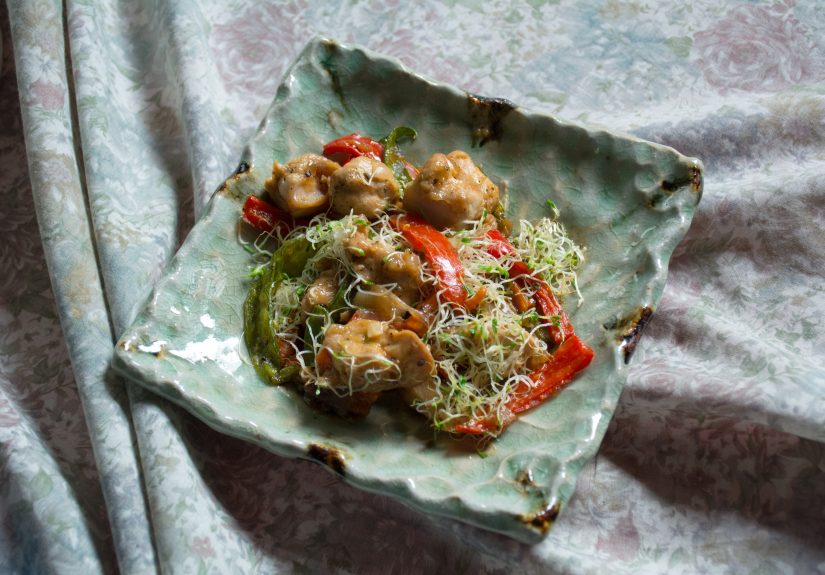
Add alfalfa sprouts toward the end of cooking for quick warm dishes:
-
Breakfast stir-fry: Sauté onion and bell peppers in a little oil,
add beaten eggs or tofu, then toss in a handful of alfalfa sprouts right before you turn
off the heat. -
Veggie skillet: Cook mushrooms, zucchini, and carrots, season with soy sauce
or tamari, then stir in sprouts for the last 30–60 seconds for a light crunch. -
Rice or noodle bowls: Warm leftover rice or noodles in a pan with a bit of
sauce, then mix in sprouts at the very end, letting them soften slightly.
Because sprouts cook fast, treat them like tender herbs: add them just before serving to keep
their light texture.
On Top of Soups and Baked Dishes
Another simple trick is to use warm foods to gently heat your sprouts:
-
Soup topper: Sprinkle sprouts into your bowl of soup and let the residual
heat soften them just a bit. -
Omelets and frittatas: Fold sprouts into an omelet or layer them on top of
a baked frittata right before serving. -
Warm grain casseroles: After pulling a baked grain dish from the oven, add a
layer of sprouts on top and cover for a couple of minutes so they lightly wilt.
This “warm but not overcooked” approach can be a good compromise if you want to reduce some of
the risks of raw sprouts while still enjoying their fresh character.
Are Alfalfa Sprouts Good for You?
Alfalfa sprouts are low in calories but surprisingly rich in certain vitamins and plant compounds.
A small serving typically contains:
- Vitamin K, which supports normal blood clotting and bone health.
- Vitamin C, to help support immune function.
- Small amounts of folate and other B vitamins.
- Plant compounds and antioxidants that may help reduce oxidative stress.
Because they’re mostly water and fiber, sprouts are not a “meal” on their own, but they
are a great upgrade for foods you already eat sandwiches, salads, bowls, eggs, and more.
Important Note About Vitamin K and Medications
If you take blood-thinning medications such as warfarin, big swings in vitamin K intake can
affect how your medication works. Alfalfa sprouts are not the only source of vitamin K in your
diet, but if you eat them regularly or in large amounts, talk with your healthcare provider to
make sure your intake is consistent and safe for you.
Safety First: How to Eat Sprouts the Smart Way
As nutrient-dense and tasty as they are, alfalfa sprouts come with a known food-safety risk.
The same warm, moist conditions that help seeds sprout also create a friendly environment
for harmful bacteria like Salmonella, E. coli, and Listeria if they’re present.
Health agencies have linked several outbreaks of foodborne illness to raw sprouts. Because
bacteria can grow inside the sprout, simply rinsing them may not remove all germs. For this reason,
many authorities recommend cooking sprouts thoroughly to reduce the risk of illness, especially for
people in high-risk groups.
Who Should Avoid Raw Sprouts?
Raw alfalfa sprouts are not recommended for:
- Adults over 65
- Children under 5
- Pregnant people
- Anyone with a weakened immune system
If you fall into one of these groups or cook for someone who does, it’s safer to either cook
the sprouts thoroughly or skip them altogether and use other crunchy vegetables instead.
Safer Sprout Habits for Everyone
- Buy sprouts from a store that keeps them well refrigerated and rotates stock.
- Check the “use by” date and avoid packages that look slimy, smell off, or are turning brown.
- Rinse sprouts under running water before eating or cooking.
- Store them in the refrigerator and eat them within a few days of opening.
- When in doubt, throw them out they’re inexpensive, your health is not.
Real-Life Experiences and Tips with Alfalfa Sprouts
Reading about alfalfa sprouts is one thing. Actually using them in your everyday cooking is another.
Here are some practical, experience-based tips that can help you go from “I bought a box of sprouts
and now I’m scared of it” to “I know exactly how to use this before it spoils.”
First, start small. If you’re new to sprouts, don’t try to force half a container into one sandwich
and then decide you hate them. Instead, add a small handful to something you already love a turkey
sandwich, a veggie wrap, or a salad you know you’ll finish. This makes it easier for your taste buds
to accept the subtle grassy flavor and light crunch without feeling like you’re eating a lawn.
Second, treat sprouts as a “finishing touch,” not the base. Many people have had the experience of
building a salad entirely from sprouts, then realizing halfway through that the texture is too uniform
and the flavor a little flat. The magic happens when sprouts are part of a mix: crisp lettuce,
creamy avocado, crunchy nuts or seeds, plus a sprinkle of sprouts on top. That balance makes the
bowl feel fresh and thoughtfully put together rather than like a health dare.
Storage is another place where experience pays off. Sprouts do not like being trapped under heavy
vegetables, compressed into the bottom of containers, or forgotten for two weeks. Keep them in
their original container or a breathable box near the front of the fridge, so you see them and
actually use them. If condensation builds up, line the container with a paper towel to absorb
excess moisture and help them last a bit longer.
Many home cooks also find that lightly warming sprouts is a game-changer, especially if they’re
nervous about foodborne illness. Adding sprouts to a warm stir-fry right at the end, or stirring
them into just-cooked scrambled eggs, softens the texture slightly and takes the chill off without
turning them mushy. This is a nice compromise between raw and fully cooked that still feels fresh
and vibrant on the plate.
If you’re someone who likes routine, consider building a “sprout habit.” For example, you might
decide that every weekday lunch gets a handful of sprouts whether that’s on toast, in a wrap,
or tossed into a salad. Once that habit is set, you’ll naturally reach for sprouts, and you’re
far less likely to throw away a forgotten container after a week.
Growing sprouts at home can also be a rewarding experience when done safely. Using a clean jar
and carefully rinsing seeds several times a day, you can watch them transform from dry seeds
into fluffy little greens in just a few days. For many people, this makes them more mindful
of food safety (because they see exactly how warm and moist the sprouting environment is) and
more appreciative of the work that goes into that tiny box at the store.
Finally, don’t be afraid to experiment. Try sprinkling sprouts on avocado toast, adding them to
tacos, or using them as a garnish on noodle bowls. Some combinations will be instant favorites;
others will be one-time experiments and that’s okay. The goal is not perfection; it’s building
a practical, enjoyable way to eat more plants without turning every meal into a major project.
Conclusion
Alfalfa sprouts are small, but they punch above their weight when it comes to freshness,
texture, and nutrient density. You can eat alfalfa sprouts in at least three
simple, delicious ways: piled high on sandwiches and wraps, tossed into salads and grain bowls,
or added to warm dishes like stir-fries and eggs.
As long as you handle them safely, pay attention to storage, and consider your personal health
needs, they’re an easy upgrade for everyday meals. Start with one new sprout habit this week
maybe a sprout-topped sandwich or a sprout-studded salad and see how quickly this tiny
ingredient earns a permanent spot in your fridge.