Table of Contents >> Show >> Hide
- Why Homemade Drums Work So Well
- What You Need Before You Start
- Way 1: Make a Balloon-Top Can Drum
- Way 2: Make an Oatmeal-Box Hand Drum
- Way 3: Make a Spin Drum
- How to Get Better Sound From Any Homemade Drum
- Creative Ways to Use Homemade Drums
- Experiences Related to “3 Ways to Make a Homemade Drum”
- Final Thoughts
- SEO Tags
Note: This article is written for home crafting and casual music-making. If you use metal cans, skewers, or hot glue, adult supervision is the smart move.
There is something deeply satisfying about turning ordinary household odds and ends into something loud enough to announce, “Behold, I am now the rhythm section.” A homemade drum is one of the easiest musical projects to make, one of the most fun to play, and one of the few crafts that actually gets better when people make a little noise. Whether you are entertaining kids on a rainy afternoon, building classroom music tools on a budget, or just itching to turn an oatmeal container into a surprisingly respectable percussion instrument, this project delivers.
The beauty of a homemade drum is that it combines creativity, basic sound science, and a tiny bit of glorious chaos. You are not just making a craft. You are building a simple percussion instrument that teaches how rhythm works, how different materials change tone, and why one container sounds like a parade while another sounds like a popcorn tin having an existential crisis. Better yet, you do not need a music store or a giant budget to pull it off.
In this guide, you will learn three practical ways to make a homemade drum: a balloon-top can drum, an oatmeal-box hand drum, and a spin drum that adds motion to the mix. Along the way, we will cover why homemade drums make different sounds, how to get better tone from simple materials, and what kinds of real-life experiences these projects create for families, classrooms, and curious makers.
Why Homemade Drums Work So Well
At its core, a drum works because a stretched surface vibrates when you strike it. That vibration moves the air, and your ears interpret the movement as sound. In plain English, you hit thing, thing wiggles, air wiggles, brain says, “Ah yes, rhythm.” The tighter the surface, the sharper and snappier the sound tends to be. The larger the body of the drum, the deeper the sound usually becomes. Material matters too. Plastic, cardboard, metal, and paper all create different textures of sound.
That is why homemade drums are more than cute little crafts. They are low-key science experiments wearing party clothes. A balloon stretched tightly over a can creates a clean, punchy tap. A cardboard oatmeal box gives you a softer, warmer thump. A spin drum makes sound by letting beads hit the drumhead as it rotates, which is a completely different but equally delightful approach. Once you make one, you start hearing the whole house differently. Suddenly, every container looks suspiciously musical.
What You Need Before You Start
You probably have most of these supplies already. Gather what fits the style of drum you want to make.
- Clean cans, cardboard containers, or oatmeal boxes
- Balloons, sturdy paper, cardboard, or plastic lids
- Rubber bands, tape, string, or glue
- Scissors
- Markers, paint, stickers, or colored paper for decorating
- Wooden spoons, pencils, chopsticks, or hands for playing
- Optional: beads, rice, paper clips, yarn, or popsicle sticks
Before building, make sure all containers are clean and dry. If you are using metal cans, check carefully for sharp edges. A homemade drum should be exciting, but not emergency-room exciting.
Way 1: Make a Balloon-Top Can Drum
Best for quick results and classic drum sound
This is the easiest homemade drum to make and one of the most effective. It is a favorite because the stretched balloon acts like a real drumhead, giving you a crisp, satisfying sound without much setup.
Materials
- One clean can or sturdy plastic container
- One large balloon
- One thick rubber band
- Drumsticks, pencils, chopsticks, or your hands
- Optional decorations
How to make it
- Clean the container and make sure the top edge is smooth and safe.
- Cut off the narrow neck of the balloon.
- Stretch the wider balloon section tightly over the open top of the container.
- Secure it with a rubber band. Pull the balloon as taut as possible for a better sound.
- Decorate the sides if you want to give your drum some personality.
- Play it with your hands for a softer tone or with light drumsticks for more attack.
Why this version works
The balloon creates a tight membrane, which is exactly what a basic drum needs. If the balloon is loose, the sound becomes dull and floppy. If it is stretched tightly, the drum gets brighter and more responsive. Smaller containers produce higher sounds, while larger cans or tubs lean lower and boomier.
Pro tips
- Use a thicker balloon for durability.
- Try several container sizes and build a mini drum set.
- Add a little decoration, but keep the drumhead clear so the sound stays strong.
This drum is ideal for classrooms, beginner music play, and family rhythm games. It is quick, cheap, and surprisingly satisfying. It also has the wonderful side effect of making people instantly hit everything else in the room to compare sounds.
Way 2: Make an Oatmeal-Box Hand Drum
Best for younger kids, easy decorating, and parade vibes
If you want a softer, simpler homemade drum that looks great and feels friendly for small hands, the oatmeal-box hand drum is a winner. This version is less about perfect tone and more about rhythm, creativity, and play. It is also excellent for pretend marching bands, which means it is both charming and mildly dangerous to adult peace and quiet.
Materials
- One empty oatmeal container with lid
- Construction paper or craft paper
- Glue or tape
- Markers, crayons, or paint
- Optional ribbon or yarn for a carrying strap
How to make it
- Empty and wipe down the oatmeal container.
- Wrap the outside with construction paper cut to size.
- Decorate the paper with shapes, stripes, dots, names, stars, or full-blown rock-band branding.
- Glue or tape the paper securely around the container.
- Keep the lid on to create a firmer playing surface.
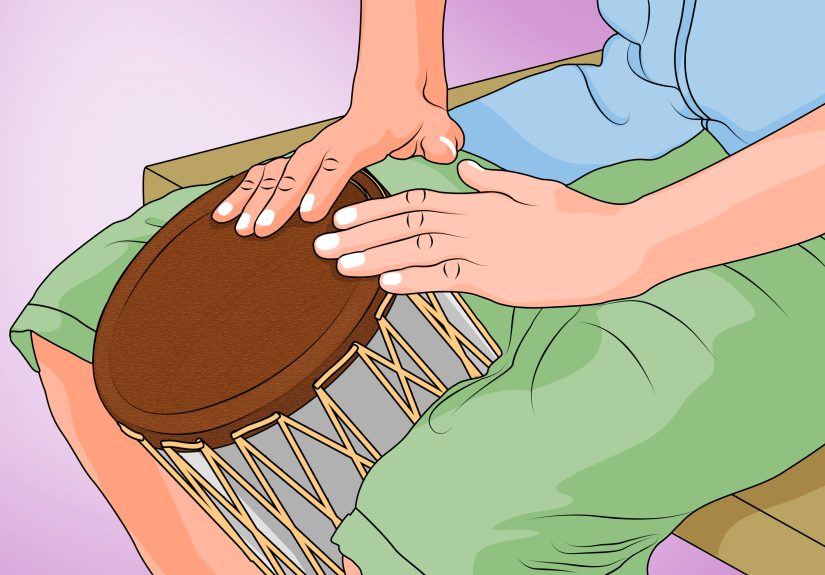
- Play the drum with your palms, fingertips, or very light sticks.
Why this version works
The oatmeal box already has a hollow body, which helps amplify the sound. Its lid is not as springy as a stretched balloon, so the tone is softer and less snappy, but that can be a plus for indoor use. It is also sturdy enough for repeated tapping and easy for kids to hold or carry around.
Ways to upgrade it
- Add a shoulder strap using yarn or ribbon.
- Create matching drums for a family or classroom drum circle.
- Use different container sizes to build high, medium, and low tones.
This is the homemade drum you make when you want more crafting time, less fiddling, and maximum “look what I made” energy. It is also a great choice if you want a drum that doubles as a decorated display piece when it is not being enthusiastically thumped.
Way 3: Make a Spin Drum
Best for motion, rhythm play, and something a little different
A spin drum is not played by hitting it with your hands. Instead, you twist or spin the handle so beads on strings strike both sides of the drum. It is fun, theatrical, and delightfully old-school. If the balloon-top can drum is the practical one and the oatmeal drum is the cute one, the spin drum is the dramatic cousin who arrives with flair.
Materials
- Thick cardboard
- Wooden skewer, craft stick, or dowel for a handle
- String
- Two to four beads
- Glue or tape
- Scissors
- Markers, stickers, or paint
How to make it
- Cut two equal cardboard circles.
- Decorate both circles before assembly.
- Place the handle between the two circles and glue them together, sandwiching the handle in the center.
- Punch a small hole on each side of the drum body.
- Thread string through each hole and tie it securely.
- Add beads to the strings and knot the ends so the beads hang close enough to strike the drum when spun.
- Hold the handle between your palms and roll it rapidly so the beads hit the drum surfaces.
Why this version works
The sound comes from repeated bead strikes hitting the cardboard surfaces. The length of the string, the size of the beads, and the stiffness of the drum body all affect the tone. It is a wonderful way to show that percussion is not just about hitting one surface with one stick. Rhythm can come from movement, repetition, and design.
How to improve the sound
- Use thicker cardboard for a firmer tone.
- Experiment with bead size for louder or softer impacts.
- Adjust string length so the beads hit near the center of each side.
Spin drums are especially fun for kids because they look like toys but teach real ideas about sound and rhythm. They are also excellent conversation starters because nobody expects a cardboard circle to suddenly start performing like it has somewhere important to be.
How to Get Better Sound From Any Homemade Drum
If your homemade drum sounds weak, do not panic. Most drum problems are fixable. First, check tension. A loose drumhead or floppy surface almost always sounds dull. Tighten it if possible. Second, look at the body. A hollow container with decent shape usually amplifies sound better than a flimsy, crushed one. Third, pay attention to striking method. Hands create warmer tones, while pencils or sticks produce a sharper sound. Finally, remember placement. Hitting near the center usually sounds deeper, while hitting closer to the edge often sounds thinner and brighter.
You can also make a tiny homemade drum kit by building several drums from different containers. A small can, a medium oatmeal box, and a large tub together will give you a more interesting range of tones. Suddenly you are not just crafting. You are arranging percussion. Very fancy. Very resourceful. Very likely to be heard by the neighbors.
Creative Ways to Use Homemade Drums
- Family drum circle: Give everyone a different drum and trade beats.
- Classroom rhythm game: Tap simple patterns for kids to copy.
- Parade play: Add streamers and march around the yard or living room.
- Storytime sound effects: Use drums for footsteps, storms, or dramatic entrances.
- Music practice: Work on steady beats, loud and soft sounds, and call-and-response play.
Homemade drums are especially useful because they encourage experimentation. Kids and adults can compare sounds, invent patterns, and learn musical vocabulary naturally. Rhythm, tempo, beat, loud, soft, fast, slow, pulse, patternthose words start to make sense when you can hear and feel them.
Experiences Related to “3 Ways to Make a Homemade Drum”
One of the best things about making a homemade drum is that the experience starts long before the first beat. It begins with that moment of scavenger-hunt energy when you walk through the kitchen or craft closet and suddenly see potential instruments everywhere. The oatmeal box is no longer breakfast storage. The empty can is no longer recycling. The cardboard circle is no longer packaging. They all become candidates for the band. That shift alone is part of the fun, because it trains people to see ordinary objects as creative tools rather than throwaway clutter.
Then comes the building stage, which is usually a mix of excitement, improvisation, and at least one sentence that starts with, “Well, that was not the plan.” A balloon tears. Tape sticks to the wrong thing. A bead rolls under the couch with suspicious confidence. But that trial-and-error process is what makes the experience memorable. You are not buying a finished instrument. You are discovering how sound responds to your choices. Tighten the balloon and the tone changes. Use thicker cardboard and the spin drum feels sturdier. Switch from hands to pencils and suddenly the oatmeal drum sounds more lively. Those little discoveries feel surprisingly rewarding.
The first time a homemade drum actually works is its own tiny celebration. Someone taps the surface and pauses. Someone else says, “Wait, do that again.” Then comes the inevitable flurry of testing, comparing, and enthusiastic overplaying. The balloon-top drum usually gets the biggest reaction because it sounds the most like a “real” drum. The oatmeal-box drum tends to become the parade favorite. The spin drum usually steals the show because it adds movement and a slightly theatrical flourish. You do not just hear the sound; you see the rhythm happen.
There is also a social side to the experience that makes homemade drums more meaningful than a simple craft project. In a family setting, drum-making turns into shared time with a clear payoff. In a classroom, it becomes a lesson in collaboration, listening, and pattern recognition. At parties or camps, it can shift a group from awkward and quiet to fully engaged in about three minutes flat. Rhythm has a way of pulling people together. One person starts a beat, another joins in, and before long the room feels coordinated even if nobody technically knows what they are doing. That is part of the magic. Homemade drums invite participation without demanding perfection.
Maybe the most lasting experience, though, is confidence. When someone makes an instrument and then uses it to create actual sound, that is a powerful little moment. It says, “I made this. I changed these materials. I understand something now that I did not understand an hour ago.” That feeling matters. Whether you are five years old or fully grown and pretending you made the drum “for the kids,” there is genuine satisfaction in creating something playful, functional, and a little bit noisy. Homemade drums may be simple, but the experience of making them sticks with people. Long after the markers are capped and the beads are finally rescued from under the couch, the beat tends to linger.
Final Thoughts
If you want an easy, affordable, and genuinely fun craft, making a homemade drum is hard to beat. The balloon-top can drum gives you the closest thing to a traditional drum feel. The oatmeal-box hand drum is perfect for decorating and easy play. The spin drum adds motion, surprise, and a different kind of rhythm. Together, these three methods prove that you do not need expensive gear to explore music, creativity, and sound.
More importantly, homemade drums turn ordinary materials into something interactive and memorable. They invite experimentation. They make rhythm visible. They create opportunities for families, students, and makers to build something with their own hands and then immediately enjoy the results. That is a pretty great deal for a project made from balloons, cardboard, and pantry leftovers.
So go ahead: make one drum, make three, or accidentally create a full percussion section. Just be prepared for two things. First, people will want to play them immediately. Second, once you start making homemade instruments, every empty container in the house will begin to look suspiciously talented.