Table of Contents >> Show >> Hide
- The Instagram Page Behind the Viral Bored Panda Feature
- Why We Can’t Stop Reading Hilarious Replies to Bad Reviews
- The Most Common Types of Hilarious Restaurant Comebacks
- What These Viral Replies Teach Us About Online Reviews
- How Restaurants Can Channel This Energy (Without Starting a War)
- Why Diners Should Think Twice Before Firing Off a One-Star Review
- 500 Extra Words: Real-World Lessons and Experiences From Viral Restaurant Replies
- Conclusion
If you’ve ever rage-typed a one-star review because your fries were “too crispy” or your burger had the audacity to look like an actual burger, this article is for you. Thanks to an Instagram page that collects the wildest customer complaints and the sassiest restaurant comebacks, and a now-viral feature on Bored Panda, the internet has a front-row seat to the drama of modern dining. Spoiler: sometimes the customer is not only not always right, they’re hilariously wrong.
Across platforms like Google, Yelp, and delivery apps, restaurant owners are responding to bad reviews with a mix of professionalism, dry humor, and occasionally brutal honesty. The result? A masterclass in online reputation management that’s equal parts PR strategy and stand-up comedy. Let’s dive into what’s actually going on behind those savage replies, why diners love reading them, and what every restaurant can learn from this chaotic corner of the internet.
The Instagram Page Behind the Viral Bored Panda Feature
The Bored Panda article that put this trend on many people’s radar shines a spotlight on an Instagram account often referred to as “Takeaway Trauma,” where the creator shares screenshots of customer reviews and the restaurants’ replies. The page started, according to interviews, simply because its creator loved ordering takeout and noticed how entertaining the bad reviews and responses were. Instead of just rolling their eyes and moving on, they began collecting the funniest ones and posting them for the world to see.
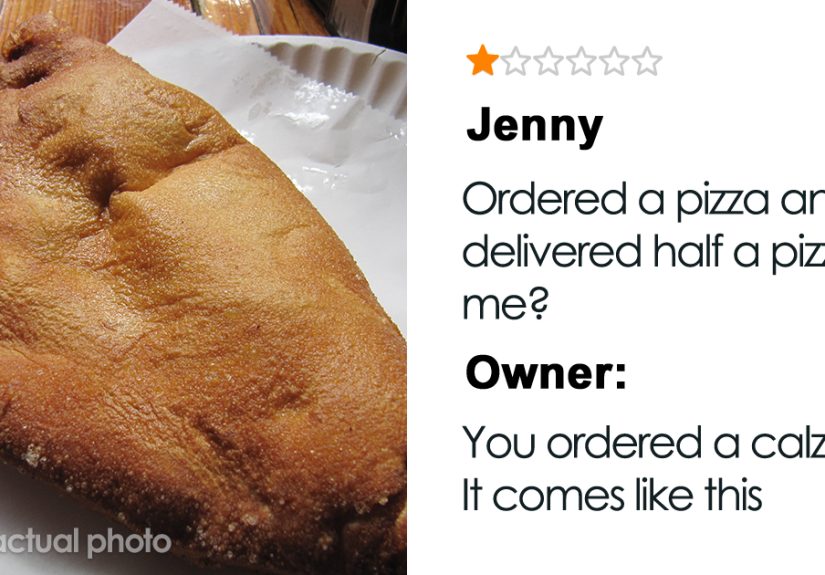
Over time, those posts turned into a kind of ongoing soap opera about delivery food. The “plot” is always the samesomeone complains, the restaurant respondsbut the characters and punchlines change every day. Bored Panda’s roundup of “30 Times Restaurants Left Hilarious Replies Under Bad Reviews” pulled together some of the most over-the-top exchanges and introduced them to a massive global audience. For restaurant owners, it’s free market research. For everyone else, it’s popcorn time.
Why We Can’t Stop Reading Hilarious Replies to Bad Reviews
The secret sauce: justice, humor, and receipts
Part of the appeal of these posts is pure justice. Many of the reviews are obviously exaggerated or misleadingthink customers complaining about waiting “an hour” when the ticket clearly shows a 20-minute order time. When a restaurant calmly replies with timestamps, order logs, or delivery records, it feels like watching a courtroom drama in miniature. Except instead of lawyers, it’s a tired manager in a flour-dusted apron.
Humor is the other key ingredient. Some owners lean into dry, sarcastic replies (“We’re sorry the food was too hot. Next time we’ll send it frozen so you can microwave it to your personal vibe.”), while others use self-deprecating jokes to diffuse tension. The best comebacks manage to be funny and factual: they address what happened, clarify the truth, and still leave readers laughing.
Customers as characters and reviews as entertainment
In the age of screenshots, reviews aren’t just feedbackthey’re content. Over-the-top complaints, like calling a restaurant “the worst place on Earth” because the free tap water didn’t have ice, turn ordinary diners into unintentional comedy writers. When a restaurant responds with equal parts patience and wit, the whole interaction becomes a tiny story with a beginning (the complaint), middle (the reply), and end (the comments cheering on the owner).
These posts also give diners a peek behind the counter. You see how many things can go wrong in delivery, how easily small mistakes get blown out of proportion, and how hard some owners work to stay calm when someone trashes their business publicly over a missing ketchup packet.
The Most Common Types of Hilarious Restaurant Comebacks
1. The politely savage fact-check
One of the most popular kinds of replies is the “polite fact-check.” This is when a customer claims, for example, that their order arrived cold after a “two-hour wait.” The restaurant responds with something like:
“Hi Alex, thanks for your feedback. According to our system, your order was placed at 7:12 p.m., left the kitchen at 7:24 p.m., and was delivered at 7:36 p.m. That’s 24 minutes from order to your door, which is actually faster than our usual quoted time. We’re glad you enjoyed the flavor, and if there’s anything else we can improve, please reach out directly.”
There’s no direct insult, but the math speaks for itself. Readers love these responses because they prove that an owner can defend their staff without losing their cool.
2. The deadpan literal response
Another favorite: deadpan replies that take a silly complaint at face value. If a customer writes, “My pizza was too round,” a restaurant might respond:
“We apologize that the pizza was an unsatisfactory shape. Our chef is still recovering from the shock of your message, but we’ll be sure to add ‘non-round options’ to our next staff meeting agenda.”
These replies work because they gently highlight how unreasonable the original review iswithout using insults or profanity. The humor is in the contrast between the seriousness of the response and the absurdity of the complaint.
3. The self-aware clapback
Some owners lean into self-awareness. When a customer complains that the decor is “stuck in the ’90s,” the restaurant might say:
“Guilty as charged. Our decor is stuck in the ’90s. So is our pricing. And our portions. We hope nostalgia grows on you.”
This kind of response turns criticism into branding. Instead of apologizing for being what they are, the restaurant doubles down in a fun way. It shows confidence and personality, which can actually attract more customers who appreciate the vibe.
4. The unexpectedly kind response
Not all hilarious replies are savage. Some are funny precisely because they’re so gentle. The owner might say:
“We’re really sorry your experience didn’t match your expectations. Running a restaurant is a bit like juggling flaming pizzas in a wind tunnelevery now and then, one drops. Please email us so we can try to make it right.”
The metaphor adds levity, but the message is sincere: we care, we’re listening, and we want to fix things. It’s a reminder that not every entertaining reply has to be a roast.
What These Viral Replies Teach Us About Online Reviews
Bad reviews hurtbut they’re also data
Behind every witty comeback is a very real business that depends on its reputation. Studies and industry guides consistently note that reviews influence where people eat, how much they spend, and whether they’ll give a place a second chance. A single bad review probably won’t destroy a restaurant, but a pattern of similar complaints (slow service, cold food, rude staff) definitely flags a problem that needs attention.
Many hospitality experts recommend reading past the tone of a review to find the signal hidden in the noise. Was the portion size consistently criticized? Are multiple customers confused by the same menu item? Is delivery timing an issue on certain nights? Even the funniest “Takeaway Trauma” screenshots often reveal real friction points that smart owners quietly fix behind the scenes.
Humor works best when the basics are in place
The restaurants that “win” with funny replies have usually done their homework. They know their ticket times, they track orders, they train staff on the service standards they promise. That makes it easy to calmly correct a wrong claim. Without that foundation, a snarky reply can look defensive instead of clever.
Best-practice guides for responding to reviews generally emphasize a few golden rules: respond promptly (often within 24–48 hours), acknowledge the complaint, apologize if appropriate, and offer a next steplike a replacement, refund, or follow-up conversation offline. Once those basics are covered, adding a little personality can turn a stressful situation into a shareable moment instead of a reputation crisis.
How Restaurants Can Channel This Energy (Without Starting a War)
1. Start with professionalism, then layer in personality
If you’re a restaurant owner, it’s tempting to clap back at every unfair comment. But before you unleash your inner comedian, start with a simple framework:
- Thank the reviewer for their feedback.
- Restate the core issue (“You mentioned your order arrived cold.”).
- Share facts if you have them (times, tickets, logs).
- Offer a solution or invite them to contact you directly.
Once that’s done, you can add a light-touch joke if it fits your brand voice. Think playful, not petty. You’re performing for more than just the revieweryou’re performing for every future customer who will read that response.
2. Know when not to be funny
Some situations are absolutely not comedy material. Complaints involving food safety, allergies, discrimination, or serious service failures should be handled with maximum care and zero sarcasm. In those cases, a straightforward, empathetic response that focuses on fixing the problem will always beat a clever one-liner.
Humor is a spice, not the main dish. Use it to enhance your response, not to hide a real issue.
3. Protect your team without attacking customers
One of the most powerful uses of a public reply is defending your staff when they’re unfairly targeted. Instead of calling a reviewer a liar, you can write something like:
“Our team works hard to greet every guest warmly, and we’re sorry that wasn’t your experience. We’ve reviewed the security footage from that evening and aren’t seeing the interaction described, but we’d still like to talk more and understand what went wrong from your perspective.”
This approach supports your employees while still showing respect for the customer. It tells your staff, “We’ve got your back,” and tells future guests, “We care about fairness, not just ratings.”
Why Diners Should Think Twice Before Firing Off a One-Star Review
The popularity of posts where restaurants clap back at customers has also made diners a little more self-aware. Once you’ve seen how ridiculous some complaints look in screenshot form, it’s hard not to pause before hitting “submit” on your own angry review.
Of course, honest negative feedback is valuable. But thoughtful reviewsspecific, fair, and constructiveare more likely to lead to better service for everyone. Overdramatic, vague, or petty complaints just give the internet more meme material.
A good rule of thumb: if you wouldn’t say it to the owner’s face in a calm voice, maybe don’t say it online in all caps.
500 Extra Words: Real-World Lessons and Experiences From Viral Restaurant Replies
What it’s like on the restaurant side of the screen
Spend any time talking to restaurant owners and you’ll notice a pattern: they remember their worst reviews almost word for word. Late-night notifications about one-star ratings hit harder when you know how much sweat, rent, and stress go into every plate that leaves the kitchen.
Some owners admit that, early on, they used to reply in angerlong, defensive paragraphs typed on a smartphone after a 12-hour shift. Looking back, many cringe at those responses. Over time, they learned what we see in the best viral comebacks: the smartest move is to slow down, breathe, and reply strategically, not emotionally. That’s when the funny-but-fair responses started appearing.
One common story goes like this: the restaurant gets a furious review about “rude staff” and “cold food.” The owner checks the order history and security footage and realizes the guest showed up 45 minutes after the order was ready, then yelled at the counter worker when the food wasn’t piping hot. Instead of silently seething, the owner posts a calm reply explaining the timeline, thanking the guest for coming in, and inviting them back for a fresh meal. The tone is measuredbut just pointed enough that readers understand what really happened. The comments section quickly fills with locals defending the restaurant.
When humor backfires (and what that teaches us)
Not every attempt at a savage reply becomes internet gold. Some crash and burn. A few well-known examples show owners crossing the line: mocking a customer’s appearance, using insults, or exposing personal information. Those responses don’t read as witty; they read as unprofessional and mean-spirited. Instead of winning sympathy, the restaurant ends up with even more bad press.
These missteps highlight a crucial lesson: the target of your humor should be the situation, not the person. Joking about the absurdity of a complaint (“We regret that the free bread did not emotionally fulfill you”) is different from attacking the reviewer (“Maybe you’d be happier at a place that serves food and hugs”). The first can feel cathartic and clever; the second makes potential diners wonder how they’d be treated if something genuinely went wrong.
How reading these exchanges changes us as diners
For everyday readers, scrolling through “Takeaway Trauma” and similar posts can actually make us better customers. Once you’ve seen enough receipts proving that “two-hour waits” were really 25 minutes, or that “missing food” was actually left in the bag, you start checking your own expectations.
It also builds empathy for the organized chaos of restaurant life. You realize that your delivery is one ticket in a sea of orders, that drivers deal with traffic and weather, and that staff are juggling in-person guests, phone calls, online platforms, and third-party delivery apps all at once. A bit of patience suddenly feels less like a favor and more like basic fairness.
On the flip side, these viral threads also remind restaurants that customers are watching how they respond. A thoughtful, even funny reply to a negative review can win back not just the original guest but dozens of people reading silently. A defensive, angry response can push them away.
Bringing it all together: comedy, customer service, and long-term reputation
In the end, the “30 times restaurants left hilarious replies under bad reviews” isn’t just a gallery of internet drama; it’s a snapshot of how hospitality, technology, and human ego collide. We’re seeing, in real time, how public feedback can shape the voice and personality of a restaurant brand.
The smartest owners treat every review as both a risk and an opportunity. They use data and systems to understand what really happened. They respond quickly enough to show they care, but thoughtfully enough to avoid emotional misfires. And when they do bring humor into the mix, it’s the garnish, not the entire dish.
For diners, the takeaway (pun fully intended) is simple: be honest, be fair, and maybe re-read that scathing paragraph before you hit “post.” For restaurants, the lesson is equally clear: you can’t control every reviewbut you can absolutely control how entertaining, gracious, and on-brand your replies are.
Conclusion
From quietly savage fact-checks to self-aware, tongue-in-cheek apologies, the restaurant replies showcased by that Instagram page and amplified by Bored Panda prove that customer service and comedy can coexist. They also highlight a deeper truth: online reviews are public conversations, not private complaintsand how a restaurant answers can matter more than the complaint itself.
Whether you’re a diner writing a review or an owner crafting a response, remember that thousands of strangers may eventually read what you type. You can use that spotlight to escalate a fightor to show the world that you’re fair, human, and maybe just a little bit hilarious.
meta_title: 30 Hilarious Restaurant Replies to Bad Reviews
meta_description: Discover how restaurants turn bad reviews into viral comedy with witty replies, real examples, and lessons in customer service and reputation.
sapo: When a hangry diner fires off a one-star review, most restaurant owners grit their teeth and apologize. But some take a different routemixing facts, wit, and just the right amount of sass to turn negative feedback into viral content. Inspired by the Instagram page behind Bored Panda’s “30 Times Restaurants Left Hilarious Replies Under Bad Reviews,” this in-depth guide explores why these comebacks are so addictive to read, what they reveal about modern dining culture, and how restaurants can use humor and professionalism to protect their reputation. From politely savage fact-checks to surprisingly kind replies, you’ll learn what works, what backfires, and how both diners and owners can navigate the wild world of online reviews a little more thoughtfullyand with a lot more laughs.
keywords: hilarious restaurant replies, bad restaurant reviews, funny owner responses, Takeaway Trauma Instagram, Bored Panda restaurant reviews, responding to negative reviews, restaurant reputation management