Table of Contents >> Show >> Hide
- Before You Start: How to Choose the Right Wall
- 31 Feature Wall Ideas (With Tips and Examples)
- Color-Drench One Wall (But Make It Sophisticated)
- Two-Tone Paint With a Crisp Divider
- Painted Color Block Geometry
- Oversized Painted Arch Behind a Bed or Console
- Stripes That Change the Room’s Proportions
- Checkerboard (Yes, It’s Back)
- Limewash or “Cloudy” Wash for Soft Movement
- Venetian Plaster Look (DIY-Friendly Versions Exist)
- Wallpaper: Classic Repeat Pattern
- Wallpaper: Grasscloth or Woven Texture
- Wallpaper Mural for “Instant Artwork”
- Peel-and-Stick Wallpaper for Renter-Friendly Drama
- Board-and-Batten for Clean, Architectural Depth
- Box Molding for a Parisian-Inspired “Panel” Wall
- Wainscoting + Paint or Wallpaper Above
- Vertical Shiplap for a Fresh Twist
- Wood Slat Wall (Modern, Warm, and Textural)
- Reclaimed Wood for Instant Character
- Painted Wood Paneling (Same Color, More Depth)
- Faux Brick or Brick Veneer for Urban Texture
- Stone Veneer for a Fireplace Feature Wall
- Tile Feature Wall Beyond the Backsplash
- Graphic Tile “Rug” on the Wall
- Mirror Wall Panels to Double the Light
- Full Gallery Wall With a Tight Color Story
- One Oversized Art Piece That Does All the Work
- Built-In Shelving as a Feature Wall
- Picture Ledge Wall (Flexible and Low-Commitment)
- Statement Lighting + Simple Backdrop
- Upholstered or Fabric-Paneled Wall
- Greenery Wall (Real Plants or High-Quality Faux)
- Room-by-Room Ideas: Where Feature Walls Work Best
- Quick Practical Tips for a Feature Wall That Looks Professional
- Experiences That Make Feature Walls Easier (and Less Stressy)
- Conclusion
Every room has that wallthe one you stare at while you wait for your coffee, the one your couch faces, the one that looks suspiciously empty no
matter how many throw pillows you buy. A feature wall (also called an accent wall or statement wall) is the design world’s best “one big move” trick:
it adds personality, depth, and a clear focal point without forcing you to redo an entire room (or sell a kidney for new furniture).
The secret isn’t just picking a bold color and hoping for the best. The best feature walls have a job: they anchor a bed, frame a fireplace, define a
dining zone, or turn an awkward nook into the star of the show. Below are 31 ideasranging from renter-friendly to “bring out the nail gun”plus
practical tips and examples so your feature wall looks intentional, not accidental.
Before You Start: How to Choose the Right Wall
Pick the wall that already wants attention
The easiest win is a wall your eyes naturally land on when you enter the room: behind the sofa, behind the bed, around a fireplace, or at the end of a
hallway. If a wall has built-ins, an arch, or a weird bump-out, that’s not a problemit’s a plot twist. Feature walls love plot twists.
Decide what “wow” means in this room
A bedroom “wow” often means calm texture (think upholstered panels or soft wallpaper). A dining room “wow” can handle more drama (hello mural and
moody paint). A kids’ room “wow” can be playful (chalkboard, decals, bold shapes). Match the wall treatment to how you want the room to feel.
Keep the rest of the room in on the joke
Even a maximal feature wall needs a supporting cast. Repeat one or two elements elsewherean accent color in pillows, a wood tone in a frame, a metal
finish in a sconceso the wall looks like it belongs, not like it moved in unannounced.
31 Feature Wall Ideas (With Tips and Examples)
-
Color-Drench One Wall (But Make It Sophisticated)
Paint a single wall a deeper shade than the rest of the room. To avoid the “random dark rectangle” effect, echo the color in small waysvase,
artwork mat, throw blanketso it feels planned. -
Two-Tone Paint With a Crisp Divider
Split the wall horizontally: darker on the bottom, lighter on top (or vice versa). This can visually “ground” tall walls and add structure in a room
that feels floaty. -
Painted Color Block Geometry
Use painter’s tape to create triangles, arches, or chunky rectangles. Keep it modern by limiting your palette to 2–3 colors and letting furniture
lines (headboard, console, sofa) guide the shapes. -
Oversized Painted Arch Behind a Bed or Console
An arch creates an instant “frame” for the focal piece. It’s especially great if you don’t want to commit to a full-wall treatment. Bonus: it
disguises slightly off-center furniture like a charm. -
Stripes That Change the Room’s Proportions
Vertical stripes can make ceilings feel taller; horizontal stripes can make a room feel wider. Choose subtle tonal stripes for a grown-up look, or go
bold if you want a playful vibe. -
Checkerboard (Yes, It’s Back)
A large-scale checkerboard in muted tones reads artsy, not chaotic. This works well in a breakfast nook, playroom, or creative office where a little
visual energy is a feature, not a bug. -
Limewash or “Cloudy” Wash for Soft Movement
Wash finishes add depth without a hard pattern line. They’re perfect for Mediterranean, farmhouse, or cozy-modern spaces where you want texture that
feels organic rather than graphic. -
Venetian Plaster Look (DIY-Friendly Versions Exist)
Plaster-style finishes can look luxe and moody. Use it in an entryway or dining room where lighting can skim across the surface and show off the
movement. -
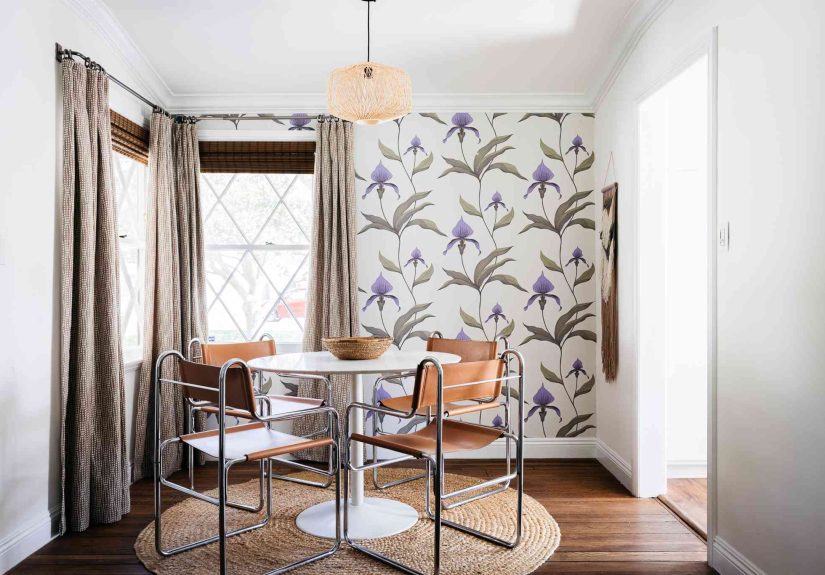
Wallpaper: Classic Repeat Pattern
A patterned wallpaper feature wall adds instant personality. If you’re nervous, choose a pattern that includes a color already in the roomthen it
feels coordinated, not like your wall went on vacation without you. -
Wallpaper: Grasscloth or Woven Texture
Grasscloth (or grasscloth-look vinyl) adds texture and warmthgreat behind a bed, in a dining room, or on a living room wall that needs dimension
without loud pattern. -
Wallpaper Mural for “Instant Artwork”
Murals create a statement that feels like a giant art installation. Landscapes, painterly abstracts, botanicals, and vintage tapestry styles work
especially well when the rest of the room is kept calm. -
Peel-and-Stick Wallpaper for Renter-Friendly Drama
Removable wallpaper can be a weekend transformation. It shines in powder rooms, laundry rooms, and nooksplaces where a small square footage makes
bold pattern feel less intimidating. -
Board-and-Batten for Clean, Architectural Depth
Board-and-batten adds structure and shadow lines. Paint it the same color as the wall for subtle depth, or use contrast to highlight the grid.
It’s a strong choice for bedrooms and hallways. -
Box Molding for a Parisian-Inspired “Panel” Wall
Add rectangular molding in a symmetrical pattern and paint it all one color. It reads high-end even in a basic room because the wall suddenly looks
like it came with the house in a fancy way. -
Wainscoting + Paint or Wallpaper Above
Wainscoting protects lower walls (hello, chairs and kids) and adds classic style. Pair it with wallpaper above for a custom look that feels
designer-level intentional. -
Vertical Shiplap for a Fresh Twist
Traditional shiplap runs horizontal, but vertical boards feel taller and more modern. Great for an entry wall, a bedroom headboard wall, or a small
space that needs height. -
Wood Slat Wall (Modern, Warm, and Textural)
Thin vertical slats add rhythm and a boutique-hotel vibe. Use behind a media console or bed, then keep decor minimal so the texture can be the main
character. -
Reclaimed Wood for Instant Character
Reclaimed boards bring warmth and story. Pair with simple furniture and neutral textiles so it reads rustic-chic, not “I built a cabin indoors.”
-
Painted Wood Paneling (Same Color, More Depth)
If you love texture but want a calm palette, paint the paneling the same color as surrounding walls. The shadows create interest without shouting.
-
Faux Brick or Brick Veneer for Urban Texture
Brick (real or veneer) makes a strong statement in loft-style rooms, kitchens, or around fireplaces. Keep surrounding finishes simple: wood, linen,
and matte metal look especially good with brick. -
Stone Veneer for a Fireplace Feature Wall
A stone fireplace wall instantly anchors a living room. Choose stone that matches your home’s vibesleek stacked stone for modern, rougher textures
for rustic or traditional. -
Tile Feature Wall Beyond the Backsplash
Tile isn’t just for the kitchen triangle. Try it behind a bathroom vanity, as a full-height kitchen accent, or around a fireplace surround. Glossy
tiles bounce light; matte tiles feel grounded. -
Graphic Tile “Rug” on the Wall
Create a rectangular tile section like a framed panelespecially effective behind a range, in a bar niche, or behind floating shelves.
-
Mirror Wall Panels to Double the Light
A mirrored feature wall expands small spaces visually. Use antique or smoked mirror panels for a softer look (and fewer “why am I seeing myself in
HD?” moments). -
Full Gallery Wall With a Tight Color Story
A gallery wall becomes a feature wall when it’s curated: consistent frames, a limited palette, or a shared theme. Lay it out on the floor first, or
use paper templates to avoid the “Swiss cheese wall” effect. -
One Oversized Art Piece That Does All the Work
If you want impact with zero installation drama, go big. A single large piece over a sofa or credenza can outperform a dozen small frames and feels
instantly modern. -
Built-In Shelving as a Feature Wall
Wall-to-wall shelves create depth and function. Style them with negative space (yes, empty areas on purpose), and repeat finisheswood tones,
ceramics, booksto keep it cohesive. -
Picture Ledge Wall (Flexible and Low-Commitment)
Install slim ledges and rotate art whenever you want. It’s perfect for commitment-phobes and anyone who changes their mind more often than their
phone wallpaper. -
Statement Lighting + Simple Backdrop
Sconces, a wall-wash light, or a row of picture lights can make a wall feel like a gallery. Pair with subtle paint or texture so the lighting creates
the drama. -
Upholstered or Fabric-Paneled Wall
Fabric panels or an upholstered headboard wall adds softness and a high-end feel. Great for bedrooms, reading nooks, and media rooms where you want a
cozier, quieter atmosphere. -
Greenery Wall (Real Plants or High-Quality Faux)
A plant feature wall brings freshness and texture. Use it in bright spaces like sunrooms or near a window, and keep everything else simple so it
feels intentional instead of jungle-adjacent chaos.
Room-by-Room Ideas: Where Feature Walls Work Best
Living room
Try wood slats behind the TV to add warmth and reduce the “black rectangle” effect, or go with a mural behind the sofa for instant personality. If your
living room is open-concept, a feature wall can define the zone without building an actual wall (which is rude and expensive).
Bedroom
Behind the bed is the classic choice for a reason. Upholstered panels, board-and-batten, or grasscloth wallpaper can make the room feel layered without
being loud. If your headboard is minimal, the wall can do more work.
Kitchen and dining
Tile, wallpaper in a breakfast nook, or a paint treatment behind open shelving can add depth fast. Dining rooms handle bold pattern particularly well
because you’re not staring at it all daymostly just while you eat and debate who’s doing dishes.
Entryway and hallway
These spaces are perfect for high-impact treatments: wallpaper, a gallery wall, or a bold paint color. A feature wall at the end of a hallway can make
the whole path feel purposeful instead of “a long corridor to nowhere.”
Quick Practical Tips for a Feature Wall That Looks Professional
Test first, then commit
Lighting changes everything. Sample paint and look at it in the morning, afternoon, and at night. For wallpaper, order a sample or view it in the room’s
actual light so you don’t end up with a pattern that feels charming online and chaotic in real life.
Think about finish, not just color
Matte finishes hide wall imperfections; shinier finishes bounce light and highlight texture (and also highlight drywall sins). Match the finish to the
room’s function and how “perfect” the wall surface is.
Balance pattern with breathing room
If the wall is the loudest thing in the room, keep surrounding elements calm. If the room is already busy (patterned rug, bold curtains), choose a
feature wall with texture rather than a second loud pattern.
Experiences That Make Feature Walls Easier (and Less Stressy)
Home improvement shows make feature walls look like a magical 22-minute montage. Real life is… slightly more adhesive. The most common “experience-based”
lesson people share is that prep is the unglamorous hero. When a wall is dusty, slightly greasy (kitchen walls love to collect invisible film), or bumpy,
even the best wallpaper or paint can look off. People who take an extra hour to clean, patch, and lightly sand usually end up with a finish that looks
intentionallike the wall was always meant to be the focal point.
Another common experience: the color you loved at noon might feel totally different at 8 p.m. under warm bulbs. Many DIYers swear by testing paint
samples and living with them for a couple of days, not because they enjoy waiting, but because it prevents that “why does this look like guacamole at
night?” moment. The same goes for wallpaper. A small sample taped to the wall can save you from committing to a print that feels perfect on your phone
but overwhelming at full scale.
If you’re doing peel-and-stick wallpaper, people often report two things: (1) it’s easier with a helper, and (2) patience is the difference between a
smooth finish and a wall full of bubbles that looks like it’s trying to communicate in Morse code. A typical strategy is to start with a plumb vertical
line (using a level), hang the first panel as perfectly as possible, and then let every other panel “behave” by following that first one. When a pattern
needs matching, many find it less stressful to overlap slightly and trim carefully rather than fighting tiny gaps that show up later.
For trim walls (board-and-batten, box molding, slats), a frequent “I wish I knew this earlier” lesson is that measuring and layout matter more than
fancy tools. People often sketch the pattern on paper first, then transfer it to the wall with pencil marks. That simple planning step helps avoid
awkward skinny end pieces that look unbalanced. Another shared tip: paint or prime components before installing when possible. It can make the finishing
stage cleaner, especially for slat walls or deep molding profiles where a brush feels like it’s trying to paint inside a mailbox slot.
Styling is its own mini-adventure. Many homeowners find that once the feature wall is done, they actually want less décor in front of it. That’s
a good sign. A feature wall is a focal point, not a background actor. If you’ve built a dramatic wall-to-wall shelf or installed a mural, you don’t need
to layer five more “statement” pieces on top. The more successful feature wall makeovers tend to be the ones where the wall is allowed to breatheone
oversized artwork, a simple headboard, a clean console with two or three objects, and then… stop. Walk away. Put the candle down.
Finally, there’s the emotional experience: commitment. A feature wall feels bold because it’s concentrated. People who love their results often treat the
wall like a design “thesis statement” and let the rest of the room support it. If the wall is moody and dramatic, they bring in softer textiles. If the
wall is colorful and playful, they keep the furniture shapes simple. That give-and-take is what makes a room feel designed rather than decorated in a
panic. And if you’re still nervous? Start with the smallest wall in the most forgiving room. Confidence is also a building material.
Conclusion
A stunning feature wall isn’t about following one trendit’s about choosing a focal point that fits your room’s architecture, your lifestyle, and your
tolerance for DIY chaos. Whether you go bold with a mural, classic with paneling, cozy with upholstered texture, or simple with a painted arch, the best
statement walls feel deliberate. Pick the wall with purpose, repeat a few elements around the room, and let the feature wall do what it was born to do:
steal the spotlight (politely).