Table of Contents >> Show >> Hide
- Start Here: The Small-Space Rules That Make Everything Easier
- Entryway & Hallway
- Living Room
- Dining Area
- Kitchen
- Go vertical with open shelvesthen curate like a grown-up
- Add shelf risers and stackable bins inside cabinets
- Use an under-shelf or pull-out drawer to create “new” storage
- Hang tools on a rail or pegboard instead of filling drawers
- Use the “inside of cabinet doors” for skinny storage
- Try a rolling cart as a mobile pantry or prep station
- Bedroom
- Closets & Getting-Dressed Zones
- Bathroom
- Laundry & Utility Spaces
- Bonus: Practical Experiences and Lessons From Real Small-Space Living
- Conclusion
Small homes have a special talent: they can feel charming and cozy… right up until your keys vanish, your couch starts storing laundry, and your “decor”
becomes a modern art installation called Stuff Pile No. 4. The good news? You don’t need more square footageyou need smarter square footage.
These small-space solutions are practical, good-looking, and actually doable, whether you live in a studio apartment or a “starter home”
that’s been starting for 12 years.
Below are 31 small space storage ideas and layout upgradesorganized by roomso every corner, wall, door, and awkward gap can start pulling
its weight. Expect lots of vertical storage, space-saving furniture, and little tricks that make rooms feel calmer and
bigger without pretending you’re a minimalist monk.
Start Here: The Small-Space Rules That Make Everything Easier
- Go vertical first. Walls and doors are your “bonus rooms.” Use them.
- Double-duty wins. If a piece can’t store, fold, hide, or transformmake it audition harder.
- Containment beats “organizing.” Bins, trays, and baskets turn chaos into categories in minutes.
- Air + light matter. Fewer visual interruptions (and better lighting) makes tight spaces feel larger.
Entryway & Hallway
-
Create a “drop zone” with hooks, a slim shelf, and a tray
Put daily essentials (keys, bag, sunglasses) in one repeatable spot. A narrow wall shelf plus hooks keeps items off the floor, and a small tray prevents
the “pocket confetti” effect from spreading. -
Use a wall-mounted or ultra-slim shoe cabinet
Shoes are the #1 entryway floor hog. A slim cabinet (often 6–10 inches deep) hides pairs vertically and looks like a console, not a footwear crime scene.
-
Add an over-the-door organizer for tiny accessories
The back of the entry door can store hats, dog leashes, umbrellas, or reusable bags. Choose pockets for soft items and hooks for heavier gear to avoid
door-slams of doom. -
Hang a mirror that also stores
A mirror brightens a small entry and visually expands it. Pick one with hidden hooks or a shallow cabinet behind it for keys, mail, and “where is my
charger?” items.
Living Room
-
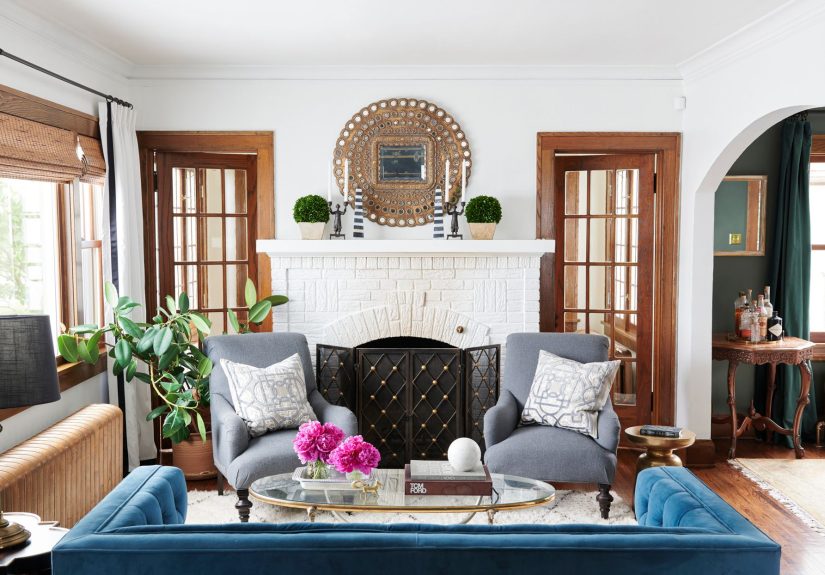
Swap bulky furniture for “leggy” pieces and clear pathways
Sofas and chairs with visible legs create air under furniture, making the room feel less packed. Keep walkways open by floating furniture slightly away
from walls only when it improves flow. -
Choose an ottoman or coffee table with hidden storage
Living rooms collect blankets, remotes, games, and mystery cords. A lift-top or storage ottoman turns clutter into “intentionally stored supplies,” which
is the adult version of magic. -
Mount the TV (and hide the cable chaos)
Wall-mounting frees up console depth. Add a floating shelf or slim media cabinet and route cords through a cable raceway so your TV area stops looking
like a robot spaghetti incident. -
Use a tall bookcase (or shelving wall) instead of wide pieces
In small spaces, width is precious. Tall shelving holds books, baskets, and décor without eating floor area. Mix closed bins on lower shelves with open
display up top for balance. -
Define zones with a rug and lighting instead of furniture “walls”
If you’re in a studio or open plan, zoning keeps the room from feeling like one big everything-zone. A rug anchors seating, and layered lighting (floor
lamp + table lamp) creates cozy boundaries without partitions.
Dining Area
-
Pick a round or drop-leaf table that flexes with your life
Round tables improve traffic flow, and drop-leaf tables expand only when needed. Translation: you can host friends without living permanently inside a
table corner. -
Use a bench with storage (or a banquette) instead of extra chairs
Benches tuck under tables and can hide linens, seasonal items, or board games. A simple banquette along a wall also reclaims space and creates a built-in
vibe without full renovation energy. -
Install a narrow picture ledge or wall shelf for dining extras
Store salt/pepper, napkins, or serving pieces on a shallow ledge nearby. It keeps surfaces tidy and makes “set the table” feel less like a scavenger hunt.
Kitchen
-
Go vertical with open shelvesthen curate like a grown-up
Open shelving can lighten a tight kitchen visually and keeps everyday dishes within reach. The key is editing: keep what you use weekly and store
duplicates elsewhere, so shelves don’t become a museum of mismatched mugs. -
Add shelf risers and stackable bins inside cabinets
Cabinet space isn’t just horizontaluse the height. Shelf risers double the usable surface, while stackable bins corral snacks, packets, and small items
that love rolling into chaos. -
Use an under-shelf or pull-out drawer to create “new” storage
Deep cabinets waste vertical space. Under-shelf drawers or pull-out organizers add a second layer for wraps, spices, or teaso you stop playing
kitchen Jenga every time you cook. -
Hang tools on a rail or pegboard instead of filling drawers
Rails and pegboards keep utensils, pans, and frequently used tools visible and accessible. Bonus: freeing a drawer means you finally have a place for
the “random but necessary” kitchen stuff. -
Use the “inside of cabinet doors” for skinny storage
Mount spice racks, wrap dispensers, or small hooks inside doors. It’s one of the easiest small kitchen upgrades because it uses space you already have
and never think about. -
Try a rolling cart as a mobile pantry or prep station
A slim cart can hold appliances, produce, or pantry staples and moves wherever you need it. Park it in a corner most days; roll it out when you cook,
bake, or pretend you’re on a TV show.
Bedroom
-
Choose a bed that stores: drawers, lift-up storage, or risers
Beds take up the most floor areaso make that footprint work. Under-bed drawers or lift storage are perfect for extra linens, off-season clothes, or
the “I’ll deal with it later” bin (we all have one). -
Replace nightstands with floating shelves (or wall-mounted cubes)
Floating nightstands free floor space and make rooms feel larger. Add a small sconce instead of a table lamp to keep the surface clear for essentials.
-
Use a headboard with built-in shelving
A bookcase headboard replaces a dresser’s worth of storage in tight rooms. Keep it tidy with baskets or matching bins so it reads “styled,” not “storage
unit in distress.” -
Hang a double rod or add a closet extender for more vertical capacity
Many closets waste space above short-hanging clothes. A second rod doubles hanging capacity, and a simple extender can add a new row without major
construction. -
Try a “capsule rotation” system for seasonal clothing
You don’t need every sweater and swimsuit accessible year-round. Store off-season items in labeled bins (under bed, top shelf, or closet) so your daily
closet stops overflowing like a sitcom gag.
Closets & Getting-Dressed Zones
-
Switch to slim, matching hangers to reclaim inches instantly
Bulky hangers waste space and create uneven rows. Slim hangers keep clothes aligned, reduce slipping, and often fit more items on the same rodwithout
“cramming,” just smarter spacing. -
Use clear bins and labels for small accessories
Socks, belts, and accessories disappear when they’re loose. Clear bins (or drawer dividers) make categories obvious and reduce the daily rummage ritual
before you leave the house. -
Add a back-of-door hook system for bags, scarves, and outfits
Doors are storage gold. Use a hook rail for handbags, tomorrow’s outfit, or scarvesespecially helpful if your closet is more “suggestion” than “system.”
Bathroom
-
Install over-the-toilet shelving or a cabinet
That space above the toilet is basically a blank check for storage. Add shelves or a closed cabinet for towels and toiletries, and use small bins to
separate categories (hair, skincare, first-aid, etc.). -
Maximize under-sink height with stackable drawers or lidded bins
Pipes make under-sink storage tricky, but stackable drawers and narrow bins work around them. Group items by task (cleaning, backups, daily use) so you
can grab what you need without excavating. -
Use a shower caddy that hangs, sticks, or cornersthen edit ruthlessly
Corner caddies and tension poles lift bottles off the tub ledge. The real win is limiting what lives in the shower: keep daily products accessible and
store backups elsewhere to avoid the “13 half-used shampoos” situation.
Laundry & Utility Spaces
-
Install shelving above machines and use matching baskets
A small laundry area needs vertical storage. Shelves above the washer/dryer hold supplies, while baskets keep things looking calm. Label them so nobody
pours fabric softener into the “stain stuff” bin. -
Add a wall-mounted drying rack or hanging rod
Skip the floor-dominating drying rack. Wall-mounted racks fold down when needed, and a simple hanging rod can handle shirts and delicates without turning
your living room into a laundromat runway.
Bonus: Practical Experiences and Lessons From Real Small-Space Living
If you’ve ever tried to “get organized” in a small home, you already know the truth: the best systems aren’t the fanciestthey’re the ones you’ll actually
use when you’re tired, late, or carrying groceries with one elbow. In many compact homes, the first breakthrough is realizing that storage isn’t
about hiding everything; it’s about making the right things easy and the wrong things slightly inconvenient.
For example, a lot of people set up a beautiful entryway shelf… and still end up dumping everything on the nearest chair. Why? Because the shelf is too high,
too small, or too far from the door swing. The fix is usually simple: put one hook at the exact height where your bag naturally lands, add a small
dish for keys, and make sure shoes have a defined home (even if it’s just a lidded basket). When the system matches your habits, clutter drops fast.
Another common experience: the living room becomes a storage unit because it’s the only “open” space. The secret isn’t buying more binsit’s creating
zones. A storage ottoman handles blankets and games. A tall bookcase holds baskets for electronics. A small tray on the coffee table becomes
the designated “remote + lip balm + hair tie” corral. Once every item has a category, surfaces stop collecting random piles.
Kitchens in small homes teach the fastest lessons. If your counters are always full, it’s rarely because you “have too much kitchen.” It’s usually because
the storage you do have isn’t layered. Shelf risers, pull-out drawers, and door-mounted racks create extra levels so you can see what you own. Many people
also find that decanting pantry staples into clear containers helpsnot because it’s trendy, but because it prevents duplicates and makes “what’s left?”
obvious at a glance.
Bedrooms can feel cramped even when they’re tidy, especially if furniture is heavy and low. That’s why floating nightstands, wall sconces, and under-bed
storage are such game changers. People often report that simply clearing the floor around the bedby choosing pieces that lift storage off the groundmakes
the whole room feel calmer. The same goes for closets: slim hangers and a seasonal rotation can feel like you gained a second closet without moving walls.
Bathrooms and laundry zones are where “vertical” becomes a lifestyle. Over-the-toilet shelving, stackable under-sink drawers, and wall-mounted drying racks
keep the floor clear. The most effective approach is grouping supplies by task: daily toiletries, backups, cleaning, and first aid. When categories are
separated, cleanup becomes fasterbecause you’re putting things back into a system, not trying to “organize” every time.
The big takeaway many small-space dwellers share is this: small homes don’t forgive indecision. When you choose clear homes for the
essentialsand store the rest out of sightyour space starts working like a well-designed tool instead of a constant negotiation. And yes, you can still
own cozy blankets. Just give them a proper job description.
Conclusion
Small spaces don’t need to feel small. When you use walls, doors, and multifunctional pieces on purposeand pair them with simple containmentyou can make
every room feel more open, more functional, and way less stressful. Start with the one room that annoys you most, install one smart solution, and let the
momentum do the rest.