Table of Contents >> Show >> Hide
Great curb appeal is a little like great hair: when it works, everyone notices, and when it doesn’t, nobody knows quite where to look. The good news is that creating a beautiful front yard does not require a full-blown makeover, a celebrity landscape designer, or a budget large enough to make your wallet file a formal complaint. In most cases, the best results come from a series of smart, intentional upgrades that make your home feel polished, welcoming, and well cared for.
If your goal is to have the best front yard on the block, start by thinking beyond flowers alone. Strong curb appeal is really a combination of clean lines, healthy plants, attractive hardscaping, good lighting, and an entryway that feels like it is happy to see people. Whether your home is a cottage, a ranch, a classic colonial, or a newer build with modern leanings, these curb appeal ideas can help you create a front yard that looks finished, functional, and seriously good from the street.
Start With the High-Impact Basics
The easiest upgrades are often the most visible
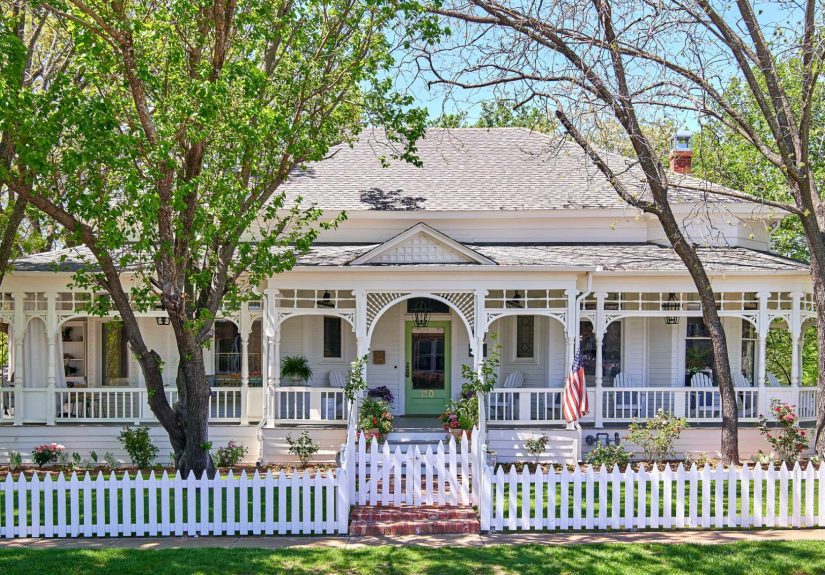
- Paint the front door a confident color. A fresh front door instantly gives your home a focal point. Deep green, navy, black, and warm red are all classic choices, but even a soft sage or muted blue can wake up a tired exterior.
- Replace worn-out house numbers. Crooked plastic numbers from another decade are not doing your home any favors. Choose modern, easy-to-read numbers in a finish that matches your hardware for a cleaner, more intentional look.
- Upgrade the mailbox. An old, leaning mailbox can drag down the entire yard. Swap it for a style that fits your house and add a small planting bed around the post for bonus charm.
- Refresh the welcome mat. It sounds small because it is small, but details matter. A crisp, attractive mat makes your entry feel cared for instead of forgotten.
- Clean everything that can be cleaned. Pressure-wash the walkway, porch, siding, and driveway. Sometimes the best curb appeal idea is simply removing a year’s worth of grime and letting your house look like itself again.
- Polish or replace front door hardware. A beautiful knob, handle set, or knocker adds that “someone has taste and maybe also labels their pantry” energy.
- Give your porch light fixture an update. Builder-grade lighting tends to fade into the background. A better fixture adds style during the day and glow at night.
- Repair cracked steps or uneven pavers. Nothing says “approach with caution” like a front walkway that feels like an obstacle course. Safe, sturdy access is part of curb appeal too.
- Repaint trim where needed. Even a gorgeous front yard loses steam if peeling trim is hanging around like an uninvited guest. Crisp trim makes the entire facade look sharper.
- Hide the clutter. Trash bins, hoses, utility boxes, and garden tools should not be front-and-center. Use screening shrubs, a small fence panel, or a trellis to keep practical items from becoming the star of the show.
Make the Landscape Look Designed, Not Random
Plants work best when they feel organized
- Use layered planting beds. Arrange taller plants in the back, medium shrubs in the middle, and low growers in front. This creates depth and keeps everything visible instead of turning your flower bed into a green traffic jam.
- Choose plants that suit your climate. The prettiest yard is not the one that struggles heroically. Native and regionally adapted plants usually look better, require less maintenance, and handle local weather with far less drama.
- Repeat plant varieties for a cohesive look. Too many one-off choices can make a front yard feel busy. Repeating a few shrubs, grasses, or perennials helps everything look planned and calm.
- Add a small ornamental tree. A Japanese maple, dogwood, serviceberry, or crape myrtle can provide structure, height, and seasonal beauty without swallowing the yard whole.
- Frame the walkway with plantings. Beds or containers along the path naturally guide the eye to the front door. It is the landscaping equivalent of rolling out a red carpet, just with less paparazzi.
- Mulch the beds. Fresh mulch instantly makes a yard look tidier and richer. It also helps suppress weeds and hold moisture, which is the rare home improvement move that is both pretty and practical.
- Define edges clearly. Clean bed edging makes a huge difference. Whether you use metal, brick, stone, or a simple spade-cut edge, sharp lines make the whole yard look more expensive.
- Use evergreens for year-round structure. Deciduous plants are lovely, but winter can leave a yard looking like an empty stage. Evergreens keep the front yard grounded in every season.
- Mix foliage textures. Pair broad leaves with feathery grasses, mounding shrubs with upright plants, and glossy leaves with matte finishes. Texture gives a yard sophistication even when flowers are not in bloom.
- Plan for four-season interest. Spring bulbs, summer blooms, fall foliage, winter bark, berries, or evergreen form keep the front yard attractive all year instead of peaking for three dramatic weeks in April.
Improve the Lawn Without Worshipping It
A good front yard does not have to be all grass, all the time
- Keep the lawn neatly trimmed. You do not need golf-course perfection, but regular mowing and clean edges immediately make a home look more cared for.
- Patch bare spots. A front lawn with random bald areas feels unfinished. Overseed, repair damaged turf, or replace tiny problem spots before they become permanent features.
- Reduce lawn where it makes sense. If grass struggles in a dry strip or awkward corner, replace it with ground cover, gravel, ornamental grasses, or planting beds. Less struggling lawn often means more curb appeal.
- Try drought-tolerant landscaping. In hot or dry regions, xeriscape-inspired planting can look modern, clean, and beautiful while reducing water demands.
- Add ground covers in tight areas. Creeping thyme, liriope, mondo grass, or other low-growing plants can soften tricky spaces better than patchy grass ever could.
- Use ornamental grasses for movement. A little motion in the landscape makes the yard feel alive. Grasses add softness, texture, and a relaxed elegance.
Upgrade the Hardscaping for Instant Structure
Good bones make everything else look better
- Create a more inviting walkway. A curved or widened path can make an ordinary front yard feel more intentional. Stone, brick, pavers, and gravel all bring different personalities.
- Add a border along the driveway. Even a slim planting strip with low shrubs or flowers can make a driveway feel integrated instead of dropped into the yard from outer space.
- Dress up the porch with seating. A pair of rocking chairs, a bench, or even one stylish outdoor chair makes the entrance feel lived in and warm.
- Use planters for height and symmetry. Matching containers on either side of the door create order fast. They work especially well when planted with a thriller, a filler, and a trailing plant.
- Install window boxes. Window boxes add architecture, softness, and color all at once. On a plain facade, they can be transformative.
- Upgrade the front steps. Fresh paint, new treads, stone caps, or wider landings can make your entry feel more substantial and more welcoming.
- Add a low fence or border where appropriate. A small decorative fence, garden gate, or edging wall can define the yard beautifully without making it feel closed off.
- Create a small focal feature. A birdbath, sculptural planter, urn, or simple bench can give the front yard personality. One focal point is elegant. Twelve is a yard sale.
Let There Be Light
Nighttime curb appeal deserves its own moment
- Line the path with subtle lighting. Solar lights or low-voltage fixtures make the walkway safer and make the home look more polished after dark.
- Highlight architectural features. Uplighting a tree, washing light across stonework, or illuminating porch columns can give your exterior depth and drama without going full theme park.
- Warm up the porch with layered glow. Combine sconces, lanterns, or even string lights in a sitting area to make the front entry feel cozy, visible, and intentionally welcoming.
How to Pull the Whole Look Together
The best front yards do not necessarily have the most expensive plants or the flashiest materials. They simply look connected. Pick a style direction and repeat it. If your home leans traditional, choose classic foundation shrubs, symmetrical planters, and timeless lighting. If your house is more modern, use clean edging, sculptural grasses, limited plant varieties, and a strong color story. If you love cottage charm, loosen the lines a bit with layered perennials, climbing vines, and a softer walkway.
Color matters too. Try to repeat one or two accent colors between the front door, flowers, pots, or cushions. Keep hardscape materials consistent when possible. Black metal, natural wood, brick, or stone can all work beautifully, but a front yard usually feels best when it is not trying to introduce every material at the same time.
Maintenance is the final secret ingredient. Even the most gorgeous curb appeal plan can unravel quickly if weeds take over, shrubs go shaggy, and planters begin hosting only dry twigs and regret. A beautiful front yard is not just designed well. It is edited well. Trim what blocks windows, remove what looks tired, and refresh what has faded. Most curb appeal problems are not about needing more. They are about needing a better version of what is already there.
Real-Life Experiences: What Actually Makes a Front Yard Memorable
In real neighborhoods, the front yards people remember are rarely the ones that spent the most money. They are the ones that feel inviting from the sidewalk. You can usually tell when a homeowner has thought about the experience of arriving home. The path is clear. The lighting is soft instead of harsh. The plants look intentional instead of accidental. Even a modest house starts to feel special when the front yard tells you, quietly but confidently, that someone cares.
One of the most common experiences people have when improving curb appeal is realizing that the biggest transformation comes from fixing the basics first. A homeowner may start out dreaming about elaborate flower beds, then pressure-wash the porch, repaint the front door, edge the lawn, and suddenly the whole property looks dramatically better before a single shrub is planted. That kind of result surprises people because it proves curb appeal is not always about adding more things. Often, it is about making the existing features look cleaner, sharper, and more deliberate.
Another real-world lesson is that symmetry feels powerful, especially near the entry. Two matching planters, two sconces, or two clipped shrubs near the front door can create an instant sense of order. Even when the rest of the yard is relaxed, a balanced entry gives visitors a strong first impression. It is one of those design moves that feels expensive even when it is relatively affordable.
People also tend to notice movement and seasonal change more than they expect. A front yard with ornamental grasses, flowering shrubs, and one small tree often feels more alive than a yard with only static evergreens. In spring, there may be bulbs near the walkway. In summer, containers spill over with color. In fall, the foliage shifts. In winter, evergreens and strong branch structure keep the scene from looking empty. That layered, changing experience makes a home feel established and loved.
There is also a practical side to curb appeal that shows up fast in everyday life. Better lighting makes guests more comfortable at night. A widened path makes it easier to carry groceries. Fresh mulch reduces weeding. Drought-tolerant plants reduce stress during hot weather. A screen around trash bins instantly removes a visual distraction. These are not glamorous details, but they improve both the look and the function of the space, which is why they tend to last.
Perhaps the most relatable experience of all is this: homeowners often start with one small project and then gain momentum. They paint the door, then replace the house numbers. They add planters, then notice the porch light looks tired. They edge one bed, then realize the mailbox needs help too. Curb appeal builds that way, one smart decision at a time. And that is actually good news, because it means you do not have to tackle the whole front yard in a single weekend. Improve what stands out most, create some consistency, keep everything tidy, and your house will start turning heads for all the right reasons.
Conclusion
If you want the best front yard on the block, think in layers: a clean exterior, a strong entry, thoughtful plants, clear edges, useful lighting, and a few details that reflect your home’s personality. The magic is not in chasing perfection. It is in creating a front yard that looks welcoming, balanced, and well maintained in every season. Get those pieces right, and your curb appeal will not just impress the neighbors. It will make coming home feel better every single day.