Table of Contents >> Show >> Hide
If you’ve ever lovingly planted a garden only to watch your plants struggle like they’re starring in a slow-motion tragedy, the culprit might not be the weather, sunlight, or even your enthusiastic watering schedule. In many cases, the real villain is sitting right under your feet: topsoil. Yes, that humble layer of “dirt” at the top of your garden bed can make or break your plant growth.
The truth is, topsoil isn’t just dirt it’s a living, breathing ecosystem packed with organic matter, microbes, minerals, and structure. But when mistakes slip in, plants stall fast. Below, we’ll break down the four most common topsoil mistakes gardeners make, why they matter, and how to keep your soil (and plants) thriving.
Mistake #1: Using Low-Quality or Misleading “Topsoil”
Not all topsoil is created equal and unfortunately, the bag labeled “TOPSOIL!!!” in bold green font doesn’t guarantee quality. Many inexpensive commercial blends contain excessive sand, clay, or filler materials with little organic matter. Some even include compost that hasn’t fully broken down yet, which can lead to nitrogen lockup.
Why This Mistake Stalls Growth
Plants rely on topsoil for nutrients, water retention, and root stability. When the soil lacks organic matter or contains too much inert material, roots struggle to absorb what they need. Poor-quality topsoil may:
- Drain too fast because of excessive sand
- Become rock-hard due to too much clay
- Fail to provide enough nutrients due to missing organic components
- Introduce weed seeds if poorly screened
Imagine trying to grow tomatoes in beach sand or attempting carrots in brick-like clay neither ends well.
How to Avoid It
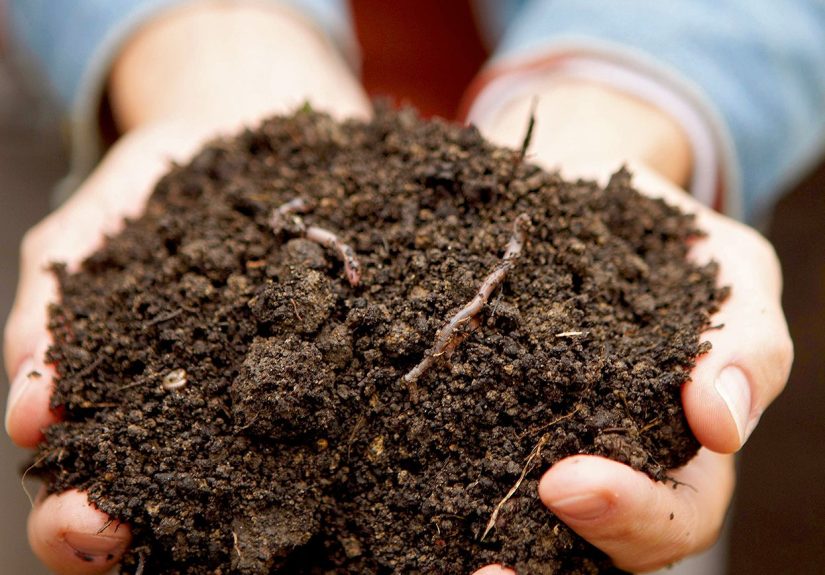
Before buying topsoil, do a simple “pinch test.” Take a handful and squeeze it:
- If it crumbles instantly, it likely has too much sand.
- If it forms a tight mud ball, the clay content is high.
- If it holds shape but breaks apart gently, you’re on the right track.
Look for topsoil that contains 2–5% organic matter and has been screened for debris. Many reputable landscape supply companies will even let you inspect the soil before purchasing. Trust your eyes and your hands.
Mistake #2: Skipping Soil Amendments
Topsoil isn’t a one-size-fits-all product. Even high-quality soil often needs amendments like compost, peat moss, or perlite to reach its full potential. Many gardeners mistakenly assume that “topsoil” is already perfect spoiler alert: it usually isn’t.
Why This Mistake Stalls Growth
Your soil structure influences aeration, moisture retention, and microbial activity. Without amendments, plants may experience:
- Nutrient imbalances
- Poor drainage or waterlogging
- Compacted soil that restricts root expansion
- Reduced beneficial microbial activity
Good soil acts like a sponge not too soggy, not too dry. Without amendments, your soil may resemble either a swamp or a desert.
How to Avoid It
Mix organic matter into your topsoil before planting. Great amendment choices include:
- Compost: Adds nutrients and improves microbial life
- Peat moss or coconut coir: Enhances moisture retention
- Perlite or pumice: Improves aeration and drainage
- Worm castings: Adds bioavailable nutrients with no burn risk
A good starting blend is 70% topsoil, 20% compost, and 10% aeration materials. Think of it as giving your soil a gym membership strong, balanced, and ready for growth.
Mistake #3: Ignoring Soil pH
Every plant has a preferred soil pH range. Even if you’ve bought quality topsoil and added amendments, an imbalance in acidity or alkalinity can block nutrient absorption. Many gardeners skip testing pH, assuming it’s already “close enough,” but that assumption often backfires.
Why This Mistake Stalls Growth
Incorrect pH causes nutrient lockout, meaning nutrients are present in the soil but unavailable to the plant. Common pH-related symptoms include:
- Yellowing leaves
- Slow growth
- Poor flowering or fruiting
- Leaf discoloration or burn
It’s like having a fridge full of groceries but no way to open the door your plants are hungry, even though the nutrients are right there.
How to Avoid It
Use a simple soil pH test kit available at garden centers. Most plants thrive in the 6.0–7.0 range, though blueberries and rhododendrons prefer more acidic soil.
If your soil is too alkaline, add elemental sulfur or acidic organic matter like pine needles. If it’s too acidic, add lime. A little adjustment goes a long way.
Mistake #4: Applying Topsoil Incorrectly
Even the best topsoil can fail if applied the wrong way. Many gardeners simply dump a layer on top of existing soil and hope for the best but layering can create an artificial barrier that disrupts drainage and prevents roots from penetrating deeper layers.
Why This Mistake Stalls Growth
Layering topsoil without mixing it into the native soil can cause:
- Water pooling on topsoil layers
- Poor root expansion
- Hydrophobic (water-repellent) zones
- Inefficient nutrient distribution
Imagine stacking two different types of sponges water moves differently through each, creating drainage problems.
How to Avoid It
Before adding new topsoil, loosen the existing soil at least 4–6 inches deep. Then blend the new soil with the native layer to encourage uniform structure and drainage. If you’re filling raised beds, combine materials thoroughly instead of adding them in layers.
Think of soil mixing like baking: nobody wants a cake with dry pockets of flour.
Final Thoughts
Healthy topsoil sets the foundation for successful gardens. By choosing high-quality soil, amending properly, checking pH, and applying topsoil correctly, you’ll give your plants the thriving environment they deserve. Plants don’t need much just good soil, water, sun, and occasional compliments (trust me, they like it).
Extra : Real-World Experiences with Topsoil Mistakes
Gardeners of all skill levels have stories about soil that simply didn’t behave. Here are some extended insights based on real-world experiences, horticultural recommendations, and common scenarios that highlight how topsoil mistakes affect plant growth.
One common experience involves buying bargain-bin topsoil from big-box stores. Many gardeners report that these soils look rich and dark in the bag but turn crusty after a few days in the sun. This happens because many low-cost topsoil blends include partially decomposed wood chips. At first, they mimic rich organic matter, but as microbes continue breaking them down, they steal nitrogen from the soil. Plants suddenly display yellowing leaves a classic nitrogen deficiency even though gardeners think they’ve added “nutrient-rich” soil.
Another issue arises in newly built homes. Builders often strip away native topsoil during construction and replace it with a thin, nutrient-poor layer before laying sod. Gardeners who attempt vegetable beds in these yards often find their plants struggling due to compacted subsoil beneath that thin layer. Without loosening and deeply amending the soil, roots cannot penetrate the underlying hardpan, and growth stagnates.
Raised bed gardeners frequently encounter drainage issues when they fill beds with cheap topsoil alone. Pure topsoil retains too much water, leading to soggy roots and fungal problems. The solution many experienced gardeners adopt is blending topsoil with compost, coarse bark, rice hulls, or perlite to create a fluffy, breathable mix. After switching blends, many report improved yields, fewer disease issues, and faster root development.
pH issues are another subtle but powerful challenge. Gardeners growing blueberries or azaleas often assume any “good soil” will work, only to learn these plants need highly acidic conditions. Without adjusting soil pH to around 4.5–5.5, these acid-loving plants struggle, even with abundant fertilizer. On the flip side, many gardeners with clay-heavy soil experience overly acidic conditions that inhibit growth for vegetables like lettuce, broccoli, and peas. After testing and adding lime, they often see dramatic improvements within a season.
Improper layering such as adding 6 inches of new topsoil on top of an untouched clay base can cause what gardeners call the “bathtub effect.” Water pools in the top layer because it cannot drain into the dense clay below. This leads to root rot, mold, and frustrated gardeners wondering why their soil is constantly soggy. Mixing the layers solves the issue almost immediately.
Experienced gardeners emphasize the importance of texture. Soil that is too fine compacts easily; soil that is too coarse drains too fast. Achieving the right balance requires testing, tweaking, and observing plant behavior. Many seasoned growers now create their own topsoil blends to avoid inconsistencies in store-bought products. Some even invest in soil delivery from reputable landscape suppliers who test and certify their mixes.
Another lesson many gardeners learn is that topsoil evolves over time. Organic matter decomposes, structure changes, and nutrient levels shift. Regular maintenance such as adding compost annually, mulching, and avoiding heavy machinery helps preserve soil health. Plants respond visibly: stronger stems, deeper green leaves, and more robust harvests.
In the end, topsoil mistakes are common because soil itself is complex. But with mindful practices, a bit of testing, and the willingness to adjust, gardeners can transform lackluster soil into a vibrant foundation for healthy plant growth. Consider soil an investment one that pays dividends in color, blooms, and bushels of produce.