Table of Contents >> Show >> Hide
- Quick refresher: what “bladder Botox” actually is
- FAQ #1: Do you need general anesthesia for bladder Botox?
- FAQ #2: How does local anesthesia for bladder Botox work?
- FAQ #3: What does it feel like, and how long does numbness last?
- FAQ #4: Who might need sedation or general anesthesia instead of in-office numbing?
- Safety notes and smart questions to ask before your appointment
- Real-world experiences (extra): what people notice, what surprises them, and what helps
- Bottom line
“Bladder Botox” sounds like something you’d schedule between a haircut and a cold brew. In reality, it’s a legit urology procedure (done every day in clinics across the U.S.) that can make a huge difference for people dealing with overactive bladder and urgency urinary incontinence. The part that tends to spike everyone’s heart rate is the anesthesia question: Am I going to be knocked out? Will it hurt? Do I need a ride home?
Let’s answer those questions in a way that’s accurate, calming, and only mildly dramatic. (Your bladder may be dramatic. You don’t have to be.)
Quick refresher: what “bladder Botox” actually is
Bladder Botox typically means injecting onabotulinumtoxinA (Botox) into the detrusor muscle (the muscle that squeezes your bladder). The goal is to relax that muscle so it stops firing off “GO NOW!” signals every five minutes.
- How it’s done: A clinician uses a cystoscope (a small scope through the urethra) to guide a tiny needle for multiple small injections.
- Where it happens: Often in an office/clinic setting, though some people do it in a hospital or surgery center.
- Why anesthesia comes up: It involves the urethra, the bladder lining, and needle injectionsso comfort matters, even if the procedure is quick.
FAQ #1: Do you need general anesthesia for bladder Botox?
For most adults, nogeneral anesthesia is usually not required. A lot of bladder Botox treatments are designed to be in-office procedures using local anesthesia (numbing medicine) and comfort measures. That said, “not required” doesn’t mean “never used.” It means the plan is tailored to you.
Common anesthesia/comfort options (from lightest to strongest)
- Topical urethral numbing gel: Numbs the urethra to make scope placement more comfortable.
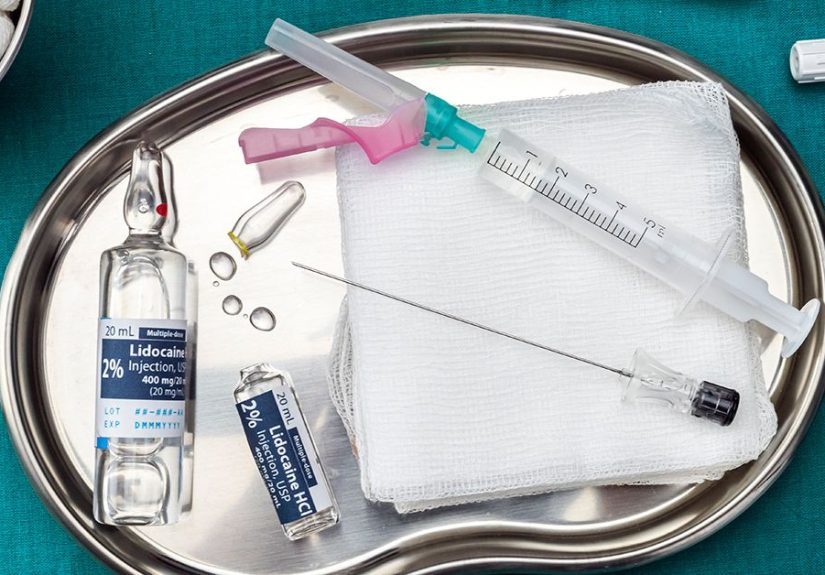
- Intravesical (in-the-bladder) local anesthetic: Lidocaine solution is placed in the bladder via a catheter and allowed to dwell for a short period to numb the bladder lining.
- Oral relaxation medication: Some clinics offer a mild anti-anxiety option for people who are very tense (this can affect whether you can drive afterward).
- IV sedation (“twilight”): You’re sleepy and relaxed but typically breathing on your ownoften used in procedure centers.
- General anesthesia: You’re fully asleepmore likely for select cases (more on that in FAQ #4).
Why many clinics prefer local anesthesia when appropriate
Local anesthesia can keep the appointment simpler: fewer pre-op steps, fewer anesthesia-related side effects, and usually a faster in-and-out flow. Plus, if you’re not sedated, you can often get back to your day without the “I just woke up from a nap on another planet” feeling.
The takeaway: general anesthesia is an option, not a default. Your comfort, medical history, and the clinic’s typical protocol determine what makes the most sense.
FAQ #2: How does local anesthesia for bladder Botox work?
Local anesthesia for bladder Botox is less “knockout gas” and more “strategic numbing.” The goal is to reduce discomfort from: (1) the scope passing through the urethra and (2) the injections into the bladder wall.
The usual local-anesthesia playbook
Many offices use a two-part approach:
- Urethral numbing gel: Applied before the cystoscope goes in, helping with that initial sensation.
- Bladder instillation (often lidocaine): A catheter places numbing medication into the bladder. It typically sits there for a short dwell time so the bladder lining can get numb, then it’s drained before injections begin.
Does it actually work?
For many patients, yeslocal anesthesia makes the procedure very tolerable. But “tolerable” can mean different things depending on your nervous system (and your bladder’s personality). Some people feel mainly pressure and brief pinches. Others feel more burning or cramping sensations.
One underrated factor: muscle tension. If you’re anxious and clenching everything from your jaw down, the procedure can feel sharper. It’s not a personal failing; it’s anatomy. Relaxation (breathing, distraction, a supportive clinician talking you through each step) can genuinely change the experience.
A realistic example of what the appointment may look like
You arrive, provide a urine sample to check for infection, and get positioned for the procedure. Numbing gel is applied. If a bladder instillation is used, you may wait a bit while it works. Then the clinician inserts the cystoscope, visualizes the bladder, and delivers multiple tiny injections spaced around the bladder wall. The whole “injection part” is often shortpeople are sometimes surprised the actual injection portion is faster than the waiting portion.
FAQ #3: What does it feel like, and how long does numbness last?
Let’s talk sensationsbecause vague reassurance is nice, but specifics are nicer.
During the procedure
- Scope placement: Often described as pressure, a strong urge-to-pee feeling, or brief stinging.
- Injections: Usually quick, repetitive pinches or small cramps. Some people compare it to menstrual-type cramping, others say it’s more like “odd pressure.”
- Bladder fullness: Saline is often used for visualization, so you may feel fulllike your bladder is texting you in all caps.
Right after the procedure (same day)
- Burning with urination: Common for a short time, similar to post-cystoscopy irritation.
- Small amount of blood in urine: Can happen briefly.
- Urgency or “spasmy” feeling: Some people feel extra bladder sensation for a day or two.
How long does the numbing last?
Local numbing effects are usually short-livedoften a few hours. If you had oral medication or IV sedation, the “groggy” effects can last longer, and that’s what typically changes the rules about driving and returning to certain activities.
Will you need someone to drive you home?
If you have no sedatives (local numbing only), many clinics allow you to drive yourselfbecause you’re fully awake and not impaired. If you receive any sedating medication (even mild), plan on a ride home. When in doubt, assume the clinic’s policy is the boss.
FAQ #4: Who might need sedation or general anesthesia instead of in-office numbing?
Needing deeper sedation isn’t “being dramatic.” It’s sometimes the safest, kindest planespecially if the alternative is an incomplete procedure (or a patient white-knuckling through an experience that becomes traumatic).
Situations where deeper anesthesia may be considered
- Severe anxiety, panic history, or medical trauma: If you know you’ll be unable to stay still or tolerate instrumentation, sedation can be a game-changer.
- Prior painful cystoscopy or difficult anatomy: Scar tissue, urethral narrowing, or significant pelvic floor spasm can make office procedures tougher.
- Complex neurologic bladder conditions: Some people require different dosing patterns or have additional risks that shape where and how the procedure is done.
- High risk of autonomic symptoms (select neurologic conditions): Your clinician may recommend a more controlled setting.
- Pediatric or special-needs considerations: In some cases, a controlled anesthesia environment is simply more appropriate.
Trade-offs to know (without the scary soundtrack)
Sedation and general anesthesia can improve comfort, but they also add steps: pre-procedure instructions, monitoring, recovery time, and the need for a ride home. Your medical team weighs your comfort alongside safety factors like breathing, heart health, medication interactions, and what setting is best equipped for your needs.
Bottom line: the “right” anesthesia is the one that makes the procedure safe and tolerable for you.
Safety notes and smart questions to ask before your appointment
This isn’t meant to replace your clinician’s guidancethink of it as the checklist your future self will thank you for.
- “Will you check for a UTI first?” Active infection usually needs treatment before injections.
- “Do you use lidocaine in the bladder, numbing gel, or both?” Knowing the plan reduces uncertainty (and anxiety).
- “Will I get anything that affects driving?” Ask directly, even if you think the answer is no.
- “What should I do about blood thinners or aspirin?” Don’t stop anything on your ownget individualized instructions.
- “How do you monitor for urinary retention?” Some people have trouble emptying the bladder after treatment and may need follow-up checks.
- “What symptoms mean I should call you?” Fever, significant worsening pain, or inability to urinate should be addressed promptly.
Real-world experiences (extra): what people notice, what surprises them, and what helps
You asked for experiencesso here’s what tends to show up in real life, not just in neat medical descriptions. Consider this the “review section” your bladder would write if it had thumbs.
The waiting part is often the weirdest part
Many people assume the injections are the main event, but a common surprise is that the numbing dwell time can feel like a mini meditation retreat you didn’t sign up for. If local anesthetic sits in the bladder first, you might feel fullness or pressure and a strong urge to urinatebasically your bladder saying, “Excuse me, this is a no-liquids club.” Knowing this in advance helps. People often say the anticipation is worse than the procedure itself.
“It wasn’t pain, it was… sensations”
A lot of patients struggle to label what they feel. The best descriptions are usually: pressure, pinching, brief cramps, or an urgent need to pee while someone is politely asking you not to. If you’ve ever had a dental cleaning where the tools feel odd but not awful, that’s the vibeexcept, you know, with a bladder. (Bodies are strange. Medicine is impressive. Both can be true.)
First-time nerves are realand the second time often feels easier
People frequently report that their first bladder Botox appointment feels scarier because everything is unknown: the setup, the scope, the sounds, the “what if I flinch?” worry. Once they’ve done it once, they can predict the timeline. That predictability alone can reduce pain perception. In other words: your brain loves a schedule.
Small comfort tweaks can have a big impact
- Ask for a step-by-step narration (or the opposite). Some people calm down when the clinician explains every step; others do better with minimal talk and a clear “we’re starting/finishing” update. Either is valid.
- Bring a distraction plan. Music, a podcast, breathing counts, or guided relaxation can help your pelvic floor unclench. Tension is like turning up the volume knob on discomfort.
- Request a pause if needed. A 10-second break to breathe can be the difference between “I can’t do this” and “Okay, keep going.”
- Talk about prior experiences. If cystoscopies have been painful for you in the past, say so early. That info can change the anesthesia plan.
What people wish they’d known about “after”
Immediately after, some folks feel mild burning when they pee or a temporary increase in urgency. It can feel unfairlike the bladder is throwing a tantrum right after you tried to help it. Usually, this settles quickly. What often takes longer is the therapeutic effect: bladder Botox isn’t instant. Many patients describe a gradual improvement over days to a couple of weeks, like the bladder slowly learning to chill.
The most comforting truth
Most people get through the procedure better than they expectedespecially when the anesthesia plan fits them. If you’re worried, that’s not a sign you shouldn’t do it; it’s a sign you should talk through options (local numbing, relaxation meds, sedation) in advance. Bladder Botox is a collaboration, not a dare.
Bottom line
Anesthesia for bladder Botox isn’t one-size-fits-all, and that’s a good thing. Many people do well with local numbing in an office setting. Others benefit from sedation or even general anesthesia depending on anxiety level, anatomy, medical history, and risk factors. The best move is to treat anesthesia as part of your treatment plannot an afterthoughtand choose the option that makes the procedure safe, manageable, and truly doable for you.