Table of Contents >> Show >> Hide
- Before You Start: The 3 Decisions That Make or Break a Plastic Repair
- Quick “Method Picker” (So You Don’t Overthink This)
- Prep Like You Mean It: The Unsexy Steps That Make Repairs Last
- Method 1: Two-Part Epoxy or “Plastic Bonder” (Best All-Around Fix)
- Method 2: Super Glue (Cyanoacrylate) + Filler/Reinforcement (Fast for Small Cracks)
- Method 3: Solvent Welding (PVC/ABS/Acrylic “Melt-Fuse” Repair)
- Method 4: Plastic Welding (Heat Weld or Hot-Staple Reinforcement)
- Common Mistakes (AKA “Why Did My Repair Fail?”)
- When You Should Replace Instead of Repair
- Conclusion: The Simple Formula for a Long-Lasting Plastic Repair
- Real-World Experiences: What People Learn After Repairing Plastic a Few Times (The Helpful Kind of “Experience”)
Plastic is everywherestorage bins, appliance housings, patio chairs, car trim, kid toys, tool cases, you name it.
And plastic is also a little dramatic: it can look perfectly fine one day, then show up with a crack like it just
remembered your credit card bill.
The good news: most cracks in plastic are repairable at home if you choose the right method for the type of plastic
and how the item is used. The even better news: you don’t need a workshop worthy of a reality TV montage.
You need a plan, decent surface prep, and the patience to let adhesives cure (yes, that means not “testing” it every 7 minutes).
Safety note: Some adhesives and solvents have strong fumes and can irritate skin/eyes. Work in a well-ventilated area,
wear gloves and eye protection, and follow the product label. If you’re a teen, it’s smart to do these repairs with an adult nearby.
Before You Start: The 3 Decisions That Make or Break a Plastic Repair
1) What kind of plastic is it?
Plastics don’t all behave the same. Some bond easily; others act like they’re coated in “nope.” Look for a resin code
(often a recycling triangle with a number) or molded lettering (ABS, PP, PE, PVC, PC). This matters because:
- ABS, PVC, acrylic (PMMA): often respond well to solvent cements (they “melt-fuse” the surface).
- Polypropylene (PP) and polyethylene (PE/HDPE/LDPE): are “low surface energy” and are harder to glue without primers or special prep.
- Thermoset plastics (common in certain automotive parts): generally don’t “melt-weld” the same way thermoplastics do.
2) Is the crack structural or cosmetic?
If the part is load-bearing (chair leg, toolbox hinge, bumper tab, latch area), a quick dab of super glue is usually a short-term romance.
You’ll want reinforcementeither a structural adhesive + backing, or a plastic weld.
3) Will it face heat, water, vibration, or sunlight?
A repair that survives a calm desk drawer may fail on a lawn mower shroud. Heat and vibration push you toward tougher epoxies,
flexible “plastic bonder” adhesives, and welding methods.
Quick “Method Picker” (So You Don’t Overthink This)
- Tiny hairline crack, light-duty item: try Method 2 (Super Glue + Filler/Reinforcement).
- Crack with a small gap or missing chip: try Method 1 (Two-Part Epoxy/Plastic Bonder).
- PVC pipe, ABS fitting, acrylic panel/lid: try Method 3 (Solvent Welding).
- Long crack on a stressed part (bumper, bin, chair, cover): try Method 4 (Plastic Welding / Heat + Staple Reinforcement).
Prep Like You Mean It: The Unsexy Steps That Make Repairs Last
Most plastic repairs fail because the glue was fine…but the surface was not. Oils, mold-release residue, sunscreen, and general “life grime”
block bonding. Prep is where you earn your victory.
- Clean: Wash with dish soap and warm water first; dry completely. Then wipe with isopropyl alcohol for a final degrease.
- Stop the crack (optional but powerful): For cracks that want to spread, drill a tiny “stop hole” at the crack’s tip
(small bit, gentle pressure). This relieves stress so the crack is less likely to keep growing. - Open the crack slightly: If you can, create a shallow V-groove along the crack using sandpaper, a utility blade,
or a rotary tool at low speed. A groove gives adhesive (or melted plastic) room to grab. - Roughen bonding areas: Scuff 80–120 grit around the crack (especially on the backside) to improve mechanical grip.
- Clamp or tape alignment: Perfect alignment now saves you from sanding heartbreak later.
Method 1: Two-Part Epoxy or “Plastic Bonder” (Best All-Around Fix)
Two-part epoxies and plastic-specific structural adhesives are the “work boots” of DIY plastic repair: strong, gap-filling, and forgiving.
They’re especially good when the crack has a tiny gap, when a corner chip is missing, or when you need a repair you can sand and paint.
When this works best
- Cracks with small gaps, chips, or missing material
- Stressed plastics like tool housings, tabs, bins, and trim
- Repairs where you want to sand/shape after curing
What you’ll need
- Two-part epoxy or a plastic bonder (often a 1:1 syringe)
- Sandpaper (80–220 grit)
- Mixing surface + stick (or the built-in mixing nozzle if included)
- Painter’s tape/clamps
- Optional reinforcement: fiberglass mesh, plastic repair cloth, or even a thin plastic backing patch
Step-by-step
- Prep and align: Clean, scuff, and align the crack. Tape the front side if you want a cleaner finish while you work on the back.
- Mix thoroughly: Dispense equal parts and mix until uniform. Don’t “marble” itstreaky epoxy = weak epoxy.
- Butter the groove and the backside: Push the adhesive into the V-groove and spread it wider on the backside for strength.
- Add reinforcement (recommended for structural parts): Press mesh/cloth into a thin wet layer on the backside,
then add another layer over it. Think “rebar for plastic,” minus the construction crew. - Hold it still: Clamp or tape so the crack can’t shift. Then leave it alone long enough to cure.
- Finish: After full cure, sand smooth. If the item will be visible, you can prime/paint (use a plastic-friendly primer).
Example: cracked plastic storage tote corner
Totes flex, so the crack keeps re-opening unless you reinforce. Fix from the backside with a tough epoxy layer,
embed mesh, then topcoat the mesh. The tote will still flex, but the reinforced patch spreads stress over a larger area instead of one fragile crack line.
Pro tip: For hard-to-bond plastics like HDPE/LDPE, some epoxy systems bond far better with extra surface prep (like flame treatment)
or by choosing a plastic-friendly epoxy formulated for tricky substrates.
Method 2: Super Glue (Cyanoacrylate) + Filler/Reinforcement (Fast for Small Cracks)
Super glue is the sprinter of the adhesive world: quick, convenient, and proud of it. For small cracks on rigid plastic,
it can be a clean repairespecially if the crack edges fit tightly together. The catch is that super glue doesn’t love gaps,
and some plastics (like polypropylene and polyethylene) are notoriously hard to bond unless you use a primer or a special plastic-bonding system.
When this works best
- Hairline cracks with tight-fitting edges
- Small cosmetic cracks on rigid plastics (remote controls, trim covers, small housings)
- Quick stabilization before a stronger backside repair
What you’ll need
- Cyanoacrylate super glue (gel is easier on vertical surfaces)
- Sandpaper (120–220 grit)
- Optional: plastic primer / plastics bonding system for PE/PP
- Optional filler: baking soda (sparingly) or fine plastic dust from sanding (for small gaps)
Step-by-step
- Dry fit first: Press the crack together and make sure it lines up cleanly. Super glue is not famous for second chances.
- Scuff + clean: Lightly scuff around the crack and wipe with alcohol.
- Apply a small amount: Use the minimum that wets the joint. Too much glue can delay curing or weaken the bond.
- Press and hold: Hold the pieces together for the recommended time on the label (often under a minute for “grab,” longer for strength).
- Reinforce if needed: For cracks that might be stressed, add a thin epoxy or mesh-backed patch on the backside later.
Think of super glue as “first aid,” and reinforcement as “physical therapy.” - Let it fully cure: Many super glues reach handling strength fast but need longer for full cure.
Example: cracked battery door on a remote
If the crack is small and the plastic is rigid, a gel super glue can bond cleanly with minimal mess. If the crack wants to flex,
reinforce the inside with a thin strip of plastic glued across the crack.
Heads-up: For polypropylene (PP) and polyethylene (PE), standard super glue often fails unless paired with a primer
or a plastics bonding system designed for low-energy plastics.
Method 3: Solvent Welding (PVC/ABS/Acrylic “Melt-Fuse” Repair)
Solvent welding is not “glue” in the usual sense. It’s more like controlled chemistry: the solvent softens the plastic surface,
and as it flashes off, the pieces fuse into one. Done correctly, it can be extremely strongsometimes as strong as the surrounding material.
Done poorly, it’s messy, rushed, and smells like you’re building a submarine in your kitchen (don’t).
When this works best
- PVC and ABS plumbing parts (using the correct primer/cement for the material)
- Acrylic (PMMA) sheets, lids, display cases (using acrylic cement)
- Cracks where the edges meet cleanly with minimal missing material
What you’ll need
- Correct solvent cement for your plastic (PVC vs ABS vs acrylic cement)
- Applicator (dauber, syringe-style applicator for acrylic, or included brush)
- Clamps/jig/tape to hold alignment
- Ventilation + gloves (solvents are no joke)
Step-by-step (general approach)
- Confirm plastic type: Use PVC cement on PVC, ABS cement on ABS, and acrylic cement on acrylic.
Matching matters more here than anywhere else. - Fit tightly: Solvent welding works best when the joint surfaces meet snugly with minimal gaps.
- Apply quickly: Many solvent cements need the parts assembled while the cement is still fluid.
- Hold firmly: Maintain pressure and alignment (some joints need to be held to prevent “push-out”).
- Cure fully: Handling strength may happen relatively soon, but full cure depends on temperature,
humidity, fit, and material thickness. Follow the product’s cure guidance before putting the item back into service.
Example A: hairline crack in a PVC fitting (non-pressurized use)
For a non-critical, non-pressurized situation, solvent cement can fuse a tight crackespecially if you can stop-drill the crack end and clamp the area.
If it’s a pressurized plumbing line or a safety-critical system, replacement is often the smarter call.
Example B: cracked acrylic lid or small display case corner
Acrylic cement applied with a syringe can wick into a tight seam by capillary action, creating a clean, nearly invisible bond.
Alignment is everythinguse a jig or clamps so the parts don’t shift while the cement does its job.
Ventilation reminder: Many solvent cements and acrylic cements have strong fumes.
Work near fresh air, avoid flames/sparks, and don’t rush.
Method 4: Plastic Welding (Heat Weld or Hot-Staple Reinforcement)
Plastic welding is the closest thing to a “factory-style” repair you can do at home for many thermoplastics.
Instead of relying on an adhesive bond, you fuse the plastic itselfoften with a filler rod made of the same plastic.
For cracks in stressed areas (like a bumper cover, a plastic chair, a tote hinge zone, or an equipment shroud),
welding can be dramatically tougher than glue alone.
When this works best
- Long cracks in thermoplastics where strength matters
- Parts that flex or vibrate
- Repairs where you can access the backside for reinforcement
What you’ll need (simple version)
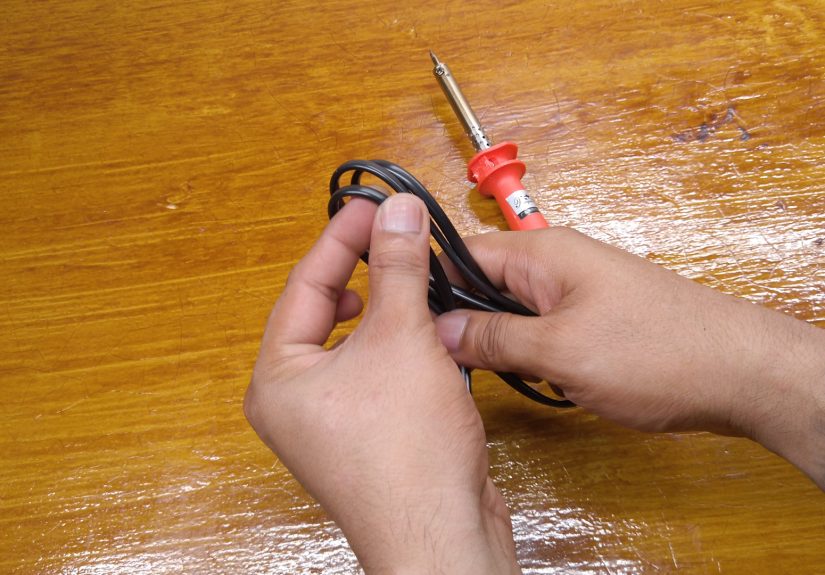
- Plastic welder, soldering iron, or hot-air plastic welding tool
- Matching filler plastic (filler rod or sacrificial plastic from the same item/material)
- Sandpaper and/or rotary tool for a V-groove
- Optional: hot staples (staple welding gun) or metal/plastic screen for reinforcement
Step-by-step (practical home method)
- Prep the crack: Clean, stop-drill if needed, then carve a shallow V-groove along the crack.
The groove gives melted material somewhere to flow and lock in. - Tack weld first: Lightly melt across the crack in a few spots to “stitch” alignment in place.
- Add filler: Melt the base plastic and the filler together, moving steadily to avoid burning.
You want a smooth fusion bead, not a scorched crater. - Reinforce the backside (recommended): Embed a screen or use hot staples across the crack from the backside,
then weld over/around the reinforcement. This spreads stress and helps prevent re-cracking. - Finish: Let it cool fully, then sand the weld smooth. If it’s a visible area, use a plastic-friendly primer before painting.
Example: cracked plastic lawn chair
Chairs flex constantly. Adhesives often peel because the joint sees repeated bending. Welding plus backside reinforcement
(screen or staples) can give the crack a “bridge” that distributes force. If the chair is severely cracked in a load-bearing leg,
replacement may still be the safer optionno DIY heroics required.
Important detail: Too much heat can make plastic brittle. Keep the tool moving and aim for a clean melt rather than a burn.
In professional collision repair, controlled heat methods (including inert-gas techniques) reduce burning and weaknessyour DIY goal is the same:
melt and fuse, don’t toast.
Common Mistakes (AKA “Why Did My Repair Fail?”)
- Skipping degreasing: Oil + plastic = adhesive heartbreak.
- No reinforcement on stressed parts: If it flexes, it needs backup.
- Using the wrong product for the plastic: Some plastics need primers, special bonding systems, or welding.
- Not letting it cure: “Feels dry” and “fully cured” are not the same.
- Expecting miracles on crumbling plastic: UV-damaged plastic can be weak throughoutnot just at the crack.
When You Should Replace Instead of Repair
Repairs are greatuntil they aren’t safe or cost-effective. Consider replacement when:
- The crack is in a critical safety/load-bearing area (especially on seating or structural supports)
- The plastic is badly UV-brittled and spider-cracking in multiple places
- The repair would be exposed to high pressure (pressurized plumbing) or high heat
- You can’t align the crack edges, or too much material is missing to rebuild reliably
Conclusion: The Simple Formula for a Long-Lasting Plastic Repair
Fixing cracks in plastic isn’t about buying the fanciest glueit’s about matching the method to the plastic and the job.
Use two-part epoxy or plastic bonder when you need gap-filling strength, super glue when the crack is tiny and tight,
solvent welding when you’re working with compatible plastics like PVC/ABS/acrylic, and plastic welding when stress,
vibration, or flex would bully ordinary adhesives.
Do the prep. Reinforce when the part is stressed. Let it cure. And if the plastic is so brittle it flakes when you look at it wrong,
give yourself permission to replace ityour future self will thank you (quietly, because they’re busy not fixing it again).
Real-World Experiences: What People Learn After Repairing Plastic a Few Times (The Helpful Kind of “Experience”)
Most people’s first plastic repair starts with optimism and ends with a surprise re-crack at the worst possible momentlike when you’re carrying
a storage bin full of holiday decorations and it suddenly decides to audition for a confetti cannon. Over time, DIYers notice a pattern:
the adhesive usually isn’t the villain; the setup is.
A common “aha” moment is discovering how much cleaning matters. Plastic loves to hold onto invisible oilshand lotion, cooking residue,
car wax, and general household grime. Many folks swear the same glue “didn’t work” until they tried again after properly washing,
scuffing, and wiping with alcohol. The second try often feels like magic, but it’s really just chemistry and friction finally cooperating.
Another experience-based lesson: flex is the enemy of simple bonds. That’s why repairs on chair seats, totes,
snap-fit tabs, and bumper covers fail more often than repairs on rigid, decorative parts. People who get consistent results on flexible items
almost always do one extra thingreinforcement. Sometimes that means embedding mesh in epoxy on the backside. Sometimes it’s hot staples
across the crack before welding over it. Even a thin backing patch can turn a “weak seam” into a broader, stress-spreading repair zone.
The repair becomes less about “gluing a line” and more about “building a bridge.”
There’s also a learning curve with curing times. Many adhesives grab fast, which tempts you to test the repair immediately.
Experienced DIYers get oddly protective during cure time. They’ll label the item “DO NOT TOUCH” like it’s evidence in a crime scene,
because they’ve learned that early handling can twist the joint, introduce micro-gaps, or weaken the bond before it reaches full strength.
That’s especially true in cooler temperatures, where curing can slow down and “seems fine” can turn into “why is it peeling?”
People who repair plastic regularly also become surprisingly good at recognizing tricky plastics. They notice that some items feel waxy,
resist sanding dust, or seem to shrug off glueoften signs of polyethylene or polypropylene. The “experience” here is not frustration,
but strategy: use a plastics bonding system designed for those materials, add special surface prep, or switch to welding for a more reliable fix.
Once you stop treating all plastics as identical, repairs become far more predictable.
Finally, there’s the emotional experienceyes, really. A solid plastic repair is quietly satisfying because it’s practical and a little rebellious:
you refused to throw something away. Whether it’s a cracked toolbox handle, a snapped clip, or a beloved organizer bin, a good repair feels like
you outsmarted the problem with basic tools and a better process. And the next time you see a crack forming, you’ll do what experienced fixers do:
stop it early, prep it properly, reinforce it if it’s stressed, and let it cure without “checking” it like it’s bread in the oven.