Table of Contents >> Show >> Hide
- A quick reality check about height
- Way #1: Rewrite the story you’re telling yourself
- Way #2: Handle teasing, bullying, and “short jokes” like a pro
- Way #3: Build “presence” without chasing inches
- Way #4: Make the world fit you (practical wins that add up)
- Real-life experiences: 7 moments small people recognize (and what helps)
- 1) The group photo where you disappear
- 2) The “short joke” that everyone expects you to laugh at
- 3) The kitchen cabinet Olympics
- 4) The assumption that you’re younger (or less capable)
- 5) Sports or PE where size becomes the storyline
- 6) Dating and the weird “height rules” people invent
- 7) The moment you feel small emotionally, not physically
- Conclusion: You don’t have to be tall to live large
Being small can feel like living in a world built for people with longer legs, longer arms, and an unfair advantage in group photos.
One minute you’re thriving; the next, you’re doing a dramatic one-person musical called “Why Is Every Shelf The Top Shelf?”
Here’s the thing: being small (whether we’re talking height, body size, or just feeling small in social situations) isn’t a character flaw.
But it can come with real annoyancesteasing, assumptions, awkward comparisons, and the occasional “aww, you’re so tiny” that lands like a wet sock.
This guide gives you four practical, confidence-building ways to cope with being small, without turning your life into a constant quest for extra inches.
And yes, we’ll keep it real: you can want to feel more confident and still be annoyed when someone uses your head as an armrest.
Both can be true.
A quick reality check about height
If you’re still growing (or parenting someone who is), “small” can sometimes be a normal variationand sometimes it can be a sign to check in with a clinician.
Many pediatric experts define short stature as height below the 3rd percentile on standard growth charts, but what matters just as much is
your growth pattern over time (for example, whether your growth curve suddenly drops or slows).
If you’re worried about your heightespecially if you’ve stopped growing, your growth has slowed a lot, or puberty seems significantly delayedtalk with a pediatrician
or primary care clinician. They can review family growth patterns, track your height over time, and, if needed, order tests (like a simple “bone age” X-ray) or refer you
to a pediatric endocrinologist. This isn’t about panic; it’s about getting clarity.
Way #1: Rewrite the story you’re telling yourself
Being small can mess with your confidence because of the story your brain builds around it:
“People won’t take me seriously.” “I look younger.” “I’m always going to be the ‘cute’ one, never the capable one.”
These thoughts feel true because they’re loudnot because they’re facts.
Try the “facts vs. feelings” edit
Grab one recurring thought and split it in two:
- Fact: “I’m shorter than most people in my grade/office/friend group.”
- Feeling/interpretation: “That means I’m less impressive.”
Your job is to challenge the interpretation, not the fact. A helpful replacement might be:
“I’m shorter than many people, and I can still be confident, skilled, and respected.”
Build identity “anchors” that aren’t height-based
Confidence grows faster when you stop letting one trait be your whole personality. Make a short list of “anchors”things that are true about you that have nothing to do with height:
your humor, your reliability, your creativity, your empathy, your leadership, your talent in sports/music/art, your ability to problem-solve, your work ethic.
Then use those anchors on purpose. Example: if you feel overlooked in a group project, volunteer for a role where your competence is visible:
organizing tasks, presenting the summary, or leading the final check.
Curate your comparisons (especially online)
Social media is basically a comparison vending machine: insert attention, receive insecurity. If you notice your feed makes you feel smaller (literally or emotionally),
reduce the time you spend scrolling, unfollow accounts that trigger body comparisons, and follow creators who celebrate diverse bodies and styles.
Even small changeslike setting app limits or taking “scroll breaks”can protect your self-esteem.
Way #2: Handle teasing, bullying, and “short jokes” like a pro
Some people tease because they’re awkward. Some tease to impress others. And some cross the line into bullying.
Either way, you deserve respectand you’re allowed to respond without becoming the class clown or the silent punching bag.
Use a simple script (yes, scripts are cool)
When you’re caught off guard, your brain can freeze. Scripts prevent that. Pick one or two responses you can use on autopilot:
- Direct: “Don’t joke about my height.”
- Neutral: “Not funny. Change the topic.”
- Boundary + exit: “I’m not doing this.” (Then walk away.)
- Humor with a boundary: “Congrats, you discovered I’m short. Now let’s discuss something original.”
Try an “I statement” for people you actually want to keep in your life
If it’s a friend or family member who keeps making comments, an “I statement” can reset the pattern:
“I feel annoyed when my height becomes a joke. I’d like you to stop.”
Clear, calm, and not an invitation to debate.
Know when it’s time to loop in an adult or supervisor
If the teasing is repeated, targeted, humiliating, or happening online, it’s okay to get help. Save screenshots, write down dates, and tell a trusted adult at school
(or a manager/HR at work). You’re not “snitching.” You’re creating safety.
Bonus tip: being small can come with a power imbalance in certain situations (crowds, sports, hallways, group dynamics).
If you feel physically unsafe or threatened, prioritize distance and adult support over clever comebacks. Your well-being is the goalnot winning a roast battle.
Way #3: Build “presence” without chasing inches
You don’t need to be tall to have presence. Presence is a mix of body language, voice, clarity, and self-trust.
And the best part? You can practice itno growth spurt required.
Use posture as a confidence tool (not a punishment)
Think “comfortable tall,” not “military statue.” A quick reset:
feet grounded, shoulders relaxed (not squeezed back), chin level, breathing steady.
When you take up your natural space, people respond to you differentlyand you feel different, too.
Make your voice do some of the heavy lifting
If you tend to speak quietly in groups, try three tweaks:
(1) slow down slightly, (2) end sentences with a firm tone (not a question), and (3) speak from your breath.
You’re not trying to sound “bigger.” You’re trying to sound clear.
Choose confidence-building habits that support your health
If you’re a teen, your body is still developing. Healthy routines won’t guarantee height changes (genetics is a big deal),
but they do support overall growth and well-beingplus they strengthen confidence.
- Sleep: Aim for consistent, adequate sleep. Many teen health guidelines recommend about 8–10 hours per night for teenagers.
- Nutrition: Eat regular meals with a mix of protein, whole grains, fruits/veggies, and healthy fatsfuel that helps you feel steady and energized.
- Movement: Do an activity that makes you feel capable (dance, lifting with proper guidance, martial arts, rock climbing, soccer, yoga). The goal is strength and skill, not “looking taller.”
Presence also comes from competence. When you get better at something, your confidence stops being theoretical.
It becomes evidence-based.
Way #4: Make the world fit you (practical wins that add up)
Sometimes coping isn’t emotionalit’s logistical. Being small can mean constant micro-frustrations:
feet dangling from chairs, sleeves swallowing your hands, mirrors set for giants, and countertops designed by someone who clearly never tried to chop onions at elbow height.
Use tools unapologetically
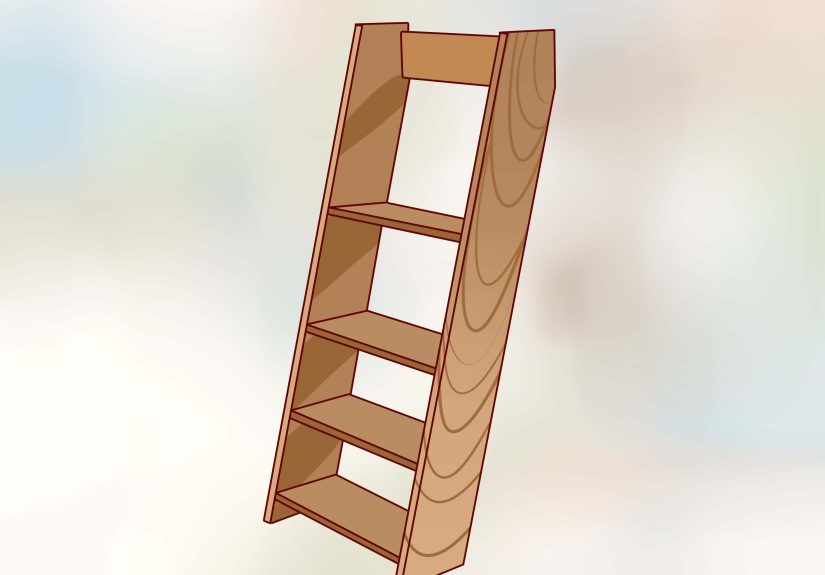
- Step stool: Keep one in the kitchen or closet. This is not “defeat.” This is “smart.”
- Car adjustments: Set your seat and steering wheel for safe distance and visibility. Comfort is safety.
- Workspace upgrades: Footrest, adjustable chair, monitor risertiny changes that reduce strain.
Tailoring is a cheat code
If clothes don’t fit, it’s not your body’s job to changeit’s the clothes’ job to fit.
Simple alterations (hemming pants, taking in a waist, shortening sleeves) can make any outfit look intentional.
If you want style tips that subtly “lengthen” your look, think:
high-waisted bottoms, monochrome outfits, and shoes that match pantsbut only if you like the vibe.
You don’t owe anyone optical illusions.
Ask for what you needbriefly and confidently
A lot of “small person stress” comes from trying to handle everything quietly so no one notices.
Try the opposite: ask plainly.
“Can you grab that from the top shelf?”
“Can we lower the mic stand a bit?”
“I need the chair adjusted so my feet are supported.”
Most people respond well to clear requests.
Real-life experiences: 7 moments small people recognize (and what helps)
To make this practical, here are common experiences people describe when coping with being smallplus the moves that actually help.
If you’ve lived any of these, congratulations: you’re not “overreacting.” You’re just navigating a tall-person world with short-person reality.
1) The group photo where you disappear
Someone says, “Get in front!” and suddenly you’re kneeling like you’re proposing to the entire friend group.
What helps: claim a spot early instead of waiting to be placed like furniture. Stand slightly forward, shoulders relaxed, chin level.
And if you hate the “front row crouch,” suggest a seated photo or stairs/steps where everyone has a level.
Confidence is also saying, “Let’s do one where I’m not folded in half.”
2) The “short joke” that everyone expects you to laugh at
The pressure isn’t just the jokeit’s the expectation that you’ll be “cool” about it every time.
What helps: decide your policy ahead of time. Maybe close friends get one playful comment, but strangers get a boundary.
A calm “Nope” with a blank face is powerful. You don’t have to perform forgiveness for someone else’s laziness.
3) The kitchen cabinet Olympics
You climb a counter like a determined raccoon because the cereal lives in the clouds.
What helps: step stool, rearranging your most-used items to lower shelves, and asking for help without making it a whole emotional event.
Practical coping is still coping.
4) The assumption that you’re younger (or less capable)
People talk to you in the “tiny voice,” or they’re surprised when you lead.
What helps: let your competence introduce you. In school, volunteer to present the summary or run the checklist.
At work, speak early in meetings (even one good point changes how people categorize you).
Presence is built in moments, not inches.
5) Sports or PE where size becomes the storyline
Some days you feel fast and agile; other days you feel like you’re playing tag with people made of stilts.
What helps: lean into skills that don’t depend on heightspeed, balance, footwork, endurance, strategy.
If a coach is worth their whistle, they’ll value skill and effort. Also: choose at least one physical activity that makes you feel capable.
Confidence sticks when your body feels like an ally.
6) Dating and the weird “height rules” people invent
Some people treat height like it’s a moral requirement, which is… a choice.
What helps: remember that preferences are about them, not your value.
Focus on partners who are attracted to the whole you, not a checklist.
And if someone makes you feel “less than” because of your height, they’re kindly saving you time.
7) The moment you feel small emotionally, not physically
Sometimes “being small” is a feelingwalking into a loud room, being talked over, or feeling invisible.
What helps: a grounding routine (slow breath, feet planted), a simple goal (“I’ll say one thing in the first five minutes”), and a supportive person you can check in with.
If stress is piling up, journaling, mindfulness, and realistic self-talk can help you challenge the harsh inner narrative.
You’re allowed to take up spaceemotionally and sociallynot just physically.
Conclusion: You don’t have to be tall to live large
Coping with being small isn’t about pretending it never bothers you. It’s about building a toolkit:
rewrite the unhelpful story, set boundaries with people who cross the line, develop presence through posture/voice/skills,
and make practical adjustments so daily life stops feeling like an obstacle course.
If you’re concerned about growthespecially if you’re still in your teen years and your growth pattern seems offtalk with a clinician for personalized guidance.
But regardless of your height, you can build respect, confidence, and comfort in your own body.
Small isn’t the problem. Feeling powerless is. And that part? You can change.