Table of Contents >> Show >> Hide
Forget magic creams and 7-day crash diets. A real full body makeover is less “TV makeover montage” and more “smart choices on repeat.” In classic wikiHow spirit, this guide breaks the process into simple, doable steps you can actually follow in real lifeno personal chef or private trainer required.
Think of this as your head-to-toe reset: how you move, what you eat, how you care for your skin and style, and the habits that quietly run the show in the background (hi, sleep and stress). When all four work together, you don’t just look differentyou feel like a much more energized, confident version of yourself.
Way 1: Reshape Your Body With Smart Movement
If your idea of “full body makeover” includes feeling stronger, leaner, and less out of breath when you climb stairs, your first stop is movement. The goal isn’t punishment; it’s consistency.
Follow Simple, Science-Backed Activity Targets
Health organizations in the United States recommend that most adults aim for at least 150 minutes of moderate-intensity aerobic exercise per weekthink brisk walking, light cycling, or dancingor 75 minutes of vigorous activity like running or fast cycling. On top of that, aim for muscle-strengthening exercises at least two days a week.
Broken down, that can look like:
- 30 minutes of brisk walking, 5 days a week, plus
- Two full-body strength sessions using weights, bands, or bodyweight
That’s it. Not 3 hours a day. Not living at the gym. Just enough to wake up your muscles and metabolism and keep your heart happy.
Use Full-Body Strength Workouts 2–3 Times a Week
Full-body workouts are perfect for a makeover because they train everything in fewer sessions. Many coaches recommend programs that hit each major muscle group 2–3 times per week for better strength and muscle gain compared with once-a-week “chest day,” “leg day” style splits.
Here’s a simple beginner-friendly template you can follow three days a week (for example, Monday, Wednesday, Friday):
- Bodyweight or goblet squats – legs & glutes
- Push-ups (wall, incline, or floor) – chest & shoulders
- Hip hinges or light deadlifts – hamstrings & back
- Rows with bands or dumbbells – upper back & posture
- Glute bridges – glutes & lower back
- Planks or dead bugs – core stability
Do 2–3 sets of 8–12 reps for each move, resting 60–90 seconds between sets. Focus on form and control instead of ego lifting. You’re building a body that feels good, not auditioning for an action movie (yet).
Add More Everyday Movement (A Quiet Makeover Superpower)
A full body makeover isn’t just what you do in the gymit’s what you do the other 23 hours of the day. Non-exercise activity (walking, taking the stairs, doing chores, standing more often) can burn a surprising number of calories and improve metabolic health.
Simple upgrades:
- Park farther away and walk an extra 5–10 minutes
- Take phone calls standing or strolling
- Set a timer to get up and move for 3–5 minutes every hour
- Swap 20 minutes of scrolling for a short walk
These small habits make it easier to support healthy weight, heart health, and energy levels without feeling like you’ve signed up for an Olympic training camp.
Way 2: Rebuild From the Inside With Food & Hydration
You can’t out-train a lifestyle built on energy drinks and convenience snacks. A full body makeover demands a gentle, realistic reset around how you eat.
Focus on Slow, Sustainable Weight Changes
If one of your goals is fat loss, experts typically consider 1–2 pounds of weight loss per week a safe and realistic pace for most people. Faster loss often leads to rebound weight or muscle loss, which is basically the opposite of the “strong, glowing” vibe you’re going for.
Instead of extreme diets, aim for a moderate calorie deficitusually 300–500 calories per day less than you’d need to maintain your current weightand pair it with more movement.
Use a Simple Plate Formula, Not a Complicated Diet
Government nutrition guidelines in the U.S. encourage a pattern that’s heavy on veggies, fruits, whole grains, and lean protein, and lighter on added sugars and ultra-processed foods. A simple way to visualize your meals is to build your plate like this:
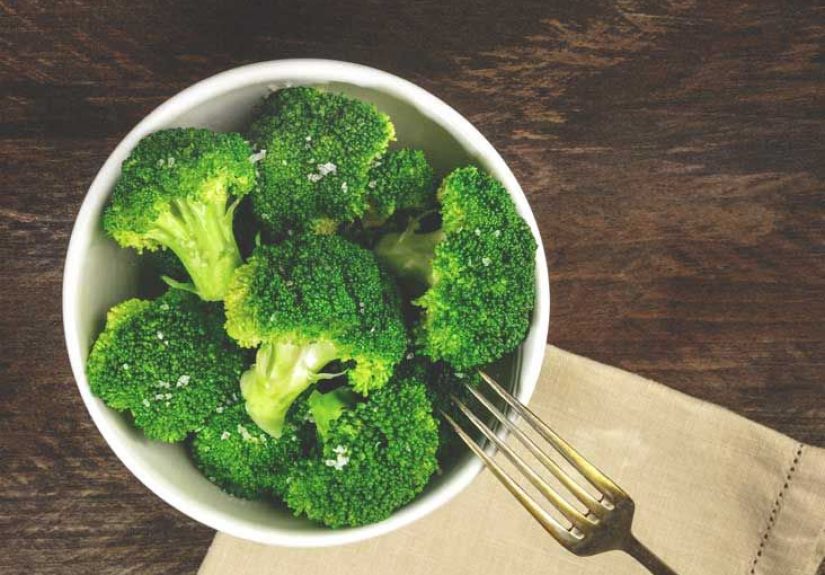
- ½ plate: Colorful vegetables and fruits
- ¼ plate: Lean protein (chicken, fish, tofu, beans, eggs)
- ¼ plate: Whole grains or starchy veggies (brown rice, quinoa, sweet potatoes)
- Plus: A source of healthy fat (olive oil, avocado, nuts, seeds)
This gives your body the protein it needs to maintain and build muscle, the fiber and micronutrients your skin and digestion love, and the steady energy you need for workouts and life.
Stay Hydrated Like It’s Your Job
Hydration is a tiny habit with big payoff. Water supports healthy digestion, helps regulate appetite, and keeps your skin looking plumper and more radiant. Many makeover plans encourage at least several glasses of water spread throughout the day and using thirst, urine color (pale yellow is ideal), and activity level as guides.
Easy hydration upgrades:
- Start your morning with a glass of water before coffee
- Keep a refillable bottle at your desk and in your bag
- Flavor water with lemon, cucumber, or berries if plain water bores you
- Swap one sugary drink a day for water or unsweetened tea
Build a “Most of the Time” Pattern, Not Food Rules
A full body makeover is not a 12-week crash project; it’s a long-term upgrade. Instead of labeling foods “good” or “bad,” focus on a “most of the time” approach:
- Most of the time: Whole foods, home-cooked meals, balanced plates
- Sometimes: Dessert, takeout, celebratory mealsenjoyed mindfully
This mindset prevents binge–restrict cycles and makes your new habits something you can actually live with.
Way 3: Refresh Your Outside – Skin, Grooming & Style
Once your movement and nutrition start lining up, it’s time for the fun, visible upgrades. A full body makeover usually involves a fresh take on your hair, skincare, and wardrobe.
Build a Simple, Consistent Skincare Routine
You don’t need a 15-step routine to have glowing skin. Dermatologists and skincare experts often center routines around a few essentials:
- Gentle cleanser – removes dirt, oil, and sunscreen without stripping
- Moisturizer – supports the skin barrier and hydration
- Broad-spectrum sunscreen – protects from UV damage and premature aging
From there, you can add targeted treatments like vitamin C serums for brightness or retinoids for texture and fine lines. Many models and beauty pros credit consistencyespecially with hydrating creams and serumsfor smoother, firmer-looking skin over time.
Update Your Hair & Grooming
A new haircut can change the way your entire face looks. Stylists often recommend cuts and colors that complement your face shape, skin tone, and lifestylemeaning it still looks good when you’re not fresh from the salon. A full makeover might also include eyebrow shaping, beard grooming, or a simple nail care routine.
Small upgrades that make a big difference:
- Get a cut that works with your natural texture
- Choose a low-maintenance color you can realistically upkeep
- Keep nails trimmed and clean; add a clear top coat or simple polish if you like
- Use a subtle fragrance that makes you feel polished
Curate a Wardrobe That Fits the New You
You don’t need an entirely new closet; you need a smarter one. A full body makeover is an opportunity to remove clothes that don’t fit, don’t flatter, or don’t feel like you anymore, and to build a small rotation of reliable outfits.
Consider:
- Jeans or pants that actually fit your current body (no “someday” sizing)
- A few tops in colors that make your skin look bright and awake
- Comfortable, supportive shoes you can walk in
- A go-to “power outfit” for important events or presentations
When your clothes fit and match your personality, everything from workouts to workdays feels easier and more confident.
Way 4: Reboot Your Lifestyle, Sleep & Mindset
Here’s the part most makeovers barely mention: your lifestyle and mental health. Your body transformation will stall if you’re exhausted, chronically stressed, and running on adrenaline and caffeine.
Prioritize Real, High-Quality Sleep
Sleep is where a lot of your makeover magic happensmuscles repair, hormones regulate, and your brain hits the reset button. Health and wellness experts often encourage a consistent sleep schedule, winding down with a calm evening routine, and limiting caffeine and alcohol later in the day to improve sleep quality.
Simple sleep hygiene habits:
- Go to bed and wake up at roughly the same time every day
- Dim lights and screens 30–60 minutes before bedtime
- Create a bedtime ritual: light stretching, reading, or journaling
- Keep your bedroom cool, dark, and quiet when possible
Manage Stress So It Doesn’t Manage You
The same three pillars that remake your bodydiet, exercise, and sleepalso help regulate stress hormones and mood. Mental health organizations emphasize that regular movement, balanced nutrition, and consistent rest significantly reduce the feeling of being overwhelmed.
Layer in a few intentional stress-management tools:
- 5–10 minutes of deep breathing or meditation
- Short journaling sessions to brain-dump worries
- Regular social time with supportive friends or family
- Professional therapy or coaching if you’re struggling
Think in 12-Week Chapters, Not Overnight Miracles
Many structured body transformation challenges last around 8–12 weeks because that’s long enough to see visible change without feeling endless. Instead of “I must change everything forever,” treat your makeover as a 12-week experiment:
- Weeks 1–4: Build basic habits (walking, strength 2–3x/week, simpler meals)
- Weeks 5–8: Increase intensity or volume slightly, refine nutrition, dial in sleep
- Weeks 9–12: Layer in style, grooming, and mindset upgrades as your energy improves
At the end of the 12 weeks, reflect on what worked, what didn’t, and which habits you want to keep for the long term.
Extra: Real-Life Style Experiences With Full Body Makeovers
To make this more than a checklist, let’s walk through what a full body makeover can look like in real life. These are composite examples based on common experiences people report when they commit to a holistic transformation.
Case 1: The Desk Worker Who Wanted Their Energy Back
Alex, a 35-year-old office worker, had one main goal: “I don’t want to feel exhausted all the time.” The scale mattered, but what really bothered them was needing a nap after lunch and avoiding mirrors.
They started with two changes only: walking 20 minutes after work and swapping their usual fast-food lunch for a homemade bowlraw veggies, rotisserie chicken, and brown rice. The first week felt awkward; the walk cut into TV time. By week three, that walk became the decompression ritual that helped Alex leave work stress behind.
By the end of three months, Alex:
- Walked 30–40 minutes most days
- Completed a full-body strength routine twice a week
- Lost around 10–12 pounds at a steady, safe pace
- Reported feeling “actually awake” during morning meetings
The visible makeoverslimmer waist, brighter skinwas nice, but the real win was that their lifestyle felt sustainable, not like a temporary challenge.
Case 2: The Glow-Up That Started in the Bathroom, Not the Gym
Jordan wasn’t ready to tackle workouts yet. The gym felt intimidating, and time was tight with two kids at home. So they started small: a new evening skincare routine and a haircut.
Every night, no matter how chaotic the day had been, Jordan washed their face, applied moisturizer, and used sunscreen in the morning. Within a few weeks, their skin looked calmer and more even. That tiny habit became a “I’m worth 5 minutes of care” signal to their brain.
Once that was automatic, they bought two pairs of pants that fit their current body (instead of squeezing into an old size) and a pair of white sneakers that went with everything. Friends started saying, “You look so fresh. Did you do something different?”
That boost made the idea of adding short walks and simple home workouts feel less overwhelming. The full body makeover didn’t start with a treadmillit started with a cleanser and a haircut.
Case 3: The Mindset Shift From “All or Nothing” to “Good Enough”
Sam used to go all in: extreme diets, intense workout plans, then burnout. Their makeover turning point was deciding that “good enough most days” beats “perfect for two weeks.”
They picked three non-negotiables:
- Some form of movement daily (even a 10-minute walk counts)
- At least one balanced, home-cooked meal per day
- Screen-free wind-down 30 minutes before bed
Did they still have late-night pizza or skip a workout sometimes? Of course. The difference was that they didn’t declare the whole week ruined. They simply returned to their non-negotiables the next day.
Six months later, Sam’s friends noticed more than weight loss. They noticed that Sam was calmer, more confident, and less harsh on themselves. That’s the deeper side of a full body makeover: not just changing how you look, but changing how you talk to yourself.
What These Experiences Have in Common
Across different personalities and lifestyles, successful makeovers tend to share a few themes:
- Start small and specific. One walk, one plate upgrade, one skincare habit.
- Stack wins. Once one habit feels easy, add another.
- Think long-term. Ask, “Could I keep doing this six months from now?”
- Honor your real life. Your plan should fit your schedule, not your fantasy calendar.
In other words, a full body makeover isn’t about becoming someone else. It’s about slowly becoming the version of yourself you already know you can beone realistic, repeatable habit at a time.