Table of Contents >> Show >> Hide
- Before You Help: What “Anger Issues” Usually Mean
- 1) De-escalate First: Be the Thermostat, Not the Match
- 2) Set Clear Boundaries: Kindness Without Enabling
- 3) Encourage Skill-Building and Professional Support (Without Forcing It)
- 4) Support Long-Term Change: Build a “Calmer Life” Around Them (and You)
- Common Mistakes People Make (So You Can Skip the Painful Part)
- A Simple 7-Day Support Plan (Practical, Not Perfect)
- Conclusion: Helping Without Losing Yourself
- Experiences People Commonly Share (500+ Words of Real-Life Patterns)
Anger isn’t automatically a villain. Sometimes it’s a smoke alarm: loud, annoying, and occasionally set off by burnt toast. The problem starts when the alarm goes off every day… and everyone in the house starts living in noise-canceling headphones.
If someone you care about has anger issuesfrequent blowups, harsh words, “0 to 100” reactions, or a hair-trigger temperyou might feel stuck between two bad choices: tiptoe around them or fight fire with fire. There’s a third option: support with structure. That means empathy and boundaries, calm and accountability, short-term de-escalation and long-term skill-building.
This guide walks through four practical ways to help someone with anger issues without becoming their emotional punching bag (or their unpaid therapist). It’s written for real life: partners, friends, siblings, roommates, coworkers, and that one relative who can turn “How’s the weather?” into a full debate tournament.
Before You Help: What “Anger Issues” Usually Mean
People use the phrase anger issues in different ways. Sometimes it means intense anger that’s hard to regulate. Sometimes it means angry behavioryelling, insults, intimidation, slammed doors, or constant irritability. And sometimes it’s anger that’s masking something else: stress, anxiety, shame, grief, exhaustion, trauma, or feeling out of control.
Two quick clarifiers that help you respond wisely:
- Anger is an emotion; aggression is a behavior. Feeling angry is human. Hurtful or unsafe behavior is not “just feelings.”
- Timing matters. You can’t teach swimming in the middle of a hurricane. Skills stick best when everyone is calm.
With that in mind, let’s get into the four ways you can helpstarting with the one you control the most: you.
1) De-escalate First: Be the Thermostat, Not the Match
When someone is angry, their nervous system is often in “fight-or-flight.” Logic gets quieter. Tone gets louder. If you respond with sarcasm, lectures, or a courtroom-style closing argument, you’re basically tossing kindling on a bonfire and asking it to “please calm down.”
What helps in the moment
- Lower your volume and slow your pace. Calm is contagiousespecially the boring, steady kind.
- Name what you see without judging it. “You seem really frustrated” lands better than “You’re being ridiculous.”
- Validate the feeling, not the behavior. “I get why you’re upset” is not the same as “Yelling is fine.”
- Offer a pause (a real one). A short break can keep the situation from spiraling.
Try these phrases (that don’t poke the bear)
Use a calm voice. Keep it short. You’re aiming for “helpful GPS,” not “season finale monologue.”
- “I can hear this matters to you. I want to understand.”
- “I’m listening. Can we slow down so we don’t miss each other?”
- “I’m not trying to fight. Let’s take a minute and come back.”
- “I care about you. I’m not okay with yelling. We can talk when it’s calmer.”
What to avoid (even if your inner comedian begs)
- “Calm down.” It’s the emotional equivalent of throwing a chair labeled “CALM.”
- Mind-reading. “You’re angry because you’re insecure” may be true, but it’s not helpful mid-storm.
- Scorekeeping. “You always do this” turns the conversation into a trial.
- Threats you won’t follow through on. Empty threats teach people that escalation works.
A quick example
Situation: Your friend snaps, “You never help me with anything. You don’t care!”
Instead of: “That’s not true. Here’s Exhibit A through Z.”
Try: “I do care. I’m hearing that you feel alone right now. I want to talkjust not while we’re firing grenades at each other. Can we take ten minutes and then tell me what you need?”
De-escalation isn’t “letting it slide.” It’s creating enough calm to have an adult conversation later.
2) Set Clear Boundaries: Kindness Without Enabling
Supporting someone with anger issues does not mean absorbing unlimited emotional shrapnel. Boundaries protect you and also give the other person something anger often destroys: predictable structure.
What a good boundary looks like
A useful boundary is:
- Specific (about a behavior you can identify)
- Calm (not delivered as a counterattack)
- Actionable (you control what you will do)
- Consistent (the same rule every time)
Boundary scripts you can borrow
- “I’m willing to talk, but not if I’m being yelled at. If it keeps happening, I’m going to step away and we can try again later.”
- “I care about you. I’m not okay with name-calling. If it starts, I’ll pause this conversation.”
- “I want to solve this, not win it. If either of us gets heated, let’s take a break.”
- “I’m going to leave the room when voices rise. I’ll come back in 20 minutes.”
If things feel unsafe
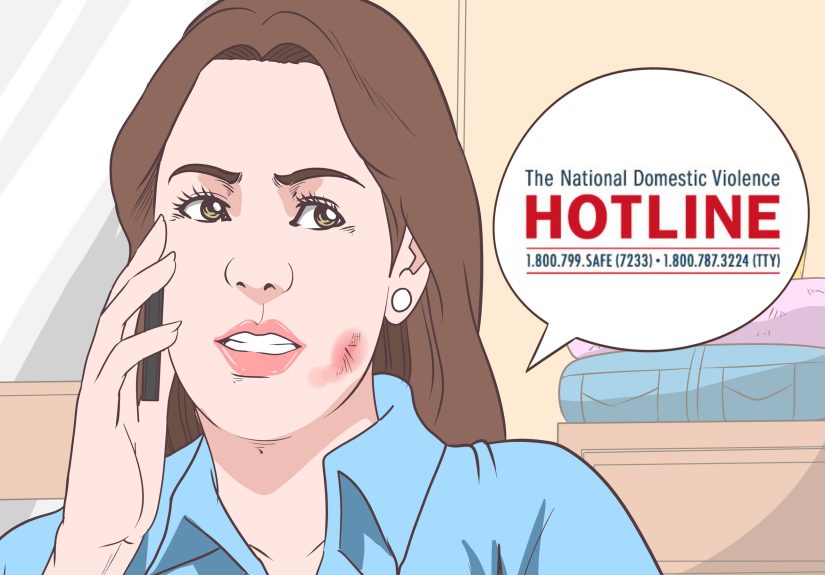
If anger includes threats, intimidation, or any form of physical danger, prioritize safety and get support from trusted adults, professionals, or emergency services. You can care about someone and still refuse to be in harm’s way.
Boundaries aren’t punishments. They’re guardrails. And guardrails make it less likely everyone ends up in the emotional ditch.
3) Encourage Skill-Building and Professional Support (Without Forcing It)
Anger that repeatedly harms relationships usually needs more than “try harder.” It often improves with practical skills (like coping strategies and communication tools) and sometimes professional help (like therapy or structured anger management programs).
Pick the right moment
Talk about change when they’re calmnot right after an outburst. A good window is later that day or the next day, when things feel more neutral.
How to bring it up without sounding like a lecture
- “I care about you, and I can see how hard this is. Would you be open to trying some tools for this?”
- “I notice anger is costing you a lotsleep, relationships, peace. I’d support you if you wanted help.”
- “Would you consider talking to a counselor or joining an anger management program? I can help you find options.”
Offer “low-friction” steps
Big changes feel overwhelming. Smaller steps feel doable. Here are realistic starters you can suggest:
- Time-out + return plan: Take a break and agree on when you’ll continue (“Let’s talk at 7:30”).
- Breathing or grounding practice: Slow breathing can help shift the body out of fight-or-flight.
- Journaling triggers: Track what happened before anger, what the body felt like, and what helped.
- “I” statements: “I feel ___ when ___ because ___. I need ___.”
- Movement and sleep basics: Exhaustion and chronic stress make anger louder and faster.
What professionals often focus on
When people get help for anger, the work is usually very practical:
- Recognizing early warning signs (tight chest, racing thoughts, clenched jaw)
- Identifying triggers and patterns (feeling disrespected, overwhelmed, ignored)
- Changing unhelpful thoughts (“They’re doing this on purpose”) into more accurate ones
- Learning conflict resolution and repair after mistakes
Tip: If they’re open to it, offer concrete supportlike sitting with them while they make an appointment, helping research providers, or trying a workbook or class together. Practical help is often more effective than repeated speeches.
4) Support Long-Term Change: Build a “Calmer Life” Around Them (and You)
Anger doesn’t live in a vacuum. It feeds on stress, chaos, poor sleep, unresolved conflict, and environments where people never repair after rupture. If you want real improvement, think beyond the moment and aim for systems: routines, expectations, and healthy communication habits that make blowups less likely.
Help them spot patterns and triggers
When things are calm, ask curious questions:
- “When do you notice it’s easiest to get irritated?”
- “What usually happens right before the anger spikes?”
- “If anger is the ‘top’ emotion, what’s underneath ithurt, fear, shame, stress?”
You’re not interrogating them. You’re mapping the terrain so they can see the cliff edge before they sprint off it.
Create a shared “repair routine”
Repair is the underrated superpower of healthy relationships. After a blowup (once calm), encourage a simple, repeatable repair process:
- Own it: “I raised my voice. That wasn’t okay.”
- Name impact: “I can see it stressed you out.”
- Make a plan: “Next time I’ll take a break earlier.”
- Re-connect: “Are we okay? What do you need from me now?”
Support healthy outlets (not “rage hobbies”)
Anger needs a channelbut not one that rewards aggression. Helpful outlets are calming and regulating, not escalating. Think:
- Walking, workouts, stretching
- Music, hobbies, time outdoors
- Mindfulness or relaxation exercises
- Problem-solving the real issue (money stress, workload, relationship conflict)
And yes, humor can helpif it’s gentle and shared, not sarcastic or dismissive. The goal is tension relief, not “I’m joking… unless you’re mad, then I was totally serious.”
Know your role (and your limits)
You can be supportive. You can’t be their full treatment plan. If you find yourself constantly managing their moods, walking on eggshells, or shrinking your life to avoid triggering them, that’s a sign you need support toofriends, family, a counselor, or trusted adults. Helping someone shouldn’t cost you your safety, health, or identity.
Common Mistakes People Make (So You Can Skip the Painful Part)
- Trying to “win” the argument. Winning a fight and losing a relationship is a bad trade.
- Doing therapy in the heat of the moment. “Let’s unpack your childhood” is best saved for calm times (and ideally a professional setting).
- Over-apologizing to keep the peace. That teaches anger that it gets results.
- Taking responsibility for their feelings. You can be kind without becoming the emotional manager of the universe.
- Ignoring your own stress. A burned-out helper becomes reactive, resentful, or numb.
A Simple 7-Day Support Plan (Practical, Not Perfect)
If you want a realistic starting point, try this one-week approach. Adjust it to your situation and safety needs.
- Day 1: Decide your boundaries. Write them down in one sentence each.
- Day 2: Practice your de-escalation script out loud (yes, it feels goofy; yes, it works).
- Day 3: Have one calm conversation: “I care about you, and I want us to handle anger differently.”
- Day 4: Identify top triggers together (if they’re open). Keep it factual, not blamey.
- Day 5: Choose one coping tool to try (time-outs, breathing, “I” statements).
- Day 6: Create a repair routine. Decide what apologies and reconnecting look like.
- Day 7: Review: What worked? What didn’t? What support (professional or otherwise) makes sense next?
Conclusion: Helping Without Losing Yourself
To help someone with anger issues, focus on what works in real life:
- De-escalate so the moment doesn’t explode into damage.
- Set boundaries so support doesn’t become enabling.
- Encourage skills and professional support so change has a roadmap.
- Build long-term structure so calm becomes easier to access.
And remember: your job isn’t to absorb anger. Your job is to support healthier patternswhile staying safe, steady, and fully human.
Experiences People Commonly Share (500+ Words of Real-Life Patterns)
Because “anger issues” can sound abstract, it helps to look at the kinds of experiences people commonly describe when they’re trying to support someone who gets angry fast. These aren’t personal confessions from the internet’s friendly robot narratorjust composite, real-world patterns that show up again and again in families, friendships, and workplaces.
Experience #1: The “Next-Level Reaction” to a Small Problem
A roommate spills coffee. A partner forgets to text back. A friend shows up ten minutes late. The person with anger issues responds like the situation is a five-alarm emergency. The helper’s first instinct is often confusion: “Why is this so big?”
What tends to help here is separating the trigger from the meaning. The spilled coffee isn’t the true earthquake; it’s the tremor that hit an already stressed nervous system. People who support successfully often learn to say something like: “I can fix the coffee. But I’m guessing this is about more than coffeewhat’s going on today?”
Not every person can answer that question in the moment. But over time, this approach gently nudges the conversation away from blame (“You ruined everything”) and toward reality (“I’m overwhelmed and my fuse is short”).
Experience #2: The “Walking on Eggshells” Trap
Many helpers describe gradually shrinking their lives to keep the peace. They avoid topics, soften every opinion, apologize quickly, and act like a weather forecaster: always scanning for storms. It can feel loving at first (“I’m being patient”), but it often becomes exhausting and resentful (“I’m disappearing”).
People who break this pattern usually do it with boundaries delivered in calm, consistent ways. One person might decide: “I won’t stay in a conversation with yelling.” Another might choose: “If insults start, I will pause and return later.” These boundaries don’t magically remove anger, but they do change the relationship dynamic: anger stops being a tool that controls the room.
A common turning point is realizing: predictability is kinder than flexibility. Constantly adapting to outbursts teaches everyone to live in fear. Steady boundaries teach everyone what happens nextwithout drama.
Experience #3: The “Apology Cycle” That Doesn’t Change Anything
After a blowup, the angry person apologizes. The helper forgives. Everyone hugs (or sends a heart emoji). Then the next blowup happens the same way. Helpers often describe feeling emotionally whiplashed: “They’re sweet after, so I second-guess my feelings. But I can’t keep doing this.”
What helps is shifting from apology-only to repair with a plan. The most effective repairs include three parts: (1) acknowledging the behavior, (2) acknowledging the impact, and (3) naming what will be different next time. Helpers sometimes say, kindly but firmly: “Thank you for apologizing. What’s the plan so this doesn’t keep happening?”
That question can feel uncomfortablebecause it asks for accountability. But it also offers hope: change is possible when there’s a strategy, not just regret.
Experience #4: The Moment Professional Help Becomes the Best Help
Many people report a shift when they stop trying to be the entire solution. They might still support and encourage, but they recognize that repeated anger problems usually need structured skill-buildingsometimes with a therapist, a program, or a group class.
A supportive move that people often appreciate is practical assistance: “Want me to sit with you while you look for a counselor?” or “Let’s pick one tool to try this week.” It’s not controlling; it’s collaborative. And it turns “You should get help” (which can feel shaming) into “Let’s make this easier to start.”
The big pattern across these experiences is simple: the best help combines compassion (seeing the person) with structure (protecting the relationship and your well-being). That’s how support becomes a bridge to real changenot a treadmill that never stops.