Table of Contents >> Show >> Hide
- When Resumes Go Off the Rails
- What These Resume Fails Secretly Teach Us
- How to Make Recruiters Say “Wow” Instead of “What?!”
- 40 Types of Resume Moments That Would Dumbfound Any Recruiter
- Real-World Experiences From the Hiring Side (Extra Insights)
- Final Thoughts: Laugh, Learn, and Then Fix Your Resume
If you’ve ever stared at your own resume thinking, “This looks fine… right?”, just know that somewhere out there a recruiter is holding a piece of paper that says “Skills: can breathe under water (for a bit)” and wondering what went wrong in the education system.
The viral Bored Panda post “40 Times Recruiters Were Dumbfounded By People’s Actual Resumes” taps into something very real: recruiters see the wildest, most unfiltered, occasionally unhinged side of job hunting. Comically bad resumes, oversharing, bizarre “skills,” chaotic formatting, and now, a new categoryrobot-sounding AI-generated CVs that feel “grammatically perfect and emotionally vacant.”
In this article, we’ll unpack the spirit of those 40 resume disasters, mix in real-world hiring advice from career coaches and HR pros, and show you how to avoid turning your own resume into meme material. Think of this as Bored Panda energy with a practical twist: laugh first, then fix your resume.
When Resumes Go Off the Rails
Recruiters are trained to scan for skills, experience, and cultural fitbut sometimes all they can see is chaos. Let’s break down some of the most common (and hilarious) ways people accidentally sabotage themselves.
1. The “Too Honest for HR” Section
Honesty is great. Brutal honesty? Maybe not on page one of your professional brand.
- “Reason for leaving: boss was a jerk.” Translation to the recruiter: may not handle conflict professionally.
- “Got fired for being late too many times, but I’ve grown now.” That’s what interviews and carefully framed explanations are fornot the top half of your resume.
- “To keep my parole officer from putting back me in jail.” Yes, an actual example recruiters have reported seeing in the “Objective” section.
These kinds of entries leave recruiters dumbfounded not just because they’re funny, but because they’re unnecessary. Your resume should answer: “Can this person do the job?” Not: “Should I be concerned?”
2. Wild Skills and Bizarre Hobbies
Adding personality can help you stand outbut some applicants go straight past “memorable” and land in “still being discussed at HR happy hour.”
- “Expert in stalking, shipping & receiving.” One small typo can change the entire vibe.
- “Black belt in Fortnite.” Impressive? Maybe. Relevant for an accounting job? Not so much.
- “Professional sleeper” under “Achievements.” Honestly relatable, strategically questionable.
- “I can drink a lot of coffee without dying.” Good for surviving Monday meetings, but not a core competency.
Recruiters actually like a touch of humor, but they still need to see real, job-related skills: software you use, tools you know, results you’ve delivered.
3. Formatting That Physically Hurts to Read
You’d think in 2025 we’d have collectively figured out formatting. Yet recruiters still get:
- Massive, unbroken walls of text with no bullet points.
- Fonts that change size and style three times per page.
- Headshots used as faded background images behind the text.
- Rainbow colors, pink titles, and full-page borders “for creativity.”
Messy formatting doesn’t just look badit signals poor attention to detail. Hiring managers have seconds, not minutes. If they have to zoom, squint, or decode your layout, they’re already annoyed.
4. The Copy-Paste & AI-Gone-Wrong Resume
Now we’ve entered the era of “AI-scented” resumes. Recruiters report getting stacks of CVs that sound identical: full of corporate buzzwords, flawless grammar, and zero personality. Everything is “results-driven,” “dynamic,” “cross-functional,” and “exceeded stakeholder expectations.”
The irony? That perfection is a red flag. When every bullet sounds like it came from the same template, recruiters start to doubt how authenticor accuratethe information is. If your LinkedIn, resume, and interview answers don’t line up, you’re not just confusing them; you’re eroding trust.
Used well, AI can help you structure, edit, and proofread. Used lazily, it just makes you sound like everyone else.
5. Employment History That Tells a Completely Different Story
One of the quickest ways to dumbfound a recruiter: a work history that reads like a plot twist.
- Dozens of roles, never staying more than three or four months.
- Big unexplained gaps where you mysteriously vanish for years.
- Job titles that sound inflated: “Global Strategy Visionary” for an entry-level assistant role.
- Responsibilities that don’t match the industry or job level at all.
None of these are automatic dealbreakersbut when there’s no explanation, recruiters are left guessing. And when they have hundreds of applications, they rarely have time to play detective.
What These Resume Fails Secretly Teach Us
Beneath the humor, the “40 times recruiters were dumbfounded” style of content reveals some very real resume rules worth following.
1. Clarity Beats Cleverness
Your resume is not stand-up comedy, a personal manifesto, or a group therapy session. It’s a marketing document. Clever lines and jokes are fine in moderation, but clarity should always win.
- Use simple job titles that people in your industry recognize.
- Describe your impact with concrete facts: numbers, projects, outcomes.
- Keep personal backstory, jokes, or spicy opinions out of the main sections.
2. Mistakes Are Funnier to Recruiters Than to You
That one typo you missed? It might be the only thing they remember.
Career sites and HR pros repeat the same advice for a reason: proofread, then have someone else proofread again. Spelling errors, wrong company names, or mixing up job titles make recruiters wonder what your work will look like under pressure.
3. Red Flags Aren’t Always About Perfection
Resume “red flags” are usually patterns, not single incidents. A one-year gap because you cared for a family member? Totally understandable. Eight jobs in three years with no promotions or context? Recruiters start to worry.
Hiring managers look for:
- Reasonable stability or a story that explains change.
- Evidence of growth: promotions, bigger projects, leadership.
- Achievements, not just lists of tasks.
These are the things that make them curious in a good waynot dumbfounded.
How to Make Recruiters Say “Wow” Instead of “What?!”
If you’re reading this with your own resume open in another tab (we both know you are), here’s how to turn accidental comedy into a serious advantage.
1. Start With a Clean, Human Layout
You don’t need a hyper-designed template to stand out. In fact, simple is usually better:
- Use a standard, readable font and consistent font sizes.
- Keep margins generous and leave some white space.
- Use bullet points for responsibilities and achievements.
- Stick to one or two colors at most.
Think: “easy to skim on a laptop at 10 p.m. after a long day,” not “this belongs in a museum.”
2. Tailor, Don’t Spray and Pray
One reason those Bored Panda resumes feel so off is that they seem written for no one in particular. They’re either ultra-generic or hyper-personal with no middle ground.
Instead:
- Read the job description and mirror key skills and language (without copying verbatim).
- Put your most relevant experience near the top of each section.
- Cut old or irrelevant details that don’t support the role you want now.
Tailoring doesn’t take hours. Even five focused minutes per application can dramatically improve your odds.
3. Make Your Bullets Do Real Work
Replace vague, fluffy bullets with clear, specific outcomes. For example:
- Weak: “Responsible for social media.”
- Better: “Grew Instagram following by 45% and increased average engagement from 2% to 5% in six months.”
Numbers catch the eye and prove you didn’t just sit at a deskyou made a difference.
4. Use AI as Your Assistant, Not Your Ghostwriter
AI tools are great at helping you brainstorm bullet points, check grammar, or format your resume, but your own voice and details matter. Add specifics only you know: metrics, project names, tools, systems, industries, and challenges you solved.
If your resume sounds like a corporate press release, recruiters will sense it instantly. The sweet spot is: polished, clear, and unmistakably you.
40 Types of Resume Moments That Would Dumbfound Any Recruiter
We won’t list all 40 individual stories (Bored Panda already has you covered for that), but here are the kinds of situations that consistently make recruiters do a double-take:
- Objectives that read like memes instead of goals.
- Job titles that sound made up or wildly inflated.
- Personal confessions in the “Summary” section.
- Random photos, emojis, or clip art sprinkled everywhere.
- “Skills” that are mostly jokes or party tricks.
- Resumes written entirely in all caps or all lowercase.
- Pages of dense text with no bullet points.
- Cover letters that clearly reference a different company.
- Typos in the name of the role or employer.
- Employment dates that contradict each other.
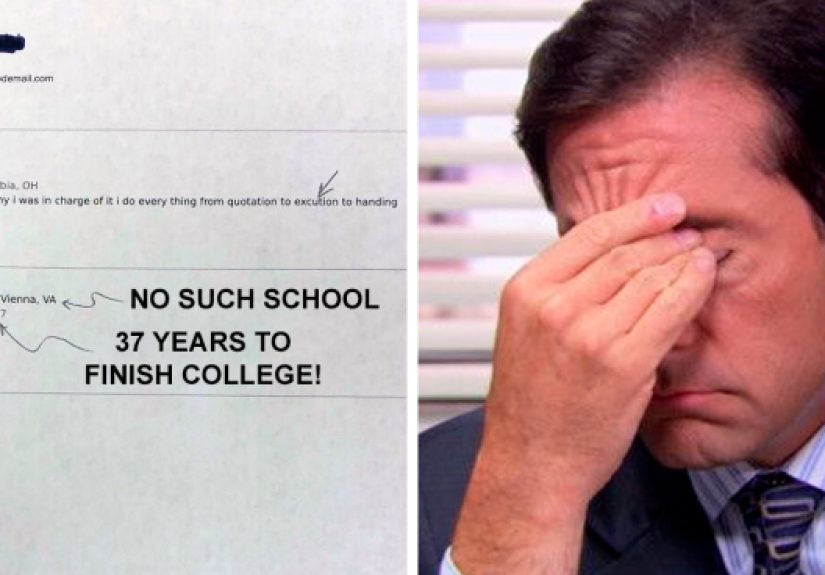
- Degrees from “universities” that don’t exist.
- Five different fonts fighting for attention.
- Hobbies that venture into oversharing territory.
- Describing responsibilities with no outcomes.
- Listing “Microsoft Word” ten different times.
- Attaching 10-page resumes for entry-level roles.
- Contact info that doesn’t work or uses joke emails.
- Copying entire job descriptions into the experience section.
- Contradicting LinkedIn profiles or public information.
- “References: my mom says I’m great.”
Each one seems funny on its own, but together they show exactly what to avoid if you want to be taken seriously.
Real-World Experiences From the Hiring Side (Extra Insights)
To make this even more useful, let’s step fully into the recruiter’s shoes. Imagine you’re screening hundreds of resumes a week. Your eyes are tired, your coffee is lukewarm, and you’re hopingbegging, reallyfor one resume that’s not a disaster.
Here’s what that experience actually feels like, and what candidates often don’t realize.
1. The Pattern Recognition Superpower
Recruiters develop a kind of sixth sense. After reading thousands of resumes, they can spot red flags in seconds: unexplained gaps, suspiciously vague descriptions, buzzword overload, and layouts that scream “I didn’t care enough to edit this.” They’re not trying to be harshthey just don’t have time to investigate every confusing application.
When something on your resume forces them to slow down and decode what you meant, that’s a problem. The more guesswork you create, the faster your application slides into the “no” pile.
2. The Emotional Roller Coaster of Resume Reading
For all the frustration, recruiters also genuinely love good resumes. A clear, relevant, well-structured CV is strangely exciting. It’s the “finally!” moment in a tall stack of chaos. And yes, funny or odd resumes can briefly brighten their daybut that doesn’t mean they’ll move forward with those candidates.
Your goal is to be the resume that makes them sit up and think, “Wait, this person is actually perfect for the role,” not the one they screenshot for a group chat.
3. The Hidden Advantage of Being Reasonably Normal
Because so many applications are either rushed, copied, or bizarrely personal, being “boringly professional” is actually a competitive advantage. Clear structure, honest content, and logical career progression stand out more than gimmicks.
Recruiters don’t need you to be the funniest, the most creative, or the most dramatic. They need you to be:
- Qualified for the job.
- Likely to show up and communicate well.
- Someone they won’t have to defend to the rest of the hiring team.
If your resume quietly checks all those boxes, you’re already ahead of the applicants trying too hard to be unforgettable.
4. What Recruiters Wish Candidates Knew
From all those dumbfounding resumes and interview horror stories, a few simple truths emerge that could completely change your job search:
- Proofreading is not optional. One extra read-through can save your application.
- Context is everything. Briefly explain gaps, career changes, or unconventional paths.
- Specific beats generic every time. Real numbers and projects feel more trustworthy than buzzwords.
- Your resume and online presence should match. If dates, job titles, or achievements don’t line up, it raises doubts.
- Personality is welcomewithin reason. A bit of humor or a unique hobby can be memorable, as long as your core professional story is strong.
In other words: you don’t need a perfect resume, just an honest, clear, and thoughtful one. The bar is lower than you thinkand higher than “accidentally hilarious.”
Final Thoughts: Laugh, Learn, and Then Fix Your Resume
“40 Times Recruiters Were Dumbfounded By People’s Actual Resumes” is funny because it’s extremebut it’s also a mirror. Somewhere between the absurd examples and the real-world red flags, you can probably spot a few things you’ve done yourself: over-sharing, under-explaining, relying on templates, or treating your resume like a one-size-fits-all document.
The good news? Every resume is fixable. With a few changescleaner formatting, clearer bullets, tailored content, and a bit of proofreadingyou can move yourself out of the “what were they thinking?” category and into the “we should talk to this person” pile.
So go ahead: laugh at the worst resumes on Bored Panda, then use that nervous laughter as motivation to polish your own. Recruiters don’t expect perfection, but they do appreciate effort. Give them a resume that makes them smile for the right reasons.