Table of Contents >> Show >> Hide
- Why weighing matters (and why it’s harder than it looks)
- Before you weigh: 6 rules that make every trick work
- 41 Tricks Animal Care Workers Use For Weighing Different Animals
- 1. The “tare button is your best friend” method
- 2. The classic “weigh-and-subtract” backup
- 3. The “human scale sandwich” for medium pets
- 4. Baby scales aren’t just for babies
- 5. Rubber mat = fewer slip ‘n’ slide readings
- 6. Treat targeting: make the scale the snack spot
- 7. “Sit-stay for two seconds” is a professional skill
- 8. Weigh at the same time of day (when it matters)
- 9. “Quiet room mode” for noise-sensitive animals
- 10. Cover the carrier to calm the passenger
- 11. The “towel burrito” for cats who choose violence
- 12. Harness + leash for “I will not be contained” dogs
- 13. “Two-person calm” beats “one-person scramble”
- 14. For kittens and puppies: small box, soft liner, fast reading
- 15. “Warm hands, warm towel” for tiny exotics
- 16. Ventilated cup trick for rodents
- 17. “Let them sniff the setup” for rabbits and guinea pigs
- 18. Basket-on-scale for rabbits who hate being lifted
- 19. The “two-weights, one trip” method for paired animals
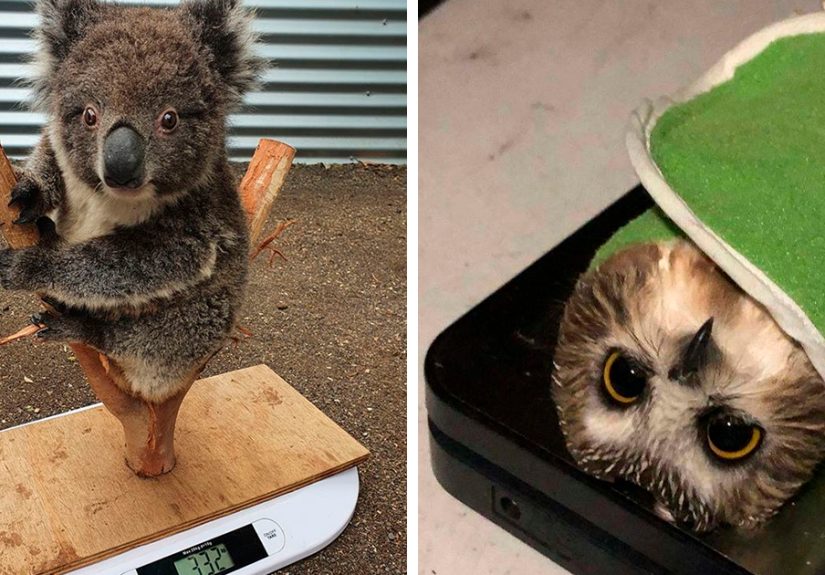
- 20. Gram scales for birds: small numbers, big meaning
- 21. Perch add-on: make the scale feel normal to a parrot
- 22. “Step up, step down” rehearsal before the real weigh
- 23. Container weigh for birds who refuse the perch
- 24. Morning weigh-ins for birds (when medically relevant)
- 25. Reptiles: the cloth bag “no-escape” standard
- 26. Clear tub + lid for lizards and small snakes
- 27. Deli cup method for tiny reptiles and amphibians
- 28. “Damp, not dripping” for amphibians
- 29. Turtle sling or platform: support the whole body
- 30. “Weigh during routine handling” for wildlife rehab patients
- 31. Crate-on-scale for animals that are trained to shift
- 32. Voluntary scale training: the “station and snack” approach
- 33. “Micro-sessions” for big animals
- 34. “Build the scale into the walkway” for hoofstock
- 35. Squeeze chute scales for cattle: weigh while safely restrained
- 36. Reduce “shrink” by moving efficiently
- 37. Pre-sort by size to speed the line
- 38. For horses: weight tape as a quick estimate (with humility)
- 39. For horses: measurement formulas when a scale isn’t available
- 40. For pigs: heart girth + length estimation
- 41. Fish: “wet hands, quick weigh, back into oxygen”
- Quick reference: which weighing setup fits which animal?
- Common weighing mistakes (and how pros avoid them)
- Experience-based scenes from the field (about )
- Conclusion
If you’ve ever tried to weigh a cat, you already know the truth: gravity is real, but cooperation is optional.
Now swap the cat for a flapping parrot, a slippery fish, a 1,200-pound horse, or a turtle with the personality
of a medieval shield… and suddenly “just step on the scale” becomes a full-body sport.
In clinics, shelters, rescues, barns, zoos, and wildlife programs, getting an accurate body weight is one of the most
basic health checksand one of the easiest to mess up. Weight affects medication dosing, anesthesia safety,
nutrition plans, hydration assessment, growth tracking, and early illness detection. The good news? Animal care workers
have built a whole toolbox of clever, low-stress tricks to get reliable numbers without turning every weigh-in into
a tiny chaos festival.
Why weighing matters (and why it’s harder than it looks)
Body weight is a “vital sign” you can measure fast and track over time. The catch is that animals don’t stand still
for the sake of your spreadsheet. They lean, wiggle, puff up, deflate, grip, flap, hide in corners, or suddenly become
an expert in parkour the moment a scale appears.
- Accuracy affects safety: Under- or overdosing meds can be risky, especially for small animals.
- Trend beats one number: A small change over days can matter more than a single “perfect” weigh-in.
- Stress changes the reading: Panting dogs, struggling livestock, and dehydrating fish can “shrink” fast.
- Equipment matters: The wrong scale (or a wobbly floor) can create fake weight changes.
Before you weigh: 6 rules that make every trick work
-
Use the same scale whenever possible. Swapping scales can create “weight changes” that are really just
different calibration. - Level ground is non-negotiable. A scale on uneven tile is basically a random-number generator with a screen.
- Know your units. Grams for tiny patients, pounds or kilograms for bigger onesthen stay consistent in the record.
- Tare everything. Bowls, towels, carriers, slings: if it’s on the scale, it needs a plan.
- Minimize drama. Calm handling isn’t just kinder; it produces steadier readings.
- Write it down immediately. Memory is great until the next kennel cough intake walks in like it owns the place.
41 Tricks Animal Care Workers Use For Weighing Different Animals
1. The “tare button is your best friend” method
Put the empty container (carrier, tub, box) on the scale first, hit tare/zero, then add the animal. The screen shows
the animal’s weight onlyno mental math while a ferret tries to redecorate your arms.
2. The classic “weigh-and-subtract” backup
No tare function? Weigh the container empty, then weigh container + animal. Subtract. It’s simple, reliable, and works
for cats, rabbits, snakes, birds, and small mammals.
3. The “human scale sandwich” for medium pets
For pets who won’t settle on a platform scale, weigh yourself alone, then weigh yourself holding the pet. Subtract.
It’s not glamorous, but neither is wrestling a 60-pound “lap dog” with opinions.
4. Baby scales aren’t just for babies
A baby scale is perfect for kittens, puppies, rabbits, and small dogsespecially if you add a non-slip pad. The curved
surface helps prevent the “I will now exit this situation” shuffle.
5. Rubber mat = fewer slip ‘n’ slide readings
A thin rubber mat or towel on a platform scale improves footing for dogs and reduces shifting. Less movement means
fewer wild weight swings when the animal repositions.
6. Treat targeting: make the scale the snack spot
Instead of luring the animal onto the scale once, animal care workers train a repeatable routine: step on, look at handler,
get treat. Over time, the scale becomes a predictable “reward station,” not a trap.
7. “Sit-stay for two seconds” is a professional skill
For many dogs, the trick isn’t getting onto the scaleit’s staying long enough to lock a reading. Handlers cue a sit,
reward calmness, and take the number as soon as the display stabilizes.
8. Weigh at the same time of day (when it matters)
For medical monitoringespecially weight-loss plans or fragile patientsteams standardize timing (often before meals)
so “real change” isn’t confused with breakfast weight.
9. “Quiet room mode” for noise-sensitive animals
Some animals spike stress in busy spaces. Shelters and clinics often do weights in a calmer room, away from barking,
clanging, and the dramatic Chihuahua commentary committee.
10. Cover the carrier to calm the passenger
A towel over a cat carrier reduces visual triggers. Less scrambling inside the carrier means a steadier readingand
fewer carrier dents shaped like paws.
11. The “towel burrito” for cats who choose violence
A quick wrap can reduce scratching and sudden launches. The goal is minimal restraint for minimal time: wrap, weigh,
release, then let everyone pretend it never happened.
12. Harness + leash for “I will not be contained” dogs
For anxious dogs, a secure harness prevents escapes while allowing gentle guidance onto the scale. The trick is slack
leash and calm body languageno tug-of-war.
13. “Two-person calm” beats “one-person scramble”
One handler guides and reassures, the other watches the display and records. Splitting roles reduces time, stress, and
the chance you accidentally write “18 lb” when the dog is clearly 81 lb.
14. For kittens and puppies: small box, soft liner, fast reading
Neonates and young animals chill quickly and squirm constantly. Teams use a warm liner in a small box, tare it, place
the youngster inside briefly, then return to warmth immediately.
15. “Warm hands, warm towel” for tiny exotics
Small mammals (like mice or hamsters) lose heat fast. Care workers prep the container, do a quick in-and-out weigh,
and avoid cold metal surfaces.
16. Ventilated cup trick for rodents
A clear, ventilated cup or small tub prevents escapes while keeping the animal visible. It’s safer than trying to weigh
a mouse directly on a flat surface (which becomes a runway).
17. “Let them sniff the setup” for rabbits and guinea pigs
Rabbits and guinea pigs often freeze when rushed, then bolt when grabbed. A short pause to sniff the scale area
can reduce panic and give a smoother reading.
18. Basket-on-scale for rabbits who hate being lifted
Instead of picking the rabbit up repeatedly, guide them into a sturdy basket or carrier on the floor, then lift the
entire container onto the scale (tared first).
19. The “two-weights, one trip” method for paired animals
For bonded small mammals, teams may weigh each individually, then also together to double-check readings. It helps
catch “someone moved at the exact wrong moment” errors.
20. Gram scales for birds: small numbers, big meaning
Birds can lose clinically important weight quickly. Clinics often use gram scales (with a perch or small platform) so
subtle changes aren’t hidden by rounding.
21. Perch add-on: make the scale feel normal to a parrot
A perch on top of a digital scale is a game-changer. If the bird is used to stepping onto perches, you’re working with
instinct instead of fighting it.
22. “Step up, step down” rehearsal before the real weigh
Many bird handlers do a short practice: step onto the perch, treat, step off. Then they repeat with the scale display
ready, so the real weigh-in is just another rep.
23. Container weigh for birds who refuse the perch
For birds that won’t stand still, care teams use a small travel box or container, tare it, then place the bird inside
briefly. Less balancing, less flapping, more accuracy.
24. Morning weigh-ins for birds (when medically relevant)
In many home and clinical routines, birds are weighed before breakfast for consistency. The point is not perfection
it’s making the trend easier to interpret.
25. Reptiles: the cloth bag “no-escape” standard
Snakes and many lizards can be weighed safely in a cloth bag or pillowcase. Tare the bag first, then add the reptile.
It’s secure, breathable, and reduces wriggling.
26. Clear tub + lid for lizards and small snakes
A clear plastic tub lets the animal see out without climbing off instantly. A secure lid prevents escapes, and the flat
bottom helps stabilize the reading.
27. Deli cup method for tiny reptiles and amphibians
For geckos, small frogs, or hatchlings, a deli cup with air holes works well. Tare the cup, add the animal, read fast,
then return them to the correct temperature and humidity.
28. “Damp, not dripping” for amphibians
Amphibian skin is sensitive. Workers often use a lightly damp paper towel or container to prevent drying, but avoid
pooling water that can change the weight reading.
29. Turtle sling or platform: support the whole body
For turtles, teams use a sling or stable platform and secure handling to prevent injury (to turtle and human). Equipment
is disinfected between animals whenever practical.
30. “Weigh during routine handling” for wildlife rehab patients
In rehab, every handling event costs stress. Workers often combine weigh-ins with scheduled exams, feeding checks, or
enclosure changes to reduce total interruptions.
31. Crate-on-scale for animals that are trained to shift
For zoo animals or wildlife in managed care, a familiar crate can be placed on a platform scale (or built onto load cells).
Weigh the crate, tare it, then shift the animal in calmly.
32. Voluntary scale training: the “station and snack” approach
Many zoos train animals to step onto a scale and hold position briefly. It’s safer, reduces restraint and anesthesia needs,
and makes weight checks routine instead of dramatic.
33. “Micro-sessions” for big animals
Instead of one long training session, keepers do several short scale reps. Short sessions reduce frustration and keep the
scale behavior clean: step on, hold, reward, done.
34. “Build the scale into the walkway” for hoofstock
For some setups, scales are integrated into alleys or raceways so animals can be weighed as they pass through.
Fewer stops means less balking and less motion on the platform.
35. Squeeze chute scales for cattle: weigh while safely restrained
In ranch settings, squeeze chute scales (with load bars/load cells) capture weights while cattle are briefly and safely
restrainedmore consistent than chasing a steer onto a platform.
36. Reduce “shrink” by moving efficiently
Livestock can lose weight from stress, exertion, and time off feed/water. Efficient handlingshort waits, smooth flow
reduces both stress and measurement noise.
37. Pre-sort by size to speed the line
In barns and ranches, grouping animals of similar size reduces bottlenecks. The faster the process, the calmer the animals,
and the more reliable the numbers.
38. For horses: weight tape as a quick estimate (with humility)
A weight tape can be useful for a fast ballpark number, but it has known error. Animal care workers treat it as a trend tool,
not a precision instrumentespecially for unusual body shapes.
39. For horses: measurement formulas when a scale isn’t available
If there’s no weighbridge, many barns use heart girth and body length formulas to estimate weight. It’s often more reliable
than guessing by eye, especially when tracked over time.
40. For pigs: heart girth + length estimation
Pig weight estimation commonly uses girth and length measurements plugged into a simple formula. It’s not perfect, but it’s
helpful for management decisions when scales aren’t practical.
41. Fish: “wet hands, quick weigh, back into oxygen”
Fish weight checks prioritize minimizing stress and protecting the slime coat. Care workers handle fish as little as possible,
keep surfaces wet, weigh quickly, and return fish to well-aerated water immediately.
Quick reference: which weighing setup fits which animal?
| Animal type | Best tool | Go-to trick |
|---|---|---|
| Kittens/puppies | Baby scale or gram scale | Tare a warm box + fast reading |
| Cats | Platform scale | Carrier tare or towel cover for calm |
| Dogs | Platform scale | Treat targeting + brief sit-stay |
| Rabbits/guinea pigs | Baby scale or basket on platform | Tare the basket; minimize lifting |
| Birds | Gram scale + perch | Train “step on perch” with rewards |
| Reptiles | Gram/platform scale | Tare a cloth bag or tub |
| Livestock | Chute/platform/walk-over scale | Efficient flow to reduce stress “shrink” |
| Fish | Wet weigh bag + scale / cradle | Minimize handling; quick return to oxygen |
Common weighing mistakes (and how pros avoid them)
-
Mistake: changing the setup every time.
Fix: Same scale, same container, same routine whenever possible. -
Mistake: weighing on an uneven surface.
Fix: Put the scale on firm, level ground; avoid thick carpet. -
Mistake: letting the animal “half-step” off the platform.
Fix: Use a bigger platform, guide paws/feet fully onto the surface, and reward stillness. -
Mistake: forgetting container weight changes.
Fix: Tare each timetowels, pads, and “comfort toys” add up. -
Mistake: treating one number as absolute truth.
Fix: Track trends and confirm suspicious readings with a repeat weigh.
Experience-based scenes from the field (about )
Ask animal care workers about weighing tricks and you’ll get the same look you’d see on a firefighter asked about “just a small campfire.”
Because weighing is never just weighingit’s a mini story with a beginning (“this will be quick”), a middle (“why is there now a pee incident?”),
and an end (“we got a number… probably”).
In shelters, weigh-in day often feels like a runway show where nobody agreed to the theme. One dog struts onto the platform like a paid influencer,
hits a perfect pose, and waits for applause. The next dog treats the scale as a cursed rectangle and attempts a dramatic leap that would impress
an Olympic long jumper. The seasoned tech doesn’t argue; they casually toss a treat dead-center on the platform and wait. Suddenly, the “cursed”
rectangle becomes the world’s most reasonable place to stand. Two seconds. Locked reading. Treat. Exit. Everyone wins.
Cat weighing has its own sitcom energy. There’s the cat who stays perfectly stilluntil you reach for the pen, at which point they begin a
slow-motion interpretive dance. And there’s the cat who refuses to stand on the scale but will gladly sit in a carrier like royalty traveling
first class. That’s when the carrier-tare trick shines: weigh the carrier, hit zero, add cat, record weight. The cat believes it has outsmarted
you. You let it believe that. Peace is priceless.
Bird people will tell you the scale is not equipment; it’s a relationship. The first time you introduce a parrot to a gram scale, it may act like
you’ve offered it a suspiciously tiny stage. But give it a perch it recognizes, reward one foot, then two feet, then a calm pause, and you’ll
watch the bird figure out the deal: “Stand here, receive snack.” Soon, some birds hop onto the scale before you even ask, like they’re checking
in for a flight. (Ironically, they are.)
Reptile weigh-ins often look like a magic trick where the assistant vanishes. A snake that refuses to be a “still object” suddenly becomes
remarkably manageable inside a cloth bag. The bag contains the wiggles, the scale contains the number, and the handler contains their dignity.
For lizards, the clear tub trick is a quiet hero: a secure lid stops the escape attempts, and the flat bottom keeps the display from bouncing
like a nightclub strobe.
Out in barns and wildlife programs, weighing is less comedy and more choreography. Move animals smoothly, avoid long waits, keep handling calm,
and the numbers mean something. When it’s done well, it almost looks boringand in animal care, “boring” is a compliment. Boring means predictable,
safe, low-stress, repeatable. Boring means you can catch a health change early, adjust feed, dose medication properly, and prevent small problems
from turning into emergencies.
Conclusion
Weighing animals isn’t about forcing cooperationit’s about designing a setup that makes cooperation easy. The best tricks reduce handling time,
reduce stress, and increase consistency. Whether you’re using a perch on a gram scale, a tared carrier, a livestock chute scale, or a quick fish
weigh-and-release routine, the goal is the same: get a reliable number that helps you provide safer, smarter care.