Table of Contents >> Show >> Hide
- 1. The Nostalgia Hit Before the First Sip
- 2. Brie Larson and Courtney McBroom Made Hosting Feel Fun Again
- 3. The BHG x PopUp Bagels Schmear Was Peak Fall in One Bite
- 4. Kristen Kish Brought the Kind of Cooking Wisdom People Actually Use
- 5. Craig Conover Proved the Best Café Experiences Go Beyond Coffee
- Why the Red Plaid Café Pop-Up Worked So Well
- A Longer Look at the Experience
- Final Sip
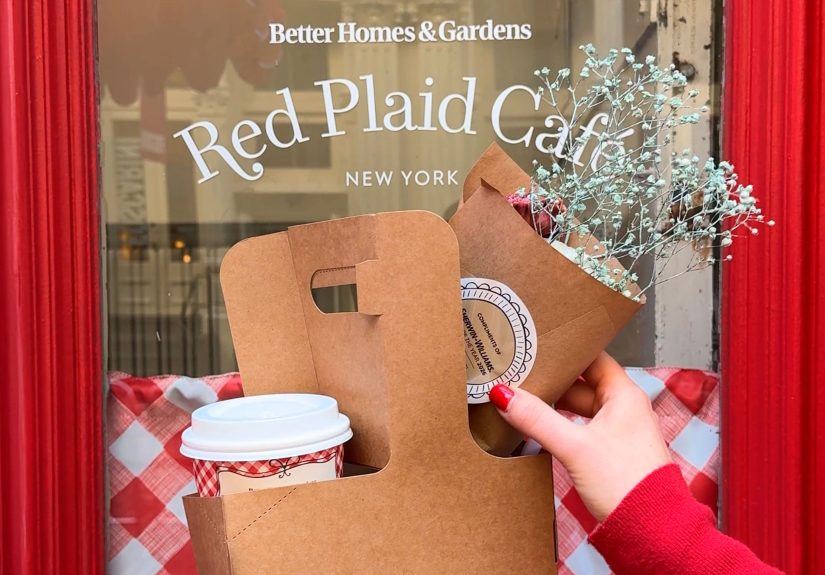
Some events are so charming they feel less like a launch and more like a memory in the making. That was the mood at our very first Red Plaid Café pop-up: cozy, a little nostalgic, delightfully caffeinated, and packed with enough fall flavor to make even a die-hard iced coffee person whisper, “Fine, I’ll have the cinnamon bun cappuccino.”
For one festive day, the Red Plaid Café turned the idea of a simple coffee stop into something much bigger. It was part café, part creative hangout, part conversation starter, and part love letter to the kind of home-and-food traditions people actually want more of right now. In an era when diners are chasing experiences instead of just transactions, a one-day-only pop-up with personality, warm drinks, craft stations, and memorable guest appearances felt exactly right.
And that is what made the event click. It was not trying to be the loudest room in New York. It was trying to be the coziest one. The plaid awning, the nostalgic design details, the sweet bites, the flower bar, the embroidered giveaways, the coffee chats, the bagel collaboration, the cooking demo, the crafty inspirationit all added up to something that felt thoughtful instead of overproduced.
Below, we’re revisiting the five standout moments that made our first Red Plaid Café pop-up feel special, plus why the whole experience hit such a sweet spot for guests who came for coffee and stayed for the vibe.
1. The Nostalgia Hit Before the First Sip
The first highlight was the atmosphere itself. Before guests even reached the coffee bar, the Red Plaid Café had already made its case. The look and feel nodded to the iconic red plaid cookbook and the comforting, familiar mood that comes with a well-loved kitchen, a favorite mug, and a recipe card you’ve practically memorized by heart.
That nostalgia was not accidental, and it was not cheesy. That is a tricky line to walk. Go too far and your event feels like a costume party for furniture. Stay too safe and it blends into the background like every other vaguely “curated” pop-up in a trendy zip code. The Red Plaid Café landed in the sweet spot. Vintage copies of the cookbook, old magazine-cover moments, soft café styling, and a warm, inviting setup gave the whole space a point of view.
Why it worked
The smartest café concepts know décor is not just decoration. It tells guests what kind of experience they are about to have. Here, the message was simple: slow down, stay awhile, and enjoy the kind of homemade charm that never really goes out of style. In a culture obsessed with novelty, nostalgia can be the boldest move in the roomespecially when it is paired with good design and not just dusty sentiment.
That is also why the café felt so photogenic without feeling try-hard. The best spaces today invite photos because they are genuinely appealing, not because they are stuffed with gimmicks. Every plaid touch, every vintage nod, every cozy corner supported the same story. Guests were not just visiting a branded space. They were stepping into an atmosphere with a heartbeat.
2. Brie Larson and Courtney McBroom Made Hosting Feel Fun Again
If the first highlight was the setting, the second was the conversation. Brie Larson and Courtney McBroom brought exactly the kind of lively, down-to-earth energy a pop-up like this needs. Their appearance added star power, sure, but the bigger win was how approachable the whole session felt.
That is what guests remember from good live programming: not that someone famous showed up, but that the conversation felt generous. Larson and McBroom did not arrive with stiff, polished lines and an air of “please admire us from a safe emotional distance.” They brought the kind of talk people actually want to hear at a caféhow to entertain without spiraling, how to show up to a gathering without overthinking it, and how hospitality can be playful instead of performative.
That tone mattered. Hosting advice can sometimes sound like a to-do list wearing pearl earrings. But this felt lighter, more human, and more useful. Instead of turning entertaining into an Olympic event, the conversation gave it back some charm. That alone made it a standout moment.
Why it mattered
The Red Plaid Café was never just about sipping something cozy while pretending your inbox did not exist. It was also about conversation, connection, and a shared affection for home culture. Larson and McBroom fit that beautifully. Their presence helped bridge food, friendship, and entertaining in a way that made the event feel more dimensional.
And honestly, a café pop-up should have that kind of energy. A great coffeehouse is not only a place to consume a drink; it is a place where ideas, advice, laughter, and a little people-watching all get served at the same time. This session delivered exactly that.
3. The BHG x PopUp Bagels Schmear Was Peak Fall in One Bite
Let us be real: if you tell people there is a custom seasonal bagel schmear involved, they are going to pay attention. And they should. One of the most buzzworthy moments from the pop-up was the Salted Maple Banana Bread schmear created in collaboration with PopUp Bagels and BHG’s food experts.
This was not a random branded side quest. It was a clever, flavorful extension of the whole event. The Red Plaid Café leaned into warmth, nostalgia, and autumn comfort, and that flavor profile understood the assignment. Banana bread is already one of those cozy, universally loved baked-good personalities. Add salted maple notes, a creamy texture, and a good bagel, and suddenly breakfast has main-character energy.
What made this highlight especially strong was that it balanced novelty with familiarity. Guests got something new and exclusive, but it was built from flavors they already loved. That is the difference between an item people politely try once and an item they keep talking about after the event is over.
The menu told the same story
The schmear did not shine alone, either. It worked because the broader menu leaned into the same playful, comfort-forward mood. Think café drinks inspired by dessert, sweet bites with personality, and snacks that felt festive without tipping into sugar-bomb chaos. The whole selection reinforced the idea that a pop-up menu should feel special, but still edible in the real world. Nobody wants a menu that sounds brilliant and tastes like an overambitious press release.
The result was a lineup that felt limited-edition in the best way: memorable, seasonally tuned, and genuinely craveable.
4. Kristen Kish Brought the Kind of Cooking Wisdom People Actually Use
A cooking demo can either be magical or feel like standing too close to a conference-room fruit platter. Fortunately, Kristen Kish delivered the former. Her session brought warmth, confidence, and the kind of practical kitchen intelligence that makes an audience lean in instead of glance at their phones.
Part of the appeal was her ability to make technique feel accessible. Great food personalities do not just perform competence; they translate it. Kish managed to do that while still making the demo feel personal and fun. Tips about flavor, seasoning, and ingredients landed because they were woven into a live, human moment rather than delivered like textbook material.
That is what made her appearance one of the day’s true highlights. People did not just leave thinking, “Kristen Kish is cool.” They left with actual ideas they could carry back into their own kitchens. Roast your peppercorns. Rethink ingredients you may take for granted. Stay curious. Also, maybe stop being weirdly judgmental about mayonnaise. It has range.
Why demo culture still matters
In the age of short-form food videos, live demos still have a special power. They slow things down just enough for people to absorb the why behind the dish. At the Red Plaid Café, Kish’s appearance added authority to the event without making it feel formal. It was educational, but never stiff. Stylish, but never precious. Delicious, but with zero snob factor.
That mix is hard to fake and even harder to forget.
5. Craig Conover Proved the Best Café Experiences Go Beyond Coffee
The fifth highlight may have been the most unexpected, which is part of why it worked so well. Craig Conover’s conversation leaned into hobbies, creativity, and the pleasure of learning something new later in life. In a pop-up built around homemade charm, that theme fit like a custom apron.
And yes, the apron detail mattered. The event’s signature café aprons were designed in collaboration with Conover and Sewing Down South, which made his appearance feel integrated rather than random. That kind of cohesion matters in live events. Guests can tell when a partnership belongs in the room and when it wandered in from another marketing deck by accident.
More importantly, his conversation helped widen the meaning of the café itself. This was not just a place for food and drinks. It was a place for making, trying, chatting, and being inspired to pick up something creative. That same spirit carried through the embroidery station, bouquet bar, and keepsake moments throughout the space.
The bigger takeaway
The most memorable pop-ups do not trap themselves inside one category. They borrow from hospitality, retail, design, and storytelling all at once. Conover’s presence underscored that beautifully. A café can be about coffee, yes, but it can also be about craft, ritual, comfort, and the joy of doing things with your hands. In an increasingly digital, hyper-efficient world, that analog warmth feels downright luxurious.
Why the Red Plaid Café Pop-Up Worked So Well
When you zoom out, the success of the event makes perfect sense. People are hungry for limited-time experiences that feel personal. They want exclusive menu items, but they also want a reason to linger. They want a space with visual charm, but they do not want it to feel hollow. They want something Instagram-worthy, but they also want it to be genuinely enjoyable when the phone goes back in the bag.
The Red Plaid Café understood that modern hospitality is part flavor, part feeling, part story. The event had a clear identity, a cohesive design language, strong food-and-drink hooks, and programming that gave guests more than one reason to show up. It appealed to food lovers, home enthusiasts, craft fans, celebrity-watchers, and anyone who simply wanted a charming way to spend part of the day.
That is not easy to pull off. A lot of pop-ups chase buzz and forget comfort. Others serve comfort and forget surprise. This one managed both. It had warmth, but it also had freshness. It had nostalgia, but it still felt current. It had celebrity guests, but the stars were in service of the mood, not bigger than it.
In other words: it felt like a café first and a campaign second. That is the secret sauce right there.
A Longer Look at the Experience
What did a day at the Red Plaid Café actually feel like? Imagine starting with the visual cue of that plaid awning and instantly understanding that this was not going to be one more generic “immersive” experience with a fog machine and an identity crisis. It felt welcoming before it felt promotional. That matters. The first few seconds of any pop-up tell guests whether they should brace for a hard sell or settle in for a good time. Here, the answer was very much the second one.
Once inside, the experience unfolded in layers. There was the coffee bar, of course, where the drinks looked festive enough to justify a photo but still sounded like something you would genuinely want to drink on a cool fall day. There were the sweet bites and savory little treats, which made the café feel lived-in rather than decorative. Food gives an event rhythm. A sip, a bite, a pause, a conversationthose small cycles are what make a space feel active and human.
Then there were the activities, which added movement and surprise. A bouquet station changes the mood of a room immediately. Flowers soften everything. Embroidery and personalized keepsakes slow people down in a good way. Instead of rushing through for a quick look and leaving, guests had reasons to stay, make something, admire what someone else was making, and talk to strangers without the interaction feeling forced. That is one of the oldest café tricks in the book: give people something to gather around, and the room starts doing half the work for you.
The guest programming also changed the pace throughout the day. A live conversation has a way of making an event feel more intimate, even when there is a crowd. People lean in. They laugh at the same moment. They jot down a tip. They repeat a funny line to the friend next to them. Suddenly the audience is not just attending; it is participating. That shared energy is hard to bottle, which is exactly why people love one-day-only experiences in the first place.
And maybe that is the best way to describe the Red Plaid Café: it felt temporary, but not disposable. There was care in the details. The event was polished, yet it still had texture. It celebrated good taste without acting superior about it. It made room for delight. Not giant, fireworks-level delight. Smaller, better delight. The kind that comes from a warm drink, a smart design detail, a useful kitchen tip, a surprisingly excellent schmear, a pretty bouquet, or a conversation that leaves you feeling a little more inspired than when you walked in.
That is also why the pop-up resonated beyond the novelty factor. Plenty of events can get people in the door once. The more interesting question is whether guests leave feeling like they were part of something worth remembering. This one gave them stories to take home. Maybe it was the cinnamon bun cappuccino. Maybe it was Kristen Kish defending mayonnaise with the confidence of a woman who knows she is right. Maybe it was hearing Craig Conover talk about learning new hobbies and thinking, “You know what? Maybe I could try quilting.” Maybe it was seeing a legacy brand translate its heritage into a space that felt current instead of dusty.
By the end of the day, the Red Plaid Café had done what the best pop-ups do: it created a temporary world people were happy to step into. Not because it shouted for attention, but because it offered charm, flavor, and personality in a way that felt easy to love. That is a much harder trick than it looksand exactly why this first pop-up felt like a hit.
Final Sip
Our first Red Plaid Café pop-up was a reminder that a great event does not need to choose between style and substance. It can have a beautiful setting and real warmth. It can have celebrity guests and still feel intimate. It can offer playful menu items and genuine takeaways. Most of all, it can feel like a place people want to be, not just a place they stop by for five minutes and forget before dinner.
If these five highlights proved anything, it is that the strongest pop-up experiences are the ones with a clear point of view. Ours celebrated nostalgia, creativity, good conversation, and fall flavorand guests responded to every bit of it. For a very first outing, that is more than a win. That is a very promising beginning.
![Understanding Modulated RF With [W2AEW]](https://anngonkhoe.com/wp-content/uploads/2026/04/understanding-modulated-rf-with-w2aew-5dfbwooO-thumb.jpg)