Table of Contents >> Show >> Hide
- 1. Putting the Dishwasher in the Wrong Place
- 2. Breaking the Work Triangle With Far-Flung Appliances
- 3. Using Open Shelving Near the Cooktop
- 4. Installing an Oversized Island That Disrupts the Room
- 5. Relying on Pretty Pendants Instead of Real Task Lighting
- What Designers Recommend Instead
- Real-Life Kitchen Experiences: What These Mistakes Feel Like When You’re Actually Cooking
- Conclusion
- SEO Tags
There is a special kind of heartbreak that comes from standing in a gorgeous kitchen and realizing it functions like a mildly hostile obstacle course. The counters are stunning. The pendants are photogenic. The island is big enough to qualify for its own zip code. And yet making a simple pasta dinner somehow feels like training for a triathlon.
That is the trap of a style-first kitchen. Designers, builders, and planning experts keep making the same point: a kitchen is not just a showpiece. It is a working room. It needs to support chopping, rinsing, reaching, carrying, stirring, unloading, wiping, and all the little in-between movements that happen when real people cook real food on real weeknights.
When the layout ignores those habits, even a luxury kitchen can become annoying fast. You walk too much. You clean more than you expected. You play bumper cars with cabinet doors. You wind up prepping onions in a shadow like a Victorian orphan. None of this is ideal, unless your hobby is being mildly inconvenienced.
So what are the design decisions that look good in photos but make actual cooking harder? Here are five that designers say are the biggest troublemakers, along with smarter ways to fix them without sacrificing style.
1. Putting the Dishwasher in the Wrong Place
A badly placed dishwasher can slow down your kitchen more than people realize. It often gets treated like a puzzle piece that can go anywhere there is a gap, but in real life, the dishwasher is part of a working cleanup zone. When it is too far from the sink, dish storage, or prep area, every load becomes a tiny parade of dripping bowls and awkward sidesteps.
Why it makes cooking harder
Cooking is messy by nature. You rinse produce, stack prep bowls, scrape plates, wash knives, and shuttle utensils back and forth all day. If the dishwasher is marooned at the far end of the island, tucked away from the sink, or positioned where its open door blocks traffic, cleanup becomes clumsy. That matters because cleanup is not separate from cooking. It is woven into the whole process.
A poor dishwasher location also makes unloading slower. If your everyday plates and glasses live on the opposite side of the room, you are adding extra steps to one of the most repeated kitchen tasks. It is not dramatic, but it is the sort of friction that makes a kitchen feel tiring over time.
What works better
Keep the dishwasher close to the sink and near the cabinets or drawers where dishes actually live. Think in clusters: sink, dishwasher, trash, and dish storage should act like helpful neighbors, not distant cousins who only show up at Thanksgiving. If you are planning an island, an adjacent dishwasher can work beautifully, as long as the open door does not trap anyone in the room like a very judgmental gate.
2. Breaking the Work Triangle With Far-Flung Appliances
The classic kitchen work triangle is not some dusty design myth that should be left in 1987 next to sponge-painted walls. The basic idea still holds up: the sink, refrigerator, and cooktop need a relationship. They should feel connected enough to support movement, but not packed so tightly that two people cooking together start negotiating border treaties.
Why it makes cooking harder
When the fridge and stove are too far apart, or the sink is oddly isolated, cooking turns into a lot of unnecessary mileage. You grab vegetables from the fridge, carry them across the room to wash, then cross the room again to sauté, then march back to the refrigerator because you forgot the butter. Suddenly a 20-minute stir-fry feels like an endurance event.
This issue becomes even worse in large kitchens. Ironically, more square footage does not always mean better function. Big kitchens can become inefficient when designers chase openness and symmetry but forget proximity. A room can look airy and still perform like a bad group project.
What works better
Group your primary cooking zones so they support natural movement. Related appliances should also stay close to one another. The dishwasher belongs near the sink. Ovens should not feel miles away from prep space. Trash should be near where you chop. Good kitchens reduce handoffs, backtracking, and those weird mid-recipe pivots where you are holding a hot pan and wondering why the room suddenly feels 40 feet long.
3. Using Open Shelving Near the Cooktop
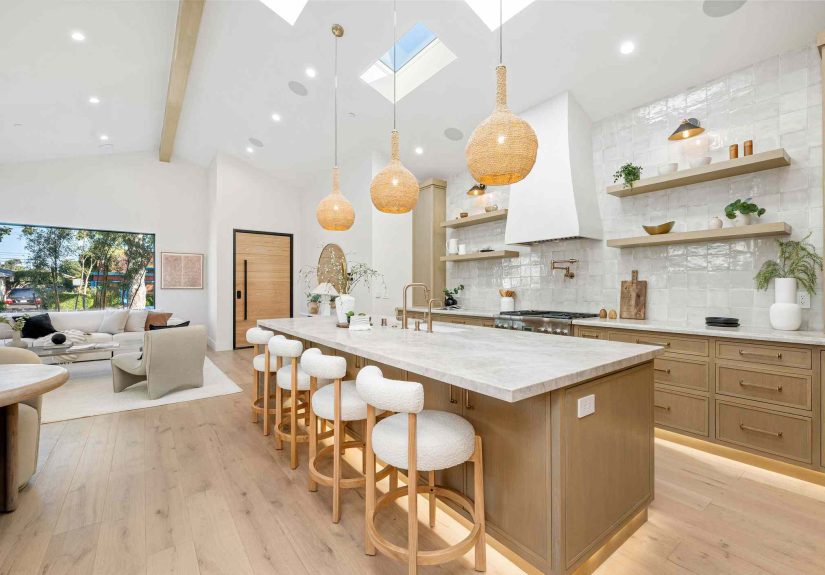
Open shelving is the golden retriever of kitchen trends: charming, photogenic, and wildly popular on the internet. The problem is not open shelving itself. The problem is where people put it. Designers consistently warn that open shelves near the cooktop are an especially bad idea if you actually cook more than toast.
Why it makes cooking harder
Grease does not politely stay on the pan. It travels. It floats. It settles. It lands on your neatly stacked plates, your favorite mugs, your olive oil bottle, and that tiny ceramic bowl you bought because it looked “artisanal.” Shelves near the cooking surface collect oil mist, dust, and grime, which means the things you use most often need constant cleaning.
There is also the storage problem. Too much open shelving reduces hidden storage, and that can push more daily-use items onto the counters. Once counters fill up, prep space shrinks. When prep space shrinks, cooking gets more annoying. This is how you end up chopping cilantro in a six-inch patch between the toaster and the fruit bowl, questioning your life choices.
What works better
Use open shelving sparingly and place it away from the cooktop. If you love the airy look, try glass-front cabinets, a small display shelf near a window, or a dedicated coffee or bar area. Reserve enclosed storage for the hardworking parts of the kitchen. Doors are not boring. Doors are peaceful. Doors keep your cookware from wearing a thin, invisible sweater of grease.
4. Installing an Oversized Island That Disrupts the Room
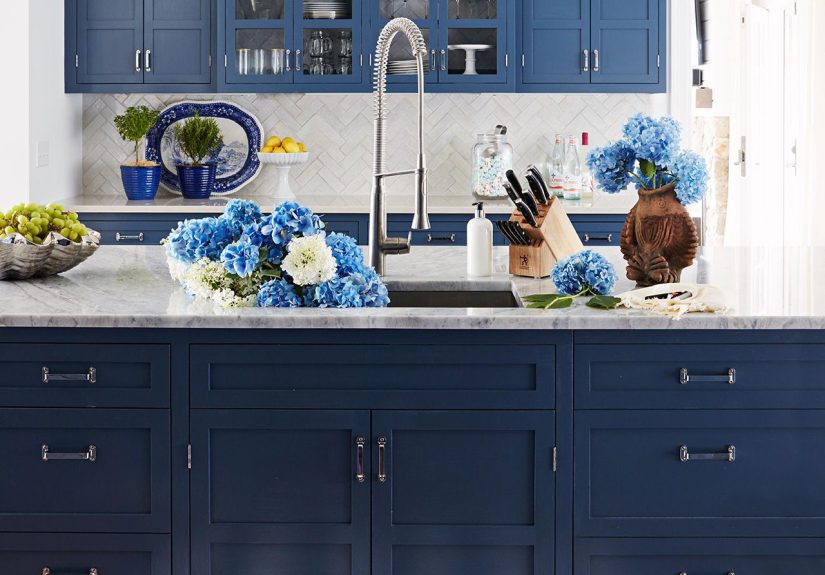
Kitchen islands are useful. Kitchen islands are popular. Kitchen islands are not automatically good just because they are enormous. Designers frequently point out that an island can become a problem when it is too large, too deep, too close to surrounding cabinets, or packed with seating that spills into the work zone.
Why it makes cooking harder
A too-big island creates extra walking between tasks. It can also swallow the center of the kitchen and leave awkward circulation around the edges. If the island is so deep that you cannot comfortably reach the middle, part of the surface turns into a decorative prairie: nice to look at, not particularly useful.
Then there is seating. Seating is great until it invades the cooking lane. If someone is perched at the island while another person is opening the dishwasher, reaching the fridge, or carrying a hot sheet pan from the oven, the room starts to feel like a crowded airport gate. Stylish? Maybe. Relaxing? Not especially.
What works better
Design the island around function, not bragging rights. Ask what the island needs to do. Is it for prep? Casual dining? Baking? Serving? Storage? A smart island might include deep drawers, a trash pull-out, outlets, or a prep sink. It should also preserve comfortable walkways and avoid bottlenecks. In kitchen design, “bigger” is not a strategy. “Better planned” is.
5. Relying on Pretty Pendants Instead of Real Task Lighting
A beautiful pendant can absolutely elevate a kitchen. It can also absolutely fail to light your cutting board. Designers and lighting experts keep coming back to the same warning: decorative fixtures alone do not make a functional lighting plan.
Why it makes cooking harder
Kitchens need layered lighting. If your only light comes from a central ceiling fixture or a row of pendants over the island, your prep areas may still be shadowy. Upper cabinets can block overhead light from reaching counters. That means the exact places where you slice, peel, season, and clean are often the darkest spots in the room.
Poor lighting is not just annoying. It can affect safety and comfort too. Measuring spices in dim light is irritating. Chopping herbs in shadow is worse. And if your kitchen mixes harsh bulbs in one area with warm, moody bulbs in another, the space can feel visually disjointed, which is not ideal when you are trying to tell whether your chicken is beautifully browned or one minute away from being a problem.
What works better
Use a layered approach: ambient lighting for the room overall, task lighting for work surfaces, and decorative lighting for personality. Under-cabinet lighting is especially valuable because it brightens the counter exactly where work happens. Recessed lights can help with general illumination, and pendants can still shine over islands or dining spots. The trick is making sure your lighting plan serves the cook before it flatters the backsplash.
What Designers Recommend Instead
The best kitchens are not the ones with the most trends packed into one room. They are the ones that quietly make life easier. That usually means planning around zones, movement, visibility, storage, and maintenance before selecting the fun finishing touches.
Start with how you actually cook. Do you unload groceries and prep immediately? Do two people cook together most nights? Do you bake often? Do you need landing space by the fridge, room beside the range, and a cleanup path that does not cause traffic jams? The answers matter more than whether the island stone looks dramatic under pendant lights named something like “Lunar Cascade.”
If a kitchen helps you move naturally, reach what you need, see what you are doing, and clean up without muttering under your breath, that is good design. Function is not the enemy of beauty. In a great kitchen, function is the reason the room feels beautiful in the first place.
Real-Life Kitchen Experiences: What These Mistakes Feel Like When You’re Actually Cooking
To understand why these design choices matter, it helps to picture real cooking moments instead of perfect listing photos. Imagine a weeknight when you are making tacos. You pull ground turkey from the refrigerator, onions from the pantry, lettuce from the crisper, and a skillet from a deep lower cabinet. If your fridge, sink, stove, and trash are arranged sensibly, the whole meal feels smooth. If they are scattered, you spend the evening pivoting around corners and walking laps with onion skins in one hand and a dripping colander in the other.
Or picture a holiday baking day. You need open counter space, bright task lighting, and easy access to mixing bowls, sheet pans, spices, and the oven. In a well-planned kitchen, the process feels pleasantly busy. In a poorly planned one, you are forever shifting appliances, looking for light, and realizing that the island is massive but somehow still not helping. That is the cruel magic trick of a badly designed island: it takes up half the room and still contributes almost nothing to the job at hand.
Then there is cleanup, the part nobody puts on mood boards. After dinner, you want a simple rhythm: scrape, rinse, load, wipe, done. But when the dishwasher is far from the sink or the trash pull-out is across the room, cleanup turns into a damp little commute. You drip. You double back. Someone opens the oven while you are trying to pass through. Suddenly the kitchen feels less like the heart of the home and more like a traffic study.
Lighting mistakes are just as noticeable in lived experience. A kitchen can look warm and dramatic at 7 p.m., then become deeply unhelpful at 7:05 when you try to mince garlic under a shadow cast by your own upper cabinets. Decorative pendants are lovely, but they do not magically illuminate every prep surface. That is why people in underlit kitchens often end up dragging a cutting board to the brightest random spot, which is not exactly a glamorous design outcome.
Open shelves tell a similar story. On installation day, they look breezy and editorial. Six months later, the bowls near the cooktop have a faint sticky film, the jars need wiping, and the “curated” display has evolved into a cluttered collection of practical things you had nowhere else to put. It is not that open shelving is always wrong. It is that real kitchens produce smoke, steam, crumbs, spills, fingerprints, and chaos. Design that ignores those realities usually ages badly.
The common thread in all these experiences is simple: people do not remember a kitchen fondly because the pendants were dramatic or because the island was huge. They remember that it was easy to cook there. They remember they could prep dinner without weaving around stools, unload dishes without crossing the room, and wipe down surfaces without moving twelve decorative objects first. That is the kind of luxury that actually lasts.
Conclusion
The most successful kitchen design choices are rarely the flashiest. They are the ones that support the small, repeated actions of daily cooking. Put the dishwasher where cleanup makes sense. Keep the core work zones close enough to cooperate. Be selective about open shelving. Size the island for your room, not your ego. And please, for the love of onions everywhere, make sure you can actually see your countertops.
A kitchen should not make dinner harder than dinner already is. If your design helps you cook with less walking, less cleaning, less dodging, and less squinting, you are doing it right.