Table of Contents >> Show >> Hide
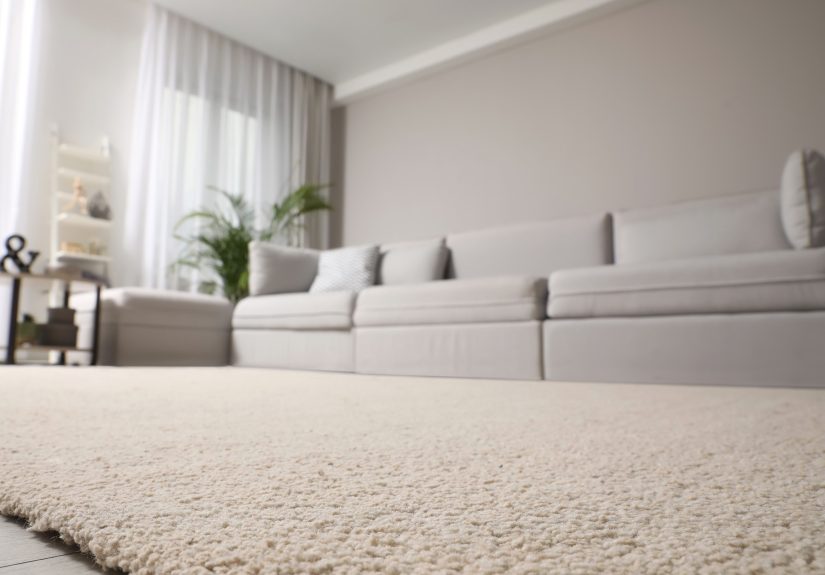
Carpet has its charm. It is soft, cozy, quiet, and forgiving on bare feet that are not emotionally prepared for a cold floor at 6:30 in the morning. In the right place, carpet is wonderful. In the wrong place, it is basically a giant sponge with a decorative résumé.
That is the heart of this story. Choosing flooring is not just about looks. It is about what a room has to survive every single day: steam, spills, muddy shoes, detergent drips, pet chaos, mystery splashes, and the occasional “I swear that pipe was fine yesterday” moment. Some rooms simply demand flooring that can handle moisture, frequent cleaning, and hard use without turning into a science experiment.
If you are planning a remodel, building a new home, or staring at an old roll of carpet samples with hope in your eyes, this guide will save you time, money, and more than a few future headaches. Below are the five rooms that should never be carpeted, along with better flooring options and the practical reasons behind them.
Why Carpet Fails in the Wrong Rooms
Before we get to the room-by-room list, let’s be fair to carpet. Carpet is not the villain. It is just very bad at being tile.
Wall-to-wall carpet struggles in spaces where the floor gets wet, dirty, or heavily used. Fibers trap dust, crumbs, hair, and moisture. Padding underneath can hold onto dampness long after the surface seems dry. That combination can lead to odors, staining, mildew, and a cleaning routine that starts to feel like a second job. Even when carpet looks okay from above, the trouble is often hiding below the surface.
That is why the best flooring for wet areas tends to be water-resistant, easy to sanitize, and quick to dry. Think porcelain tile, luxury vinyl plank, sheet vinyl, sealed concrete, or certain laminate products designed for moisture resistance. These materials are not glamorous in a “lie down and take a nap on the floor” way, but they are practical, and practicality has a beauty all its own.
1. Bathrooms
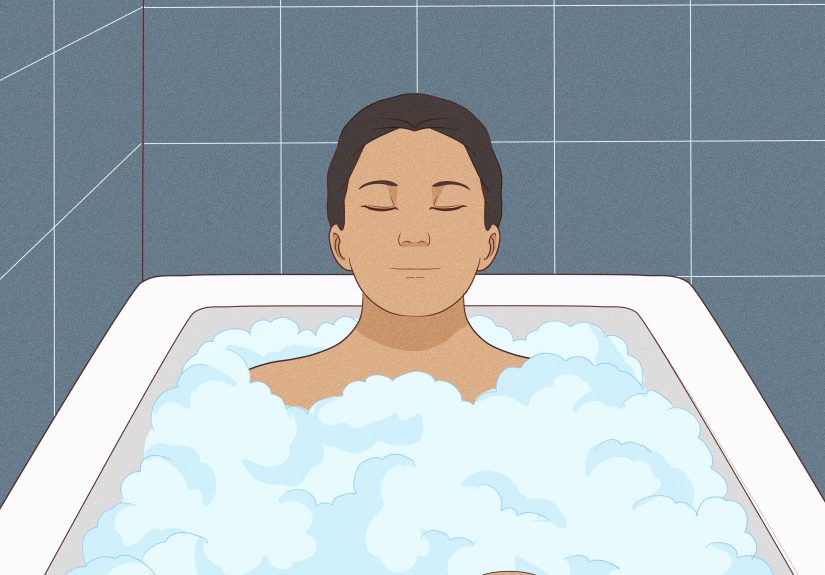
If there were a Hall of Fame for bad flooring decisions, wall-to-wall carpet in a bathroom would be on the first ballot.
Bathrooms are high-humidity rooms by nature. Steam from showers, water splashed near sinks, drips from tubs, damp bath mats, and limited ventilation all work against carpet. Even in a tidy household, bathroom floors get wet often. In a busy household, that floor does not merely get wet. It lives a hard life.
Why carpet is a bad idea in bathrooms
- It absorbs moisture from steam and splashes.
- It dries slowly, especially if the padding gets damp.
- It can trap odors and encourage mold or mildew growth.
- It is difficult to sanitize in a room where hygiene matters most.
Bathroom carpet also ages badly. It stains easily from beauty products, toothpaste, cosmetics, and cleaning chemicals. And while some people argue that carpet makes bathrooms warmer and less slippery, modern flooring gives you better solutions. Textured tile, waterproof vinyl, heated floors, and washable rugs can all offer comfort without turning the entire room into a moisture trap.
Better choice: Porcelain tile, ceramic tile, sheet vinyl, or waterproof luxury vinyl. If you want softness underfoot, use a washable bath mat that can be cleaned or replaced without ripping up the whole floor.
2. Kitchens
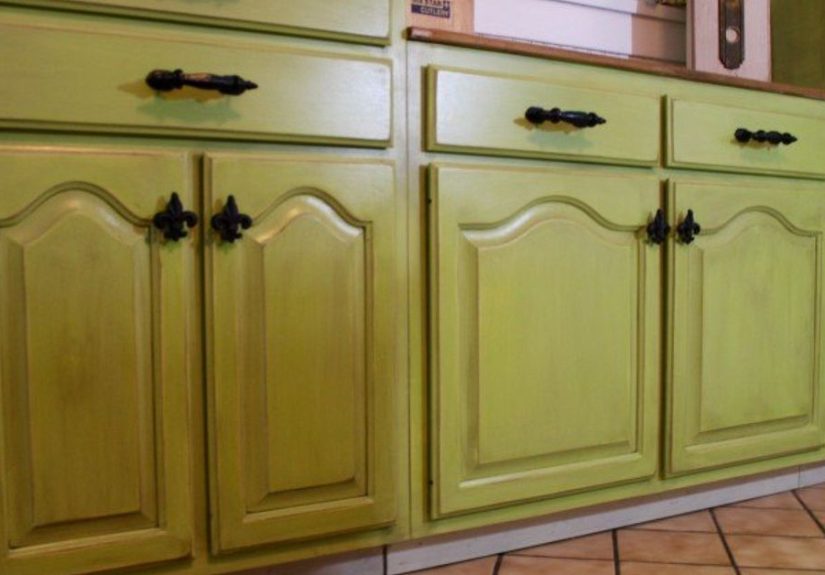
The kitchen is where dinner happens, but so do grease splatters, sauce drops, coffee spills, and the occasional egg that meets the floor before it meets the pan. Putting carpet in a kitchen is like wearing suede shoes to a water-balloon fight. Bold choice. Not a wise one.
Why carpet is a bad idea in kitchens
- Food and drink spills happen constantly.
- Grease and oil cling to carpet fibers.
- Crumbs settle deep into the pile and padding.
- Frequent cleaning is harder and less effective than wiping a hard surface.
Kitchens are also one of the busiest rooms in the house. Chairs scrape, people pivot, pets patrol for dropped snacks, and appliances occasionally leak. Carpet in this setting does not just get dirty; it gets defeated. Even a careful cook cannot prevent every spill, and unlike tile or vinyl, carpet cannot be quickly wiped clean and returned to dignity.
There is also a resale angle. Many buyers see carpet in a kitchen and immediately add “replace flooring” to their mental to-do list. So even if you love the idea, future buyers may look at it and see cost, maintenance, and cleanup problems.
Better choice: Luxury vinyl plank, sheet vinyl, tile, or sealed engineered materials designed for kitchen traffic. These options give you easier cleaning, better water resistance, and a look that still feels stylish.
3. Laundry Rooms
Laundry rooms may look innocent. They are usually smaller, quieter, and less dramatic than kitchens or bathrooms. But make no mistake: they are moisture-risk zones wearing a cardigan.
Washers leak. Hoses fail. Detergent drips. Wet clothes get dropped. Humidity builds up. Dryers create lint and heat. If your laundry room doubles as a utility room or mudroom, the floor takes even more abuse. Carpet in this environment is not just inconvenient. It is one appliance hiccup away from becoming an expensive regret.
Why carpet is a bad idea in laundry rooms
- Leaks can soak the carpet and padding fast.
- Detergent and bleach spills can stain or damage fibers.
- Lint and dust are harder to remove thoroughly.
- Moisture plus limited airflow can create odors over time.
The problem with laundry-room carpet is not that it always fails. It is that when it fails, it fails big. A small unnoticed leak can seep beneath the carpet, affect subflooring, and create a mold or mildew problem long before you see obvious damage. Hard flooring gives you a fighting chance. You can spot leaks faster, clean messes immediately, and avoid moisture settling into a padded underlayer.
Better choice: Tile, waterproof vinyl, or sealed concrete. These materials hold up to utility use and make it easier to spot and address water problems before they become costly repairs.
4. Mudrooms and Entryways
Mudrooms and entryways exist to catch the mess the outdoors is trying to bring inside. That job description alone should tell you everything you need to know about carpet here.
These spaces collect rainwater, mud, sidewalk salt, leaves, pet paw prints, wet umbrellas, and the mysterious grime that appears on shoes after a perfectly normal walk to the mailbox. Carpet in an entry zone becomes a dirt archive. Not a charming one. More like a gritty biography of your week.
Why carpet is a bad idea in mudrooms and entryways
- It traps dirt and grit from shoes.
- It stays damp after rain or snow.
- It wears down quickly in high-traffic zones.
- It is harder to keep looking clean, even with regular vacuuming.
Salt and grit are especially rough on carpet fibers. Over time, they grind into the surface and cause visible wear. Add repeated moisture, and the area starts to smell less like “welcoming foyer” and more like “forgotten soccer bag.”
Entryways benefit from flooring that can be swept, mopped, and dried quickly. If you want warmth or softness, an indoor-outdoor rug or washable runner is a much smarter move than full carpeting. That way, you can shake it out, hose it down, or replace it when life inevitably gets messy.
Better choice: Porcelain tile, stone, luxury vinyl, or other durable hard-surface flooring. Add a removable rug for comfort and traction.
5. Basements
Basements are a little trickier than the other rooms on this list because not every basement is the same. Some are dry, finished, and climate-controlled. Others are one heavy rain away from a stressful phone call. But as a general rule, wall-to-wall carpet in basements is risky.
Why? Because basements tend to be more moisture-prone than above-grade rooms. Even without a dramatic flood, they can deal with humidity, condensation, cooler slab temperatures, and occasional seepage. Carpet on a basement floor can hold onto that dampness, especially if it sits over a concrete slab. That is not a recipe for freshness.
Why carpet is a bad idea in basements
- Basements are more vulnerable to moisture and humidity.
- Concrete slabs can transfer coolness and dampness.
- Flooding or seepage can ruin carpet quickly.
- Odors can linger if moisture gets trapped underneath.
Yes, some homeowners still use carpet tiles in carefully managed basements because they are affordable and softer than hard surfaces. But for a full-room flooring choice, hardier options usually make more sense. Even if your basement has never flooded, flooring should be chosen based on risk tolerance, not optimism. Hope is not a waterproofing system.
Better choice: Sealed concrete, tile, waterproof vinyl, or basement-rated flooring systems. If you want softness, add area rugs that can be lifted, cleaned, or replaced as needed.
When Carpet Does Make Sense
By now, carpet may sound like it should be banished from civilization. Not so fast. Carpet still works beautifully in low-moisture, comfort-focused spaces like bedrooms, certain family rooms, media rooms, and upstairs hallways. In those rooms, softness, warmth, and sound absorption can be a real advantage.
The key is matching the material to the room. Carpet is best where feet are dry, cleanup is straightforward, and the biggest household emergency is someone dropping popcorn during a movie.
What to Choose Instead of Carpet
If you are replacing carpet in one of the rooms above, here are some smart alternatives:
- Porcelain or ceramic tile: Excellent water resistance, easy to clean, very durable.
- Luxury vinyl plank or tile: Softer underfoot than tile, water-resistant or waterproof depending on product, budget-friendly.
- Sheet vinyl: Practical for utility-heavy spaces with fewer seams for water to sneak through.
- Sealed concrete: Tough, modern, and especially useful in basements or utility areas.
- Washable rugs: Great for adding comfort without committing the entire room to a high-maintenance surface.
Flooring is one of those decisions you live with every day. It deserves more thought than “This sample feels nice.” The right floor should fit the room’s workload, not just its color palette.
Common Homeowner Experiences With Carpet in the Wrong Rooms
Homeowners tend to discover the downside of bad carpet placement in very ordinary ways. It usually does not begin with a dramatic disaster. It starts with one damp bath mat that never quite dries, a kitchen spill that leaves a shadow even after cleaning, or a laundry-room drip that seems small until the room starts smelling strange two weeks later.
A common bathroom experience is the slow realization that the floor always feels slightly damp around the toilet, vanity, or tub edge. At first, people blame humidity. Then they blame the weather. Then they notice discoloration near the baseboards and wonder why the room smells like a towel that gave up on life three days ago. The problem is that carpet hides moisture better than it handles moisture. By the time the issue is obvious, the padding underneath may already be holding onto water and odors.
In kitchens, the regret tends to arrive as a collection of stains with personalities. A coffee spot near the breakfast nook. A grease mark by the stove. A faded patch where a cleaning product was a little too enthusiastic. Even homeowners who clean often find that kitchen carpet never really looks fully clean again because crumbs and spills work their way deeper than the surface. One holiday season, one spaghetti night, or one enthusiastic toddler with applesauce can turn the room into a long-term flooring cautionary tale.
Laundry rooms bring a different kind of frustration. People often say the carpet felt cozy or seemed harmless because the room was small. Then a washer hose loosens, a detergent bottle leaks, or wet clothes get piled on the floor during a rushed evening. What looked soft and inviting starts to hold onto smell and moisture. The worst part is not always the visible mess. It is the uncertainty underneath. Homeowners begin asking, “Did the subfloor get wet too?” That question is rarely followed by good news.
Mudrooms and entryways create the wear-and-tear version of the same lesson. These are the places where carpet gets beaten up by routine life: school shoes, dog paws, wet boots, delivery traffic, garden dirt, and whatever winter decides to fling at your front door. Many people try to stay ahead of it with constant vacuuming, but dirt in entry carpet is stubborn. It gets ground in. Over time, the area starts looking old long before the rest of the house does.
Basement carpet often inspires a false sense of security. A homeowner finishes the space, loves the warmth, and thinks everything is fine until one storm, one sump issue, or one stretch of high humidity changes the mood completely. Even if the damage is not catastrophic, the cleanup is rarely simple. That is why so many experienced homeowners end up saying the same thing after replacing it: they wish they had chosen a removable rug over a moisture-prone floor covering from the start.
Final Thoughts
If you want a simple rule for smart flooring decisions, here it is: do not put absorbent flooring in rooms that make messes for a living. Bathrooms, kitchens, laundry rooms, mudrooms, and basements all ask a lot from a floor. They need durability, fast cleanup, and resistance to moisture, stains, and heavy traffic. Carpet, for all its comfort, is just not built for that kind of job.
Save carpet for the places where comfort matters more than cleanup. In the rooms listed above, choose surfaces that can roll with real life and still look good doing it. Your future self, your mop, and possibly your nose will thank you.