Table of Contents >> Show >> Hide
- Meet the 5 Main Types of Cleaning Sponges
- 1. Cellulose Sponges – The Everyday Workhorse
- 2. Abrasive Scrub Sponges – For Stubborn, Stuck-On Messes
- 3. Non-Scratch Scrub Sponges – Your Nonstick’s Best Friend
- 4. Microfiber Sponges – For Polishing and Delicate Surfaces
- 5. Melamine “Magic Eraser” Sponges – For Stains, Not Everyday Dishes
- How to Choose the Right Cleaning Sponge for the Job
- Sponge Care 101: Keep It Clean, Not Gross
- Eco-Friendly and Specialty Alternatives
- Real-Life Experiences With Cleaning Sponges
- Bottom Line: Build a Smart Sponge Lineup
Walk into any cleaning aisle and you’ll see it: a rainbow wall of cleaning sponges staring back at you,
all promising to scrub, soak, polish, and “erase” your messes. But not all sponges are created equal,
and using the wrong one can mean scratched pans, dull countertops, or a sponge that smells like it’s
plotting against you from the sink.
The good news? You don’t need a chemistry degree to pick the right sponge. Once you understand the main
types of cleaning sponges and where they work best, your dishes, counters, and bathroom tiles suddenly
get a lot easier to deal with. Let’s build your personal “sponge starting lineup” so you always have the
right tool for the job.
Meet the 5 Main Types of Cleaning Sponges
There are dozens of specialty sponges out there, but for most homes, these five will cover almost every
mess:
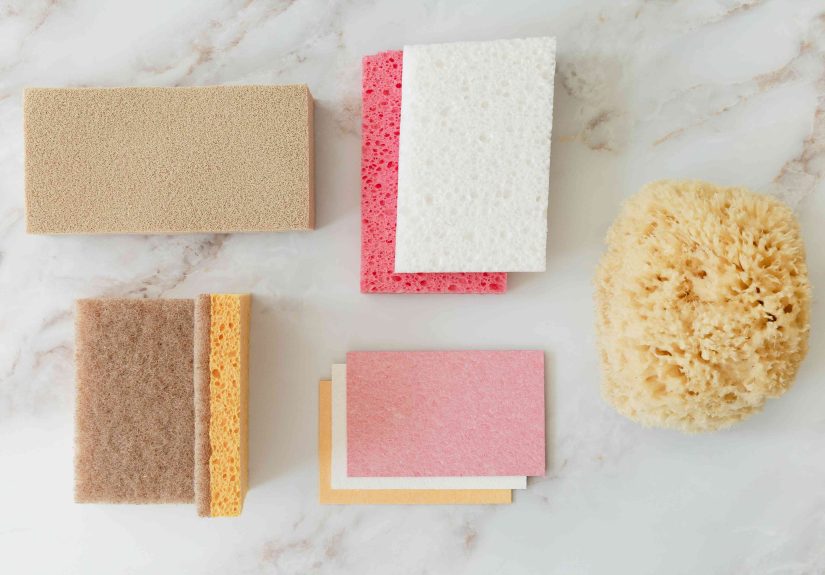
- Cellulose sponges
- Abrasive scrub sponges
- Non-scratch scrub sponges (foam & mesh)
- Microfiber sponges
- Melamine “magic eraser” sponges
Here’s what each one does best, what to avoid, and how to keep them from turning into tiny bacteria hotels.
1. Cellulose Sponges – The Everyday Workhorse
When you picture a “regular sponge,” you’re probably thinking of a cellulose sponge: soft, rectangular,
usually yellow or brightly colored. These are made from wood pulp, which gives them that springy texture
and impressive absorbency. They soak up spills fast, hold a lot of soapy water, and are biodegradable
if they’re 100% cellulose.
Best places to use cellulose sponges
- Wiping kitchen countertops and tables
- General dishwashing (sturdy plates, bowls, glasses)
- Soaking up spills on hard surfaces
- Light bathroom cleanup (sinks, counters)
Because cellulose sponges are so absorbent, they’re perfect for everyday cleaning jobs and are gentle
enough for most finishes, including delicate dishware when you’re not scrubbing hardened gunk.
When to be careful
- They can trap food bits and start to smell if they’re not rinsed and dried properly.
- They wear out faster if you use them on really rough surfaces.
For hygiene, experts recommend sanitizing and replacing kitchen sponges regularlyoften weekly or at
least every two to three weeksbecause their moist, porous structure can harbor bacteria like E. coli
and Salmonella.
2. Abrasive Scrub Sponges – For Stubborn, Stuck-On Messes
Abrasive scrub sponges are those familiar dual-layer sponges with a soft side and a rough, scratchy
scouring pad on the other. They’re usually made from polyurethane foam (the soft part) plus a plastic
or resin-based abrasive layer for serious scrubbing power.
Best places to use abrasive sponges
- Scouring stainless steel pots and pans (without nonstick coating)
- Scrubbing oven racks and stovetops
- Cleaning grill grates and outdoor furniture
- Removing soap scum on sturdy tile or porcelain
Think of these as your “heavy-duty cleanup crew.” When something is baked on, burned on, or just
aggressively stuck, the abrasive side earns its keep.
Surfaces to avoid with abrasive sponges
- Nonstick cookware (they can scratch the coating)
- Glossy or delicate finishes, like polished stainless, lacquered cabinets, and some plastics
- Natural stone countertops (granite, marble) that can be etched or dulled
- Glass cooktops, unless the manufacturer says it’s safe
If you’re ever unsure, test the abrasive side on a small, hidden area first. Once a surface is
scratched, there’s no “Ctrl+Z” in real life.
3. Non-Scratch Scrub Sponges – Your Nonstick’s Best Friend
Non-scratch scrub sponges are the peacekeepers of cleaning tools: they give you scrubbing power without
shredding delicate surfaces. These often look like foam sponges wrapped in a soft plastic mesh or made
with gentler synthetic fibers designed for scouring without scratching. Dobie pads and many “non-scratch”
labeled kitchen sponges fall into this category.
Best places to use non-scratch sponges
- Nonstick pans and ceramic-coated cookware
- Plastic food containers and kids’ dishes
- Glass cooktops (check manufacturer guidelines)
- Appliance surfaces (fridge doors, microwaves, dishwashers)
- Bathroom fixtures like faucets and shower hardware
These sponges are ideal for everyday dishwashing if you don’t want to baby every plate but still need
to be kind to sensitive coatings.
When they’re not enough
For seriously burned-on food or thick mineral deposits, a non-scratch sponge may not have quite enough
bite. In those cases, you might need a dedicated abrasive pad or a different tool, like steel wool or a
scraper, on surfaces that can handle it.
4. Microfiber Sponges – For Polishing and Delicate Surfaces
Microfiber sponges combine the cleaning power of microfiber cloths with the convenience of a sponge.
Microfiber fibers are extremely fine and can grab onto dust, grease, and tiny particles without needing
harsh chemicals. These sponges are usually softer and more flexible than traditional foam, and they’re
great when you need streak-free results.
Best places to use microfiber sponges
- Windows and mirrors (for streak-free shine)
- Stainless steel appliances (fridges, dishwashers, ranges)
- TVs, monitors, and electronics (use very lightly damp or dry)
- Glossy cabinet fronts and high-shine surfaces
- Dusting furniture and baseboards
Microfiber shines when you want to lift dust and fine grime rather than scrape off crusty buildup.
They’re also a good option if you’re trying to reduce chemical use, because microfiber can clean very
well with just water on many surfaces.
Things to keep in mind
- Don’t use microfiber sponges with super abrasive powders or cleaners; it defeats their gentle purpose.
- Wash microfiber separately if you toss them in the laundrythey cling to lint like it’s their full-time job.
5. Melamine “Magic Eraser” Sponges – For Stains, Not Everyday Dishes
Melamine sponges, often sold as “magic erasers,” are made from a special foam that acts like super-fine
sandpaper. Under a microscope, melamine foam has a hard, porous structure that can literally shave off a
tiny layer of materialalong with the stain. That’s why they can erase scuffs that regular sponges leave
behind.
Best places to use melamine eraser sponges
- Scuff marks on walls, doors, and baseboards
- Crayon, pen, or shoe marks (after testing a small spot)
- Built-up grime on light switches and door frames
- White sneakers and rubber soles
- Soap scum or mineral marks on some hard surfaces (test first!)
Where you should NOT use them
- Nonstick cookware or coated pans
- Glossy, painted, or varnished surfaces you don’t want dulled
- Natural stone countertops (granite, marble, quartz, etc.)
- Delicate plastics or soft metals
- Routine dishwashingthese are not everyday dish sponges
Because melamine sponges work by abrasion, treat them like very fine sandpaper: incredibly useful in
the right place, risky in the wrong one. Always test in a hidden spot first if you’re unsure.
How to Choose the Right Cleaning Sponge for the Job
If you’re staring at a mess and wondering which sponge to grab, run through this quick checklist:
- What’s the surface? Nonstick? Stone? Glass? Stainless? Delicate surfaces usually want microfiber or non-scratch sponges.
- How bad is the mess? Light everyday messes → cellulose or microfiber. Baked-on or caked-on → abrasive or melamine (on safe surfaces).
- Is hygiene a big concern? Kitchen and bathroom sponges should be sanitized and replaced more often than, say, a garage or outdoor sponge.
- Do you care about sustainability? Consider biodegradable cellulose, loofah, or reusable Swedish dishcloth-style options instead of plastic-heavy sponges.
In many households, a simple system works well:
- Cellulose sponges for daily dishwashing and counters
- One abrasive scrub sponge just for pots, pans, and heavy jobs
- A non-scratch sponge dedicated to nonstick and delicate cookware
- A microfiber sponge for glass and appliances
- A melamine sponge reserved for stains and scuffs only
Sponge Care 101: Keep It Clean, Not Gross
Kitchen sponges are famously one of the germiest items in the home. Studies have found that sponges can
harbor more bacteria than your toilet seat, thanks to trapped food bits, moisture, and warmth.
Tips to keep your sponges safer and fresher
- Rinse thoroughly after every use and squeeze out as much water as you can.
- Store sponges in a spot where they can dry quicklydon’t leave them sitting in the sink.
- Sanitize periodically by running them through the dishwasher on a hot cycle or soaking in boiling water for several minutes.
- Retire sponges regularly, especially kitchen ones. Weekly or every couple of weeks is a good rule of thumb.
- Assign different sponges to different zones (kitchen, bathroom, outdoor) and don’t cross-contaminate.
Some experts caution against microwaving sponges because of the risk of fire, especially if the sponge
contains a scrub pad with metallic fibers or isn’t fully saturated. Safer options include the dishwasher
or boiling water methods.
Also keep in mind that many synthetic sponges shed microplastics and may contain chemical additives, so
replacing them on schedule and considering more natural alternatives can be kinder to both your home and
the environment.
Eco-Friendly and Specialty Alternatives
Beyond the five core types of cleaning sponges, a few sustainable or niche options are worth mentioning:
-
Natural sea sponges: Made from harvested marine organisms, they’re highly absorbent and
long-lasting, and they biodegrade at the end of their life cycle. Great for gentle cleaning and even
personal care, as long as you rinse and dry them well. -
Loofah sponges: Technically dried plant fibers, not true “sponges,” but fantastic as a
more eco-friendly scrubber for dishes and some cleaning tasks. -
Swedish dishcloths: These cellulose-and-cotton hybrids act like a cross between a sponge
and a paper towel. They’re very absorbent, machine washable, and compostable when they wear out. -
Silicone scrubbers: Non-porous, quick-drying, and long-lasting, silicone “sponges” don’t
soak up water but can be great for dishwashing and reducing odor and bacteria buildup.
You don’t need to overhaul your entire cleaning arsenal overnight, but swapping a few traditional plastic
sponges for reusable or biodegradable versions can add up over time.
Real-Life Experiences With Cleaning Sponges
It’s one thing to read about sponge types in theory; it’s another to learn the hard way that your “all-purpose”
scrubber was absolutely not meant for your brand-new nonstick pan. Here are some real-world style lessons and
scenarios that show how choosing the right sponge can save time, money, and your sanity.
The nonstick pan tragedy
Picture this: you splurge on a new nonstick skillet, lovingly cook your first omelet, and then notice a small
brown patch that just won’t come off. You reach for the trusty abrasive scrub spongethe same one you use on
cast iron and stainless steeland you go to town. The spot eventually disappears… along with a good chunk of
the pan’s nonstick coating.
That’s the moment many people learn the difference between “scrub sponge” and “non-scratch scrub sponge.” Once
that coating is damaged, food starts sticking more easily, and the pan’s lifespan is shortened. A softer,
non-scratch sponge paired with a soak in warm, soapy water would’ve done the job without the expensive life
lesson.
The magic eraser that worked a little too well
Another classic story: someone discovers melamine “magic” sponges and becomes instantly obsessed. The wall
scuffs disappear. The light switches look brand new. The sneakers? Blindingly white again. Then, high on
cleaning power, they decide to try the magic eraser on a glossy painted door or a shiny appliance panel.
The stains do vanishbut so does the shine. The surface now looks oddly dull in one patch, like a weird matte
sticker was applied. That’s the abrasive nature of melamine foam doing its job a little too enthusiastically.
Once you realize these sponges essentially work like super-fine sandpaper, it becomes much easier to use them
strategically instead of treating them like a universal eraser.
The “Why does my kitchen smell like this?” mystery
Almost every household hits this point: the counters are clean, the sink is empty, the trash is out, and yet
something smells… off. The usual suspect? A worn-out cellulose kitchen sponge that’s been doing overtime with
minimal breaks.
Because cellulose sponges are so absorbent, they trap food debris and stay damp for a long time. If they don’t
get thoroughly rinsed and dried, bacteria multiply quickly and bring along that sour, funky odor. Once that
smell appears, it’s usually best to retire the sponge instead of fighting it. Many people find that sticking to
a regular replacement schedulelike changing out the main kitchen sponge every weekdramatically reduces
mystery smells and makes the sink area feel fresher overall.
The microfiber “a-ha” moment
Microfiber sponges and cloths tend to create “before and after” believers. Someone might spend years cleaning
glass with paper towels and general-purpose sponges, fighting streaks and lint, and then finally try a
microfiber sponge on a mirror or stainless steel fridge. Suddenly, the glass actually looks clear, and the
fridge doesn’t have cloudy wipe marks.
Because microfiber is designed to grab tiny particles instead of just pushing them around, it often gives much
better results with less effortand less cleaner. Once people see the difference on windows, mirrors, and
appliance doors, microfiber usually becomes a permanent part of their cleaning lineup.
The eco-upgrade that actually stuck
Switching from classic plastic-heavy sponges to more sustainable options can feel intimidating at first. But
many people find that once they give cellulose-heavy or loofah-style sponges a tryor add Swedish dishcloths to
the rotationthey don’t miss the old versions at all. The sponges last longer than expected, the garbage fills
up more slowly, and compostable options feel better to toss at the end of their life.
The key is treating sponge choices as a flexible toolkit, not a one-time decision. You can still keep an
abrasive scrub sponge for heavy-duty jobs while using a cellulose or natural alternative for everyday dish
duty, and reach for microfiber or melamine only when they truly shine. Over time, your cleaning caddy starts to
feel more intentionaland your surfaces (and cookware) will thank you for it.
Bottom Line: Build a Smart Sponge Lineup
Instead of grabbing whatever sponge is on sale and hoping for the best, think of your sponges as a small,
specialized team:
- Cellulose sponges for everyday cleaning and spill control
- Abrasive scrub sponges for tough, durable surfaces and baked-on messes
- Non-scratch sponges for nonstick cookware and delicate finishes
- Microfiber sponges for polishing glass, stainless steel, and dust-prone areas
- Melamine erasers for targeted stain and scuff removal
Choose the right sponge, use it where it performs best, and swap it out when it’s worn or smelly. A few
simple choices can give you a cleaner, fresher homeand far fewer “oops, I scratched that” moments.