Table of Contents >> Show >> Hide
- Why Transitional Winter Decor Works So Well
- 1. Evergreen Wreaths With Natural Texture
- 2. Garland That Feels Woodsy, Not Overdone
- 3. Candles and Lanterns That Add Instant Warmth
- 4. Cozy Throws and Pillows in Plaid, Wool, Velvet, or Bouclé
- 5. Natural Centerpieces and Decorative Bowls
- How to Make These Five Pieces Work Together
- Conclusion
- Real-Life Experiences With Winter Decor That Lasts From Thanksgiving to Christmas
Decorating for the holidays can feel a little like wardrobe planning for unpredictable weather: too autumnal, and your home looks like it’s still waiting for the pie to cool; too Christmas-specific, and your turkey may feel emotionally replaced. The sweet spot is winter decor that bridges both moments beautifully. Think pieces that feel warm, textured, natural, and festive without shouting “Santa moved in on November 3.”
If you want your home to look polished from Thanksgiving through Christmas, the smartest strategy is to choose decor that leans into the whole winter season instead of one single day on the calendar. That means evergreen elements, cozy textiles, soft lighting, natural textures, and centerpieces that can pivot with one or two tiny updates. A wreath doesn’t have to be covered in candy canes to feel holiday-ready. A plaid throw can look just as perfect next to a Thanksgiving charcuterie board as it does beside a mug of peppermint cocoa.
Below are five winter decor pieces that work hard, look good, and refuse to become irrelevant the minute the leftovers hit the fridge. These are the versatile players of holiday decorating: the sort of pieces that make guests think, “Wow, this house feels cozy,” instead of, “Whoa, Christmas tackled Thanksgiving in the driveway.”
Why Transitional Winter Decor Works So Well
The best transitional holiday decor follows one simple rule: decorate for mood first, holiday second. Thanksgiving is all about warmth, gathering, texture, and abundance. Christmas adds sparkle, greenery, tradition, and glow. Conveniently, those ideas get along very well. That’s why winter home decor that mixes natural materials, soft fabrics, layered lighting, and understated seasonal accents feels right for weeks instead of days.
It also makes life easier. You buy fewer one-note decorations, spend less time swapping your entire house from “harvest hostess” to “North Pole branch office,” and create a more elegant flow between late November and late December. Instead of boxing up one season and unpacking another, you just tweak the details. Add ribbon here, a few ornaments there, maybe a cranberry accent if you’re feeling dramatic. Done.
In other words, this is decorating for people who want a beautiful holiday home without turning the living room into a seasonal costume change.
1. Evergreen Wreaths With Natural Texture
Why They Work From Thanksgiving to Christmas
An evergreen wreath is one of the easiest transitional holiday decor pieces you can own because it already speaks the language of winter. Fresh or faux, a wreath made with pine, cedar, magnolia leaves, eucalyptus, or mixed greenery feels organic enough for Thanksgiving and festive enough for Christmas. Add pinecones, berries, dried orange slices, or a velvet ribbon, and it becomes even more versatile.
The trick is to avoid anything too theme-locked too early. A wreath covered in glitter snowmen? Adorable, but very December 25. A wreath with natural greens, seeded eucalyptus, soft bells, or neutral ribbon? That works all season long and looks just as good on a front door as it does above a mantel or layered over a mirror.
How to Style Them
For Thanksgiving week, keep the look restrained. Use a wreath with textured greenery and maybe a few pinecones or muted berries. If you want color, choose earthy burgundy, rust, olive, or warm cream ribbon instead of bright red. By the time Christmas rolls around, you can elevate the same wreath with a more dramatic bow, tiny string lights, or a few metallic ornaments tucked into the branches.
One especially pretty example is a magnolia-and-cedar wreath with a champagne velvet ribbon. It feels warm and Southern for Thanksgiving, then instantly reads Christmas once you pair it with candlelight and a garland nearby. That’s the kind of overachieving decor piece we respect.
2. Garland That Feels Woodsy, Not Overdone
Why Garland Earns Its Spot
If wreaths are the jewelry of winter decorating, garlands are the great cashmere coat. They pull everything together. A garland along a mantel, staircase, console, doorway, or kitchen shelf creates instant depth and softness. Best of all, it can be styled minimally in late November and built up later without starting from scratch.
Evergreen garland with pinecones, bare branches, dried fruit, berries, or subtle ribbon has enough seasonal charm for Thanksgiving tables and enough holiday presence for Christmas entertaining. It reads cozy, classic, and a little cinematic. Suddenly your entryway looks like the opening scene of a charming holiday movie where nobody is stressed and the pie crust always behaves.
How to Make It Feel Flexible
Start with a plain or lightly embellished garland in green, brown, cream, or muted metallic tones. Drape it loosely so it feels relaxed rather than stiff. Around Thanksgiving, let the texture do the work. Add wood bead strands, brass bells, pinecones, or woven ribbon if you want dimension. Once December arrives, layer in twinkle lights, velvet bows, or a few glass ornaments in a controlled color palette.
The most successful garlands usually mix at least two things: greenery and glow, greenery and texture, or greenery and natural accents. For example, a cedar garland with white lights and brown velvet ribbon looks sophisticated from end to end. A fuller pine garland with pinecones and dried oranges feels more rustic and nostalgic. Both are excellent choices if your decorating style is “I want this to feel expensive but I also have a grocery budget.”
3. Candles and Lanterns That Add Instant Warmth
Why Lighting Matters So Much
Nothing says “please stay awhile” like candlelight. Candles and lanterns are perhaps the most universally useful winter decor pieces because they do not belong to one holiday at all. They belong to atmosphere. And atmosphere, frankly, is carrying the entire holiday season on its back.
Taper candles, pillar candles, LED candles, storm lanterns, and glass hurricanes all create the kind of glow that works equally well for a Thanksgiving table, a Christmas mantel, or a random Tuesday in December when darkness arrives at approximately lunchtime. They soften a room, make everything feel more intentional, and add height to tablescapes and vignettes without cluttering them.
How to Use Them Well
For a transitional look, group candles in odd numbers and vary the height. Mix materials such as brass holders, wood trays, ceramic bases, or glass hurricanes. Then weave in seasonal elements around them: greenery, pinecones, nuts, dried fruit, or small branches. That combination feels elegant without becoming fussy.
Lanterns are especially handy in entryways, on porches, or beside a fireplace. A black metal lantern with an LED candle inside works from late fall through the entire winter season. Pair it with a small wreath, basket of logs, or cedar sprig and it suddenly looks styled instead of accidental. The same goes for a dining table centerpiece with ivory pillar candles, eucalyptus, and pinecones. It can look Thanksgiving-rich one week and Christmas-ready the next with the simple addition of ribbon or metallic accents.
If scented candles are part of your decor routine, choose fragrances carefully. Woodsy, cedar, amber, orange clove, vanilla, and fir all bridge the gap nicely. Save the hyper-specific gingerbread-cookie explosion candles for later unless you want your house to smell like a mall kiosk in a snowstorm.
4. Cozy Throws and Pillows in Plaid, Wool, Velvet, or Bouclé
Why Textiles Are the Secret Weapon
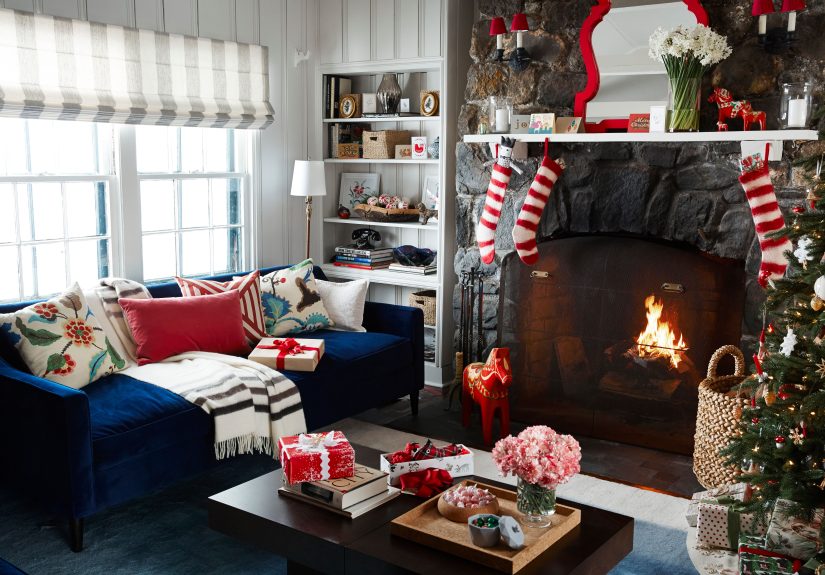
People often focus on tabletop decor and forget the room itself. But when you want a home to feel beautifully dressed from Thanksgiving to Christmas, textiles do a surprising amount of heavy lifting. Throws and pillows instantly shift a space into winter mode, especially when they bring in richer texture and slightly deeper color.
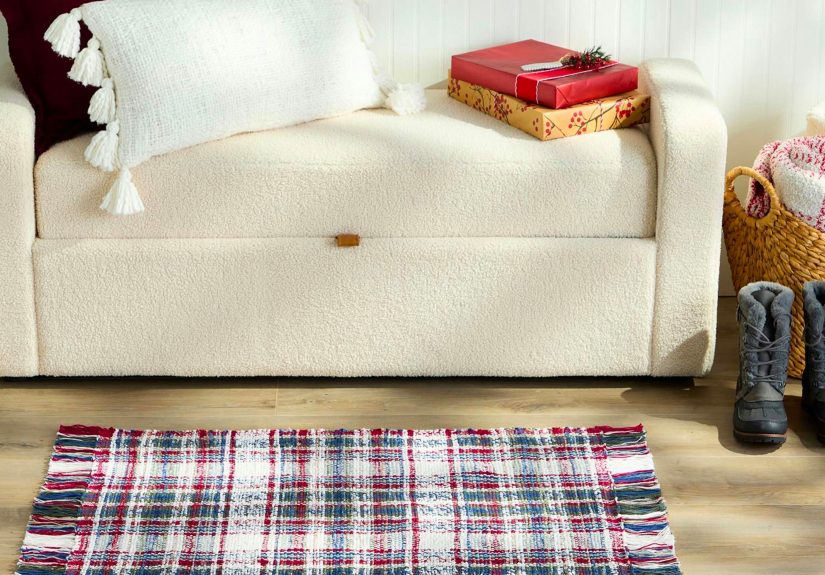
Plaid is an obvious favorite because it can skew autumnal, traditional, rustic, or festive depending on the palette. A camel-and-black plaid throw looks refined in November and still fits in December. So does a classic red tartan if you use it sparingly. Beyond plaid, wool textures, chunky knits, velvet pillows, faux fur accents, and bouclé pieces all add that layered, inviting look people associate with the holiday season.
How to Keep It Stylish
The goal is not to bury the sofa under enough pillows to require a map. Instead, swap in a few strategic pieces. Try one plaid throw over an armchair, one velvet lumbar pillow in forest green or cinnamon, and one cream bouclé pillow for contrast. That mix feels warm and seasonal without screaming for attention.
Neutral winter decor works especially well here. Ivory, oatmeal, taupe, evergreen, brown, charcoal, burgundy, and muted gold all transition beautifully. If you love brighter Christmas colors, introduce them as accents rather than the entire story. A room with creamy throws, natural wood, and a single tartan detail feels timeless. A room with six novelty pillows that say things like “Sleigh Queen”? That is a different emotional journey.
These soft goods also make your home feel hospitable in a practical way. Guests actually use them. Kids crawl under them during movie night. Someone inevitably steals one for post-dinner couch hibernation. Decor that looks pretty and gets used is always a smart investment.
5. Natural Centerpieces and Decorative Bowls
Why They Transition So Easily
If you only decorate one surface for the season, let it be the dining table or coffee table. A natural centerpiece or decorative bowl arrangement can carry your home from Thanksgiving dinner to Christmas brunch with almost no effort. The formula is simple: combine natural texture, layered height, and one unifying vessel.
That could mean a wooden dough bowl filled with pinecones and magnolia leaves, a low tray with candles and cedar sprigs, or a ceramic compote holding pomegranates, pears, walnuts, dried oranges, and evergreen clippings. These arrangements feel abundant enough for Thanksgiving, but once you add a little ribbon, metallic detail, or a few ornaments, they become fully holiday-ready.
How to Build One
Start with your container: wood, ceramic, woven rattan, brass, or glass all work beautifully. Then add a base layer of greenery or moss. Build in natural accents such as pinecones, branches, nuts, dried citrus, winter fruit, or seed pods. Finish with candles, bells, ribbon, or a few decorative objects.
For Thanksgiving, emphasize earthy abundance with pears, pomegranates, wood tones, and subtle candlelight. For Christmas, swap in deeper ribbon, tiny ornaments, or more evergreen. The bones stay the same. That’s the magic. You’re not rebuilding your decor; you’re just giving it a slightly more festive haircut.
This is also one of the easiest decorating categories to personalize. A modern home might prefer a sleek stone tray with white candles and cedar. A farmhouse-style room may lean into a wood bowl, pinecones, and plaid napkins nearby. A traditional home can add brass candlesticks and deep red accents. Same concept, different personality.
How to Make These Five Pieces Work Together
The beauty of these winter decor ideas is that they are better together. A wreath on the door echoes the greenery in your garland. Candles pick up the warmth in your textiles. A centerpiece on the table ties into the pinecones or ribbon you used elsewhere. Suddenly the whole house feels cohesive, which is a fancy design word for “it looks like you knew what you were doing.”
To make the look feel intentional, repeat materials and colors. If your wreath has velvet ribbon, use velvet in a pillow or table runner. If your centerpiece includes pinecones, echo them in the garland. If your throws are warm neutrals, keep your candles soft ivory instead of bright white. Repetition creates rhythm, and rhythm makes seasonal decorating feel elevated instead of random.
Conclusion
The best decor pieces for the stretch from Thanksgiving to Christmas are the ones that celebrate winter itself: greenery, glow, texture, and natural beauty. They feel festive without being overly specific, cozy without being cluttered, and elegant without requiring a full lifestyle rebrand. A wreath, garland, candles, layered textiles, and a natural centerpiece can carry your home through the whole season with style and very little decorating drama.
So if you want your house to feel ready for guests, movie nights, leftovers, gift wrapping, and the occasional slightly competitive cookie exchange, skip the overly themed approach. Choose flexible winter decor pieces, layer them thoughtfully, and let the season unfold around them. Your home will feel warm, welcoming, and beautifully put together from the first slice of pie to the last Christmas cookie.
Real-Life Experiences With Winter Decor That Lasts From Thanksgiving to Christmas
One of the most common experiences people have with holiday decorating is realizing they started too specific, too soon. They pull out bright-red Christmas signs in mid-November, step back, and suddenly the room feels like it skipped right over Thanksgiving dinner. That is usually the moment people start craving more balanced winter decor. They want the home to feel festive, but not as if the tree is impatiently checking its watch while the stuffing is still in the oven.
Homes that feel best during this stretch of the season usually rely on layers rather than loud statements. You notice it the second you walk in: a wreath that smells faintly woodsy, a soft plaid throw tossed over a chair, candles flickering on a console, maybe a bowl of pinecones and dried oranges on the table. Nothing is yelling. Everything is suggesting. The experience is calmer, richer, and far more inviting.
Hosts often say transitional decor also changes how they use their homes. When the decor starts at Thanksgiving and still works through Christmas, entertaining becomes easier because the space is already ready. You are not doing a complete decor swap between one major meal and the next. You might freshen the greenery, switch ribbon colors, add tiny lights, or tuck a few ornaments into the garland, but the foundation stays put. That makes the season feel less like a marathon of chores and more like an actual celebration.
There is also a practical comfort factor. A room with winter textiles and warm lighting invites people to settle in. Guests grab the throw blanket without asking. Someone lingers longer at the table because the candles make the room glow. Kids end up on the rug with hot chocolate while the adults talk too long in the kitchen. That is the kind of holiday experience people remember. Not whether the napkin rings matched the salad plate, but whether the room felt warm enough to stay awhile.
Another real-world lesson is that natural elements age better over the season than novelty decor. Pinecones, cedar, magnolia leaves, dried fruit, wool, velvet, and brass tend to look timeless across several weeks. They do not burn out visually after one event. In fact, they often look better as the season unfolds because they become part of the home’s rhythm. By early December, the wreath on the mirror and the garland on the mantel feel like they belong there, as if the house quietly slipped into its winter coat.
People with small homes or apartments especially benefit from this approach. When space is limited, every decor piece has to earn its square footage. A lantern on the entry table can work from Thanksgiving to New Year’s. A wreath in the window creates impact without taking up a surface. A festive pillow that still matches your everyday color scheme is far more useful than a bulky seasonal item you are already tired of by December 2.
Perhaps the best experience tied to these five decor pieces is emotional, not visual. Transitional winter decorating tends to feel slower and more intentional. You are not rushing to hit one holiday and then resetting for the next. Instead, your home gradually deepens into the season. Thanksgiving feels warm and gathered. Christmas feels glowing and layered. And throughout both, the house remains comforting, cohesive, and lived inin the best possible way.