Table of Contents >> Show >> Hide
- Why ‘90s Cartoon Characters Hit Different
- How This List Was Picked
- The 50 Legendary ‘90s Cartoon Characters
- Nickelodeon Icons (Kid Logic, Loud Personalities, Big Feelings)
- Cartoon Network Classics (Big Shapes, Bigger Comedy, Maximum Chaos)
- Disney Adventure & After-School Legends (Heart, Humor, and Hero Moments)
- WB/Fox Kid-Powered Chaos (Superheroes, Zany Studios, and Peak Theme Songs)
- Prime-Time & Edgier Icons (When Cartoons Started Roasting Everyone)
- What Makes a Character “Legendary,” Not Just Popular?
- Shared ‘90s Cartoon Experiences (The Extra Nostalgia Section)
- Wrap-Up: The Legends Live On
The 1990s didn’t just give us dial-up internet, neon windbreakers, and the belief that frosted tips were a personality.
It also gave us an animation renaissancean era when cartoons stopped being “just for kids” and started becoming
culture. The kind of culture that turns catchphrases into inside jokes, villains into Halloween costumes, and
theme songs into instant time machines.
This list isn’t about “best drawing style” or “most merch sold.” It’s about characters who became
stickythe ones who live in your brain rent-free, pop up in memes decades later, and still feel oddly
relevant when you’re arguing about snacks, friendships, and the unfairness of adulthood.
Why ‘90s Cartoon Characters Hit Different
The ‘90s were a perfect storm: cable exploded, networks competed for attention, and creators got room to be weird.
Nickelodeon leaned into kid logic. Cartoon Network turned shorts into icons. Disney polished adventure and heart.
Prime-time animation proved cartoons could be sharp, satirical, and occasionally unhinged (in the best way).
The result: characters with strong silhouettes, stronger personalities, and the kind of writing that worked on two
levelsone for kids, one for the adults “not watching” from the couch.
How This List Was Picked
- True ‘90s energy: Characters who defined the decade’s cartoon voice, humor, or style.
- Cultural staying power: If people still quote them, cosplay them, or argue about them onlinewelcome in.
- Variety: Nickelodeon chaos, Cartoon Network classics, Disney adventure, superhero drama, and prime-time satire.
The 50 Legendary ‘90s Cartoon Characters
Nickelodeon Icons (Kid Logic, Loud Personalities, Big Feelings)
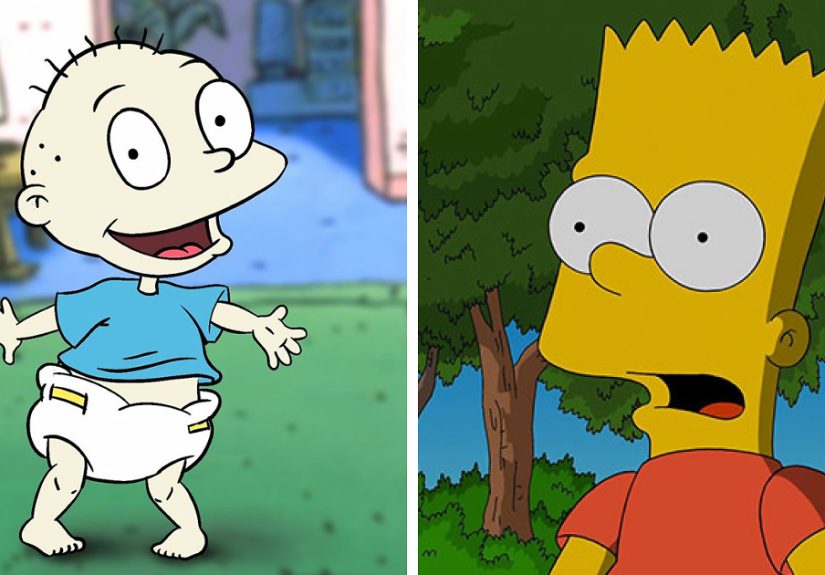
- Tommy Pickles (Rugrats) A tiny leader with a screwdriver and zero fear of furniture corners. If curiosity had a diaper, it was Tommy.
- Chuckie Finster (Rugrats) Anxiety in glasses, but brave anyway. The patron saint of “I’m scared, but I’m coming with you.”
- Angelica Pickles (Rugrats) A three-foot typhoon powered by ego. The blueprint for kid villains who are also… weirdly iconic.
- Reptar (Rugrats) A fictional dinosaur so famous he felt real. Basically the ‘90s equivalent of a cinematic universegreen and loud.
- Arnold Shortman (Hey Arnold!) The calmest kid in a city full of chaos. A walking reminder that empathy is a superpower.
- Helga Pataki (Hey Arnold!) Poetry, rage, and a heart she refused to admit existed. A complicated character before “complicated” was trendy.
- Gerald Johanssen (Hey Arnold!) The best friend with the best stories. If confidence wore a high-top fade, it looked like Gerald.
- Ren Höek (The Ren & Stimpy Show) A chihuahua fueled by chaos and overreaction. Ren didn’t do “calm.” Ren did “nuclear.”
- Stimpy (The Ren & Stimpy Show) Equal parts sweet and gross (a very ‘90s combo). A cartoon reminder that innocence can be… sticky.
- Rocko (Rocko’s Modern Life) A polite wallaby trying to survive modern weirdness. Basically the patron saint of “I just want a normal day.”
- Heffer Wolfe (Rocko’s Modern Life) A cow raised by wolves, living his best confusing life. Proof the ‘90s loved surreal identity jokes.
- Filburt Shellbach (Rocko’s Modern Life) Nervous, neurotic, and somehow relatable. He made overthinking look like an Olympic sport.
- Oblina (Aaahh!!! Real Monsters) Elegant monster, top-tier confidence. She could terrify you and judge your outfit at the same time.
- Doug Funnie (Doug) The original awkward narrator of middle school feelings. If journaling became a person, it was Doug.
- CatDog (CatDog) Two opposites, one body, endless problems. The ultimate metaphor for sibling arguments and internal conflict.
Cartoon Network Classics (Big Shapes, Bigger Comedy, Maximum Chaos)
- Dexter (Dexter’s Laboratory) A tiny genius with a massive ego and a secret lab. The ‘90s said: kids can do science… angrily.
- Dee Dee (Dexter’s Laboratory) The unstoppable force to Dexter’s immovable ego. She didn’t “ruin experiments”; she tested their durability.
- Blossom (The Powerpuff Girls) The leader: smart, brave, and occasionally stressed by the responsibility of saving Townsville before bedtime.
- Bubbles (The Powerpuff Girls) Cute, sweet, and secretly terrifying when pushed. The lesson: never underestimate the bubbly one.
- Buttercup (The Powerpuff Girls) Pure attitude with a side of heroism. Buttercup didn’t “play nice.” Buttercup played to win.
- Mojo Jojo (The Powerpuff Girls) A villain who weaponized vocabulary. Half evil plan, half dramatic monologue, all unforgettable.
- Johnny Bravo (Johnny Bravo) The pompadour, the sunglasses, the confidence that should’ve required a permit. A cartoon built on comedic delusion.
- Courage (Courage the Cowardly Dog) Terrified every second, heroic anyway. Courage proved bravery isn’t fearlessnessit’s doing the thing while screaming.
- Eustace Bagge (Courage the Cowardly Dog) Grumpy, greedy, and allergic to kindness. The human embodiment of “kids, get off my lawn.”
- Ed (Ed, Edd n Eddy) Lovable chaos with the strength of a wrecking ball and the logic of a dream you forgot after waking up.
- Edd (“Double D”) (Ed, Edd n Eddy) The cautious brain of the operation. A walking spreadsheet in a world that desperately needed one.
- Eddy (Ed, Edd n Eddy) A hustle in human form. If a jawbreaker could talk, it would say, “That’ll cost you.”
Disney Adventure & After-School Legends (Heart, Humor, and Hero Moments)
- Goliath (Gargoyles) A noble warrior waking up in modern New York with honor intact and zero patience for nonsense.
- Elisa Maza (Gargoyles) Smart, grounded, and fearless. She’s the human ally who never felt like a “side character.”
- Darkwing Duck (Darkwing Duck) A hero with dramatic flair and genuine heart. He didn’t just fight crimehe performed it.
- Launchpad McQuack (Darkwing Duck) A pilot with confidence and questionable landing technique. Somehow always helpful, often upside down.
- Baloo (TaleSpin) Part adventurer, part working adult with bills. The ‘90s said: yes, your bear hero can have financial stress.
- Kit Cloudkicker (TaleSpin) The kid co-pilot with big dreams and bigger energy. The ultimate “I can help!” character.
- T.J. Detweiler (Recess) Playground strategist, friendship MVP. He ran recess like it was a tiny democracy with snacks.
- Spinelli (Recess) Tough, loyal, and allergic to being underestimated. Spinelli made “don’t mess with my friends” a lifestyle.
WB/Fox Kid-Powered Chaos (Superheroes, Zany Studios, and Peak Theme Songs)
- Batman (Bruce Wayne) (Batman: The Animated Series) Noir vibes, moral code, and the coolest cape physics on television. Still the gold standard.
- Harley Quinn (Batman: The Animated Series) A character who exploded into pop culture. Mischief, tragedy, comedyHarley had range.
- The Joker (Batman: The Animated Series) Laughing menace with theatrical flair. A villain who felt dangerous without needing cheap shock.
- Wolverine (X-Men: The Animated Series) The gruff protector with claws and a surprisingly big heart. Basically: “I’m mad because I care.”
- Storm (X-Men: The Animated Series) Regal, powerful, unforgettable voice-of-the-weather energy. She made thunder feel like a personal statement.
- Yakko Warner (Animaniacs) Fast-talking ringmaster of chaos. Yakko didn’t just break the fourth wallhe remodeled it.
- Wakko Warner (Animaniacs) Snack-loving gremlin energy in the best way. Wakko was comedy at the speed of “wait, what?”
- Dot Warner (Animaniacs) Cute, sharp, and quietly in charge. Dot proved “adorable” and “deadly comedic timing” can coexist.
- Pinky (Pinky and the Brain) A lovable goof with unexpected wisdom. Pinky asked “narf” questions that somehow felt philosophical.
- The Brain (Pinky and the Brain) A tiny genius with world domination plans and an eternal frustration with reality. Honestly? Relatable.
Prime-Time & Edgier Icons (When Cartoons Started Roasting Everyone)
- Homer Simpson (The Simpsons) A walking disaster with a big heart. Homer made flawed adulthood weirdly… comforting.
- Bart Simpson (The Simpsons) The ‘90s troublemaker starter pack. Bart turned prank energy into an international brand.
- Daria Morgendorffer (Daria) Deadpan honesty, outsider clarity, and zero patience for fake stuff. The queen of unimpressed.
- Eric Cartman (South Park) A chaos engine in a winter hat. Love him or hate him, he became impossible to ignore.
- Hank Hill (King of the Hill) Earnest, practical, and accidentally hilarious. Hank made “normal” feel like a character choice.
What Makes a Character “Legendary,” Not Just Popular?
A legendary ‘90s cartoon character does at least one of these:
- They’re instantly recognizable (silhouette, voice, vibeno introduction needed).
- They represent something real (friendship, insecurity, ambition, jealousy, bravery, being a kid in a big world).
- They changed the game (new humor, new storytelling, new kinds of heroes and antiheroes).
And the best ones? They do all threewhile also making you laugh, gasp, or quote them at your friends for the next 25 years.
Shared ‘90s Cartoon Experiences (The Extra Nostalgia Section)
If you were around for ‘90s cartoons (or you’ve binge-watched them like a modern-day historian), you know the experience
wasn’t just the charactersit was the ritual. You didn’t casually watch cartoons. You planned your day around them
like they were important government meetings. Saturday mornings had a sacred vibe: a bowl of cereal that was 40% sugar,
60% optimism, and a TV schedule you treated like a treasure map.
There was the dramatic sprint to the living room when you heard the first seconds of a theme songbecause missing an intro
felt like missing the first chapter of a book. Commercial breaks weren’t “ads”; they were strategy time. Bathroom break.
Snack refill. Negotiations with siblings about who got the good spot on the couch. If you had to change the channel to avoid
spoilers or scary promos, you did it with the intensity of a bomb-defusal expert.
And then there were the blocksthose curated lineups that felt like communities. One hour could swing from silly to spooky
to heartfelt, and you’d roll with it. The same kid who laughed at a loud slapstick joke could get genuinely emotional over a
surprisingly deep episode about friendship, fear, or growing up. That emotional range is part of why the characters stayed with
people: they weren’t just punchlines; they were companions during the weirdest years of life.
School the next day turned into a cartoon debate club. People quoted catchphrases at lunch like it was a secret language.
You argued about who would win in a fight (usually involving lasers, claws, or a suspiciously well-aimed slingshot).
You tried to draw the characters in the margins of notebookssometimes successfully, sometimes creating a new abstract art movement.
Even the “scary” cartoons had a special place. You’d watch through your fingers, swear you’d never do it again, and then
tune in next week like, “Okay, but what if I’m braver now?” That’s the sneaky magic of characters like Courage or the darker
superhero casts: they made suspense feel survivable. They taught you that fear doesn’t automatically mean “run away.”
Sometimes it just means “hold on, breathe, and keep going.”
Fast-forward to now, and the experience has changedstreaming, clips, instant replaysbut the characters still work.
A good ‘90s cartoon character is basically timeless because the core emotions are timeless: wanting to belong, wanting to be
understood, wanting to be brave, wanting to be cool, wanting to be left alone with your snack and your peace.
Whether you met these characters in 1996 or 2026, they still feel like they’re speaking the same language: funny, honest,
a little chaotic, and weirdly comforting.
Wrap-Up: The Legends Live On
The ‘90s didn’t just produce cartoonsit produced personalities. Characters with sharp writing, bold design, and
unforgettable energy. They were silly, dramatic, heroic, sarcastic, brave, messy, andmost importantlyhuman, even when they
were a wallaby, a gargoyle, or a baby with a screwdriver.
If you found your favorite here, congratulations: you have excellent taste and a strong nostalgia immune system.
If you didn’t… well, that’s what re-watches are for.