Table of Contents >> Show >> Hide
- Why Secondhand Shops Create “Jackpot Moments”
- 50 Thrift Store Jackpot Finds (And What Made Them Valuable)
- How to Spot a Thrift Store Jackpot Without Becoming “That Person With 47 Random Plates”
- Conclusion
- Bonus: 10 Thrifting “Experience” Lessons That Make Jackpot Finds Way More Likely (About )
- SEO Tags
Thrift stores are basically real-life loot boxesexcept the soundtrack is a squeaky cart wheel and the NPCs are
politely fighting over a $6 blender. Most trips end with “cute mug, questionable decision,” but every so often?
Someone walks out with a thrift store jackpot: a designer label hiding under a weird cardigan, a rare collectible
mispriced like it’s 1997, or art that makes an appraiser whisper, “Where did you get this?”
Below are 50 true-to-life secondhand winssome pulled from headline-making stories, others from the kinds of
high-value thrift store finds experts consistently point out. If you love secondhand shopping, vintage treasure
hunting, or flipping a bargain into bragging rights, you’re in the right aisle.
Why Secondhand Shops Create “Jackpot Moments”
The resale universe has one rule: knowledge beats luckbut luck still does a cartwheel now and
then. Donations arrive fast, staff price for speed, and treasure often looks like… not treasure. A signed print
can resemble a dorm poster. Sterling can masquerade as “random forks.” A couture gown can sit beside Halloween
costumes like it lost a bet.
The best thrifters aren’t magicians; they’re just curious. They flip items over, look for maker’s marks,
notice weight and construction, and use quick tools (hello, Google Lens) to sanity-check what they’re holding.
That’s how a $5 buy becomes a “Wait…WHAT?” story.
50 Thrift Store Jackpot Finds (And What Made Them Valuable)
Art, Prints, and Paper Treasures
-
The “Divine Comedy” Dalí surprise. A thrift-store print that looked like nice wall décor
was later identified as a Salvador Dalí work from his Divine Comedy series. That’s not “cute frame”
moneythat’s “call someone who wears gloves” money. -
An Egon Schiele drawingyes, that Egon Schiele. A shopper picked up a drawing at a
Habitat for Humanity ReStore and experts later verified it as genuine, valued in the six figures. Imagine
buying art history next to used cabinet knobs. -
A Picasso print hiding in plain sight. One thrift shopper in Ohio spotted a piece that looked
different from the glossy posters and realized it might be authenticexperts discussed it as a possible signed
linocut with a much higher value than the price tag. -
The “least exciting-looking” wooden chair that ends up being the star. Plain, sturdy, good
joints, old repair workexactly the kind of understated find designers love because it’s built to outlive trends. -
Limited-edition lithographs that actually mean it. If it has an edition number (and feels like
real paper, not shiny poster stock), people have discovered prints worth far more than “$12 art corner” pricing. -
Gilded frames that are worth more than the art inside them. Ornate vintage frames can be wildly
expensive new, and sometimes the older ones are valuable on their ownespecially if they’re heavy, wood, and well-made. -
Original oil paintings by unknown artists. Not every canvas is a masterpiece, but original work
can elevate a spaceand occasionally, someone uncovers a signed piece with real collector value. -
“Signed” art that isn’t just a decorative squiggle. Some thrift shoppers score pieces with
identifiable signatures, then learn the artist has a collector market. Flip, research, repeat. -
Old police documents that belong in an archive. A thrift shop discovered a 1904 police docket
documenting local crimes (including reckless horse riding) and returned it to the police departmentpriceless history,
found between donated sweaters. -
Vintage maps that look like ephemera but sell like art. Road maps and travel prints can be framed
décoror collectible paper goodsdepending on age, rarity, and condition.
Furniture and Home Finds That Quietly Scream “Value”
-
Mid-century Italian design… for mid-week lunch money. A shopper spotted a Harvey Guzzini arc lamp
priced like a basic fixture and later learned it could be worth thousands in the vintage market. -
Side tables that are “boring” in the best way. Solid wood, clean lines, sturdy joineryexactly the
pieces people grab because they outclass a lot of flimsy new furniture. -
Wicker, rattan, and bamboo with the right shape. Natural materials age beautifully when they’re
still structurally sound, and midcentury bamboo pieces can carry surprisingly high resale value. -
Umbrella stands that become everything stands. Designers love these for storage and styling.
The jackpot is finding a heavy, well-made one that looks custom but costs like clutter. -
Pedestals that make anything look fancy. Put a plant on it, a sculpture on it, a bowl of lemons
on itsuddenly your room has “museum energy” for thrift-store prices. -
Architectural brackets and corbels. Found secondhand, they can transform a shelf or wall vignette,
and they’re often pricey to buy newespecially when they’re carved or vintage. -
Apothecary cabinets with tiny drawers. These are catnip for collectorsstorage + character + history.
When the wood and hardware are original, it’s a true score. -
Quilts with hand-stitched detail. Some quilts are heirloom-level craftsmanship and can be worth
far more than the “blanket section” suggests. -
Down pillow inserts. Not glamorous, but a thrifted down insert can make any throw pillow feel
instantly luxeone of the sneakiest “upgrade for cheap” wins. -
Wood furniture with unique legs. Turned legs, sculptural bases, or unusual silhouettes can signal
qualityand the right piece makes your room look like you hired someone with a mood board.
Kitchen, Glass, and “Wait, This Is Collectible?” Moments
-
Pyrex with the rare pattern. One person sees “casserole dish,” another sees a collectible. Certain
colors and patterns can sell for serious money, especially in excellent condition. -
Fiestaware in the right color. Vintage Fiestaware can be a collector’s rabbit holesome colors and
markings are far more valuable than others. -
Carnival glass that looks like a disco melted. That iridescent shimmer can be worth a lot, depending
on maker, color, and rarity. Bowls, vases, platesdon’t dismiss the rainbow glow. -
Murano glass that’s basically Italian confetti frozen in time. True Murano pieces (and Murano-adjacent
art glass) can fetch high prices, especially when the craftsmanship is obvious. -
Majolica pottery with bold glaze. Colorful, old, and often expensive in antique shops. In thrift stores,
it can be mispriced as “random bowl that’s kind of loud.” -
Roseville pottery with the telltale marks. Certain Roseville styles and markings are highly collectible.
The jackpot is finding it before someone else flips it over. -
Handmade ceramics with a maker’s signature. Flip it. Look for a stamp, initials, or artist mark.
Studio pottery can jump from “$8 vase” to “wow, this has a market.” -
Heath Ceramics that feels like California cool in your hands. People hunt these pieces because they’re
durable, iconic, and pricey newgreat thrift store find potential. -
Crystal vases that aren’t just “fancy glass.” Weight, clarity, cutsome crystal brands hold value,
and thrift pricing doesn’t always reflect that. -
Marble and stone décor that’s heavy enough to count as a workout. Real stone trays, vases, and accents
can be costly new and look high-end instantly.
Jewelry, Silver, and Watches (The “Check the Marks” Olympics)
-
Sterling silver that’s priced like stainless steel. Flatware, serving pieces, traysif it’s stamped,
it can be worth much more than the thrift tag suggests. -
Silver serving pieces with engraving or a monogram. Those details can add character (and sometimes
desirability), even if you’re not hosting a Victorian tea party. -
Bakelite bracelets that look like chunky plastic. True Bakelite can be collectible, especially in
rich colors. The best finds are the ones everyone else ignores. -
Jadeite that glows like retro mint ice cream. Certain jadeite pieces are beloved by collectors, and
thrift stores don’t always recognize the difference between “green glass” and “green gold.” -
Costume jewelry with real design pedigree. Some vintage costume pieces are sought after for their
craftsmanship and brandproof that “not diamonds” can still be valuable. -
The $2 Rolex story. A thrifter famously spotted a Rolex-branded watch at a bargain pricean extreme
example of why collectors never skip the jewelry tray. -
The Goodwill LeCoultre legend. A rare LeCoultre Deep Sea Alarm reportedly turned up at Goodwill for
a few bucks and later commanded a jaw-dropping pricebasically the Loch Ness Monster of thrift store finds. -
Gold that’s mislabeled as “costume.” The fastest check is weight plus hallmarks. When it’s real,
the resale value can turn a small spend into a meaningful payout. -
Old coins tucked inside donated containers. Sometimes the jackpot isn’t the itemit’s what’s hiding
inside it. Always check pockets, tins, and jewelry boxes (politely, of course). -
Brass animal figurines (the tiny statues with surprisingly big followings). Solid brass pieces can be
collectible décor, and designers often scoop them up fast.
Clothing, Textiles, and Designer “WaitThat’s the Label?” Wins
-
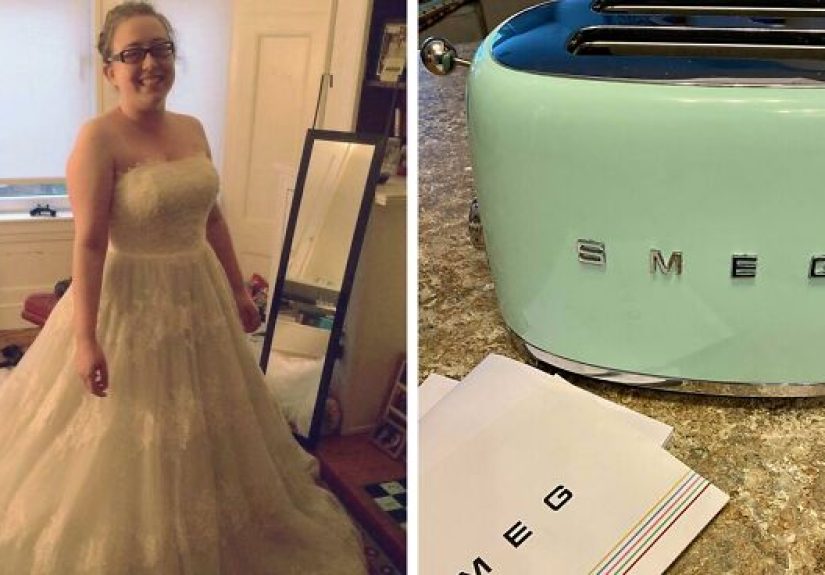
The $25 couture wedding dress. A Goodwill shopper found a designer Galia Lahav gown for $25 and later
discovered its original price was in the thousands. That’s not a dealthat’s a plot twist. -
Vintage house coats from the ’40s–’60s. These can be stylish, collectible, and surprisingly valuable
in the right conditionespecially when the fabric and details are still crisp. -
“Heavy” clothes that signal quality. Dense wool, tightly woven cashmere, and thick leather accessories
often outlast fast fashion by decadesand can resell well. -
Chore coats with serious heritage vibes. Certain vintage workwear brands and eras are in demand.
If it’s well-made and well-worn (in a good way), people pay for that story. -
Tablecloths that scream “grandma hosted and she meant it.” Vintage table linens can be collectible,
especially with iconic patterns or impeccable craftsmanship. -
Old fabric bolts and remnants. Sewists and designers love quality textiles. If it’s thick, natural
fiber, and interesting, it can be worth far more than its “random bundle” price. -
Vintage rugs with real wool and real character. Handmade rugs can be expensive new; secondhand finds
can offer incredible value if the pile and edges are still healthy. -
Sporting goods that are secretly collectibles. Vintage gearespecially from iconic eras or brandscan
be worth much more than the thrift tag, even if it looks like “old baseball stuff.” -
Hardcover coffee-table books with design cred. New art and interiors books can be pricey. Secondhand,
you can build a library for penniesand sometimes snag out-of-print gems. -
The $5 Goodwill plate that went to Sotheby’s. A shopper bought a rare Chinese export plate for $4.99,
got it validated, and it later sold at Sotheby’s for thousandsproof that the kitchen aisle can be a gold mine.
How to Spot a Thrift Store Jackpot Without Becoming “That Person With 47 Random Plates”
The goal isn’t to buy everythingit’s to buy the right things. High-value secondhand finds tend to share a few
traits: strong materials (solid wood, real stone, quality leather), clear maker’s marks, uncommon craftsmanship, or a
story you can verify quickly. The best thrifters do fast filters: flip it, feel it, and (if needed) search it.
Also: don’t underestimate condition. The difference between “jackpot” and “cute but no” can be a missing handle, a big
crack, or a stain that refuses to negotiate.
Bonus: 10 Thrifting “Experience” Lessons That Make Jackpot Finds Way More Likely (About )
People love to call thrift store treasure “pure luck,” but experienced thrifters will tell you luck has a schedule.
It shows up when you show upconsistently, strategically, and with your senses turned on. If you want more
secondhand shop jackpots (and fewer “why did I buy this?” moments), here are the habits that quietly stack the odds.
1) Learn two tests: weight and seams. In clothing, “heavy for its size” often signals dense wool,
quality cashmere, or serious leather. In furniture, weight can hint at solid wood instead of particle board.
In ceramics and glass, heft can mean better materials. It’s not perfect, but it’s a powerful first filter.
2) Flip everything. The bottom of a bowl, the back of a frame, the underside of a chairthis is where
the clues live. Maker’s marks, country of origin, material stamps (like sterling hallmarks), and even old labels
can turn “random object” into “oh, this is collectible.”
3) Master the 10-second research loop. If you’re unsure, use a quick image search or scan for the maker.
Don’t fall into a 20-minute rabbit hole while someone else scoops your item. Fast check: identify → confirm similar items
exist → note typical price range → decide.
4) Think in categories, not items. Jackpot thrifting gets easier when you know what you’re hunting:
mid-century lighting, studio pottery, designer labels, sterling serving pieces, vintage linens. If you walk in
without a category, everything looks like everything.
5) Condition is your quiet dealbreaker. Chips, cracks, missing parts, deep stains, warped wood
these can erase resale value fast. The pros don’t buy “projects” unless the upside is huge or the fix is simple.
If you can’t confidently clean or repair it, pass.
6) Build a “Yes List” and a “No List.” A Yes List keeps you focused (solid wood chairs, framed originals,
vintage textiles, brass, quality coats). A No List protects your wallet (obvious fast-fashion, broken electronics without
returns, anything that smells like it lost a battle to mildew).
7) Don’t ignore the boring sections. The best thrift store finds are often beige, dusty, and
aggressively un-Instagrammable on the shelf. That’s why they’re still there. Neutral wooden furniture, plain silver
trays, simple framesboring can be profitable.
8) Timing matters. Ask staff (politely) when new stock is put out. Some stores roll fresh carts during
certain hours or days. Showing up around restock times can mean first dibs before the good stuff gets cherry-picked.
9) Know your exit strategy. Are you keeping it, gifting it, or reselling it? If it’s resale, remember:
shipping costs, platform fees, and storage space are real. The best flips are high-demand items that are easy to list,
pack, and move.
10) Keep it fun. The thrill is the point. Yes, finding a rare plate or a designer gown is amazingbut
the habit that keeps you winning is enjoying the hunt without forcing it. The more relaxed your eye becomes, the more
quickly you’ll spot what doesn’t belong on that shelf.