Table of Contents >> Show >> Hide
If you’ve ever wandered down the candle aisle and thought, “Why does everything smell like Grandma’s linen closet?” you’ve already met lavender. This purple powerhouse isn’t just a pretty plant or a spa-day cliché. Lavender has a long history in herbal medicine and modern research is starting to catch up with what traditional healers have said for centuries: this fragrant herb can support sleep, stress relief, pain management, and more.
Of course, “natural” doesn’t automatically mean “good for everyone in any amount.” Health organizations like the National Center for Complementary and Integrative Health (NCCIH), Mayo Clinic, and Cleveland Clinic emphasize both the potential benefits and the real-world limits and safety concerns of lavender especially concentrated lavender essential oil.
Let’s walk through six of the most talked-about lavender benefits, what the science says so far, and simple, practical ways to use lavender safely in everyday life.
What Is Lavender, Exactly?
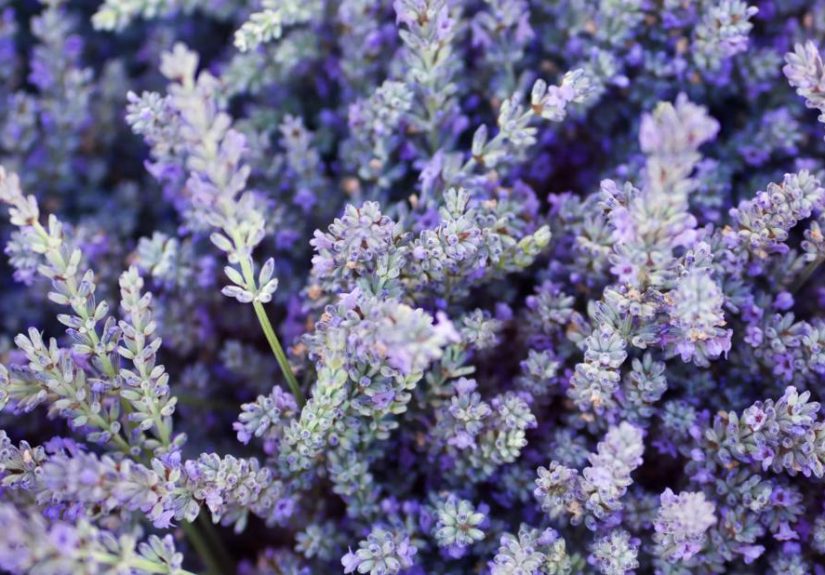
Lavender usually refers to Lavandula angustifolia, a small shrub in the mint family that’s native to the Mediterranean region. It’s grown worldwide today for its essential oil and for ornamental use in gardens, soaps, lotions, and home fragrances.
The part most people use is the flower, which contains aromatic compounds like linalool and linalyl acetate. These are thought to interact with the nervous system, helping explain why lavender aromatherapy is often linked with relaxation, improved mood, and better sleep.
Lavender can show up in several forms:
- Dried flowers (for tea, sachets, potpourri)
- Essential oil (highly concentrated, used for aromatherapy and diluted skin applications)
- Lavender-infused oils and creams
- Dietary supplements (capsules or extracts, typically used under professional guidance)
The 6 Big Lavender Benefits
1. Lavender May Support Better Sleep
“Lavender for sleep” has almost become a meme pillow sprays, bath salts, sleep masks, and diffuser blends are everywhere. But there is actual science behind the sleepy hype.
Several small studies and reviews suggest that inhaling lavender essential oil before bed can improve sleep quality in some people, particularly when combined with good sleep habits (dim lights, consistent bedtime, less screen time). Older adults, students, and hospitalized patients have shown modest improvements in sleep scores after lavender aromatherapy compared with control groups in clinical trials.
How might it work? The calming scent appears to affect brain areas linked to arousal and stress. Compounds like linalool may help nudge the nervous system toward a more relaxed state, making it easier to fall asleep and stay asleep.
How to use lavender for sleep
- Add 3–5 drops of lavender essential oil to a diffuser 30–60 minutes before bed.
- Make a linen spray by mixing a few drops of oil with water in a spray bottle, then lightly mist your pillow (avoid soaking it).
- Drink a cup of lavender or lavender-chamomile tea in the evening if your healthcare provider says it’s safe for you.
Pro tip: Lavender is not a cure for chronic insomnia. Think of it as a gentle ally that works best alongside healthy sleep routines, not instead of them.
2. Lavender May Reduce Pain and Inflammation
Lavender isn’t just about vibes it may also help dial down physical discomfort. Research suggests that lavender aromatherapy and topical use can modestly reduce certain kinds of pain, including postoperative pain, migraine intensity, and general aches.
Lavender contains flavonoids and coumarins, plant compounds with anti-inflammatory and antioxidant effects. These may help calm local inflammation and tweak pain signaling when used on the skin or inhaled during relaxation practices.
How to use lavender for pain relief
- For tension headaches: Inhale lavender from a tissue with a drop or two of oil, or use a diffuser while resting in a dark room.
- For sore muscles: Mix a few drops of lavender oil into a carrier oil (like jojoba or almond oil) and massage gently into the area.
- For general stress-related pain: Combine lavender aromatherapy with a warm bath, gentle stretching, or deep breathing.
Important: Lavender should not replace prescribed pain medicine for serious conditions, but it can be a complementary option in a broader pain management plan.
3. Lavender Can Help Ease Anxiety and Support Mood
If you’ve ever taken a deep breath of lavender and felt your shoulders drop an inch, you’ve experienced the core of this benefit. Lavender is one of the most widely studied essential oils for anxiety and stress.
Clinical studies and reviews have found that lavender aromatherapy and in some cases oral lavender preparations like Silexan may reduce symptoms of mild to moderate anxiety and improve overall well-being. Some trials show effects comparable to certain anti-anxiety medications in specific populations, though lavender is not a substitute for mental health treatment in more serious cases.
How to use lavender for stress and anxiety
- Add lavender to a diffuser while you journal, meditate, or practice slow breathing.
- Wear a lava stone or felt aromatherapy bracelet and add a drop of diluted lavender oil for on-the-go calm.
- Sip lavender tea during your “wind-down” time after work.
Oral lavender capsules may help some people with anxiety, but major organizations recommend using these only under professional guidance because of potential side effects and drug interactions.
4. Lavender May Relieve Menstrual Discomfort
Menstrual cramps have a special talent for showing up exactly when you don’t have time for them. Some research suggests lavender may help take the edge off that monthly discomfort.
In small clinical studies, women who used lavender aromatherapy or lavender oil massage over the lower abdomen during the first few days of their period reported lower pain scores than women who did not. While the data isn’t massive, the results are promising for a low-cost, low-risk strategy when used appropriately.
How to use lavender for menstrual cramps
- Combine a few drops of lavender essential oil with a carrier oil and gently massage over the lower abdomen.
- Use a heating pad and lavender aromatherapy together to create a multi-layer comfort routine.
- Pair lavender with other self-care tools: light stretching, herbal tea, and rest when possible.
If period pain is severe, sudden, or interfering with daily life, always talk with a healthcare professional. Lavender can complement care, not replace it.
5. Lavender Has Antimicrobial Properties
Long before modern disinfectants, lavender was used to freshen hospital wards and sick rooms. Today, lab and small clinical studies suggest lavender essential oil has antimicrobial and antiviral properties against certain bacteria and fungi.
This doesn’t mean a few drops of oil can handle serious infections, but lavender may help:
- Freshen surfaces as part of a homemade cleaning spray
- Support skin hygiene in diluted products like cleansers or toners
- Add a gentle antimicrobial boost to DIY soaps or bath soaks
How to use lavender for everyday cleaning
Try adding a few drops of lavender essential oil to a mixture of water, white vinegar, and a bit of castile soap in a spray bottle. Use it on counters or other hard surfaces (spot-test first), enjoying the clean scent while the vinegar and soap do the heavy lifting.
Remember: This is for light household use, not for sterilizing medical equipment or treating infections.
6. Lavender May Help Soothe Colic Symptoms in Babies
Parents of colicky babies will try almost anything for some relief and a little more sleep. Some research suggests that lavender oil, used carefully as part of an aromatherapy massage, may help reduce crying time and improve colic symptoms.
In these studies, caregivers massaged a heavily diluted lavender oil blend onto the baby’s skin while also providing the soothing touch of massage itself. The combination appeared to calm babies and reduce how long they cried each week.
How to approach lavender for colic with caution
- Always talk with your pediatrician before using essential oils on or around infants.
- Use only very low concentrations in a carrier oil, if your child’s provider approves.
- Watch closely for skin irritation, breathing problems, or any adverse reaction. Stop immediately if anything seems off.
Gentle rocking, swaddling, and feeding adjustments remain the foundation of colic care. Lavender is a possible “nice extra,” not the main treatment.
How To Use Lavender Safely
Because lavender is so popular, it’s easy to assume it’s completely risk-free. That’s not quite true. Major medical organizations emphasize a few safety guidelines.
General Safety Tips
- Always dilute essential oil. Pure lavender oil is highly concentrated. For adults, typical skin dilution is about 1–2% (roughly 6–12 drops per ounce of carrier oil).
- Don’t ingest lavender essential oil unless directed by a qualified professional. Oral use can cause stomach upset, headache, or drug interactions, and isn’t considered safe for children or during pregnancy.
- Patch-test before skin use. Apply a small amount of diluted oil on a small area and watch for redness, itching, or irritation.
- Be extra cautious with kids. Essential oils can cause skin reactions and breathing problems in children; always consult a pediatrician first.
- Avoid undiluted contact with eyes, nose, and sensitive areas. If it gets in the eyes, flush with plenty of water and seek care if irritation persists.
When To Talk With Your Healthcare Provider
Check in with a doctor, midwife, or pharmacist before using lavender if you:
- Are pregnant or breastfeeding
- Have asthma, allergies, or sensitive skin
- Take medications for anxiety, depression, seizures, or blood pressure
- Plan to use oral lavender supplements
Lavender may interact with certain medications or underlying conditions, so it’s always wise to get a quick professional opinion.
Real-Life Lavender Experiences: How It Feels to Use It
Research is important, but so is real-world experience. If you talk with people who use lavender regularly, you’ll hear a familiar pattern: “It doesn’t magically fix everything, but it helps me feel just enough calmer to handle the rest.” Here are a few common ways people fold lavender into their routinesand what it actually feels like in daily life.
A Tiny Bedtime Ritual That Signals “Off Duty”
Imagine you’re finally done for the day. Laptop closed. Dishes handled… mostly. Instead of doom-scrolling until your brain buzzes, you flip on a small diffuser with lavender oil about 30 minutes before bed.
At first you barely notice anything. But as you wash your face and change into pajamas, the room slowly takes on that soft, herbal-floral scent. You’re not knocked out like a sedative commercial, and you definitely still remember all your to-do items. But the whole scene feels a little more like a cue: “Hey, you’re off the clock now.”
By the time you actually crawl into bed, that scent is now part of your brain’s “time to wind down” file. Over a few weeks, the association gets stronger. Lavender + dim light + quiet = sleep mode. The plant isn’t doing all the workyour routine isbut lavender becomes the friendly soundtrack that helps you stick with it.
Lavender and Period Pain: Not a Cure, But a Comfort
On a day when cramps hit hard, you might mix a few drops of lavender into a carrier oil, rub it over your lower abdomen, and then lie down with a heating pad. Ten minutes later, the pain hasn’t vanished, but it feels less sharp, more like background noise than a front-and-center emergency. The scent pulls your attention away from the discomfort and toward your breathing and body warmth.
Is it the massage? The heat? The lavender? Realistically, it’s all three. But the overall experience is what people describe: “I feel more cared for, less tense, and the pain feels more manageable.”
Parenting, Colic, and the Power of Small Wins
Now picture a tired parent whose newborn just will not stop crying in the evenings. After getting the pediatrician’s OK, they try a very diluted lavender oil massage as part of a night routinefeed, burp, swaddle, gentle massage, lullaby. On the nights when baby calms a bit faster and stays settled a touch longer, it feels like a miracle, even if the difference is just 10–15 minutes of less crying.
Is lavender “the fix” for colic? No. But for that exhausted parent, the combination of touch, warmth, scent, and routine becomes a small pocket of hope and connection in a very intense season of life.
Lavender as a “Micro-Pause” During Stressful Days
People who keep a tiny roller bottle of diluted lavender oil at their desk often describe it as a “micro-pause button.” A tough email arrives; instead of firing back immediately, they roll a bit on their wrists, take three slow breaths, and then respond. The lavender doesn’t rewrite the email, but it buys them a few moments of spacea short reset that can change the tone of the whole conversation.
In all of these stories, lavender isn’t a hero that swoops in to cure disease. It’s more like a supportive side character that makes healthy habits feel a little easier, bedtime a little gentler, and stressful moments slightly more manageable. Used wisely and safely, that’s often exactly what we need.
Bottom Line on Lavender Benefits
Lavender earns its reputation as a multitasking herb: studies suggest it can support sleep, reduce certain kinds of pain, ease mild anxiety, help with menstrual discomfort, offer some antimicrobial action, and even play a role in calming colicky babies when used appropriately.
Still, it’s not a miracle cure. The evidence base, while encouraging, is often small and focused on short-term outcomes. Lavender works best when it complementsnot replacesmedical care, mental health support, and everyday healthy habits.
If you use lavender thoughtfully, keep safety in mind, and work with your healthcare provider when needed, this fragrant purple plant can become one of your favorite simple tools for relaxation and self-care.