Table of Contents >> Show >> Hide
- 1. Make the Bed the Star of the Show
- 2. Hang Curtains Like You Mean It
- 3. Layer Bedding Like a Boutique Hotel, Not a Laundry Pile
- 4. Upgrade the Lighting, Then Stop Relying on One Sad Ceiling Fixture
- 5. Cut the Clutter and Style the Room Like It Charges a Nightly Rate
- 6. Stick to a Cohesive Palette and Rich Materials
- Why These Tricks Work So Well
- What People Notice After Trying These Bedroom Upgrades
- Final Thoughts
Note: This article is a fully rewritten, publication-ready synthesis based on real designer guidance from reputable U.S. home and design publications. Source links are intentionally omitted for clean web publishing.
A bedroom does not need trust-fund wallpaper, a chandelier the size of a sedan, or sheets woven by moonlight to look expensive. In fact, the most luxurious bedrooms usually pull off a neat little magic trick: they look polished, calm, intentional, and just a tiny bit unfair to every other room in the house. You walk in and immediately think, “Wow, somebody here has their life together.” Even if that somebody ate crackers in bed last night and has three unmatched phone chargers in the nightstand.
According to designers, the secret to an expensive-looking bedroom is rarely about spending wildly. It is about editing, scale, texture, lighting, and creating a room that feels finished. A high-end bedroom does not scream. It does not wave its arms around. It simply sits there looking confident, like it has excellent taste and a standing hotel reservation somewhere fabulous.
If you want your space to feel elevated without accidentally building a Versailles-themed panic room, start with these six designer-inspired moves. They are practical, stylish, and far more achievable than “just renovate the entire primary suite.”
1. Make the Bed the Star of the Show
If your bedroom were a movie, the bed would be the lead actor. So if the bed looks underdressed, too small, or visually lost in the room, the whole space feels cheaper. Designers repeatedly emphasize creating a strong focal point around the bed, because the eye needs somewhere intentional to land.
Go bigger with the headboard
One of the fastest ways to make a bedroom look more expensive is to introduce a taller, more substantial headboard. An oversized or upholstered headboard adds height, presence, and softness all at once. It gives the room architecture, even if the walls themselves are plain. That is why designer bedrooms so often feature dramatic silhouettes behind the bed: arched shapes, channel tufting, wingback edges, or sleek upholstered panels that stretch wider than the mattress.
If a brand-new headboard is not in the budget, fake the effect. Mount curtain panels behind the bed, add a painted accent zone, or use oversized art above the headboard to visually anchor the space. The point is not necessarily extravagance. The point is gravitas. A bedroom looks pricier when the bed feels deliberate instead of accidental.
Keep the bed centered and balanced
Luxury bedrooms usually feel balanced. That often means centering the bed on the main wall and flanking it with matching or visually similar nightstands and lamps. Perfect symmetry is not mandatory, but some sense of order helps the room feel thoughtful. Random furniture placement tends to read as “still figuring things out,” while a centered bed reads as “yes, a designer has definitely had opinions here.”
Example: A simple upholstered headboard, two matching lamps, and one long lumbar pillow can do more for your bedroom than a dozen trendy accessories ever will.
2. Hang Curtains Like You Mean It
Nothing exposes a budget bedroom faster than skimpy curtains hung too low, too narrow, or too short. Designers love full-length drapery because it instantly makes a room feel finished, taller, and more custom. It is one of those upgrades that changes the entire vibe without requiring a full design identity crisis.
Hang them high and wide
The best trick is to mount curtain hardware close to the ceiling rather than right above the window frame. This draws the eye upward and makes the room look taller. Extending the rod wider than the actual window also makes the window appear larger and lets in more natural light when the curtains are open. In plain English: your room gets more drama and more sunshine, which is a lovely combination.
Choose fabrics with presence
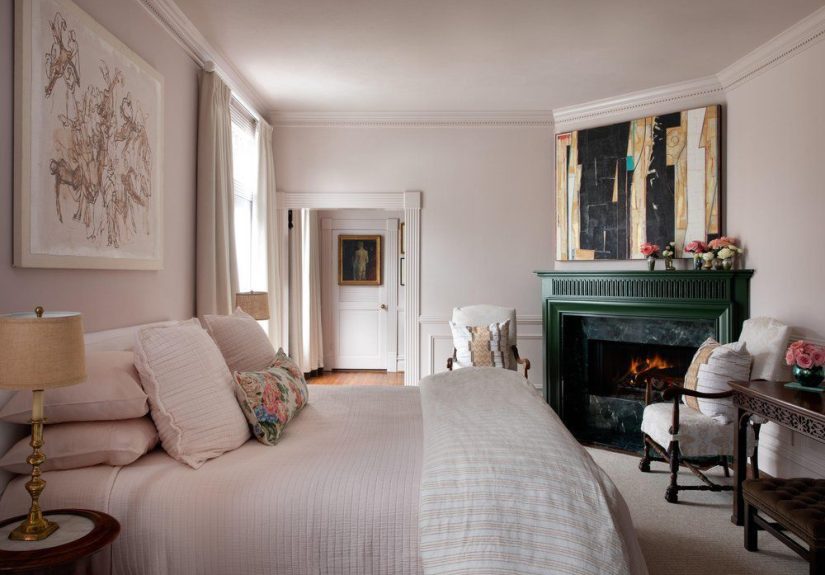
Linen, cotton blends, velvet, and lined panels all tend to look richer than thin, shiny fabrics that give off “college sublet” energy. In a bedroom, soft drapery is especially effective because it adds texture and hush. Even neutral curtains can feel luxurious when they are generously sized and allowed to kiss the floor.
If your bedroom already has blinds or shades, keep them for function and layer drapery over them for softness. That layered look feels designer-approved because it combines practicality with polish. It also helps the room feel intentionally styled rather than merely covered.
3. Layer Bedding Like a Boutique Hotel, Not a Laundry Pile
Expensive bedrooms almost always look comfortable. That sounds obvious, but plenty of people accidentally style their beds in one of two unfortunate ways: either flat and lifeless, or so overstuffed that sleeping seems hypothetical. Designers prefer bedding with depth, softness, and a little restraint.
Build the bed in layers
Start with quality-looking basics: crisp sheets, a duvet or coverlet, sleeping pillows, and a quilt or blanket folded at the foot of the bed. Then add one or two decorative layers, such as a lumbar pillow, a textured throw, or a coverlet in linen, matelassé, velvet, or cotton. These layered textiles create dimension, which makes the bed look inviting and elevated.
Texture matters as much as color. Even a neutral bedroom can feel rich when it mixes washed linen, smooth cotton, chunky knit, soft velvet, or quilted details. That is the difference between a beige room that looks intentional and a beige room that looks like it gave up.
Edit the pillow situation
You do not need fourteen decorative pillows arranged with military precision. In fact, too many pillows can make a bed feel fussy instead of luxurious. A cleaner, more expensive look usually comes from a thoughtful arrangement: sleeping pillows in matching cases, perhaps Euro shams for height, and one accent pillow or lumbar cushion to finish the composition.
Pro move: Stick to a cohesive palette for bedding, then let texture do the heavy lifting. Cream, taupe, slate, muted blue, soft olive, and warm white all tend to look refined when layered well.
4. Upgrade the Lighting, Then Stop Relying on One Sad Ceiling Fixture
If your bedroom lighting consists of a single overhead bulb blasting down like an interrogation scene, that is not ambiance. That is a cry for help. Designers consistently recommend layered lighting in bedrooms because it creates mood, function, and visual richness.
Use the three lighting layers
A well-designed bedroom typically includes ambient lighting, task lighting, and accent lighting. Ambient lighting is your main source, such as a flush mount, chandelier, or semi-flush fixture. Task lighting comes from bedside lamps, sconces, or reading lights. Accent lighting adds softness and dimension, whether through a small table lamp on a dresser, subtle wall lighting, or a glow that highlights art or architectural detail.
Once you layer those sources, the room instantly feels more expensive because it feels more intentional. Lighting is not just functional. It shapes how every other element looks. Better lighting makes bedding appear richer, wall color feel warmer, and the entire bedroom seem more serene.
Choose warm bulbs and better-looking fixtures
Warm light is your friend in a bedroom. Harsh cool-toned bulbs can make even lovely furniture look sterile. Meanwhile, bedside lamps with fabric shades, sculptural bases, or matching silhouettes frame the bed beautifully and make the room feel styled from every angle.
If your budget only allows one upgrade, replace builder-grade fixtures or mismatched lamps first. It is amazing how quickly a room starts giving “small luxury hotel” once the lighting stops giving “spare room above a dentist’s office.”
5. Cut the Clutter and Style the Room Like It Charges a Nightly Rate
Luxury bedrooms are rarely packed with stuff. That does not mean they are cold or empty; it means they are edited. Designers know clutter shrinks a room visually and emotionally. When every surface is crowded, nothing looks special. When a few pieces have breathing room, the whole room feels calmer and more elevated.
Clear the visual noise
Start with the obvious offenders: laundry chairs, overstuffed nightstands, charging cables in plain sight, stacks of random receipts, half-read paperbacks, and decorative objects that are not actually decorating. Expensive-looking bedrooms feel restful because they are not asking your eyeballs to do overtime.
Corral what remains. Use a tray on the dresser, a box for loose items, and concealed storage for practical clutter. Even small changes matter. A nightstand with one lamp, one book, and one dish for jewelry looks intentional. A nightstand with six mugs, tangled cords, and a hair clip from 2023 looks like reality. We are aiming for reality with better PR.
Add one or two large finishing touches
Designers often prefer a few substantial accessories over many tiny ones. A large mirror, a bench at the foot of the bed, an oversized vase with branches, or a properly scaled rug can make the room feel collected and complete. Small accessories can work, but too many of them create visual static.
The lesson is simple: edit hard, then add back only what supports the mood. In an expensive-looking bedroom, every object should either be useful, beautiful, or ideally both.
6. Stick to a Cohesive Palette and Rich Materials
One hallmark of a luxurious bedroom is cohesion. Not sameness, not boredom, not a room where every beige object has joined a committee. Cohesion simply means the materials, tones, and finishes make sense together.
Use a restrained color palette
Designers often lean toward warm neutrals, moody earth tones, soft blues, or tonal color stories in bedrooms because these palettes feel calming and sophisticated. A room can absolutely have color, but it usually looks more expensive when the palette is edited. Too many competing hues can make even nice furniture feel disconnected.
A refined palette also allows details to shine: the texture of the curtains, the shape of the headboard, the glow of the lamp bases, the softness of the bedding. When every piece is shouting, none of them sound expensive.
Mix materials that feel substantial
Luxury is often more about materials than labels. Wood, linen, cotton, velvet, leather, marble, glass, metal, and woven natural fibers all bring depth when used thoughtfully. Even one upgraded material can change the tone of the room. Swap a tiny synthetic rug for a larger woven one. Replace flimsy nightstands with something that has visual weight. Add a linen duvet cover instead of another trendy print that will age like a bad haircut.
Texture and finish are where budget-friendly rooms quietly become high-end-looking rooms. The smartest designer move is not cramming in more. It is choosing better and choosing fewer.
Why These Tricks Work So Well
What makes a bedroom look expensive is not a single item. It is the cumulative effect of good decisions. Height from the curtains. softness from the bedding. warmth from layered lighting. confidence from a strong focal point. calm from less clutter. depth from quality-looking materials. Once those pieces come together, the room starts to feel finished, and “finished” is often what people really mean when they say “expensive.”
That is also why a luxury bedroom on a budget is completely possible. You do not have to buy everything at once. In fact, it often looks better when you do not. Build it over time. Start with the biggest visual wins, like curtains, lamps, bedding, or a better headboard. Then refine from there.
The goal is not perfection. The goal is a bedroom that feels peaceful, polished, and a little indulgent every time you walk in. Basically, your bedroom should look like it drinks sparkling water and never loses its socks.
What People Notice After Trying These Bedroom Upgrades
One of the most interesting experiences people report after upgrading a bedroom this way is that the room starts feeling different long before it is technically “done.” That is the sneaky power of designer tricks. You hang the curtains closer to the ceiling, swap the old lamp for something warmer, add a textured quilt at the foot of the bed, and suddenly the room stops feeling temporary. It starts feeling owned. Not in the real-estate sense, but in the emotional sense. It feels like a place you chose on purpose.
Another common experience is that mornings become less chaotic. That sounds dramatic for a pillow discussion, but it is true. When the bedroom is less cluttered and the bed has a proper structure, the room becomes easier to reset. Making the bed takes two minutes instead of ten. Nightstands stop acting like tiny storage lockers. The space looks polished faster, which means you get the visual reward of a beautiful room without needing a full motivational speech every day.
People also notice that better lighting changes how they use the room. A single overhead light makes a bedroom feel purely functional. Add bedside lamps or sconces, and the room suddenly supports more than sleep. You read there. You unwind there. You actually want to be there. The atmosphere gets softer, and that softness affects mood more than most people expect. Expensive-looking bedrooms are often really just bedrooms that know how to calm you down.
There is also a confidence boost that comes from scale. A taller headboard, longer curtains, or a rug that is finally large enough can make the entire room feel more grown-up. People often realize they were not dealing with a “boring bedroom” problem at all. They were dealing with a proportion problem. Once the pieces fit the room properly, the whole space starts making sense.
And then there is the funny part: guests notice. Maybe not in a dramatic movie-scene way, but they notice. They say things like, “Your bedroom feels like a hotel,” or “This looks so put together,” or the ultimate compliment, “How did you make this room look so big?” Usually, the answer is not some secret luxury source. It is drapes hung higher, fewer things on display, bedding with texture, and lighting that does not feel like a supermarket aisle.
The best experience, though, is personal. A well-designed bedroom encourages you to take your own comfort seriously. It tells your brain that rest is not an afterthought. That sounds lofty, but good design often works on exactly that level. It changes behavior. People start putting laundry away because the room finally looks too nice to sabotage. They keep surfaces cleaner because the styling is simple enough to maintain. They become pickier about what enters the room, which is usually how a truly elevated space is created in the first place.
In the end, the expensive look is not just visual. It is experiential. It is the feeling of walking into a room that supports you, flatters the light, and does not ask you to ignore ten small annoyances at once. That is what designers are really creating. And thankfully, you do not need a celebrity renovation budget to borrow the same effect.
Final Thoughts
If you want your bedroom to look more expensive, do not chase every trend and do not assume luxury means spending recklessly. Start with the bed, add height with curtains, layer in texture, improve the lighting, remove clutter, and commit to a cohesive palette. Those moves work because they make the room feel intentional, restful, and complete.
In other words, the secret is not more stuff. It is better decisions. Which is annoyingly sensible advice, but also wonderfully affordable.