Table of Contents >> Show >> Hide
No yard? No problem. If you’ve got a sunny balcony, a stoop, or even a bright fire escape,
you’ve got space for a mini berry patch. Container-grown berries are one of the easiest (and
tastiest) ways to turn a small outdoor spot into a productive garden. With the right
varieties and a few simple techniques, you can snack on homegrown fruit all summer long
without ever setting foot in a traditional backyard.
In this guide, we’ll walk through six types of berries that are especially well suited for
container gardeningraspberries, blueberries, strawberries, blackberries, gooseberries, and
mulberries. You’ll learn how to pick the right varieties, what kind of pots to use, how to
water and fertilize, and how to keep your berry bushes healthy and productive for years.
Whether you’re a beginner gardener or someone who simply prefers not to dig up the lawn,
consider this your step-by-step playbook for growing juicy berries in pots.
Why Grow Berries in Containers?
Berries have a reputation for needing spacelong rows of canes, trellises, and carefully
prepared soil. But modern breeding and better container-growing know-how have changed the
game. Now, dwarf and compact varieties make it easy to grow berries on patios, decks, and
apartment balconies.
Key Benefits of Container-Grown Berries
-
Space-saving: Compact shrubs and dwarf canes fit comfortably into
5- to 20-gallon pots, making them ideal for small spaces. -
Better soil control: If your native soil is heavy clay, too alkaline, or
just plain terrible, containers let you customize the mix for each type of berry. -
Mobility: Move pots to chase the sun, shelter plants from storms, or tuck
them against a wall for winter protection. -
Fewer ground pests: Slugs, rabbits, and some soil-borne diseases are less
of an issue when plants are off the ground. -
Easy maintenance: Pruning, watering, and harvesting are all more
accessible when plants are at container height.
The secret to success is choosing the right berry types and varieties. Let’s look at the six
that shine brightest in containers.
1. Raspberries
Traditional raspberries love to spread, which can be a nightmare in garden bedsbut that
vigor is your friend in a big container. The trick is to choose compact, thornless, or
“patio” varieties designed specifically for pots.
Best Raspberry Types for Containers
-
Dwarf or patio raspberries: Look for varieties that stay under about
3 to 4 feet tall and have upright canes, which fit nicely in large pots or half barrels. -
Thornless varieties: These make pruning and harvesting much more pleasant
when you’re working at close range on a balcony or small deck. -
Primocane (everbearing) raspberries: These produce fruit on first-year
canes, so you can get harvests sooner and simplify pruning by cutting all canes down in
late winter.
Container & Care Tips for Raspberries
-
Use at least a 5- to 10-gallon pot with drainage holes. Bigger is better, especially if
you want a fuller plant. - Fill with a high-quality potting mix (not garden soil) enriched with compost.
- Place in full sunideally 6–8 hours per dayfor best fruiting.
-
Water consistently. Raspberries hate drying out in the heat but also dislike soggy roots,
so allow the top inch of soil to dry slightly between waterings. - Add a light, balanced fertilizer in spring and early summer to keep new canes vigorous.
With steady water and support (a simple ring or small trellis), container raspberries will
reward you with sweet, sun-warmed berries you can pluck by the handful.
2. Blueberries
Blueberries might be the poster child for container berries. They naturally grow as compact
shrubs, many varieties are specifically bred for container life, and their glossy leaves and
red fall color look good even when they’re not fruiting.
Choosing Blueberries for Pots
-
Dwarf/highbush hybrids: Look for compact varieties often marketed as
“patio” or “bushel” blueberries. These typically max out between 2 and 4 feet tall. -
Self-fertile, but happier with friends: Many blueberries can set fruit on
their own, but you’ll usually get bigger harvests if you grow at least two compatible
varieties. -
Match variety to climate: Some need more winter chill hours than others.
Check plant tags to make sure the variety suits your USDA hardiness zone.
Soil & Watering Needs
Blueberries are picky about one thing: soil pH. They prefer acidic soil, typically in the
4.5–5.5 range. Container growing makes that much easier to control.
-
Use a potting mix formulated for acid-loving plants (often sold for azaleas or
rhododendrons), or blend peat moss, pine bark, and perlite. - Choose a container at least 16–20 inches wide and deep, with excellent drainage.
-
Keep soil consistently moist but not soggy. Blueberries have relatively shallow roots and
don’t tolerate long dry spells in pots. -
Fertilize once or twice a year with an acid-specific fertilizer according to label
directions.
With their spring flowers, summer berries, and fiery autumn foliage, container blueberries
earn their keep visually and culinarily.
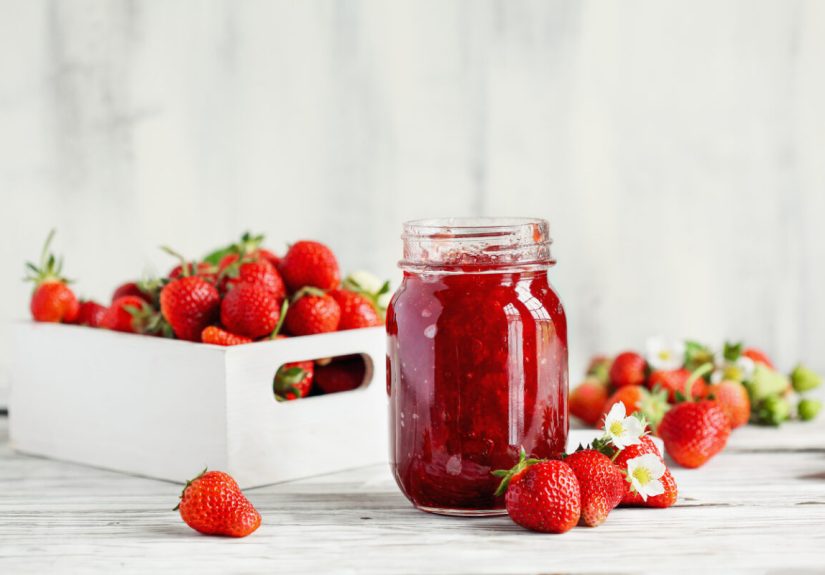
3. Strawberries
If you’re new to growing fruit, strawberries are the easiest berry to grow in containers and
one of the fastest to reward your efforts. They’re compact, adaptable, and happy in hanging
baskets, window boxes, strawberry jars, or classic pots.
Which Strawberries Work Best?
-
Day-neutral and everbearing types: These produce smaller but more frequent
flushes of fruit throughout the growing season. -
Compact varieties: Many modern strawberries are bred for container and
vertical growing systems, with shorter runners and good productivity in small spaces.
Container Strawberry Care
- Use a high-quality, well-draining potting mix and a container at least 8–10 inches deep.
-
Place plants so their crowns sit right at soil leveltoo deep and they may rot; too high
and they’ll dry out. -
Water frequently during hot weather. Container strawberries may need watering once or even
twice a day in midsummer because their roots are shallow and the soil dries quickly. - Feed lightly with a balanced or berry-specific fertilizer during the growing season.
-
Replace plants every few years if production declines, or root new runners to refresh your
containers.
If you love the idea of snacking on fresh strawberries right by your chair, tuck a pot next
to your favorite outdoor seat and consider it your built-in dessert bar.
4. Blackberries
Blackberries used to be a “big garden only” crop with sprawling, thorny canes. Recent
breeding has changed that, delivering compact, thornless varieties that grow more like
rounded shrubsperfect for containers.
Picking Container-Friendly Blackberries
-
Thornless, compact types: Look for varieties specifically labeled for
container growing or small spaces. These tend to form tidy mounds rather than long,
trailing canes. -
Primocane fruiting: Some modern blackberries bear on first-year canes,
offering earlier and often extended harvests.
Blackberry Potting and Care
- Choose a large containerat least 10–15 gallonsto give roots and canes room to spread.
- Provide a sturdy stake or short trellis if your variety sends up taller canes.
- Plant in rich, well-draining potting mix and top with mulch to help conserve moisture.
-
Water regularly, especially while the fruit is forming; drought stress leads to smaller,
less flavorful berries. -
Prune according to variety (floricane vs. primocane) to keep the plant productive and
manageable.
Container blackberries are surprisingly ornamental, toowhite or pink blooms in spring,
glossy fruit in summer, and arching canes that add structure to a patio.
5. Gooseberries
Gooseberries don’t get nearly as much attention as strawberries or blueberries, but they’re
incredibly well suited to container growing. These compact shrubs offer tart-sweet fruit
that’s perfect for jams, pies, and fresh snacking if you like a bold flavor.
Why Gooseberries Love Containers
-
Compact growth: Many varieties naturally stay small enough for medium to
large containers. -
Cool-climate friendly: Gooseberries often thrive in places too cool or
cloudy for other fruits to perform well. -
Shade tolerance: While they do best in full sun, gooseberries can handle
a bit of light shade better than some other berriesuseful on partially shaded balconies.
Gooseberry Growing Tips
- Use a container 12–18 inches deep with good drainage and a loamy, compost-rich potting mix.
- Water regularly but avoid waterlogging. Gooseberries prefer evenly moist soil.
-
Prune to an open shape to allow good light penetration and airflow, which helps prevent
mildew. - Watch for thorns when pruning and harvestinggardening gloves are your best friend here.
If you enjoy growing a few “unusual” crops to impress friends, a gooseberry in a handsome pot
is a great conversation starter and a terrific jam ingredient.
6. Mulberries
Mulberries are often thought of as big backyard trees, but dwarf varieties can live happily
in large containers. The payoff? An impressive quantity of sweet, slightly tangy berries
that taste like a cross between a blackberry and a grape.
Mulberries in Pots: What to Know
-
Dwarf varieties only: Look specifically for dwarf or patio mulberries if
you’re growing in containers. Standard trees get far too large. -
Large containers: Use a hefty pot20 gallons or moreso roots have room to
spread and the plant doesn’t tip over in wind. -
Full sun and warmth: Mulberries thrive in sunny, warm spots and make
excellent container trees in hot summer climates.
Mulberry Maintenance
- Water deeply when the top couple of inches of soil are dry, especially during fruiting.
-
Feed in spring with a slow-release fertilizer and refresh the top few inches of soil with
compost annually. -
Prune lightly after harvest to maintain size and shape, keeping the tree manageable for a
balcony or patio.
One small warning: mulberry juice stains sidewalks, clothes, and anything else it lands on.
Position the container where dropped fruit won’t be a problemor enjoy daily harvests before
the berries can hit the ground.
Essential Container Berry Care: Sun, Soil, and Water
While each berry type has its quirks, most container-grown berries share the same basic
needs. Think of this as your universal care checklist.
1. Sunlight
Most berries need at least 6 hours of direct sun per day to produce a good crop. More sun
usually means sweeter fruit. If your location is partially shaded, prioritize berries that
tolerate a bit less sun, such as gooseberries or some raspberries.
2. Soil and Drainage
-
Always use potting mix, not garden soil. Potting mixes are lighter and
drain better in containers. - Add compost to boost fertility and improve moisture retention.
- Ensure containers have drainage holes. If water pools at the bottom, roots can rot quickly.
- For blueberries, use an acid-forming mix or a blend specifically designed for acid lovers.
3. Watering
Container plants dry out faster than in-ground plants, and berries are particularly sensitive
to inconsistent moisture. Underwatering can lead to small, seedy fruit, while overwatering
can cause root problems and bland flavor.
-
Check soil moisture daily during hot weather by sticking a finger into the top inch of
soil. - Water when the surface is dry but the soil just below feels slightly damp.
-
Aim for consistently moist, not sopping wet, soilespecially while plants are flowering and
fruiting. -
Add a layer of mulch (like shredded bark or straw) to help retain moisture and keep roots
cool.
4. Fertilizing
Because nutrients leach out of containers with frequent watering, berries in pots usually
need more regular feeding than those in the ground.
-
Use a slow-release or organic berry fertilizer in spring, then supplement lightly during
the growing season as directed on the package. -
Avoid heavy feeding late in the season, which can push tender new growth right before
frost.
5. Winter Care
In cold climates, roots in containers are more exposed to freezing temperatures than roots
in the ground. To protect your plants:
- Group containers together against a building or fence for extra warmth.
- Wrap pots in burlap or bubble wrap, or bury them in leaves or mulch.
- Water sparingly but don’t let the soil completely dry out over winter.
Real-World Experiences Growing Berries in Containers
Container gardening looks glossy and effortless in photos, but real life has more “learning
moments”also known as mistakes. Here are some practical lessons and experiences that can
save you time, money, and a few wilted plants.
Lesson 1: Bigger Pots = Happier Berries
It’s tempting to squeeze a berry plant into whatever pot you have on hand, but undersized
containers are one of the top reasons patio berries struggle. In practice, raspberries or
blackberries in small pots dry out too quickly, topple in the wind, and become root-bound in
a season or two. Gardeners who upsize to sturdy 10- to 15-gallon containers usually see an
immediate improvement in vigor and fruit quality.
A good rule of thumb from experienced container growers: if the plant label says
“compact,” think “big-ish pot,” not “tiny.” Extra soil volume gives you a buffer against hot
days and missed waterings.
Lesson 2: Watering Is More Art Than Science
Most new container gardeners ask, “How often should I water?” The honest answer is,
“It depends.” A windy, 95°F day can dry out a container that stayed perfectly moist all week
when the weather was cool and cloudy. The best habit you can develop is checking moisture
with your fingers every day during the growing season.
Many gardeners find that strawberries and raspberries in smaller pots need water once a day
during heat waves, while larger containers might need it every other day. If you’re prone to
forgetting, a simple drip system or soaker hose connected to a timer can rescue your berry
patch and your peace of mind.
Lesson 3: Choose Varieties for Convenience, Not Just Yield
Sure, it’s fun to chase the variety that supposedly “yields the most pounds per plant,” but
in real-world patios and balconies, convenience matters more. Thornless blackberries are far
less intimidating to prune in a tight space. Compact raspberries that don’t need staking save
you from wrestling with canes and twine. Day-neutral strawberries give more frequent snacks
instead of one big flush that you can’t possibly eat in a weekend.
When you read plant tags or descriptions online, look for phrases like “compact habit,”
“suited for containers,” “thornless,” or “self-pollinating.” These are the quiet little
features that make everyday gardening much more enjoyable.
Lesson 4: Don’t Skip the Soil Upgrade
Reusing old potting soil year after year without refreshing it is a common shortcutand one
that catches up with berry plants fast. Over time, old mix compacts, drains poorly, and
loses nutrients. Experienced container gardeners usually refresh the top third of the soil
every year with fresh mix and compost, or repot the plant completely every few years.
This simple step can mean the difference between a tired shrub that produces a handful of
berries and a lush, productive plant that earns its space on your patio.
Lesson 5: Think Vertical and Visual
Container berries aren’t just about fruitthey’re also part of your outdoor décor. Tall
raspberries or blackberries can be used as living privacy screens when placed along balcony
railings. Cascading strawberries add softness to the edges of decks and stairs. A dwarf
mulberry in a handsome ceramic pot can be the focal point of a small courtyard.
Many gardeners start with berries for the harvest and end up keeping them for the look. The
flowers, foliage, and seasonal color shifts mean your “berry patch in pots” is doing double
duty as a mini landscape.
Lesson 6: Start Small, Then Scale Up
It’s easy to get excited and buy one of everything, but a smarter approach is to start with
one or two types of berries and learn their rhythms. Maybe you discover you love the flavor
of fresh blueberries and the structure of a dwarf mulberry but could live without gooseberry
thorns. Once you know what you likeand what thrives in your specific microclimateyou can
expand with more pots, more varieties, or larger containers.
The beauty of growing berries in containers is flexibility. You’re not locked into permanent
garden beds, so feel free to experiment. Shuffle pots around, try a new variety each season,
or dedicate one corner of your patio to a rotating cast of berry “stars.”
With the right containers, good soil, and a bit of daily attention, these six types of
berries can turn almost any outdoor space into a productive, beautiful, and surprisingly
low-maintenance fruit garden. And once you’ve tasted a sun-warmed strawberry or raspberry
straight from your own container, you’ll understand why so many gardeners become hooked on
growing berries in pots.