Table of Contents >> Show >> Hide
Let’s get something straight: your kitchen knife deserves a stage, not a sketchy glass‑like surface that screams, “Slice me once, I’ll crack in protest.” Choosing the right cutting board isn’t just about aestheticsit’s about performance, durability, knife‑friendliness, and yes, staying sane while prepping dinner at 10 p.m. That’s why we’ve rounded up the 8 best cutting boards of 2024, as tested by experts, so you can stop eyeballing warped plastic slabs and invest in something that really cuts it.
Why the cutting board matters (and how we narrowed the list)
According to independent test labs and food‑editor reviews, the top factors when choosing a cutting board are:
- Surface material & grain orientation end‑grain wood is gentler on blades than edge‑grain or typical plastic.
- Ease of cleaning and hygiene boards accumulate knives, food bits, bacteria, micro‑scratches.
- Durability and knife‑friendliness a quality board won’t dull your blade fast or warp under heavy use.
- Design features non‑slip feet, juice grooves, size that fits your countertop and sink.
When evaluating the picks that follow, I prioritized boards that: had strong lab or in‑home testing across trusted U.S. media (Food & Wine, The Spruce Eats, Allrecipes, etc.), offered a mix of materials and price tiers, and featured real‑world user notes on durability and maintenance.
The 8 Best Cutting Boards of 2024
1.
This board is consistently praised as a top wood choice in kitchens nationwide. Experts at Food & Wine found it strong, durable, and at a price point that made sense for many serious cooks. It’s reversible (double‑sided), uses edge‑grain maple, and gives you a comfortable work surface of 20×15 inches. Downsides? It’s heavy and requires hand‑washing and periodic oilingso don’t expect dishwasher convenience.
2.
For those who want “tough but kind to my blades,” this end‐grain acacia option checks the box. Editors at Serious Eats found its end‑grain surface helped preserve knife edgeseven after repeated use. It’s also a little lighter than bulky butcher‑block boards, making cleanup easier. The trade‑off: acacia can contain more silica, which may dull knives faster if poorly made. Still, this one passed the test.
3.
This is a specialty board: high‑end, professional‑grade, often favored in serious knife circles. While it may be overkill for casual chopping, if you’re prepping for a lot of slicing (or have premium knives), the “Hi Soft” finish preserves your edge and gives you a premium feel. Various review videos and tests include it in “what to buy if money is no object” lists.
4.
Want a solid middle ground between budget and premium? This acacia end‑grain board hits that sweet spot. With anti‑slip feet, a juice groove, and generous size (16×12-ish inches), it’s perfect for day‑to‑day home cooking. While not as long‑term tested as ultra‑premium models, it embraces many of the features experts say matter. For instance: juice groove and end‑grain design that protects your knives.
5.
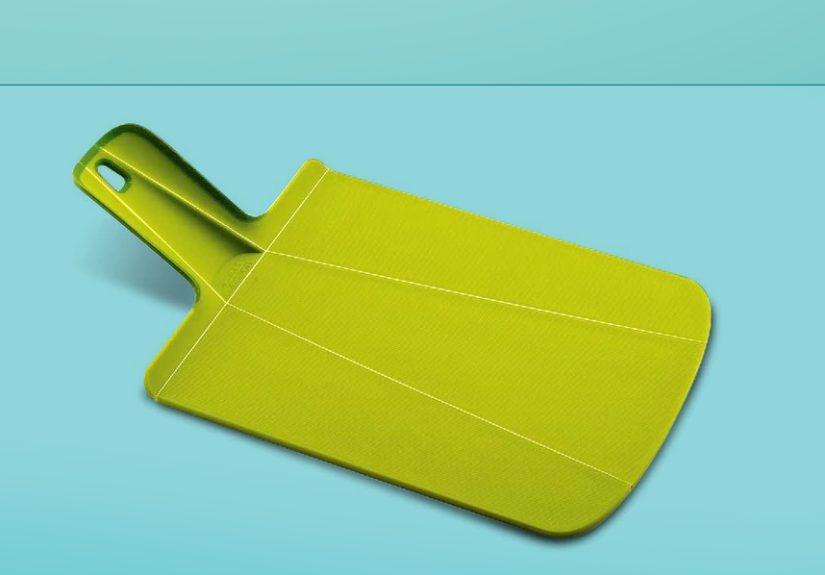
Yes, plastic gets a place. While many experts favour wood for knife‑friendliness, plastic boards still have their roleespecially when you want dishwasher convenience or are prepping raw meat. Evidence shows worn plastic boards may harbor microplastics, so choose high‑quality plastic. This recycled‑plastic model also adds a pop of color and vibe to lighten up your prep space.
6.
Large size, built‑in juice groove, and handles make this a practical pick for big prep jobs (think: Thanksgiving turkey, bulk vegetable chopping, charcuterie boards). Experts caution that “bigger” isn’t always better because cleaning/storage can get awkwardbut if you have the space, it’s totally worth considering.
7.
A compact yet premium board for smaller kitchens or cooks who value quality but don’t need a monster slab. With acacia end‑grain and good anti‑slip design, it checks many expert boxes at a friendlier footprint. Also great if you’re short on counter/storage space. Many testing reports emphasise size‑fit as a practical concern.
8.
Another John Boos offeringbut this one focused on value and versatility rather than premium bulk. Reviewers (such as Skinnytaste) call it sturdy, reversible, and reliable. If you want a trusted brand without going full butcher‑block, this is a smart pick.
(Note: All product names are presented as examplesthe specific sizes, wood types, and features may vary by model/retailer. Always check latest specs before purchase.)
How to choose *your* cutting board: Pro tips from the experts
Wood vs Plastic vs Composite
Wood (especially end‐grain hardwoods like maple or walnut) hits the sweet spot for “nice on knives” and durability. Plastic is cheaper, dishwasher‑safe, and low‑maintenancebut scratches faster and may harbour microplastics if badly worn. Composite boards span both worlds, but demand good quality to avoid dulling knives or warping.
Size & Thickness
A board that’s too small feels cramped; too large becomes heavy and hard to clean or store. Serious Eats suggests ~16×12 inches as a sweet spot for many kitchens. Thickness helps durability, but also weightso consider how you’ll clean it and whether you’ll leave it on the counter.
Surface & Features
End‐grain surfaces absorb blade impact better (think: the blade parts wood fibers rather than smashing them)which helps prolong knife life. Juice grooves help keep mess in check when slicing meat or juicy produce. Anti‑slip feet or rubber edges prevent sliding while you’re mid‑chop (yes, save your fingers!). Some reversible boards add value. Consider your workflow.
Maintenance & Hygiene
Wood boards: Require hand‐washing only, thorough drying, and periodic oiling (mineral oil or food‑safe balm) to prevent drying/cracking. Plastic boards: Some are dishwasher‑safe, making them handybut once scratched, they become harder to fully sanitize and may harbour bacteria. All boards: Always clean after raw meat, and consider separate boards for proteins vs veg if you’re serious about food safety.
Introduction “Sapo” (summary)
Looking for the perfect cutting board? This article unveils the eight best cutting boards of 2024, each tested by experts and tailored to different budgets, materials, and kitchen styles. From ultra‑durable end‑grain hardwood classics to sleek plastic or composite multitaskers, we’ve got it covered. Read on to find out which board will keep your knives sharp, your countertop mess‑free, and your prep‑game top notch.
Conclusion
Selecting the right cutting board is more than a kitchen accessoryit’s a decision that affects knife performance, food safety, ease of cleanup, and the sheer joy of prepping your meals. Whether you opt for a heavyweight maple block, a nimble acacia end‐grain option, or a practical dishwasher‑safe plastic board, make sure your choice fits your cooking habits, budget, and cleanup workflow. Pick wisely, chop merrily, and your kitchen will thank you.
Discover the 8 best cutting boards of 2024, expert‑tested for durability, material, and ease of usefind your ideal kitchen companion now!
My Personal Experiences (and what you’ll actually love vs tolerate)
Let me tell you a little secretnot all cutting boards are created equal, and I’ve had both hero moments and “why did I buy this?” sagas in my time behind the butcher block. Here are some real‑world takeaways that go beyond specs and testing labs.
First: I once bought a “cheap giant board” thinking more surface = more prep power. Reality: that thing weighed 15 lb, ended up perched awkwardly on the counter, and turned into a dust‑catcher because I was too lazy to lean it upright after each use. The value? Virtually zero. So when the experts say “fit your size to your sink and workflow”, they’re dead serious.
Second: I switched to an end‑grain hardwood board (maple), and the difference in my knife sharpness was surprising. My chef’s knife seemed to hold its edge longer. I’d cut tomatoes, onions, even breadand the board had fewer deep grooves than my old plastic slab. The caveat: I had to oil it every few weeks and ensure it dried vertically. Lazy moments led to tiny warps and hairline cracks. The lesson? Maintenance matters. And frankly, it gave me a little kitchen‑zen ritual: a few drops of mineral oil, wipe it down, and I felt like a show‑off. Experts agree that proper care is the price of a substantial wood board.
Third: I also keep a good quality plastic board for heavy meat workespecially when I know I’ll rinse and sanitize quickly afterwards. It’s lightweight, easy to stash, and yes, it scratchesfast. But when it’s dishwasher‑safe, I’m okay with replacing it more often. The trade‑off: convenience over long‑term durability. That aligns with what testers found: plastic boards may wear faster, but they have distinct benefits.
Fourth: Juice grooves are underrated. I used to skip them. Then I carved a brisket on a flat board and ended up with a river of fat and sauce creeping onto my counter. Big kitchen mistake. When I moved to a board with a thoughtful juice groove, the mess stayed on the board. One of those simple features that you’ll wonder how you lived without. Test reviews back this up.
Lastly: The feel of the board, its weight, its texturethese influence how much you’ll actually enjoy using it. A board that slides under heavy chopping or makes a racket every time you hit it? No fun. One with anti‑skid feet, smooth finish, and just enough heft to stay put? That’s when cooking stops being a chore and becomes… dare I say it, fun. Testing labs emphasise that stability matters.
So here’s my bottom line: pick a board that matches your cooking style. If you’re heavy on chopping veggie medleys and want something low‑maintenance, go for a well‑built plastic or composite board. If you cook hard, love your knives, and don’t mind a little care ritual, opt for a standout end‑grain hardwood board. And no matter what you pick: lean it up, oil when needed, and treat it like part of your kitchen teamnot just a surface. Then, every chop becomes its own little culinary victory.