Table of Contents >> Show >> Hide
Your gut is basically a bustling city of microbes with a strong opinion about what you ate for lunch. When that city is thriving, digestion tends to run smoother, bathroom trips get less dramatic, and you may even notice better overall well-being. When it’s not thriving… let’s just say your jeans and your mood might both file a complaint.
Nutrition experts tend to agree on one big theme: gut health isn’t about a single “magic” food or an expensive supplement that promises to “reset” your microbiome overnight. It’s about giving your gut bacteria what they like mostfiber (their favorite fuel), plus fermented foods (a way to introduce helpful microbes), and a steady stream of plant variety (because your microbiome gets bored easily).
What “gut health” really means (in plain English)
Gut health usually refers to how well your digestive system works and how balanced your gut microbiome isthe community of bacteria and other microbes living mostly in your large intestine. A well-fed microbiome can help break down fiber and produce beneficial compounds (like short-chain fatty acids), support the gut lining, and interact with your immune system.
The practical takeaway: if you want to support your gut, focus on foods that (1) deliver prebiotics (fibers and resistant starches that feed beneficial microbes) and/or (2) contain probiotics (live microbes in certain fermented foods), while keeping ultra-processed choices from taking over your plate.
8 gut-friendly foods nutrition experts keep coming back to
1) Yogurt (with live and active cultures)
Yogurt is the classic “probiotic poster child,” but the fine print matters. Look for labels that mention live and active cultures. Those friendly bacteria can support a healthier microbial balance, and yogurt also brings protein and key nutrients that make it an easy everyday staple.
Try it: Use plain Greek yogurt as a base (sweeten with fruit), stir it into overnight oats, or swap it for sour cream on tacos. If dairy doesn’t love you back, try lactose-free yogurt or fermented soy yogurt.
2) Kefir
Kefir is a tangy, drinkable fermented dairy (or non-dairy) option that often contains a wider mix of microbes than standard yogurt. Many people find it easy to digest, and it’s a simple way to add fermented foods without turning every meal into a science project.
Try it: Blend kefir into smoothies with berries and oats. Choose unsweetened or low-sugar versionsyour gut microbes don’t need a candy buffet to do their jobs.
3) Kimchi (or raw sauerkraut)
Fermented vegetables like kimchi and sauerkraut can deliver beneficial microbes and fiber at the same timebasically a “two-for-one” deal your microbiome actually wants. Just note: shelf-stable versions are sometimes pasteurized, which can reduce live cultures.
Try it: Add a forkful to grain bowls, scrambled eggs, or avocado toast. If sodium is a concern, keep portions small and balance with fresh produce and beans.
4) Beans and lentils
Beans and lentils are fiber powerhouses, and that fiber is exactly what many gut bacteria use to produce beneficial compounds. They also contain resistant starches and other fermentable fibers that help support microbial diversity. Translation: legumes are like a steady paycheck for your gut microbes.
Try it: Start with lentils (often gentler), add chickpeas to salads, or blend white beans into soups for a creamy texture without the cream. If you’re not used to a lot of fiber, increase slowly to avoid turning your afternoon into a trumpet solo.
5) Oats
Oats provide soluble fiber (notably beta-glucan), which can support regularity and nourish beneficial gut bacteria. They’re also a low-effort way to upgrade breakfast from “random snack masquerading as a meal” into something your gut can actually use.
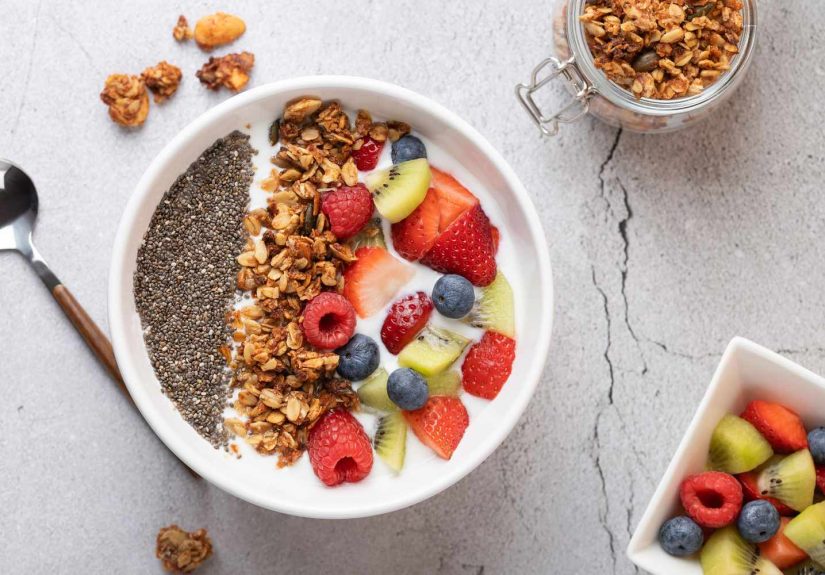
Try it: Make oatmeal, bake oat-based muffins with less added sugar, or try overnight oats with yogurt and berries. For extra gut-friendliness, add chia seeds and a spoonful of nut butter.
6) Slightly green bananas
Bananas are well known for being easy on the stomach, but slightly green (not rock-hard, just not fully spotty) bananas contain more resistant starchfuel for gut microbes. As bananas ripen, that resistant starch shifts more toward sugars, which is finejust a different nutritional profile.
Try it: Slice into oats, blend into smoothies, or freeze and mix into “nice cream.” If you’re sensitive to certain fibers (like with IBS), test your tolerance with small portions.
7) Berries (blueberries, raspberries, strawberries)
Berries bring fiber plus polyphenolsplant compounds your gut microbes love to transform into helpful metabolites. They’re also a smart way to satisfy a sweet craving while still feeding the “good bugs” instead of just the sugar-loving chaos agents.
Try it: Top yogurt or oatmeal, toss into salads, or keep frozen berries on hand for smoothies. Aim for varietydifferent colors and types mean different plant compounds.
8) Chia seeds
Chia seeds are tiny, but they punch above their weight in fiber. When soaked, they form a gel-like texture that many people find helpful for staying regular. They also pair well with probiotic foods, creating a “synbiotic” combo (prebiotic + probiotic) that gut experts often like in theory and practice.
Try it: Stir 1–2 teaspoons into yogurt, oatmeal, or smoothies. Or make chia pudding with kefir and berries. Increase gradually and drink enough waterfiber works best with fluids.
How to actually eat these foods without overhauling your entire life
You don’t need a 47-step gut routine. Pick one fermented food and one high-fiber food you genuinely enjoy, then repeat them consistently. For example:
yogurt + berries, oats + chia, or beans + kimchi in a grain bowl. Consistency and variety beat “random perfection” every time.
Quick heads-up: If you jump from low fiber to high fiber overnight, your gut may respond with bloating and gas. That’s not a failureit’s feedback. Increase fiber slowly, and consider talking with a clinician if you have persistent GI symptoms, IBD, or other digestive conditions.
Experience Notes (500-ish words): what people often notice when they go gut-friendly
Nutrition pros hear a lot of “I tried one probiotic thing and nothing happened” storiesand that makes sense. Gut changes are usually less like flipping a switch and more like steering a big ship: small turns, repeated often, eventually change the direction. When people focus on food patterns (not just a single “superfood”), a few common experiences show up again and again.
One of the most typical wins is simply more predictable bathroom habits. People who start adding oats at breakfast and beans a few times a week often report that things “move along” more regularly after a couple of weeks. The key detail: the folks who feel best usually increase fiber slowly. The ones who go from “almost no fiber” to “bean chili for breakfast” may spend a few days wondering if their stomach is auditioning for a percussion band. A gradual ramp-uphalf a serving here, an extra tablespoon of chia theretends to be the difference between “this is working” and “I live in fear of elevators.”
Another common experience is that cravings shift. When breakfast includes protein and fiber (say, yogurt with berries and chia, or oatmeal with kefir on the side), many people find they’re less likely to hit mid-morning snack emergencies. That doesn’t mean you’ll stop liking cookies. It means you’re less likely to feel like cookies are the only thing standing between you and complete emotional collapse at 10:43 a.m.
People also often notice that fermented foods are a “your mileage may vary” situation. Some feel great adding a daily serving of yogurt or kefirespecially when it replaces a sugary snack. Others find certain fermented foods (like very spicy kimchi) can irritate reflux or feel too intense at first. A pattern nutrition experts often recommend is to start with milder fermented options (yogurt, kefir) and then experiment with small portions of fermented veggies. Keeping portions modest can also help with sodium concerns.
If someone has recently been on antibiotics, they sometimes report that emphasizing fiber-rich foods and fermented foods feels helpful for “getting back on track.” What seems to work best is not panic-buying a giant supplement tub, but returning to basics: consistent meals, plenty of plants, and easy staples like oats, bananas, yogurt, and beansplus enough water to help fiber do its job.
Finally, a surprising number of people say the best part is how simple it becomes. Once you have two or three go-to combosovernight oats with berries, a bean-and-veggie bowl, a kefir smoothiegut-supportive eating stops feeling like a project and starts feeling like “just how I eat.” And that’s the sweet spot: routines that are realistic enough to last.
Conclusion
If you want to improve gut health, think less “one miracle food” and more “repeatable, fiber-forward habits.” Yogurt, kefir, fermented veggies, beans, oats, bananas, berries, and chia seeds give your microbiome the ingredients it needsprebiotics, probiotics, and plant diversitywithout turning your kitchen into a laboratory.