Table of Contents >> Show >> Hide
- Why Healthier Ice Cream Alternatives Make Sense
- 8 Healthy Ice Cream and Frozen Dessert Recipes to Beat the Heat
- 1. Two-Ingredient Banana Greek Yogurt “Nice Cream”
- 2. Chocolate Walnut Banana Ice Cream
- 3. Triple Berry Greek Yogurt Popsicles
- 4. No-Sugar-Added Fruit & Coconut Water Pops
- 5. 4-Ingredient Raspberry Sorbet (Dairy-Free)
- 6. Creamy Avocado Chocolate Ice Cream (Dairy-Free Option)
- 7. Coconut Milk “Bliss” Ice Cream (Vegan)
- 8. High-Protein Cottage Cheese “Soft Serve”
- Tips for Making Any Frozen Dessert Healthier
- Real-Life Experiences with Healthy Ice Cream and Frozen Desserts
When the temperature climbs and your brain starts to feel like melted cheese, there’s one thing that always sounds good: ice cream. The problem? Traditional ice cream can be loaded with added sugar, saturated fat, and mysterious ingredients you can’t pronounce. The good news is you don’t have to choose between your health goals and that glorious frosty scoop.
By using whole foods like frozen fruit, Greek yogurt, coconut milk, and even avocado or cottage cheese, you can whip up healthier frozen desserts at home that still feel indulgent. Dietitians often recommend frozen fruit and yogurt as a base, both for the nutrient boost and the natural sweetness they provide. And when you swap heavy cream for lighter dairy or plant-based options, you cut down on saturated fat without losing the creamy texture you love.
Below, you’ll find eight healthy ice cream and frozen dessert recipesplus practical tips and real-life experiencesto help you stay cool, satisfied, and feeling good all summer long.
Why Healthier Ice Cream Alternatives Make Sense
Classic ice cream usually has at least 10% milkfat, which gives it that rich, luscious mouthfeel. The trade-off is higher calories and saturated fat. Frozen yogurt generally contains less total and saturated fat, but it can be higher in sugar depending on how it’s made. Sorbet, on the other hand, is typically dairy-free and low in fat, but may have more sugar because it’s often made from fruit and sweetener.
Dietitians emphasize that you don’t have to ban ice cream; instead, focus on portion control (about 1/2 cup is a reasonable serving) and smarter ingredients. Using fruit, yogurt, nuts, and even cottage cheese can add fiber and protein, helping you feel fuller and more satisfied with less.
Now, let’s get into the fun part: the recipes.
8 Healthy Ice Cream and Frozen Dessert Recipes to Beat the Heat
1. Two-Ingredient Banana Greek Yogurt “Nice Cream”
This is the minimalist’s dream frozen dessertno ice cream machine, no drama, just a blender and two ingredients.
- 2–3 ripe bananas, sliced and frozen
- 1 to 1 1/4 cups plain Greek yogurt (2% or low-fat)
Optional add-ins: Splash of vanilla extract, pinch of cinnamon, or a drizzle of honey if your bananas aren’t very sweet.
Directions: Add frozen banana slices and Greek yogurt to a high-powered blender or food processor. Blend, scraping down the sides as needed, until smooth and soft-serve-like. Taste and adjust sweetness. Eat immediately for a soft texture, or freeze for 1–2 hours for scoopable “nice cream.”
Why it’s healthy: You’re getting potassium and fiber from bananas plus protein from Greek yogurt, which dietitians love as a base for lighter ice cream-style desserts.
2. Chocolate Walnut Banana Ice Cream
Imagine a chocolate sundae and a smoothie bowl had a responsible, nutrition-conscious baby. That’s this dessert.
- 3 ripe bananas, sliced and frozen
- 1/4 cup plain Greek yogurt
- 2–3 tablespoons unsweetened cocoa powder
- 2 tablespoons chopped dark chocolate or mini chips
- 2 tablespoons chopped walnuts
Directions: Blend frozen bananas, yogurt, and cocoa powder until creamy. Fold in dark chocolate and walnuts. Serve immediately or freeze for a firmer texture.
Why it’s healthy: Using bananas instead of cream dramatically cuts saturated fat, while dark chocolate and walnuts add antioxidants and heart-healthy fats. Similar banana-based “ice creams” are often recommended as a lower-sugar, higher-fiber frozen treat.
3. Triple Berry Greek Yogurt Popsicles
Breakfast or dessert? These popsicles say “why not both?” They’re inspired by Greek yogurt pops that use berries and a touch of honey for sweetness.
- 1 1/2 cups mixed berries (strawberries, blueberries, raspberries; fresh or frozen)
- 1 1/2 cups plain Greek yogurt
- 3–4 tablespoons honey or maple syrup
- 1 teaspoon vanilla extract
Directions: Blend half the berries with the yogurt, honey, and vanilla until smooth. Stir in the remaining whole or roughly chopped berries for texture. Pour into popsicle molds and freeze at least 4 hours.
Why it’s healthy: You get protein, probiotics, and calcium from yogurt plus antioxidants and fiber from berries. It’s a serious upgrade from sugary store-bought popsicles that often rely on corn syrup and artificial flavors.
4. No-Sugar-Added Fruit & Coconut Water Pops
These are basically frozen spa water on a sticklight, refreshing, and perfect when you don’t want something heavy.
- 2 cups chopped fresh fruit (berries, kiwi, mango, peach, or grapes)
- 2–2 1/2 cups unsweetened coconut water
- 1 tablespoon lime juice (optional)
Directions: Divide fruit among popsicle molds, packing it in so each pop gets a colorful mix. Pour coconut water (and lime juice, if using) over the fruit. Freeze until solid, 4–6 hours.
Why it’s healthy: Many commercial popsicles are mostly sugar water. Fruity pops made with real fruit and unsweetened coconut water add vitamins, minerals, and electrolytes without added sugar.
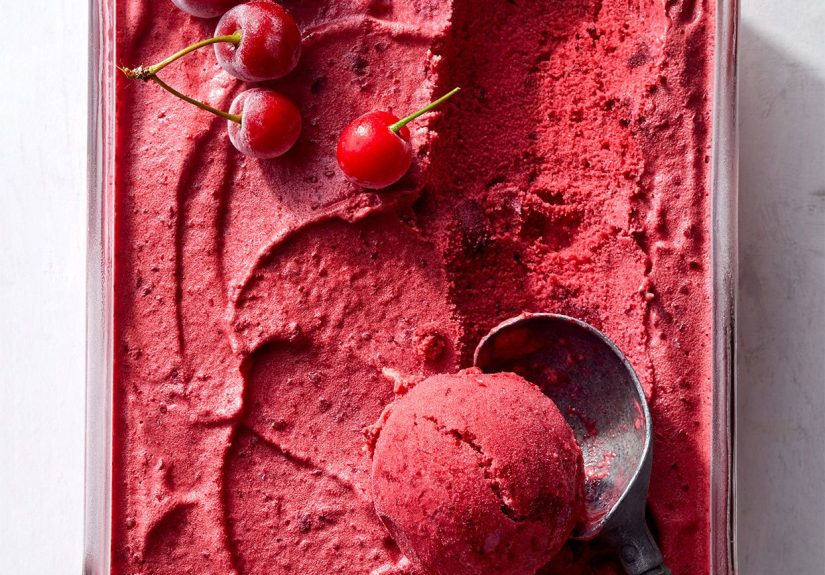
5. 4-Ingredient Raspberry Sorbet (Dairy-Free)
If you prefer tart, icy desserts over rich, creamy ones, sorbet is your soulmate. This version is light yet intensely fruity.
- 3 cups frozen raspberries
- 2–4 tablespoons maple syrup, honey, or a sugar-free sweetener to taste
- 1/2 cup cold water or unsweetened fruit juice
- 1 tablespoon fresh lemon juice
Directions: Add all ingredients to a food processor and blend until smooth, adding extra water a tablespoon at a time if needed. Serve immediately as a soft sorbet, or freeze for 1–2 hours for a firmer scoop.
Why it’s healthy: Traditional sorbet can be quite high in added sugar. By starting with frozen fruit and adjusting the sweetener to taste, you can keep the sugar content lower while still enjoying a bright, refreshing dessert.
6. Creamy Avocado Chocolate Ice Cream (Dairy-Free Option)
Avocado in ice cream sounds suspicious until you taste it. Then you’re suddenly Googling “how many avocados are too many avocados.”
- 2 ripe avocados, peeled and pitted
- 1/2 cup unsweetened cocoa powder
- 1/2–3/4 cup unsweetened almond milk or other plant milk
- 1/4–1/3 cup honey, maple syrup, or date syrup
- 1 teaspoon vanilla extract
- Pinch of salt
Directions: Blend all ingredients in a high-powered blender until completely smooth and silky. Chill for 1 hour, then churn in an ice cream maker if you have one, or freeze in a shallow container, stirring every 30–45 minutes until scoopable.
Why it’s healthy: You’re getting heart-healthy monounsaturated fats from avocado instead of saturated fat from cream. Heart-health organizations highlight avocado-based ice creams and frozen bananas as lighter alternatives that can still fit into a heart-conscious eating pattern when portions are controlled.
7. Coconut Milk “Bliss” Ice Cream (Vegan)
This one is for the dairy-free crowd or anyone who just loves the flavor of coconut. Plant-based frozen desserts have been booming, using coconut milk and other nondairy milks to mimic classic ice cream.
- 1 can (13.5 oz) full-fat coconut milk
- 1 can (13.5 oz) light coconut milk or unsweetened almond milk
- 1/3–1/2 cup maple syrup or honey
- 2 teaspoons vanilla extract
- Pinch of salt
- Optional: shredded coconut or chopped dark chocolate to fold in
Directions: Whisk all ingredients together until smooth. Chill thoroughly, then churn in an ice cream maker according to manufacturer’s instructions, adding any mix-ins at the end. No ice cream maker? Freeze in a shallow dish and stir every 30 minutes until creamy.
Why it’s healthy (ish): Coconut milk is still rich, but many people tolerate it better than dairy. You can control the sweetness and skip additives found in some commercial vegan desserts. Pair a modest scoop with fresh fruit to balance the richness.
8. High-Protein Cottage Cheese “Soft Serve”
Yes, cottage cheese has entered the frozen dessert chatand it brought protein with it.
- 1 1/2 cups low-fat cottage cheese
- 1–2 ripe bananas, sliced and frozen
- 2–3 tablespoons honey or maple syrup (optional)
- 1 teaspoon vanilla extract
- Optional: berries, cocoa powder, or peanut butter for flavor variations
Directions: Blend cottage cheese, frozen banana, sweetener, and vanilla until completely smooth (really let the blender run). Fold in any mix-ins. Enjoy right away for a soft-serve texture, or freeze 1–2 hours for a firmer dessert.
Why it’s healthy: Cottage cheese is naturally high in protein and can make frozen desserts more satisfying. Health experts note that including a bit of protein and fat in frozen treats may help you feel full faster and stick to smaller portions.
Tips for Making Any Frozen Dessert Healthier
- Mind your portion size. A 1/2 cup serving is still the classic guideline. As portion sizes go up, so do calories, sugar, and fat.
- Start with a better base. Dietitians often suggest using frozen fruit, Greek yogurt, or cottage cheese as the core ingredients to boost nutrients and cut back on cream and sugar.
- Add natural sweetness. Ripe bananas, berries, and mango add sweetness plus fiber and vitamins. Then you can use less added sugaror skip it altogether.
- Upgrade your toppings. Trade candy pieces and syrups for fresh fruit, chopped nuts, seeds, or a small sprinkle of dark chocolate.
- Slow down and savor. Eating from a bowl instead of the carton, with a small spoon and a glass of water nearby, helps you enjoy your treat and notice when you’re satisfied.
- Compare labels when buying. When you choose store-bought frozen desserts, look for options with less saturated fat and added sugar, and reasonable calories per serving.
Real-Life Experiences with Healthy Ice Cream and Frozen Desserts
Switching from regular ice cream to healthier frozen desserts is rarely a straight line. It’s more like a taste-test marathonwith some very delicious “mistakes” along the way.
Many people start with banana “nice cream” because it’s the easiest upgrade: just toss frozen bananas in a blender and boom, you have something that looks and tastes a lot like soft-serve. The first reaction is usually surprise: “Wait, there’s no cream in this?” The second reaction is often overconfidence: “I can eat the entire blender because it’s healthy, right?” That’s when you realize that even wholesome ingredients can add up in calories if you eat triple portions. Portion awareness still matters, even with better-for-you ingredients.
Over time, you learn how to tweak the textures and flavors to suit your cravings. If you want something richer at night, you might reach for avocado chocolate ice cream or coconut milk ice cream, and keep the portion small. If it’s hot mid-afternoon and you just want a quick cool-down, a fruit-and-coconut-water pop or a berry-yogurt popsicle feels lighter and more refreshing.
Another common discovery is how much toppings influence the “healthiness” of your dessert. You can take a virtuous basesay, banana Greek yogurt nice creamand turn it into a sugar bomb with syrups, candy, and cookies. On the flip side, adding sliced strawberries, a sprinkle of chopped nuts, and a few dark chocolate shavings keeps the experience indulgent but more balanced nutritionally. Many dietitians recommend exactly that strategy: choose the most appealing version with the least saturated fat and added sugar, then dress it up with fruit and moderate portions of nuts or chocolate.
There’s also a mindset shift that happens. Once you get used to the natural sweetness of fruit-based desserts, some commercial “light” ice creams can start to taste overly sweet or artificial. People often find that they don’t miss the ultra-sweet flavors as much as they thought. The texture becomes more important: creamy from yogurt, cottage cheese, or avocado, or icy and bright from sorbet and fruit pops.
For families, healthy frozen desserts can turn into a fun ritual. Kids love loading popsicle molds with colorful fruit or pressing buttons on the blender (with supervision, of course). Letting them build their own comboslike blueberry–banana–yogurt pops or mango–coconut ice creammakes them more interested in actually eating the finished treat. Parents get peace of mind knowing there’s no fluorescent syrup or mystery ingredient involved.
Finally, there’s the emotional side: dessert is about pleasure, not perfection. If you adore classic premium ice cream, there’s space for it in a generally healthy lifestyle. But giving yourself a lineup of lighter, homemade frozen desserts means you have everyday options that align better with your health goals. You can keep a small tub of the rich stuff for special nights, while stocking the freezer with fruit pops, banana nice cream, and yogurt-based treats for daily cravings.
In the end, “healthy ice cream” isn’t about finding a magic product that you can eat without limits. It’s about smart ingredients, realistic portions, and desserts that help you feel goodboth while you’re eating them and after the bowl is empty.