Table of Contents >> Show >> Hide
- What “colorful” really means in a fall garden
- 8 native plants that deliver big fall color
- 1) New England Aster (Symphyotrichum novae-angliae)
- 2) Goldenrod (Solidago spp.)
- 3) Swamp Sunflower (Helianthus angustifolius)
- 4) Oakleaf Hydrangea (Hydrangea quercifolia)
- 5) Virginia Sweetspire (Itea virginica)
- 6) American Beautyberry (Callicarpa americana)
- 7) Black Chokeberry (Aronia melanocarpa)
- 8) Little Bluestem (Schizachyrium scoparium)
- A simple formula for a jaw-dropping fall planting
- Common fall-garden mistakes (and how to dodge them)
- Conclusion: Make fall your garden’s best season
- Real-world fall garden moments (the kind you’ll recognize)
Fall gardens don’t have to look like your yard quietly resigned and moved to Florida. With the right native plants,
autumn can be the season where your landscape goes full “main character” with purple flowers, golden plumes,
scarlet leaves, and berries so bright your neighbors suddenly “need to borrow something” (they’re just spying).
The secret: choose plants native to your region. Natives tend to handle local weather mood swings better, support
pollinators and birds, and keep showing off long after summer annuals tap out. Below are eight native standouts
that bring serious color in fallthrough blooms, foliage, berries, and seed headsplus a practical plan for
combining them so your garden looks intentional instead of “I panic-bought plants at a clearance sale.”
What “colorful” really means in a fall garden
In autumn, color isn’t just flowers. It’s a four-part harmony:
- Late-season blooms (asters, goldenrods, native sunflowers) to keep the party going.
- Foliage fireworks (shrubs and grasses that turn copper, burgundy, crimson, or purple).
- Berries and fruit (beautyberry, chokeberry) that look like jewelry and feed wildlife.
- Seed heads and winter texture (grasses and sumac) that make even frosty mornings photogenic.
The best fall gardens stack these effects. You want something blooming in front, something glowing in the middle,
and something airy or structural in backso the whole bed doesn’t collapse visually the moment temperatures drop.
8 native plants that deliver big fall color
1) New England Aster (Symphyotrichum novae-angliae)
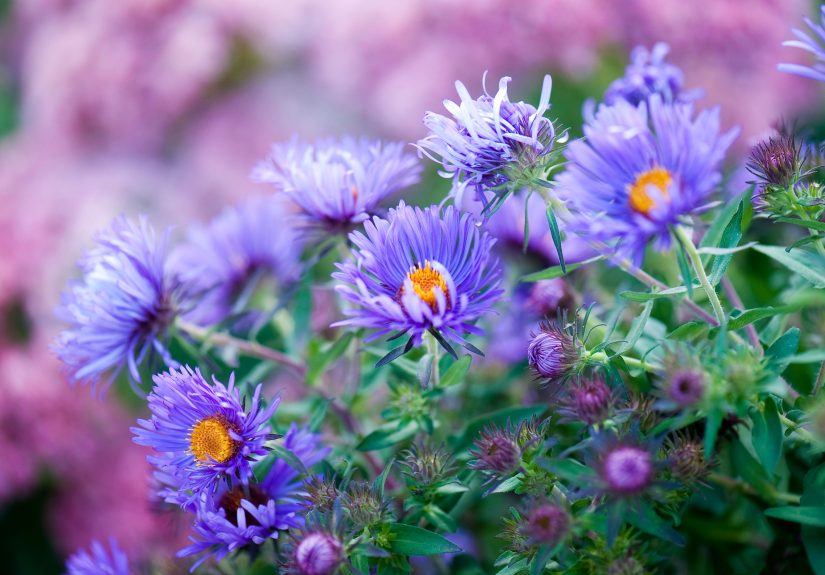
If fall had an official flower, New England aster would be on the ballot. It shows up right when summer perennials
start fading, throwing punches of purple-pink blooms with sunny centers.
Why it shines in fall
- Late-season flowers that read as “fresh color” when most gardens are going sepia.
- Pollinator magnetespecially valuable as nectar sources shrink heading into cooler weather.
How to grow it without drama
- Sun: Full sun is best for sturdy stems and maximum bloom.
- Soil: Average garden soil works; don’t spoil it with excessive fertilizer.
- Pro move: Pinch stems back in late spring/early summer to encourage bushier growth and reduce flopping.
Design ideas
Pair New England aster with goldenrod for a classic purple-and-gold fall combo. Add warm-toned grasses behind it
to make the blooms look even brighter. It’s the garden equivalent of putting a spotlight on the lead singer.
2) Goldenrod (Solidago spp.)
Goldenrod is fall sunshine in plant form. It lights up borders, meadows, and native beds with yellow blooms right when
you want warmth and energy in the landscape.
Why it shines in fall
- Bright yellow flowers in late summer into fallperfect timing for an autumn color surge.
- Wildlife value: Nectar and pollen support a wide range of pollinators, plus seeds can feed birds later.
How to grow it without it taking over your calendar
- Sun: Full sun is the sweet spot.
- Soil: Many species tolerate leaner soildon’t “over-love” it into floppy growth.
- Choose wisely: If you’re worried about spread, look for clump-forming or well-behaved native species suited to your region.
Design ideas
Goldenrod is a natural with purple asters, red fall foliage shrubs, and bronze grasses. Use it in drifts for impact,
or tuck smaller varieties into mixed borders to create glowing pockets of color.
3) Swamp Sunflower (Helianthus angustifolius)
This native sunflower is the friend who shows up late but makes the biggest entrance. It can bloom into fall with cheerful
yellow daisiesoften when you’re convinced the flower season is “over.”
Why it shines in fall
- Big late-season bloom that keeps beds looking lively deep into autumn.
- Height and presence: Great for the back of borders where you want a bold, sunny wall of flowers.
How to grow it
- Sun: Full sun to part shade.
- Moisture: Likes moist to wet soil (but many gardeners use it successfully in average beds once established).
- Keep it polite: If it gets lanky, cut back by about a third in early summer to encourage branching and a fuller shape.
Design ideas
Plant swamp sunflower behind asters and goldenrod for a layered late-season buffet. Add switchgrass or little bluestem
nearby so the grass seed heads mingle with the sunflower stemsinstant “prairie chic.”
4) Oakleaf Hydrangea (Hydrangea quercifolia)
Oakleaf hydrangea is a triple threat: big summer blooms, gorgeous fall foliage, and lingering dried flower heads that keep
the shrub looking good well into winter. It’s native, but it still carries itself like it’s on a magazine cover.
Why it shines in fall
- Fall foliage that can shift into rich reds, purples, and bronzy tones.
- Persistent flower heads that dry beautifully and add texture as temperatures drop.
- Structure: It anchors a bed when perennials start collapsing into “soft piles of goodbye.”
How to grow it
- Light: Part shade is ideal in many climates; some sun helps with bloom and foliage color.
- Soil: Prefers moisture-retentive but well-drained soil.
- Pruning: Blooming is typically on old woodprune right after flowering if needed, not in late winter.
Design ideas
Use oakleaf hydrangea as a “backbone” shrub, then weave in grasses and late bloomers around it. In fall, its bold leaves
make a perfect backdrop for goldenrod and aster blooms.
5) Virginia Sweetspire (Itea virginica)
Virginia sweetspire is the shrub equivalent of a reliable friend: it tolerates challenging spots (including wetter soils),
flowers in spring, and then saves a spectacular encore for fall with coppery-orange to golden foliage.
Why it shines in fall
- Long-lasting fall color that can hang on late into the season.
- Great for rain gardens and low areas where other shrubs sulk.
How to grow it
- Sun: Sun to part shade.
- Moisture: Handles moist soils and periodic flooding better than most ornamental shrubs.
- Spacing: Give it room; some forms spread by suckers, which is either “helpful groundcover” or “a meeting request” depending on your personality.
Design ideas
Plant sweetspire near downspouts, swales, or rain garden edges to solve a problem spot with style. Pair its warm fall foliage
with purple asters and bronze grasses for a balanced color palette.
6) American Beautyberry (Callicarpa americana)
Beautyberry is the plant that makes people stop mid-sentence and say, “Waitare those berries real?” Yes. Yes they are.
And they’re ridiculously purple.
Why it shines in fall
- Vivid berry clusters that pop in fall, especially once leaves begin dropping.
- Wildlife-friendly: The fruit is eaten by many birds and other animalsso it’s both pretty and useful.
How to grow it
- Light: Full sun to part shade; more sun generally means better fruiting.
- Soil: Adaptable, but looks best with consistent moisture during establishment.
- Pruning: Many gardeners cut it back in late winter/early spring to encourage strong new growth and berries.
Design ideas
Place beautyberry where you’ll see it from a walkway, window, or mailbox route. Combine it with grasses (for soft texture)
and fall-blooming perennials (for contrast) so the berries look like deliberate, curated sparkle instead of random neon.
7) Black Chokeberry (Aronia melanocarpa)
Black chokeberry is a native shrub that quietly does everything: spring flowers, glossy green leaves, excellent fall color,
and dark fruits that feed wildlife. It’s the “low-maintenance overachiever” of fall gardens.
Why it shines in fall
- Strong fall foliage that can turn red to burgundy depending on conditions.
- Dark fruits that add visual weight and seasonal interest (and are used by birds).
- Adaptability: Tolerates a range of moisture levelsuseful in rain gardens and mixed beds.
How to grow it
- Sun: Full sun to partial shade.
- Soil: Adaptable; will handle wet spots better than many shrubs.
- Maintenance: Minimalremove oldest stems occasionally if you want a tidier shape.
Design ideas
Use chokeberry as a mid-layer shrub in native borders. It plays well with sweetspire in moisture-prone sites, and it
looks especially striking behind goldenrod and asters when its foliage deepens in fall.
8) Little Bluestem (Schizachyrium scoparium)
Little bluestem is the fall garden’s secret sauce: it brings movement, texture, and warm color that lasts beyond bloom season.
When it turns bronze-orange to mahogany tones, it makes everything around it look more expensive. (Plants can be classy like that.)
Why it shines in fall
- Fall color shift from blue-green to bronze, copper, and reddish tones.
- Seed heads that catch light and persist into winter.
- Structure: Holds its form and looks great even after frost.
How to grow it
- Sun: Full sun is key for upright growth and best color.
- Soil: Well-drained; it thrives in leaner soils and dislikes being babied.
- Cutback: Leave it standing through winter for texture; cut back in late winter/early spring before new growth starts.
Design ideas
Use little bluestem as a “repeat plant” throughout beds to unify the design. It’s especially effective paired with purple
asters, yellow goldenrod, and berrying shrubs. Bonus: it looks amazing with low-angle fall sunlightbasically built for photos.
A simple formula for a jaw-dropping fall planting
Want a fall garden that looks planned (and not like you wandered around a nursery whispering “help”)? Try this:
- Pick 1–2 structural shrubs: oakleaf hydrangea + sweetspire, or chokeberry + sweetspire.
- Add 2 late bloomers: New England aster + goldenrod (or swamp sunflower if you want height).
- Thread in 1–2 grasses: little bluestem (and/or switchgrass if you have room).
- Finish with a “wow” feature: beautyberry in a visible spot for berry color.
Repeat plants in groups (three is a magic number) and let each section have breathing room. That’s how you get
“designer border” instead of “plant collage.”
Common fall-garden mistakes (and how to dodge them)
- Planting too late without watering: Fall planting can be great, but roots still need moisture to settle in.
- Over-fertilizing natives: Many nativesespecially grassesflop when pampered. Lean soil often equals stronger stems.
- Skipping winter interest: Leave grasses and seed heads standing. They’re not “mess”they’re architecture.
- One-season thinking: Mix blooms + berries + foliage so your garden has layers of interest from September into winter.
Conclusion: Make fall your garden’s best season
A colorful fall garden isn’t about forcing summer to last foreverit’s about leaning into what autumn does best:
jewel-toned berries, warm grasses, fiery foliage, and late blooms that keep pollinators and people happy. Start with
a strong shrub backbone, add aster-and-goldenrod energy, and let native grasses carry the show into winter.
You’ll get a garden that looks alive, intentional, and honestly… a little bit smug in the best way.
Real-world fall garden moments (the kind you’ll recognize)
The first time you build a fall-native planting that actually works, you’ll notice something funny: your garden becomes a
schedule. Not your schedulethe garden’s. September hits and suddenly you’re outside “just for five minutes,” which turns
into half an hour because the swamp sunflower has decided today is the day to open another hundred blooms. It’s like the plant
waited for you to be busy and then said, “Perfect. Now watch this.”
Then come the grasses. Little bluestem doesn’t scream for attention in summer, but fall is when it flips the switch. One crisp
morning you’ll look out and the clumps are glowing bronze, edged with dew like tiny strings of lights. If there’s frost, it’s even
bettersuddenly the seed heads look like they were dusted with powdered sugar. It’s the kind of subtle beauty that makes you feel
like you’ve developed “good taste” overnight (which is hilarious, because last year you were still planting random petunias wherever
there was a hole).
If you plant beautyberry in the right spotnear a walkway or the mailboxyou’ll get a steady parade of reactions. Someone will
inevitably say, “Are those… grapes?” Another person will ask if it’s real, and you’ll get to enjoy your moment as the local berry
expert. The best part is when birds start noticing. One day the berries are outrageously purple; a week later, the shrubs are a little
less loaded, and you realize the garden isn’t just decorativeit’s feeding the neighborhood. That’s when “pretty” turns into
“purpose,” and it feels surprisingly satisfying.
Asters and goldenrod create their own set of experiences, toolike the day you stand near the blooms and hear that steady hum of
pollinators working late-season shifts. It’s not chaotic; it’s focused. In the garden world, fall is a crunch deadline, and your plants
are the team that showed up prepared. You’ll catch yourself describing the scene as “busy” the way you’d describe a coffee shop
which is a weird thing to say about flowers, but also kind of accurate.
And shrubs like sweetspire and chokeberry? They’re the slow-burn heroes. The foliage starts shifting, and thenalmost overnight
the colors deepen into those rich autumn shades that make everything else look more vibrant. You’ll find yourself building new
combinations in your head: “What if I added more sweetspire along the downspout area? What if I repeated chokeberry in a second bed
so the fall color ‘rhymes’ across the yard?” Fall-native gardening does that. It turns you into someone who casually uses words like
“repeat,” “layer,” and “rhythm,” as if you always planned to be that person.
By late October, when other gardens look tired, yours will still have structure and color. The blooms may thin, but the seed heads,
berries, and foliage keep the scene alive. You’ll step outside with a jacket, coffee in hand, and realize fall isn’t the end of the
garden yearit’s the season where the design finally looks complete. And yes, you are absolutely allowed to feel a little smug about it.