Table of Contents >> Show >> Hide
- What You’ll Find Here
- Axolotl 101: The Forever-Young Salamander With a Global Fan Club
- Why Axolotls Are So Photogenic (AKA: The Science of “Aww”)
- The Gallery: 84 Cute Axolotl Pictures (Use These as Captions + Alt Text)
- Photo Etiquette: How to Take Axolotl Pictures Without Stressing Them Out
- Thinking of an Axolotl as a Pet? A Quick Reality Check (Because Cute Isn’t the Same as Easy)
- The Wild Truth: Axolotls Are Critically Endangered (So Let Your “Aww” Do Some Good)
- Experiences: The “84 Cute Axolotl Pictures” Lifestyle (500+ Words of Relatable Joy)
- Conclusion: More Than a Meme, Still 100% Adorable
Cats: iconic. Dogs: legendary. But every so often, the internet deserves a palate cleanser that looks like a tiny underwater dragon
who just heard a compliment and decided to wear it on its face forever.
Enter: the axolotl (pronounced “ACK-suh-LAH-tuhl”), a salamander that seems custom-built for cute axolotl pictures,
wholesome group chats, and the very human urge to whisper, “Look at his little hands!”
This post is your scroll-stopping, mood-lifting gallery of 84 cute axolotl picturespresented as image slots you can
fill with your own photos (or properly licensed ones), plus fun captions, SEO-friendly alt text, and real-world facts so your “Aww!”
comes with a side of “Oh wow, that’s fascinating.”
Axolotl 101: The Forever-Young Salamander With a Global Fan Club
Axolotls are aquatic salamanders native to the lake and canal systems around Mexico Cityespecially the canals of Xochimilco.
Unlike most amphibians that “graduate” from water to land, axolotls are famous for neoteny:
they reach adulthood while keeping their larval look, including external feathery gills and a finned tail.
Translation: they stay adorably “baby-faced” their whole lives, which is basically nature’s unfair advantage in the
axolotl pictures category.
They’re also scientific superstars. Researchers study axolotls because they can regenerate complex body structuresmost famously limbs
which helps scientists investigate how tissues repair and rebuild.
That’s one reason axolotls show up in labs, museums, and headlines… and also on your feed right next to sourdough, skincare routines,
and that one friend’s ten-part “New Year, New Me” montage.
Fast facts you can drop at parties (or in the comments)
- They’re amphibians, not fisheven though people call them “walking fish.”
- They’re fully aquatic and breathe using a mix of external gills, lungs, and skin.
- They can live a long time in captivity (often many years), but wild populations are in serious trouble.
- They’re critically endangered in the wild due to habitat loss, pollution, and invasive species.
Why Axolotls Are So Photogenic (AKA: The Science of “Aww”)
Let’s be honest: “cute” isn’t random. Our brains are wired to react to certain featuresrounded heads, soft shapes, and expressions that
feel friendly. Axolotls happen to check a weird number of those boxes, while also looking like they wandered in from a fantasy novel.
1) The “perma-smile” effect
Their mouth shape and wide-set features can read like a gentle grin in photos. Even when an axolotl is simply existing,
the camera often translates that into “I’m delighted to be here,” which is an elite vibe.
2) The gill “floof” factor
Those feathery external gills fan out like living confetti. In still water they look like soft coral; in motion they look like a tiny
underwater wig with excellent volume. Either way, they’re a visual signature that makes cute axolotl pictures instantly recognizable.
3) Tiny hands, big emotional impact
Axolotl toes are small, splayed, and oddly relatablelike they’re about to type “lol” with their whole heart.
If you’ve ever zoomed in on an axolotl hand and whispered, “Stop,” congratulations: you’re one of us.
4) Color morphs that photograph like art
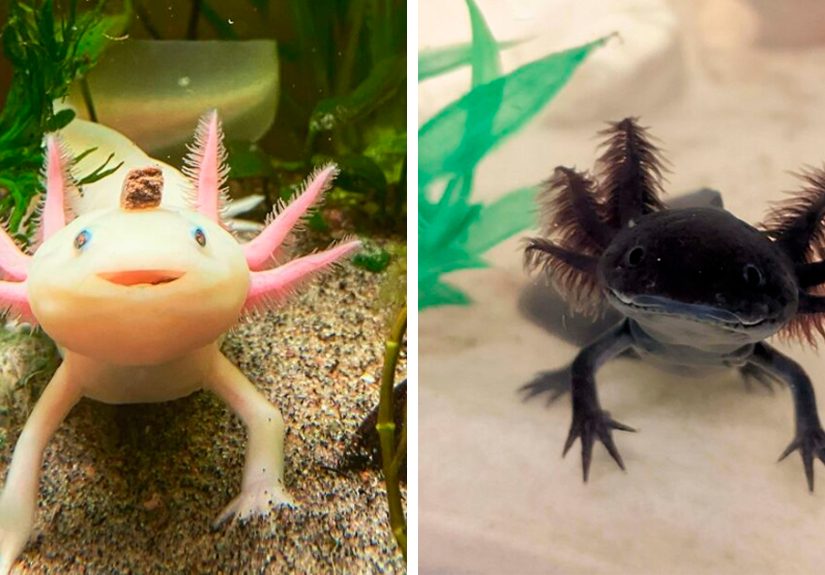
In captivity, axolotls appear in several color “morphs,” including pinkish leucistic axolotls (often with rosy gills),
darker melanoid types, and mottled “wild-type” patterns. For photographers, it’s like having multiple moods in one species:
cotton-candy cute, dramatic goth, and nature-camo chic.
The Gallery: 84 Cute Axolotl Pictures (Use These as Captions + Alt Text)
Below are 84 picture slots you can pair with your own axolotl photos. Each one includes a suggested filename,
SEO-friendly alt text, and a caption with a sense of humor.
Swap the src values for your actual image paths.
Pink Parade (1–20): Leucistic Legends and Bubblegum Vibes


Wild-Type Wonders (21–40): Nature Patterns and “Tiny River Monster” Energy


Snack-Time Shenanigans (41–60): The Art of Being Cute While Eating


Noodle Mode & Nap Shots (61–84): Peak Cozy Aquatic Energy


Photo Etiquette: How to Take Axolotl Pictures Without Stressing Them Out
Axolotls are sensitive aquatic amphibians, so the goal is simple: capture the cuteness without turning the moment into a
high-drama production. If your photo session feels like a music video shoot, it’s probably too much.
Keep it calm, cool, and low-stress
- Avoid sudden bright lights (including harsh flash). Gentle ambient lighting is better for both photos and the animal.
- Don’t tap the glass. It’s startling and can stress aquatic animals.
- Skip handling “for the shot.” Axolotl skin is delicate; photos should happen in the water, on their terms.
- Be patient. Axolotl movement is slow and smoothwait for that perfect “smile” moment instead of chasing it.
A good rule: if the axolotl looks relaxed and the tank environment stays stable, you’re doing it right.
The best axolotl pictures aren’t stagedthey’re observed.
Thinking of an Axolotl as a Pet? A Quick Reality Check (Because Cute Isn’t the Same as Easy)
The internet makes axolotls look like low-maintenance aquatic teddy bears. In reality, they’re living animals with specific needs.
If you’re considering one, treat it like adopting a long-term responsibilitynot a trendy accessory.
What responsible owners plan for
- Stable water quality is non-negotiable. Axolotls are sensitive to toxins like ammonia and nitrite.
- Cool temperatures matter. These animals naturally come from cool, high-altitude waters, and overheating can cause stress.
- Gentle filtration is important because strong currents can bother them.
- Safe substrate matters because small gravel-like items can be risky if accidentally swallowed.
- They’re not “cuddle pets.” Minimal handling is typically best for their skin and comfort.
- Local rules vary. Some places restrict ownershipalways check your local regulations before buying.
If all of that makes you think, “I should learn more first,” that’s actually a green flag.
The cutest axolotl content is the kind that pairs curiosity with care.
The Wild Truth: Axolotls Are Critically Endangered (So Let Your “Aww” Do Some Good)
Here’s the plot twist behind all those adorable axolotl pictures: wild axolotls have been pushed to the edge.
Their native habitat has been heavily impacted by pollution, urban growth, and invasive species.
Meanwhile, axolotls thrive in captivity and labsso the animal can be everywhere online while disappearing from its original home.
How to help (even if you don’t own one)
- Support credible conservation work focused on restoring and protecting the Xochimilco ecosystem.
- Share accurate information: “critically endangered in the wild” is a key phrase worth repeating.
- Be choosy about pet culture: don’t promote irresponsible buying, impulse ownership, or wild-caught animals.
- Never release pets into local waterways. It’s unsafe for the animal and harmful for ecosystems.
In other words, keep enjoying the cutenessjust let it point back to the bigger story: a unique species that deserves a future in the wild,
not only in memes and aquariums.
Experiences: The “84 Cute Axolotl Pictures” Lifestyle (500+ Words of Relatable Joy)
There’s a particular kind of happiness that comes from stumbling onto a set of adorable axolotl pictures when your day is doing that thing where
it tries to become a to-do list with legs. You open your phone “just for a second,” and suddenly it’s ten minutes later, your shoulders have dropped,
and you’re quietly rooting for a tiny amphibian who looks like it’s smiling through life with the confidence of someone who has never had to remember a password.
That’s the axolotl effect: instant calm, plus a weird urge to show everyone you know like you’ve discovered a new category of serotonin.
People often describe the first time they really noticed an axolotl as a chain reaction. It starts with a single photousually a close-up of those frilly gills
and then comes the zoom-in: “Wait. Are those little hands?” Then comes the follow-up: “Why does it look so polite?” Then, because the internet is the internet,
you see one wearing the visual equivalent of a permanent, gentle grin, and you’re officially done for. Suddenly you’re learning the difference between wild-type patterns
and pink leucistic axolotls, and you’ve typed “axolotl pictures” into a search bar with the urgency of a person seeking answers.
The second common experience is turning axolotls into a personal mood board. Some people keep a folder of “cute axolotl pictures” the way others keep sunsets or
cozy cabins: a quick-hit escape hatch for stressful moments. The gallery becomes a tiny ritualscroll, smile, exhale, carry on. You might send one to a friend who’s had
a rough day and watch the reply come back almost immediately: “STOPPP I LOVE HIM.” Axolotls are strangely universal that way. They’re cute without being saccharine,
weird without being scary, and expressive without needing to do anything dramatic.
For people who visit aquariums or science museums, the axolotl sighting becomes its own special eventlike seeing a celebrity, but the celebrity is a salamander who
refuses to “grow up” in the traditional amphibian sense. And once you’ve seen one in person, photos start to feel like a scavenger hunt:
the perfect gill fan, the perfect loaf pose, the perfect “floating noodle” moment. Some fans even start appreciating the slower pace of axolotl lifethe way they move,
pause, hover, and rest like they’re reminding everyone to stop sprinting through the day.
Then comes the most meaningful experience: the moment the cute turns into care. Many axolotl fans eventually learn that the species is critically endangered in the wild,
and that the internet’s “axolotl mania” exists alongside real environmental pressure in their native habitat. For some people, that discovery changes how they share and
enjoy these images. They don’t just post “aww”they add context. They talk about conservation. They remind others that these animals aren’t novelty toys.
In the best version of the axolotl picture lifestyle, the cuteness becomes a doorway: first to wonder, then to respect, and finally to action.
Conclusion: More Than a Meme, Still 100% Adorable
If you came here for 84 cute axolotl pictures, mission accomplishedyour camera roll (and your mood) should be thriving right now.
But the real magic of axolotls is that they’re not just internet-cute. They’re biologically extraordinary, scientifically important, andsadlystruggling in the wild.
So keep the axolotl love loud. Share the smiles, celebrate the gill fluff, and if you can, let your “Aww!” point toward conservation and responsible care.