Table of Contents >> Show >> Hide
- Why Healthy Italian Cooking Works So Well
- 1) High-Protein Caprese Chickpea Salad
- 2) Lemony Whole-Wheat Pasta al Limone with Spinach
- 3) Quick Shrimp Puttanesca
- 4) Baked Eggplant Parmesan
- 5) Pasta e Ceci with Rosemary and Garlic
- 6) Sheet-Pan Italian Chicken with Peppers, Onions, and Tomatoes
- 7) Tuscan White Bean and Kale Soup
- 8) Zucchini Noodles with Turkey Bolognese
- 9) Mediterranean Baked Salmon with Tomatoes, Olives, and Herbs
- How to Keep Italian Recipes Healthy Without Making Them Sad
- Final Thoughts
- Kitchen Experiences: What These Healthy Italian Recipes Feel Like in Real Life
- SEO Tags
Italian food has a reputation problem. Somewhere between giant bowls of Alfredo and enough melted cheese to qualify as a structural material, people started assuming “Italian” and “healthy” belong in separate zip codes. Thankfully, actual Italian-inspired healthy cooking tells a much better story. It leans on olive oil, tomatoes, beans, leafy greens, seafood, fresh herbs, lemon, garlic, and just enough cheese to make you happy without sending your dinner into a dairy spiral.
That is the sweet spot this article lives in: healthy Italian recipes that still taste like dinner and not like punishment. These dishes keep the soul of Italian cooking intact while dialing up the vegetables, favoring lean proteins, using smart portions of pasta, and letting bold pantry staples do the heavy lifting. Translation: you can eat beautifully, feel satisfied, and still have enough energy left to argue about whether your sauce should simmer for 20 minutes or two hours.
If you are looking for healthy Italian dinner ideas, Mediterranean-style meals, or lighter Italian recipes with big flavor, these nine picks deserve a permanent spot in your rotation. Some are cozy, some are quick, and all of them prove that flavor does not require a stick of butter and an emotional support loaf of garlic bread.
Why Healthy Italian Cooking Works So Well
The best healthy Italian recipes are not successful because they “remove all joy.” They work because Italian cooking already knows how to build flavor from the ground up. A little extra-virgin olive oil, garlic warmed until fragrant, canned tomatoes with character, basil that smells like summer, lemon zest, capers, olives, anchovies, chili flakes, Parmesan, and a good splash of pasta water can do more for a dish than a gallon of cream ever could.
Healthy Italian food also benefits from a natural Mediterranean rhythm. Vegetables are not an afterthought. Beans are not filler. Seafood and chicken often appear in sensible portions. Whole grains, legumes, and produce create meals that feel balanced without becoming boring. That is exactly why these recipes work: they stay rooted in ingredients that are naturally satisfying, colorful, and packed with texture.
1) High-Protein Caprese Chickpea Salad
This is what happens when classic caprese grows up, gets practical, and starts meal-prepping. You still get juicy tomatoes, fresh basil, mozzarella, and balsamic tang, but chickpeas step in to add fiber, plant-based protein, and serious staying power.
Why it’s healthy
Chickpeas make this salad more filling than a standard tomato-and-cheese plate, which means it can stand in as a real lunch or light dinner instead of a side dish pretending to be helpful. Add cucumber, red onion, and a handful of arugula if you want more crunch and bitterness.
How to make it sing
Toss chickpeas, halved cherry tomatoes, mozzarella pearls, chopped basil, cucumber, and thin slices of red onion with extra-virgin olive oil, balsamic vinegar, black pepper, and a pinch of flaky salt. Let it sit for 10 minutes so the flavors mingle like old friends at an outdoor café.
2) Lemony Whole-Wheat Pasta al Limone with Spinach
Pasta al limone is proof that restraint can be delicious. Instead of burying noodles under a heavy sauce, this version uses lemon zest, lemon juice, olive oil, a modest shower of Parmesan, and a little pasta water to create a silky coating. Add baby spinach at the end, and suddenly your pasta has a green card.
Why it’s healthy
Whole-wheat pasta adds more fiber and nuttiness, while spinach boosts volume and nutrients without overpowering the dish. The lemon keeps everything bright, so you do not need a ton of cheese or cream to make it feel luxurious.
How to make it sing
Cook the pasta just shy of al dente, then toss it in a skillet with olive oil, garlic, lemon zest, lemon juice, a splash of pasta water, spinach, and grated Parmesan. Finish with cracked black pepper and more zest. It tastes expensive. It is not.
3) Quick Shrimp Puttanesca
If your pantry contains tomatoes, olives, capers, garlic, and red pepper flakes, congratulations: dinner is halfway done. Puttanesca is famously bold, briny, and dramatic in the best possible way. Adding shrimp makes it leaner and more substantial, while artichokes or zucchini stretch the vegetable count without dulling the personality.
Why it’s healthy
Shrimp cooks quickly and delivers protein without the heaviness of sausage or meatballs. The sauce gets most of its punch from pantry staples, which means less need for excess fat.
How to make it sing
Sauté garlic in olive oil, stir in anchovy if you like deep savory flavor, then add crushed tomatoes, olives, capers, chili flakes, and shrimp. Simmer just until the shrimp turn pink. Spoon it over a moderate portion of pasta or serve it over sautéed zucchini noodles for a lighter twist.
4) Baked Eggplant Parmesan
Eggplant Parmesan is one of the great Italian comfort foods, but the deep-fried, cheese-stacked restaurant version can hit like a nap you did not schedule. A baked version keeps the crisp edges, saucy layers, and cheesy top while trimming the excess oil.
Why it’s healthy
Baking instead of frying lightens the dish while preserving texture. Eggplant brings fiber and a meaty feel, which is why this dish can satisfy even people who suspiciously ask where the meat is.
How to make it sing
Slice eggplant, salt it lightly, pat dry, then coat with whole-wheat breadcrumbs and bake until golden. Layer with marinara, part-skim mozzarella, Parmesan, and fresh basil. Serve with a crisp salad instead of a mountain of pasta, and the whole plate feels smarter without feeling stingy.
5) Pasta e Ceci with Rosemary and Garlic
Pasta e ceci is rustic, comforting, and gloriously unfussy. It sits somewhere between soup and pasta, which is ideal if your favorite meals are cozy but you still want them to have nutritional backbone.
Why it’s healthy
This dish doubles down on satisfaction by combining pasta and chickpeas, delivering fiber, protein, and real comfort. The broth gives it body, while rosemary and garlic build depth with almost no effort.
How to make it sing
Cook onions and garlic in olive oil, add chickpeas, rosemary, broth, and a small pasta shape, then simmer until the pasta is tender and the broth thickens. Finish with black pepper, lemon zest, and a restrained sprinkle of Parmesan. Restrained. We are being adults here.
6) Sheet-Pan Italian Chicken with Peppers, Onions, and Tomatoes
This recipe is weeknight gold. Chicken thighs or breasts roast alongside bell peppers, red onion, cherry tomatoes, and garlic until everything gets caramelized, glossy, and borderline irresistible. Italian seasoning, oregano, and a few capers turn the pan juices into liquid treasure.
Why it’s healthy
It is naturally rich in vegetables, portion-friendly, and easy to pair with farro, brown rice, or a side salad. Because the vegetables roast in the same pan, they soak up flavor instead of feeling like a virtuous obligation.
How to make it sing
Toss the vegetables with olive oil, garlic, oregano, and black pepper. Roast with seasoned chicken until the tomatoes burst and the onions soften. Add a splash of lemon juice before serving. Suddenly, your kitchen smells like you know what you are doing.
7) Tuscan White Bean and Kale Soup
This soup is the culinary equivalent of a thick blanket and good life advice. Cannellini beans, kale, carrots, celery, onions, garlic, tomatoes, and broth come together in a dish that feels hearty enough for dinner and practical enough for leftovers.
Why it’s healthy
Beans and kale make this soup fiber-rich and satisfying, while the broth keeps it lighter than cream-based soups. It is exactly the kind of meal that tastes better the next day, which is a polite way of saying future-you will be thrilled.
How to make it sing
Start with onion, celery, and carrot in olive oil. Add garlic, tomatoes, broth, beans, and kale. Simmer until the greens soften and the flavors deepen. Serve with a drizzle of olive oil and a small piece of whole-grain toast. It is humble, but it absolutely knows it is delicious.
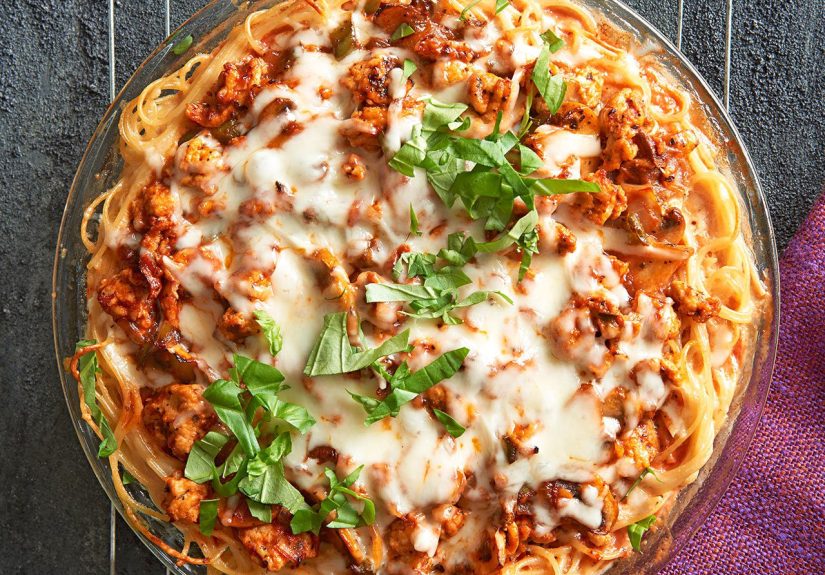
8) Zucchini Noodles with Turkey Bolognese
Bolognese does not have to be a full-day event involving three meats and a nap. A lighter version using lean ground turkey, mushrooms, onions, garlic, tomatoes, and herbs creates a rich sauce with less saturated fat. Serving it over zucchini noodles or a half-and-half mix of zucchini noodles and spaghetti keeps the meal balanced.
Why it’s healthy
Turkey offers lean protein, mushrooms add umami, and zucchini increases volume without overwhelming the sauce. This is a great strategy for anyone who wants the comfort of pasta night with a little more produce and a little less post-dinner regret.
How to make it sing
Brown turkey with chopped mushrooms, onion, and garlic, then simmer with crushed tomatoes, oregano, basil, and a splash of milk if you want the sauce rounder and softer. Serve over zucchini noodles, spaghetti, or both. No one is here to judge your noodle diplomacy.
9) Mediterranean Baked Salmon with Tomatoes, Olives, and Herbs
Salmon may not be the first dish that jumps to mind when someone says “Italian dinner,” but it fits beautifully into Mediterranean-style cooking. Baked with cherry tomatoes, olives, garlic, lemon, parsley, and a little olive oil, it delivers big flavor with minimal fuss.
Why it’s healthy
Salmon brings heart-friendly fats and protein, while the topping adds acidity and briny punch without leaning on heavy sauces. Pair it with farro, white beans, or roasted broccoli and you have a dinner that looks elegant but behaves like a weeknight meal.
How to make it sing
Roast salmon fillets with tomatoes, olives, sliced garlic, lemon, and herbs until just cooked through. Spoon the pan juices over the top and finish with parsley. It is simple, fast, and fancy enough to make you feel like you should be eating outside under string lights.
How to Keep Italian Recipes Healthy Without Making Them Sad
The trick is not subtraction. It is smart emphasis. Use more vegetables than you think you need. Let beans do some of the heavy lifting. Choose whole-grain pasta when it fits the dish. Finish with cheese instead of building the entire recipe around it. Lean on garlic, herbs, lemon, balsamic, olives, capers, anchovies, and good tomatoes for flavor. Cook pasta al dente and serve a sensible portion, then bulk out the plate with greens, roasted vegetables, or soup.
Also, resist the false choice between “healthy” and “comforting.” The best healthy Italian meals still feel generous. They still bubble in the oven. They still perfume the kitchen with garlic and oregano. They still invite you back for leftovers. That is the point. A healthy meal that tastes bleak is not winning. It is merely existing.
Final Thoughts
These healthy Italian recipes prove that you do not need to give up flavor to eat well. In fact, Italian cooking may be one of the easiest cuisines to lighten up because so much of its magic already comes from ingredients that are naturally vibrant: tomatoes, greens, beans, seafood, olive oil, citrus, herbs, and a little cheese used with intention. When you combine those elements thoughtfully, the result is food that feels warm, balanced, and deeply satisfying.
So the next time someone says healthy Italian food sounds impossible, hand them a fork and point them toward the chickpea caprese, the baked eggplant Parmesan, or the shrimp puttanesca. They will understand quickly. Probably while going back for seconds.
Kitchen Experiences: What These Healthy Italian Recipes Feel Like in Real Life
One of the best things about cooking healthy Italian food is that it rarely feels like a “health project.” It feels like actual living. You chop an onion, smash a few garlic cloves, heat olive oil, and within minutes the kitchen smells like something good is about to happen. That matters more than people admit. If a meal smells inviting while it cooks, everyone approaches the table in a better mood. Science may explain some of life, but garlic in olive oil explains the rest.
These recipes also create a different kind of dinner rhythm. A big salad with chickpeas and basil feels bright and energized on a hot day. A pot of white bean and kale soup feels grounding when the weather turns cold or your schedule becomes ridiculous. Baked salmon with tomatoes and olives feels polished enough for company, yet calm enough for a random Tuesday when you are tired and considering cereal as a dinner option. Healthy Italian meals meet you where you are.
Another experience people notice quickly is satisfaction. Not the overstuffed, unbutton-your-jeans sort of fullness, but the pleasant feeling of having eaten a real meal. Beans help with that. Whole grains help with that. So does protein from shrimp, chicken, turkey, or salmon. Vegetables add volume and color, which sounds suspiciously wholesome until you realize they also make dinner look fantastic. And when food looks inviting, it somehow tastes better. Or maybe that is just the basil talking.
There is also something deeply reassuring about how flexible these dishes are. Forgot spinach? Use kale. No chickpeas? White beans will gladly clock in. Need to stretch the meal? Add a side salad, roasted broccoli, or a slice of whole-grain toast. Healthy Italian cooking is generous that way. It does not demand perfection. It asks for a decent tomato, a little seasoning, and a willingness to taste as you go.
For families, these meals are especially useful because they can be adapted without turning dinner into a short-order kitchen. One person wants pasta, another wants more vegetables, a third wants extra cheese as if that is a personality trait. Fine. Serve the turkey Bolognese over both spaghetti and zucchini noodles. Put extra Parmesan on the table. Let everyone customize. The base meal stays balanced, and nobody has to write an angry memoir about dinner.
Over time, these kinds of recipes change the way people think about healthy eating. It stops feeling like a temporary rulebook and starts feeling like a collection of habits that actually fit real life. You learn that roasted peppers can be just as exciting as pasta. You realize capers and olives can save a bland dinner in under 30 seconds. You discover that a baked eggplant Parmesan can be genuinely comforting, not a lesser substitute. Most importantly, you stop believing flavor and nutrition are enemies. In a good Italian kitchen, they are roommates who split the rent evenly.