Table of Contents >> Show >> Hide
- The Low-Carb Grain Reality Check
- 9 Low Carb Grains (Fiber-Forward Picks That Actually Satisfy)
- 1) Oats (especially steel-cut or old-fashioned)
- 2) Quinoa (technically a seed, behaves like a grain)
- 3) Bulgur (quick-cooking wheat with impressive fiber)
- 4) Millet (small grain, big personality)
- 5) Couscous (yes, it’s basically pastause strategically)
- 6) Wild rice (not true rice, more like a hearty grass seed)
- 7) Spelt (ancient wheat with a hearty, nutty chew)
- 8) Popcorn (the snack that is secretly a whole grain)
- 9) Barley (fiber-rich and famously filling)
- High-Carb Grain Products to Avoid (or Keep on a Short Leash)
- How to Make Grains Work on a Low-Carb Diet
- FAQ: Low Carb Grains, Answered Without the Drama
- Real-Life Low-Carb Grain Experiences (So You Don’t Have to Learn the Hard Way)
- Final Takeaway
Carbs and grains have a complicated relationship. Kind of like you and your group chat: sometimes supportive, sometimes chaotic, always loud.
If you’re watching carbswhether for blood sugar, weight goals, or just because your lunch keeps putting you in a nap comagrains can feel like the “problem child” of the pantry.
Here’s the good news: you don’t have to banish every grain to the shadow realm. Some grains (and grain-like foods) are more fiber-forward, more filling,
and less likely to hijack your daily carb budget. And some? Well… some are basically “starch in a costume.”
Let’s separate the helpful from the hype.
The Low-Carb Grain Reality Check
First, a truth bomb: most grains are carbohydrate-dense. That’s literally their job description. What makes certain grains “better” for a
carb-controlled diet isn’t that they’re magically carb-freeit’s that they come packaged with more fiber, protein, and structure.
What “low carb” means here
In strict keto territory (often under ~50 grams of carbs per day), even “healthier” grains can be tough to fit in. But many people aim for
moderate low-carb or “carb-smart” eatingwhere portion size, fiber, and food quality matter more than a zero-carb fantasy.
Net carbs (the quick math that helps)
You’ll often hear about net carbsa rough estimate of carbs your body is more likely to absorb:
Net carbs = total carbs − fiber.
It’s not perfect science for everyone, but it’s a useful shortcut when comparing grains.
Also: serving sizes are where carbs go to play hide-and-seek. A “cup cooked” can mean wildly different things depending on the grain.
If you want grains in a low-carb plan, start with 1/4 to 1/2 cup cooked, then build the meal around protein, veggies, and healthy fats.
9 Low Carb Grains (Fiber-Forward Picks That Actually Satisfy)
Below are nine options that tend to work better in a carb-controlled lifestylemostly because they bring more fiber, texture, and staying power.
I’ll give you what they’re good for, why they’re “carb-friendlier,” and the easiest ways to use them without turning dinner into a spreadsheet.
1) Oats (especially steel-cut or old-fashioned)
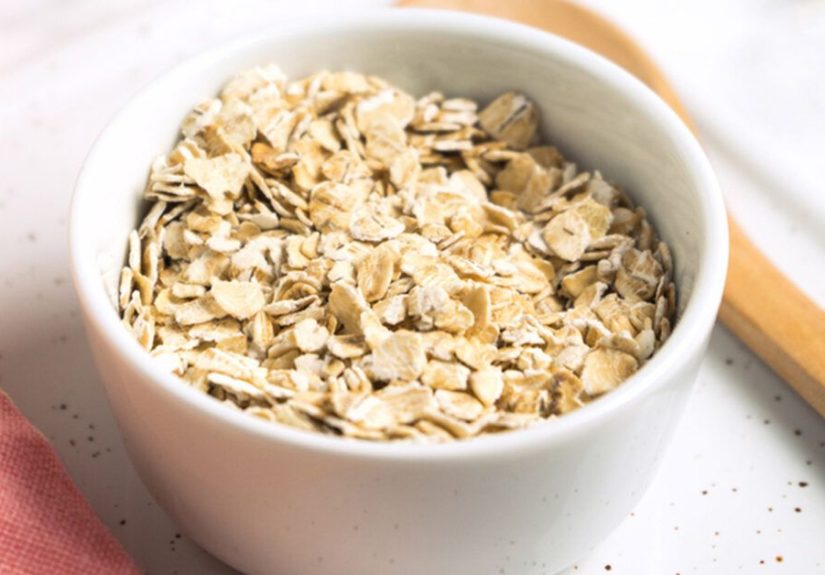
Oats are the “golden retriever” of grains: friendly, dependable, and always showing up when you need them.
They’re higher in fiber than many breakfast grains, including a type of soluble fiber called beta-glucan,
which is linked with heart benefits and can help with satiety.
- Best for: breakfast bowls, savory oats, overnight oats, oat-based baking
- Carb-smart tip: go for less processed oats (steel-cut/rolled) and watch toppings (your honey drizzle has dreams)
- Easy win: make savory oats with eggs, spinach, and fetayour taste buds will forgive you
2) Quinoa (technically a seed, behaves like a grain)
Quinoa isn’t a “true grain,” but it’s invited to every grain party because it cooks like one and brings extra protein.
It’s a solid choice when you want a smaller portion that still feels substantialespecially in bowls and salads.
- Best for: grain bowls, meal prep salads, stuffed peppers
- Carb-smart tip: use quinoa as a “supporting actor,” not the whole stagethink 1/3 cup cooked plus lots of veggies
- Easy win: toss with olive oil, lemon, herbs, cucumbers, and grilled chicken
3) Bulgur (quick-cooking wheat with impressive fiber)
Bulgur is what happens when wheat decides to be helpful and efficient. It cooks fast, has a pleasantly chewy texture,
and brings a strong fiber punch compared to many refined grain sides.
- Best for: tabbouleh, warm pilafs, grain-and-bean salads
- Carb-smart tip: pair it with chickpeas or chicken and a big pile of crunchy vegetables for a slower-digesting meal
- Easy win: mix bulgur with parsley, tomato, cucumber, lemon, and a little feta
4) Millet (small grain, big personality)
Millet is mild, fluffy, and underratedlike the friend who always brings the best snacks but never takes credit.
Carb-wise, it’s not “low” in the strict sense, but it can work well in smaller portions because it’s satisfying and versatile.
- Best for: porridge, grain bowls, side dishes, baked goods
- Carb-smart tip: toast it first for a nuttier flavormore flavor means you don’t need a giant serving
- Easy win: use millet as a base for a veggie-heavy bowl with salmon and avocado
5) Couscous (yes, it’s basically pastause strategically)
Couscous is tiny, fluffy, and sneaky. Traditional couscous is made from wheat semolina and is closer to pasta than an intact whole grain.
The trick is not pretending it’s “health food,” but using it wisely: small portions, high-volume veggies, and a protein anchor.
If you can find whole-wheat couscous, even better.
- Best for: fast weeknight sides, Mediterranean bowls, cold salads
- Carb-smart tip: treat it like a garnish1/4 cup cooked can add texture without blowing the carb budget
- Easy win: couscous + roasted vegetables + lemony Greek yogurt sauce
6) Wild rice (not true rice, more like a hearty grass seed)
Wild rice has a chewy texture and more “bite” than white ricewhich matters because foods that take longer to chew often feel more satisfying.
It’s also a great way to get that rice vibe with a bit more protein and fiber than typical refined rice sides.
- Best for: soups, stuffing, salads, “rice” bowls with more texture
- Carb-smart tip: mix wild rice with cauliflower rice for a 50/50 blend that tastes legit
- Easy win: wild rice in chicken soup with mushrooms and thyme
7) Spelt (ancient wheat with a hearty, nutty chew)
Spelt is an “ancient grain” that eats like a sturdier cousin of wheat berries. It’s not low-carb,
but its structure and fiber content can make it a better pick than refined wheat products when you keep portions reasonable.
- Best for: grain salads, warm bowls, hearty sides
- Carb-smart tip: cook a batch, then use 1/4 cup at a time to add chew to salads and soups
- Easy win: spelt + roasted Brussels sprouts + walnuts + a splash of balsamic
8) Popcorn (the snack that is secretly a whole grain)
Popcorn is the loophole everyone deserves. Air-popped popcorn is a whole grain, and because it’s light and voluminous,
you can eat a generous-looking bowl without a massive carb loaduntil butter and caramel show up like uninvited party crashers.
- Best for: snack attacks, movie nights, “I need crunchy now” moments
- Carb-smart tip: air-pop it and season with spices, Parmesan, or nutritional yeast instead of sugar bombs
- Easy win: smoked paprika + a pinch of salt + a little olive oil spray
9) Barley (fiber-rich and famously filling)
Barley is chewy, cozy, and extremely good at making you feel like you ate a real mealnot a sad “diet dinner.”
It’s known for soluble fiber (including beta-glucan, like oats) and works beautifully in soups and hearty salads.
If you see hulled barley, it’s less processed than pearled and keeps more of the grain intact.
- Best for: soups, stews, grain salads, “risotto-style” bowls
- Carb-smart tip: barley shines when it’s surrounded by protein and vegetablesthink beef stew or mushroom chicken soup
- Easy win: barley “risotto” with mushrooms and spinach
High-Carb Grain Products to Avoid (or Keep on a Short Leash)
You don’t need to fear carbs, but some grain products are basically the nutritional equivalent of packing peanuts:
lots of starch, not much fiber, and somehow you’re hungry again in 45 minutes.
These are the usual suspects when people say “grains spike my blood sugar.”
Refined bread (white bread, many rolls, “fluffy” sandwich bread)
Refined grains have much of the bran and germ removed, which strips away a lot of fiber and nutrients.
That often means quicker digestion and a bigger blood sugar bumpespecially when the bread is soft enough to be used as a pillow.
Refined pasta (especially oversized portions)
Pasta isn’t evilit’s just easy to overeat because it’s delicious and quietly doubles in size when you look away.
Refined pasta tends to be lower in fiber than whole-grain versions, so the “carb impact” can feel stronger.
White rice (and “instant” rice products)
White rice is a classic comfort food, but it’s low in fiber compared with intact whole grains.
If you love it, try mixing it with cauliflower rice, or use a smaller scoop and bulk up the plate with protein and vegetables.
Sugary cereals, crackers, snack chips, and pizza crust
These are often refined grains plus added fats, sugars, and sodiumengineered for “just one more bite.”
In a low-carb plan, they’re the fastest way to burn through your daily carbs without getting much fullness in return.
Instant oatmeal packets (the dessert cosplay version)
Oats themselves can be a smart pick, but many instant packets come with added sugar and tiny portion sizes that don’t satisfy.
If you want quick oats, start with plain and sweeten with cinnamon, berries, or a little nut butter.
How to Make Grains Work on a Low-Carb Diet
If you take away one strategy, make it this: use grains as an ingredient, not the entire meal.
A carb-smart plate is usually “protein + non-starchy veggies + a small scoop of grain + fat for flavor.”
Try the “1/2 cup rule” (then adjust)
Start with 1/4 to 1/2 cup cooked grain and see how you feel. Many people are surprised that they don’t miss the giant pile of rice once
the meal has enough protein, veggies, and seasoning.
Pair grains with protein and fat
Chicken, salmon, tofu, Greek yogurt sauces, olive oil, avocadothese help slow digestion and increase satiety,
making the grain portion feel more satisfying.
Consider the “cook, cool, reheat” trick (optional)
Some research suggests that cooling certain cooked starchy foods and reheating them can increase resistant starch and may lower glycemic response.
It’s not a magical shield, but it can be one more toolespecially for rice or pasta lovers who meal prep.
FAQ: Low Carb Grains, Answered Without the Drama
Are there truly keto-friendly grains?
In strict keto, most traditional grains don’t fit well because portions add up fast. The most keto-compatible “grain-ish” option is usually
popcorn in measured servings, or grain alternatives like cauliflower rice (not a grain, but a very enthusiastic impersonator).
Do whole grains automatically mean “low carb”?
Nobut whole grains tend to be more fiber-rich and more filling, which can make them easier to manage in a carb-controlled diet.
Whole doesn’t cancel carbs; it makes the carbs come with benefits.
What’s the easiest low-carb grain swap?
Mix: 50% cauliflower rice + 50% wild rice (or quinoa). You keep the “real grain” vibe while cutting the carb load and adding volume.
Your fork won’t know it’s being tricked.
Real-Life Low-Carb Grain Experiences (So You Don’t Have to Learn the Hard Way)
If you’ve ever tried to “eat healthier” by swapping white rice for quinoa… and then found yourself rummaging for snacks an hour later, you’re not alone.
The most common experience people report with low-carb grain choices isn’t that the grain itself is badit’s that the context is wrong.
A bowl of quinoa by itself is still mostly carbs. A bowl of quinoa with salmon, roasted broccoli, and a lemony olive-oil dressing?
That’s a meal that behaves like a meal.
Another very real experience: portion amnesia. Grains are small when dry and huge when cooked. You pour “a little” into the pot,
turn around to check a text, and suddenly you’ve cooked enough barley to feed a youth soccer team.
This is why meal preppers love grainsand why low-carb eaters get in trouble with them. The fix is simple:
cook a batch, portion it into 1/4–1/2 cup containers, and stop negotiating with yourself at dinner time.
Then there’s the “healthy snack that isn’t” situation. People often reach for crackers, granola, or “whole grain” chips thinking they’re making a smart choice.
But the lived reality is usually: they’re easy to overeat and not that filling. Popcorn is where many people happily land
because it scratches the crunchy itch with volume. The experience shift is immediate: a big bowl feels satisfying, and you’re less likely to keep grazing.
The caveat, of course, is that popcorn can go from “whole grain snack” to “butter delivery system” in about 12 secondsso season wisely.
Breakfast is another common battleground. Many people find that instant oatmeal packets leave them hungry, even though oats can be a great choice.
The experience difference comes from upgrading the build: plain oats + chia or flax + Greek yogurt or eggs on the side + berries.
Suddenly oats stop acting like a quick carb hit and start acting like a steady, satisfying breakfast.
Same grain, different supporting cast.
And finally: the “my stomach is mad at me” chapter. When people shift from refined grains to fiber-forward grains like bulgur or barley,
digestion sometimes has opinions. A sudden fiber jump can cause bloating or discomfort. The experience-based workaround is boring but effective:
increase fiber gradually, drink more water, and don’t go from zero to “barley three times a day” overnight. Your gut likes a training plan.
Final Takeaway
Low-carb eating doesn’t require a grain-free life sentence. The smarter move is choosing grains that bring fiber and structure,
using smaller portions, and building meals where protein and vegetables do most of the heavy lifting.
Pick oats, bulgur, barley, wild rice, and friends when you want something heartyand keep refined grain products on an occasional basis
unless you enjoy surprise hunger and snack attacks.