Table of Contents >> Show >> Hide
- How food can influence mood swings (without pretending it’s magic)
- Foods that may support mood during depression (the “low battery” days)
- Foods and habits that may help keep mania from getting louder
- The “Mood-Stability Plate” (a simple template you can reuse)
- A one-day sample menu (realistic, not influencer-perfect)
- Foods to limit when mood is wobbling
- Smart add-ons: spices, drinks, and supplements (with guardrails)
- When food isn’t enough (and what to do next)
- FAQ: quick answers people actually Google
- Real-world experiences and lessons people report (about )
- Conclusion
If your mood had a remote control, wouldn’t it be nice if it came with a big, friendly “STABILIZE” button?
Sadly, brains don’t ship with remotes. But food can be one of the quieter, surprisingly effective knobs you can turn
not as a cure, not as a replacement for treatment, but as steady background support for mood stability.
This article focuses on mania and depressionoften discussed in the context of
bipolar disorderand the dietary patterns and specific foods that may help your body
build a more mood-friendly baseline. We’ll also cover what to limit, why meal timing matters, and
practical ways to eat when cooking feels like climbing Everest in flip-flops.
Important: Nutrition can support mental health, but it cannot “treat” mania the way
medical care can. If you or someone you love is in danger, experiencing severe mania, or having thoughts
of self-harm, seek urgent help. In the U.S., you can call or text 988 for the Suicide & Crisis Lifeline.
How food can influence mood swings (without pretending it’s magic)
The idea behind nutritional psychiatry isn’t that kale replaces therapy. It’s that your brain is an
organ that runs on biology: blood sugar, inflammation, sleep rhythms, and the nutrients used to make and regulate
neurotransmitters. When those basics are chaotic, mood can get more chaotic too.
1) Blood sugar: the mood roller coaster you didn’t buy a ticket for
Big spikes and crashes (think sugary cereal → mid-morning crash → giant coffee → anxious jitter → late-afternoon slump)
can mimic or amplify agitation, irritability, fatigue, and brain fog. Balanced mealsespecially
fiber + protein + healthy fatstend to create steadier energy, and steadier energy makes mood management easier.
2) Inflammation and brain membranes: the “software updates” your brain actually uses
Many mood-focused nutrition recommendations aim to reduce chronic inflammation and support the structure of brain cells.
That’s why you’ll keep seeing omega-3 fatty acids, colorful plants, and minimally processed foods.
Think of it like keeping your brain’s hardware clean so the software (sleep, coping skills, medication, therapy) runs smoother.
3) The gut-brain axis: your digestion has opinions
Your digestive system and brain communicate constantly through nerves, hormones, and immune signals.
A diet rich in fiber (plants, legumes, whole grains) tends to support a healthier gut ecosystem.
Fermented foods may help some people, though research is still evolvingso we’ll treat probiotics like a “maybe useful,” not a miracle.
Foods that may support mood during depression (the “low battery” days)
Depression can shrink motivation and appetiteor crank up cravings. Either way, the goal is to make nourishment
simpler, more consistent, and more nutrient-dense. Here are food groups that show up repeatedly in reputable guidance
and research discussions around mood support.
Omega-3-rich foods (especially EPA/DHA sources)
Omega-3s are structural fats in the brain and are often discussed for mood support. Food-first options are a solid approach:
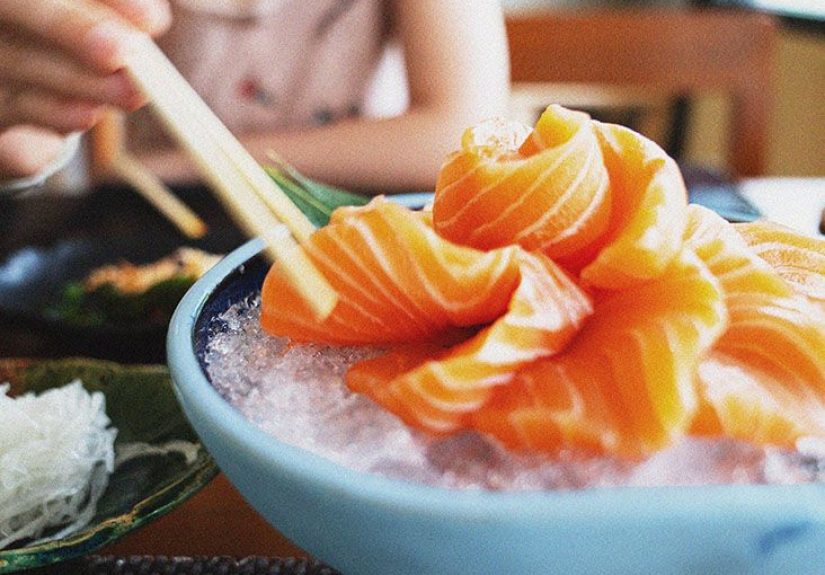
- Fatty fish: salmon, sardines, trout, herring
- Plant options (ALA): chia seeds, ground flaxseed, walnuts (your body converts ALA inefficiently, but it still helps)
- Seafood-adjacent: algae-based omega-3 products exist, but discuss supplements with your clinicianespecially with bipolar disorder
Heads-up for bipolar depression: some clinicians urge extra caution with omega-3 supplements in bipolar disorder,
since anything that shifts mood can be a double-edged sword. Food sources are generally gentler than high-dose supplements.
Folate and B vitamins: the “tiny tools” for neurotransmitter work
Folate and B vitamins (like B6 and B12) help your body run metabolic pathways involved in brain function.
In food terms, you’ll find them in:
- Leafy greens: spinach, kale, collards
- Legumes: lentils, black beans, chickpeas
- Eggs and dairy (if you eat them)
- Fortified foods: some cereals, plant milks, nutritional yeast (especially helpful for B12 in plant-based diets)
Vitamin D foods (plus the “talk to your provider” note)
Vitamin D status is commonly discussed in overall health and sometimes in mood research, though supplementation results are mixed.
Getting vitamin D from foods can be a practical baseline:
- Fatty fish (againsalmon and sardines are overachievers)
- Egg yolks
- Fortified milk or fortified plant milks
- Fortified cereals (watch added sugar; you want “fortified,” not “dessert in disguise”)
If you suspect deficiency, ask your clinician about testing and individualized guidanceespecially if you have limited sun exposure.
Magnesium, zinc, selenium: calm-the-system minerals
Several minerals are frequently mentioned in “food and mood” guidance. The simplest strategy is to eat a wide variety of whole foods:
- Magnesium: pumpkin seeds, almonds, black beans, spinach, whole grains
- Zinc: oysters, beef, pumpkin seeds, chickpeas
- Selenium: seafood, turkey, eggs, Brazil nuts (easy does itBrazil nuts are potent)
Fiber + fermented foods: gut support that doesn’t require a PhD
If you want one “mental health nutrition” habit that’s low drama: add fiber. Aim for a plant or two at every meal.
If you tolerate fermented foods, consider:
- Yogurt or kefir (choose low added sugar)
- Sauerkraut or kimchi
- Miso, tempeh
If fermented foods aren’t your thing, don’t force it. Fiber-rich foods alone can support gut health.
Foods and habits that may help keep mania from getting louder
Mania isn’t just “extra energy.” It can involve reduced sleep, racing thoughts, impulsivity, and risky behavior.
Food can’t “turn off” mania, but it can reduce avoidable accelerants and support the basicsespecially sleep and steady energy.
Be careful with caffeine (and other sneaky stimulants)
Caffeine can interfere with sleep, and sleep disruption is a major problem for mood stability. If you’re prone to mania or hypomania,
consider tightening caffeine boundariessmaller amounts, earlier in the day, or a temporary pause during early warning signs.
Remember: caffeine isn’t only coffee. It’s also energy drinks, pre-workout powders, some teas, and “extra bold” cold brew that could power a small engine.
Avoid alcohol and substances (they don’t play nice with mood)
Alcohol can worsen symptoms over time, disrupt sleep, and complicate treatment. If you’re aiming for mood stability,
this is one of the highest-impact lifestyle targetsespecially in bipolar disorder. If reducing alcohol feels hard,
talk with a healthcare professional; support exists and it’s common for substance use and mood disorders to overlap.
Eat for sleep: your evening plate matters
Sleep is a cornerstone for both mania prevention and depression recovery. A sleep-supportive dinner tends to be:
not huge, not super sugary, and not all spicy/greasy right before bed.
A simple pattern:
- Complex carbs: brown rice, quinoa, oats, sweet potato
- Protein: turkey, tofu, beans, Greek yogurt
- Plants: a vegetable or fruit
- Optional calming add-ons: chamomile or decaf tea, magnesium-rich foods like pumpkin seeds
Hydration and consistency (especially if you take lithium)
Some bipolar medications have important food-and-fluid considerations. For example, if you take lithium,
clinicians often emphasize consistent hydration and stable sodium intake. Sudden changescrash diets, dehydration,
extreme sweating without fluidscan be risky. Always follow your prescriber’s guidance for your specific medications.
The “Mood-Stability Plate” (a simple template you can reuse)
If tracking nutrients makes your eyes glaze over, try a template instead. Build most meals like this:
- Half the plate: colorful vegetables and/or fruit
- One quarter: protein (fish, poultry, eggs, tofu, beans, Greek yogurt)
- One quarter: complex carbs (oats, quinoa, brown rice, whole-grain bread, sweet potato)
- Plus: healthy fats (olive oil, avocado, nuts, seeds)
This lines up nicely with Mediterranean-style eating patterns, which are frequently associated with better overall health
and are commonly discussed in connection with mental well-being.
A one-day sample menu (realistic, not influencer-perfect)
Breakfast: Oatmeal cooked with milk or fortified soy milk + blueberries + ground flaxseed + a spoonful of peanut butter.
Lunch: Big salad bowl: leafy greens + chickpeas + chopped veggies + olive oil/lemon dressing + a slice of whole-grain bread.
Snack: Greek yogurt (or a dairy-free alternative) + walnuts, or hummus + carrots.
Dinner: Baked salmon (or tofu) + roasted sweet potato + broccoli with olive oil.
Evening option: Chamomile tea and a small kiwi or banana if you’re genuinely hungry (not just bored-scrolling hungry).
Foods to limit when mood is wobbling
No food is “evil.” But some foods make mood management harderespecially when you’re vulnerable to insomnia, agitation, or blood sugar swings.
Consider limiting:
- Energy drinks and high-caffeine products (sleep disruption is a mood grenade)
- Alcohol (worsens sleep and can destabilize mood)
- Ultra-processed foods high in refined carbs, added sugars, and saturated fats (easy to overeat, often low in key nutrients)
- High-sugar “crash foods” (candy, pastries, sugary cerealsespecially on an empty stomach)
- Huge, late-night meals (poor sleep is not your friend)
Smart add-ons: spices, drinks, and supplements (with guardrails)
Spices and “food as seasoning, not treatment”
Flavor can improve appetite when depression dulls interest in food (and if you’ve ever tasted “sad toast,” you know what I mean).
Try cinnamon, turmeric, ginger, garlic, and herbs. These add taste and may support overall health patterns
but they’re not stand-alone therapies for mood episodes.
Supplements: talk to your clinician first
Supplements (omega-3, vitamin D, magnesium, etc.) are widely discussed for mood support, but they can interact with medications,
vary in quality, and may affect mood differently in bipolar disorder. Food-first is safer for many people.
If you do supplement, do it with professional guidance and reputable products.
When food isn’t enough (and what to do next)
If you’re dealing with mania, severe depression, suicidal thoughts, or rapid cycling moods, nutrition can be supportivebut it shouldn’t be your only tool.
Evidence-based treatment typically includes a combination of medical care, psychotherapy, sleep stabilization, and support systems.
Think of food as the floor, not the entire house.
FAQ: quick answers people actually Google
Can certain foods “stop” mania?
No food reliably stops mania. The best nutrition approach is to avoid triggers (especially sleep disruption and heavy stimulants),
maintain regular meals, hydrate, and support overall stability while getting appropriate medical care.
Is the Mediterranean diet good for depression?
Mediterranean-style eating patterns are frequently associated with better health outcomes and are commonly discussed as supportive for depression symptoms
in some studies. It’s not a guaranteebut it’s a strong, practical pattern to try.
What if I’m too depressed to cook?
Use “assembly meals.” Examples: rotisserie chicken + microwavable brown rice + bagged salad; canned salmon + whole-grain crackers + fruit;
Greek yogurt + berries + nuts. The goal is nourishment, not culinary awards.
Real-world experiences and lessons people report (about )
Let’s talk about what this looks like outside of perfect meal plansbecause real life does not care about your color-coded grocery list.
While everyone’s body and diagnosis are different, people managing mood swings often describe a few repeating “food-and-mood” storylines.
Think of these as common patterns to notice, not universal rules.
The Caffeine Trap: A lot of people say caffeine feels like a helpful superhero… until it turns into a chaotic sidekick.
When mood starts trending upward (less sleep, more energy, faster thoughts), caffeine can quietly push the accelerator by shaving off sleep quality.
Some describe a very specific arc: “I was fine, then I started sleeping five hours, then I added an energy drink, and suddenly my brain was hosting a
late-night talk show.” The practical takeaway is usually boring but effective: set a caffeine “curfew” (like no caffeine after 10 a.m.),
and consider temporarily cutting back if early warning signs appear.
The Blood Sugar Roller Coaster: Another common report is that skipping mealsespecially breakfastcan backfire.
People describe feeling shaky, edgy, or suddenly exhausted, and then overeating later. When depression kills appetite,
a small, predictable “starter meal” can help: a banana plus peanut butter, yogurt, or oatmeal. It’s not glamorous, but it prevents the crash-and-binge pattern
that can intensify irritability and fatigue.
The “I Can’t Cook” Season: During depression, cooking can feel impossible. Many people do better when they stop aiming for full recipes
and start building a “bare-minimum nutrition kit.” Common staples: canned beans, frozen veggies, microwavable grains, eggs, tuna or salmon packets,
hummus, bagged salad, and fruit that doesn’t require emotional commitment (apples, oranges, bananas). The vibe is: open, assemble, eatno judgment.
Some people even keep a “two-minute rule”: if it takes longer than two minutes, it’s a weekend project.
The Omega-3 Experiment (Food Edition): People who try “food-first” omega-3s often describe subtle changes rather than fireworks:
steadier energy, less brain fog, or fewer “hangry” mood swings. The key is consistencyfish once every two weeks won’t move the needle much.
A realistic goal might be fatty fish twice per week or a daily tablespoon of ground flax or chia in oats or yogurt.
The Social Meal Effect: One of the most underrated experiences people mention is how eating with someoneroommate, partner, friendcan help
depression days feel less isolating. The food matters, but the routine and connection matter too. Even a simple shared snack can become an anchor:
“At 4 p.m., we eat something with protein.” It’s not therapy, but it’s a stabilizing ritual.
In short: people often feel better when meals are regular, balanced, and less stimulant-heavy,
and when “good enough” nutrition replaces all-or-nothing perfection. Your job isn’t to eat flawlesslyit’s to make mood stability easier to achieve.
Conclusion
So, which foods can help with mania and depression? The most consistent answer is: foods that support
stable energy, better sleep, and strong overall nutrition. Think Mediterranean-style patterns:
plants, fiber, healthy fats, quality protein, and fewer ultra-processed foods. Add omega-3-rich fish, leafy greens,
legumes, nuts, seeds, and fortified staples where needed. Limit caffeine and alcohol, especially when mood is fragile.
And if symptoms are severe, let food be your support teamnot your entire treatment plan.